

Free Ross-shire Travel Guide & Mobile App
Explore Ross-shire with free travel guides. Discover regional history, expert tips, proposed trips, and audio guides on web or mobile app.


Explore Ross-shire for Highland mountains, sea lochs, crofting villages, whisky, historic towns and Atlantic gardens across northern Scotland.
Read more about Ross-shire
When is the best time to visit Ross-shire?
Best: June–August · 17–19°C| Month | High (°C) | Rainfall (mm) |
|---|---|---|
| January | 6 | 75 |
| February | 7 | 70 |
| March | 9 | 65 |
| April | 12 | 60 |
| May | 15 | 55 |
| June (best) | 17 | 60 |
| July (best) | 19 | 65 |
| August (best) | 19 | 70 |
| September | 16 | 75 |
| October | 13 | 80 |
| November | 8 | 85 |
| December | 5 | 90 |
Getting to and around Ross-shire
How to get there
Transportation
Top city travel guides in Ross-shire
The cities of Ross-shire, and the easiest places to base yourself.

Swipe for more cities
Destinations in Ross-shire
Resorts, valleys and scenic spots worth a trip of their own.
-

-

-


Swipe for more destinations
Best attractions in Ross-shire
Ross-shire's attractions are defined by the relationship between landscape and settlement. In Easter Ross, visitors can explore the historic burghs of Tain and Dingwall, see Pictish carved stones, tour distilleries and follow the firth-side roads through farmland and crofting country. Strathpeffer adds Victorian spa architecture, while the Fyrish Monument offers a rewarding hill walk above the Cromarty Firth. Wester Ross shifts the emphasis to nature: Inverewe Garden uses Atlantic conditions to support an unusually varied collection of plants, and the Beinn Eighe area combines ancient woodland, mountain geology and marked trails. Corrieshalloch Gorge provides a dramatic short excursion near Ullapool, while Loch Maree and the Torridonian mountains reward longer scenic drives and walks. Around Gairloch, coastal viewpoints, beaches and local museums reveal the region's maritime and crofting past. Many experiences are outdoors and weather-dependent, so the best itinerary balances major sites with flexible time for shorter walks, viewpoints and community attractions.
-
 Castle
Urquhart Castle
Explore the dramatic ruins of Urquhart Castle, overlooking Loch Ness, where centuries of Scottish history and legend come alive.
-
Scenic point
Chanonry Point
Experience breathtaking close encounters with bottlenose dolphins at Chanonry Point, a scenic Black Isle peninsula renowned for wildlife and coastal beauty.
-
Shopping Centre
Inverness Shopping Park
A spacious retail and leisure hub on Inverness’s outskirts offering shops, dining, cinema, and free parking for a convenient Highland shopping experience.
-
Tourist attraction
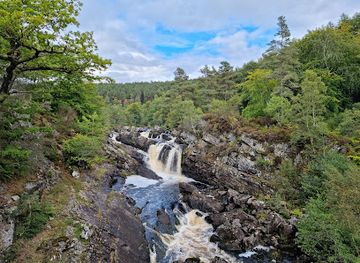
Rogie Falls
Experience the power of cascading waterfalls and the thrilling salmon leap amid tranquil Scottish Highland woodlands.
Best landmarks in Ross-shire
The Pictish stones of Easter Ross are among Ross-shire's most important landmarks. The Shandwick Stone, Nigg Stone and Hilton of Cadboll Stone preserve intricate early medieval carving and connect the region to the wider Pictish world. In Dingwall, remnants associated with the medieval castle recall the town's former role as the centre of the earldom of Ross, while Tain's historic buildings reflect its long religious and burgh traditions. Castle Leod near Strathpeffer remains a major expression of Mackenzie power and Highland estate history. Further west, the Fyrish Monument stands prominently above the Cromarty Firth, and the bridge over Corrieshalloch Gorge represents the Victorian shaping of the Highland visitor landscape. Natural landmarks are equally significant: Loch Maree, Beinn Eighe, the Torridonian mountains and the sea-loch coast around Gairloch give Ross-shire its powerful visual identity.
-
Castle
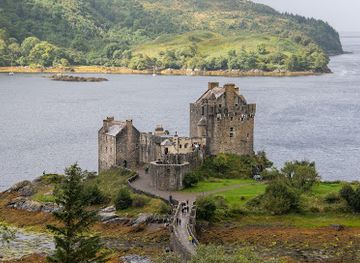
Eilean Donan Castle
Discover Scotland’s most iconic castle set on a tranquil island where history, nature, and legend converge in breathtaking Highland scenery.
-
Historical landmark
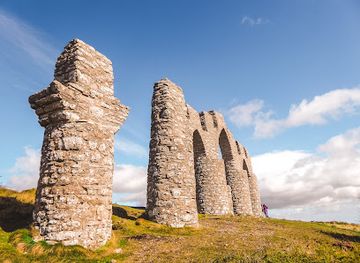
Fyrish Monument
Historic stone monument atop Fyrish Hill blending Scottish resilience with colonial Indian inspiration and offering stunning Highland views.
-
Historical landmark
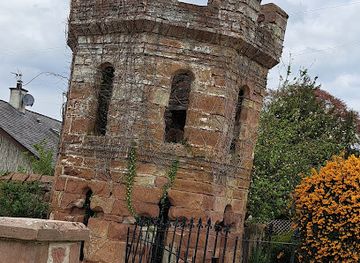
Dingwall Castle Doocot
Discover the historic Dingwall Castle Doocot, a rare medieval tower transformed into a dovecote, standing as a peaceful emblem of Highland heritage.
-
Historical landmark
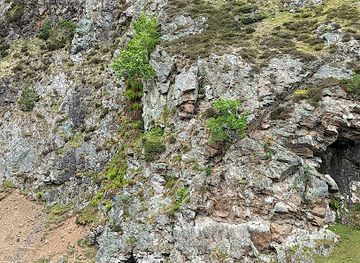
Soldiers Head
Discover Soldiers Head near Inverness, a natural Highland landmark steeped in history and local legend, offering stunning views and cultural significance.
Explore Ross-shire on the map
Plan your trip on one map. See where the top cities, national parks and sights are, and book hotels and experiences in a few clicks.
Best hotels in Ross-shire
Best restaurants in Ross-shire
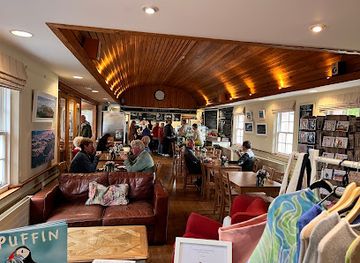
Dining in Ross-shire reflects both Highland farming and its extensive sea-loch coastline. Menus in towns, village inns and coastal cafés commonly draw on local seafood, shellfish, venison, lamb and beef, while smoked fish, oat-based baking, seasonal vegetables and traditional soups fit naturally into the regional table. Ullapool and Gairloch offer a stronger maritime emphasis, whereas Easter Ross has closer links with farmland, whisky production and market-town shopping. Pubs and rural inns remain important for substantial meals, and independent cafés provide useful stops on long drives. Local shops and farmers' markets, where operating, are good places to look for regional cheeses, preserves, baking and drinks. Whisky from the Tain area is a significant part of the food-and-drink landscape, but should be regarded as one element of a broader Highland produce culture rather than the region's only speciality.
-
Modern European
The Mustard Seed Restaurant
Modern European dining with fresh Scottish ingredients and scenic River Ness views in the heart of Inverness.
-
Restaurant
The Dores Inn
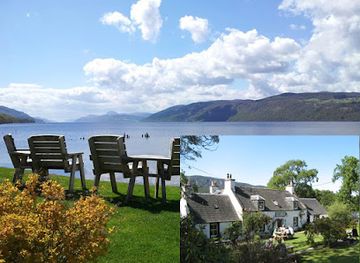
A welcoming Highland pub with stunning Loch Ness views, hearty fare, and a relaxed atmosphere perfect for soaking in Scotland’s natural beauty.
-
Restaurant
The Storehouse
Fresh Highland fare, stunning Cromarty Firth views, and a charming farm shop combine for a memorable dining and shopping experience.
-
Restaurant
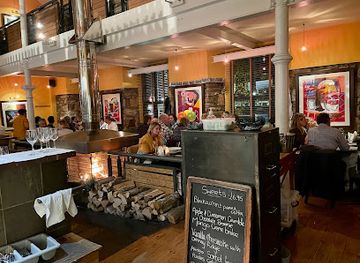
The Old Bridge Inn
Cosy riverside gastro pub in Aviemore's Cairngorms, blending hearty local fare, live music, real ales, and wood-fired warmth for adventurers and locals alike.
Best bars in Ross-shire
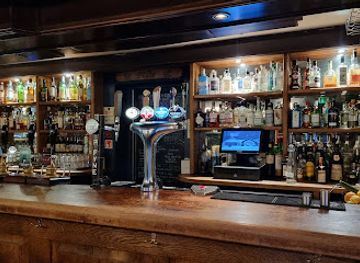
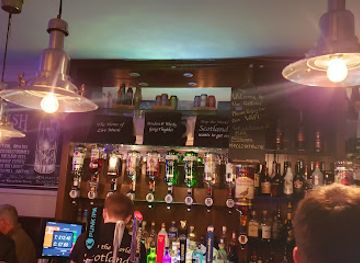
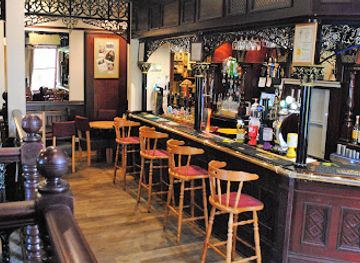
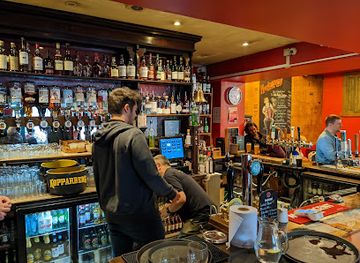
Ross-shire's evening life is primarily based in traditional pubs, hotel bars, restaurants and occasional live-music venues rather than a large nightclub scene. Dingwall provides the most town-like choice of evening establishments, while Ullapool has a reputation for seasonal music and a social atmosphere linked to its harbour and visitor population. Tain, Gairloch, Strathpeffer and other settlements offer quieter options centred on pubs and inns, with opening arrangements varying by day and season. Rural evenings are often shaped by conversation, local music, dining and dark-sky scenery rather than late-night entertainment. Visitors should plan transport carefully, as taxis and public services are limited outside the larger settlements and drink-driving laws are strictly enforced. Breweries, whisky-related venues and hotel lounges can provide alternatives to a conventional bar crawl.
-
Bar
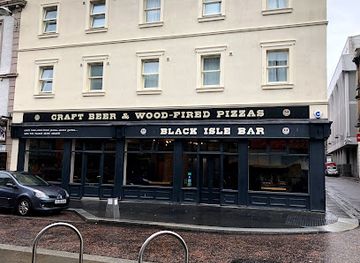
Black Isle Bar & Rooms
Discover Inverness’ craft beer haven with organic brews, wood-fired pizzas, a secret rooftop garden, and cozy en-suite rooms in the city centre.
-
Pub
Johnny Foxes
Experience authentic Irish hospitality with live music, hearty food, and lively nightlife at Johnny Foxes in Inverness.
-
Pub
The Castle Tavern
Historic Scottish pub with stunning castle views, real ales, and a lively beer garden in the heart of Inverness.
-
Live music bar
Hootananny
Experience authentic Scottish folk music, vibrant atmosphere, and hearty local cuisine at Inverness’s iconic live music bar and boutique hotel.
Best nightclubs in Ross-shire
Ross-shire's evening life is primarily based in traditional pubs, hotel bars, restaurants and occasional live-music venues rather than a large nightclub scene. Dingwall provides the most town-like choice of evening establishments, while Ullapool has a reputation for seasonal music and a social atmosphere linked to its harbour and visitor population. Tain, Gairloch, Strathpeffer and other settlements offer quieter options centred on pubs and inns, with opening arrangements varying by day and season. Rural evenings are often shaped by conversation, local music, dining and dark-sky scenery rather than late-night entertainment. Visitors should plan transport carefully, as taxis and public services are limited outside the larger settlements and drink-driving laws are strictly enforced. Breweries, whisky-related venues and hotel lounges can provide alternatives to a conventional bar crawl.
-
Nightclub
Popworld Glasgow
A vibrant nightclub in Glasgow city centre delivering cheesy pop hits, colorful party vibes, and unforgettable celebrations.
-
Nightclub
Joannas Nightclub
A vibrant local nightclub in Elgin offering lively Saturday night entertainment with music, dancing, and a casual bar atmosphere.
-
Club
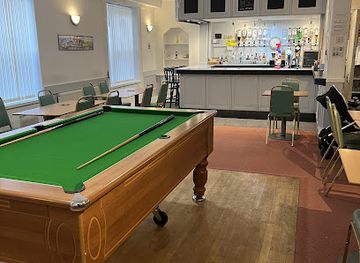
The Ross Shire Club
Experience Dingwall’s vibrant nightlife with a welcoming vibe, BYOB policy, and lively social scene at The Ross Shire Club.

Best shops in Ross-shire
Shopping in Ross-shire is concentrated in market towns and village high streets rather than large retail complexes. Dingwall and Tain provide practical shopping, independent services, books, gifts and food supplies, while Ullapool has galleries, craft outlets and small shops oriented towards the harbour and visiting public. Across the region, look for locally produced knitwear, woollen goods, artwork, pottery, woodwork, books about Highland history and products made from local seafood or farm produce. Distillery shops in Easter Ross offer whisky and related gifts, subject to current visitor arrangements. Farm shops, community stores and seasonal markets can be useful for baking, preserves, cheese and other provisions, although opening days vary considerably. In remote areas, shopping should be treated as part of the journey rather than a dependable daily convenience, so stock up before travelling into the western peninsulas and mountain districts.
-
Gift shop
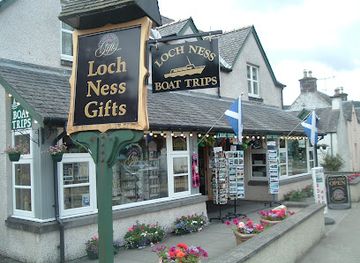
Loch Ness Gifts
Discover authentic Scottish treasures and Nessie-themed gifts in the heart of Drumnadrochit, near the legendary Loch Ness.
-
Homewares Shop
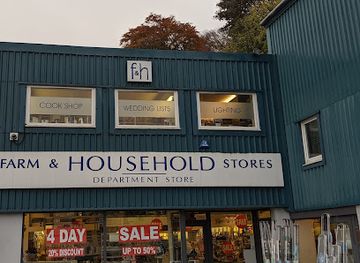
Farm & Household Stores
Inverness’s largest independent homewares store offering quality kitchenware, furniture, and household essentials with a family-run touch.
-
Gift shop
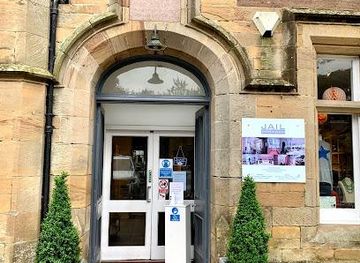
Jail Dornoch
Explore a unique gift shop set in a historic 19th-century jail, blending original prison features with contemporary Scottish crafts and country wear.
-
Gift shop
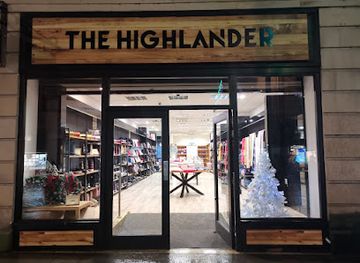
The Highlander Store
Discover authentic Scottish gifts and fashion accessories at The Highlander Store, a vibrant cultural hub in Inverness’s historic High Street.
Get your free copy of our complete guide to Ross-shire, delivered straight to you.
Everything on this page, from attractions and restaurants to essentials and local phrases, in one PDF you can read offline, print or share.
Already have an account? Sign in
Your Ross-shire guide is ready.
We'll send it to · Not you? Sign out

Getting your guide ready…
We are putting together a fresh copy of the Ross-shire guide. This can take up to a minute.
This can take a few moments. If your browser asks, choose Allow so the download can start. You'll find the guide in your Downloads folder.
Nothing happened? Download it again
Sorry, the guide is taking longer than usual. Please try again in a minute, or get it by email instead.
Ross-shire essentials
Currency and Payment
Safety
Emergency Situations
Do's and Don'ts
Local Tips
From Eve
Local phrases worth knowing
You don't need to get them perfect. A few words go a long way, and locals appreciate the effort.
Basics
| English | Local | Say it |
|---|---|---|
| Hello | Hello | [hɛˈloʊ] |
| Goodbye | Cheerio | [ˈtʃɪə.ri.oʊ] |
| Yes | Aye | [aɪ] |
| No | Nae | [neɪ] |
| Please/You're welcome | Please/You're welcome | [pliːz/ jʊər ˈwɛlkəm] |
| Thank you | Cheers | [tʃɪrz] |
| Excuse me/Sorry | Excuse me/Sorry | [ɪkˈskjuːz mi/ˈsɔːri] |
| How are you? | How are ye? | [haʊ ɑːr ji] |
| Fine. And you? | Fine. And yerself? | [faɪn. ənd jərˈsɛlf] |
| Do you speak English? | Dae ye speak English? | [deɪ ji spiːk ˈɪŋɡlɪʃ] |
| I don't understand | Ah dinnae understand | [ɑː dɪnə ˌʌndərˈstænd] |
Eating & Drinking
| English | Local | Say it |
|---|---|---|
| I'd like to see the menu, please | Ah'd like tae see the menu, please | [ɑːd laɪk teɪ siː ðə ˈmɛnjuː, pliːz] |
| I don't eat meat | Ah dinnae eat meat | [ɑː dɪnə iːt miːt] |
| Cheers! | Cheers! | [tʃɪrz] |
| I would like to pay, please | Ah'd like tae pay, please | [ɑːd laɪk teɪ peɪ, pliːz] |
Emergencies
| English | Local | Say it |
|---|---|---|
| Help! | Help! | [hɛlp] |
| Go away! | Gae awae! | [ɡeɪ əˈweɪ] |
| Call the Police! | Ca' the polis! | [kɑː ðə pəˈliːs] |
| Call a doctor! | Ca' a doc! | [kɑː ə dɒk] |
| I'm lost | Ah'm lost | [ɑːm lɒst] |
| I'm ill | Ah'm no weel | [ɑːm noʊ wiːl] |
Shopping
| English | Local | Say it |
|---|---|---|
| I'd like to buy... | Ah'd like tae buy... | [ɑːd laɪk teɪ baɪ] |
| I'm just looking | Ah'm just lookin' | [ɑːm dʒʌst ˈlʊkɪn] |
| How much is it? | Whit’s the price? | [wɪt ðə praɪs] |
| That's too expensive | That’s far ower expensive | [ðæts fɑːr ˈoʊər ɪkˈspɛnsɪv] |
| Can you lower the price? | Can ye lower the price? | [kæn ji ˈloʊər ðə praɪs] |
Time & Numbers
| English | Local | Say it |
|---|---|---|
| What time is it? | Whit time is it? | [wɪt taɪm ɪz ɪt] |
| It's one o'clock | It’s one o’clock | [ɪts wʌn əˈklɒk] |
| Half past (10) | Half past ten | [hɑːf pɑːst tɛn] |
| Morning | Mornin' | [ˈmɔrnɪn] |
| Afternoon | Aferneen | [ˌæf.tərˈniːn] |
| Evening | E'enin' | [ˈiːnɪn] |
| Yesterday | Yestreen | [jɛsˈtriːn] |
| Today | Taday | [təˈdeɪ] |
| Tomorrow | Morrow | [ˈmɒroʊ] |
| 1 | Wan | [wɒn] |
| 2 | Twa | [twɑː] |
| 3 | Three | [θriː] |
| 4 | Four | [fɔːr] |
| 5 | Five | [faɪv] |
| 6 | Six | [sɪks] |
| 7 | Seven | [ˈsɛv.ən] |
| 8 | Eight | [eɪt] |
| 9 | Nine | [naɪn] |
| 10 | Ten | [tɛn] |
Transport & Directions
| English | Local | Say it |
|---|---|---|
| Where's a/the...? | Whar's a/the...? | [wɛərz ə/ðə ...?] |
| What's the address? | Whit’s the address? | [wɪt ðə əˈdrɛs] |
| Can you show me (on the map)? | Can ye show me (on the map)? | [kæn ji ʃoʊ mi (ɒn ðə mæp)?] |
| When's the next (bus)? | Whan’s the next (bus)? | [wɛn ðə nɛkst (bʌs)?] |
| A ticket (to ....) | A ticket (ta ....) | [ə ˈtɪkɪt (tə ...)] |
History of Ross-shire
Pictish Ross and Early Christian Landscapes
Before the medieval earldom emerged, the region formed part of the northern Pictish world. Its landscape preserves evidence of early settlement and Christian activity, most visibly in the carved stones of Easter Ross. The Shandwick Stone, the Nigg Stone and the Hilton of Cadboll Stone display complex Pictish symbols and early medieval artistry, while later church sites reflect the spread and adaptation of Christianity. These monuments are not isolated curiosities: they show that the firths and coastal routes supported communities connected to wider political and religious networks across northern Scotland.
The Earldom of Ross and Medieval Dingwall
From the twelfth century, Ross developed as an important northern lordship, with Dingwall becoming its principal political centre. The earls of Ross controlled extensive territory and played a significant role in the changing relationship between the Scottish Crown and the Gaelic-speaking north. Dingwall's castle and burgh traditions, together with churches and medieval foundations across Easter Ross, recall this period of regional government, rivalry and ecclesiastical influence. Ross was neither a peripheral blank space nor culturally uniform; it connected Highland communities, eastern routes and maritime approaches to the Northern Isles.
Clan Society, Royal Authority and Reformation
Late medieval and early modern Ross was shaped by competing clan interests, royal intervention and the transformation of religious life after the Scottish Reformation. The Rosses, Mackenzies and other powerful families influenced landholding and local politics, while settlements such as Dingwall and Tain served administrative, commercial and ecclesiastical purposes. Tain's historic associations with St Duthac gave it particular religious importance, and its burgh status supported trade. Over time, royal authority and legal administration increasingly affected communities whose everyday organisation remained rooted in kinship, land and Gaelic culture.
Mackenzie Power and Highland Estates
The Mackenzies became one of the dominant families in Ross, controlling estates and political influence from the later medieval period into the early modern age. Castle Leod near Strathpeffer is the principal surviving regional reminder of their long association with the area. Estate development altered woodland, farmland and settlement patterns, while houses, policies and designed landscapes introduced forms of architecture that stood alongside older crofting and clan traditions. The story is one of both continuity and change, as landed power increasingly shaped economic decisions and the appearance of the countryside.
Clearances, Crofting and Emigration
During the eighteenth and nineteenth centuries, estate reorganisation, commercial farming and population pressure transformed many Ross-shire communities. In parts of the west, families were moved from inland townships towards coastal crofts or encouraged to emigrate, while sheep farming and large estates expanded. Crofting communities survived through a difficult combination of small-scale agriculture, fishing, seasonal labour and access to common grazing. The legacy remains visible in linear settlements, abandoned ruins, field patterns and community land traditions, and it is central to understanding the human landscape behind the region's apparently open scenery.
Victorian Railways and the Strathpeffer Spa
The nineteenth century brought new links between Ross-shire and the rest of Britain. Railways reached Dingwall, Tain and other parts of the region, improving access for passengers, livestock, goods and visitors. Strathpeffer developed as a fashionable spa resort after its mineral waters attracted Victorian and Edwardian visitors, leaving a distinctive collection of hotels and civic buildings. Rail transport also supported fishing, agriculture and commerce, although many rural communities remained dependent on difficult roads and coastal shipping. The period established tourism as an important element of the regional economy.
Modern Highland Transport, Tourism and Conservation
Twentieth-century road improvements, changing agricultural patterns and the decline of some rail and maritime services reshaped travel through Ross-shire. In the west, better roads made sea-loch communities and mountain landscapes more accessible, while gardens, wildlife reserves and walking routes encouraged a growing visitor economy. Conservation has become particularly important in places such as Beinn Eighe and the Loch Maree area, where habitats, geology and cultural landscapes intersect. Today, communities continue to balance tourism with crofting, forestry, fishing, housing pressures and the practical challenges of remote Highland life.
Ross-shire in Photos
Browse through our photo collection highlighting the charm and character of the destination.
Neighbouring regions of Ross-shire
The closest regions to Ross-shire, if you have time for more than one.
-

-

-

-

-


Swipe for more regions
Explore more

Explore more of United Kingdom
Discover the United Kingdom: A blend of rich history, stunning landscapes, and vibrant cities, offering a unique travel experience for every visitor.
Explore United Kingdom