Cessford Castle Travel Guide
Free Guide: Explore the mighty ruins of Cessford Castle, a 15th-century stronghold of the notorious Ker clan nestled in the scenic Scottish Borders.


A brief summary of Cessford Castle
Explore the mighty ruins of Cessford Castle, a 15th-century stronghold of the notorious Ker clan nestled in the scenic Scottish Borders.
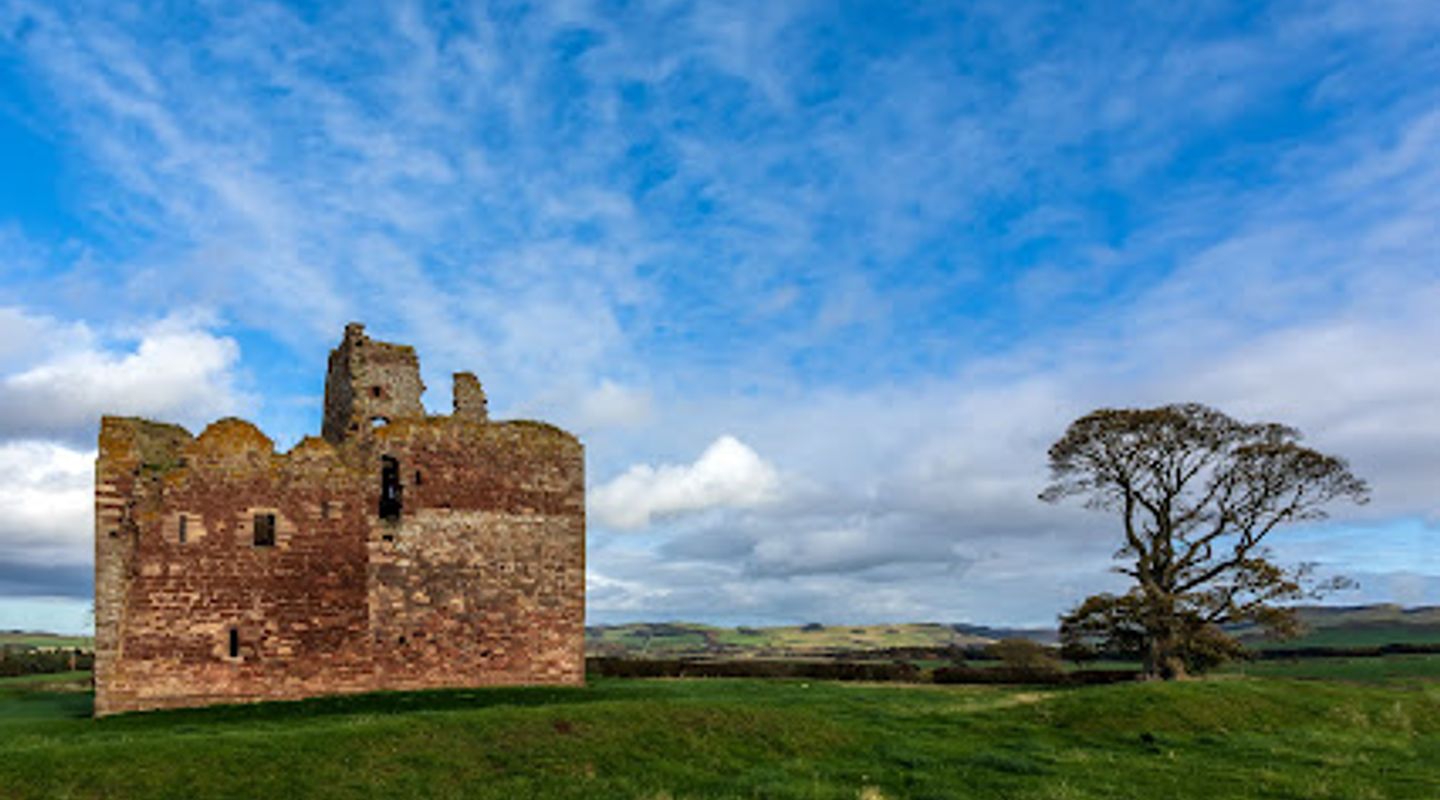
Cessford Castle is a large, ruined 15th-century L-plan fortress near Kelso in the Scottish Borders. Built around 1450 by Andrew Ker, the 1st Earl of Roxburghe, it was a heavily fortified stronghold of the notorious Border Reivers. With walls up to 4 meters thick and six storeys, including a pit prison and family living quarters, it withstood multiple sieges, notably by the Earl of Surrey in 1523. Abandoned by 1650, it remains a dramatic historical ruin set in peaceful countryside.
On-site amenities
 Information boards
Opening hours
- Every dayOpen 24 hours
Opening hours as listed on the venue’s Google Business Profile. Hours can change for services and special events, so check with the venue before you go.
- Address
- Kelso TD5 8EG
Getting there
Car
Bus and Walking
Walking
Discover more about Cessford Castle
Origins and Architectural Strength
Cessford Castle was constructed circa 1450 by Andrew Ker, an ancestor of the Earls and later Dukes of Roxburghe. The castle’s design reflects the turbulent Anglo-Scottish border history, built as a formidable L-shaped tower house with walls up to 13 feet (4 meters) thick. It rose to six storeys, featuring vaulted lower levels, a pit prison at the base, guardrooms, a kitchen, and multiple floors for family accommodation. Surrounding the keep was a barmekin — a defensive courtyard wall — enhancing its protection against attackers.
Historical Significance and Military Engagements
Cessford Castle played a pivotal role in border conflicts during the 15th and 16th centuries. The Ker family, infamous Border Reivers, used it as their principal stronghold. In 1523, the castle endured a notable siege by the Earl of Surrey, who deployed eleven cannons and scaling ladders but failed to capture it by force. The defenders negotiated surrender terms, and Surrey famously remarked that the castle might never have fallen had the defenders continued resisting. The castle faced further assaults during Henry VIII’s Rough Wooing campaign in the 1540s before being abandoned in the mid-17th century.
The Ker Family Legacy and Later Years
The Kers were a powerful Border clan, with Cessford as their seat until 1607, when Sir Robert Ker, later the 1st Earl of Roxburghe, moved to more comfortable residences near Melrose and eventually to Floors Castle near Kelso. The castle’s materials were partly repurposed for Floors Castle in the 18th century. The Ker family remains prominent in the region, with titles deriving from Cessford. The castle’s ruins today stand as a testament to their historical influence and the violent border past.
Visiting the Ruins and Surrounding Landscape
Situated in a tranquil field near Kelso, Cessford Castle is accessible to visitors who can explore the grounds and view the impressive remains of the keep and barmekin walls. Warning signs advise against entering the unstable ruins for safety reasons. The site is popular with walkers on long-distance trails such as St Cuthbert’s Way and the Scottish National Trail, offering scenic views of the rolling Cheviot Hills and a palpable sense of medieval history.
Cultural Context and Border Reiver Heritage
The castle’s history is deeply entwined with the Border Reivers, clans who raided and defended territories along the Anglo-Scottish border for centuries. Cessford Castle’s robust fortifications and strategic location illustrate the need for defense in a lawless era. The Ker family’s feuds, alliances, and roles as Wardens of the Marches highlight the complex social and military fabric of the Borders during this period.
Preservation and Interpretation
Today, Cessford Castle is a scheduled monument, protected for its historical and architectural significance. Information boards at the site provide context about its 16th-century appearance and the events it witnessed. Visitors are encouraged to respect the fragile ruins and surrounding environment while appreciating this evocative landmark of Scottish heritage.
Evendo Review Centre
 Google
Guest reviews
Best time to go
Quietest: Jan, Feb & Dec · before 6am or from 8pm
Busy times are Evendo estimates for a typical year, to help you plan. Actual crowds vary with events, school holidays and the weather.
Explore Cessford Castle on the map
A handpicked selection of must-see spots near Cessford Castle, mapped for you.
Get your free copy of our complete guide to Cessford Castle, delivered straight to you.
Everything on this page, from opening hours and how to get there to Eve’s tips and the best time to go, in one PDF you can read offline, print or share.
Already have an account? Sign in
Your Cessford Castle guide is ready.
We'll send it to · Not you? Sign out

Getting your guide ready…
We are putting together a fresh copy of the Cessford Castle guide. This can take up to a minute.
This can take a few moments. If your browser asks, choose Allow so the download can start. You'll find the guide in your Downloads folder.
Nothing happened? Download it again
Sorry, the guide is taking longer than usual. Please try again in a minute, or get it by email instead.
Other nearby places you may find interesting
The closest places of the same kind, if this one is not quite what you had in mind.
-
-
-
-
-


Swipe for more places
More to explore near Cessford Castle

 Best experiences near Cessford Castle
 Best hotels near Cessford Castle
 Best landmarks near Cessford Castle
 Best attractions near Cessford Castle
 Best shops near Cessford Castle
 Best restaurants near Cessford Castle
 Best bars near Cessford Castle
Do you manage this location?
Take control to get all the benefits, like improved information, better appearance, and stronger visibility across AI-powered discovery.
Explore more
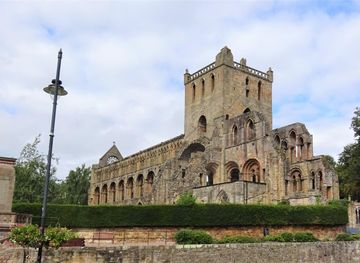
Explore more of Roxburghshire
Discover the enchanting landscapes and rich history of Roxburghshire, a picturesque region in the Scottish Borders known for its ancient castles, scenic hills, and vibrant market towns.
Explore Roxburghshire
Explore more of United Kingdom
Discover the United Kingdom: A blend of rich history, stunning landscapes, and vibrant cities, offering a unique travel experience for every visitor.
Explore United Kingdom