

Free Roxburghshire Travel Guide & Mobile App
Explore Roxburghshire with free travel guides. Discover regional history, expert tips, proposed trips, and audio guides on web or mobile app.


Explore Roxburghshire in Scotland for medieval abbeys, Border castles, textile towns, river valleys and walking across the Cheviot foothills.
Read more about Roxburghshire
When is the best time to visit Roxburghshire?
Best: June–August · 19–21°C| Month | High (°C) | Rainfall (mm) |
|---|---|---|
| January | 6 | 55 |
| February | 6 | 50 |
| March | 10 | 45 |
| April | 12 | 40 |
| May | 15 | 35 |
| June (best) | 19 | 30 |
| July (best) | 21 | 30 |
| August (best) | 21 | 35 |
| September | 18 | 40 |
| October | 14 | 45 |
| November | 9 | 50 |
| December | 6 | 55 |
Getting to and around Roxburghshire
How to get there
Transportation
Best attractions in Roxburghshire
Roxburghshire's attractions combine medieval religious ruins, border history and expansive outdoor landscapes. Jedburgh Abbey is the region's best-known monastic site, with substantial Romanesque and Gothic masonry set within the town, while Melrose Abbey offers intricate stone carving and a long association with the medieval Borders. Kelso provides access to the remains of Roxburgh Castle and to Floors Castle, whose house, gardens and parkland illustrate the later estate tradition. Hawick's museums and textile-related heritage explain why Teviotdale became associated with fine woollen manufacture. Beyond the towns, the Eildon Hills, the Cheviot foothills and the wooded valleys of the Tweed, Teviot and Jed offer walking, cycling, fishing and wildlife watching. The Borders Abbeys Way links Melrose, Jedburgh, Kelso and St Boswells in a long-distance route, while shorter paths provide manageable outings around rivers, village edges and estate landscapes. Rural churches, tower houses, historic bridges and views across the Southern Uplands add interest between major sites, and the region's smaller communities make useful stops for cafés, galleries, local produce and practical supplies.
-
Tourist attraction
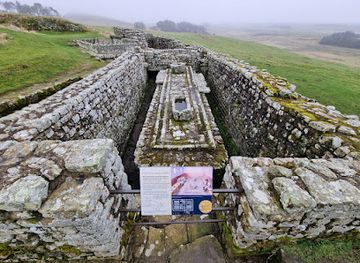
Housesteads Roman Fort - Vercovicium - English Heritage Site
Explore Britain’s best-preserved Roman fort with panoramic views, ancient ruins, and immersive history on Hadrian’s Wall.
-
Castle
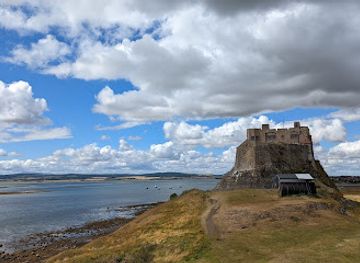
Lindisfarne Castle
A dramatic Tudor fortress turned Edwardian retreat perched on a tidal island with breathtaking sea views and historic gardens.
-
Tourist attraction
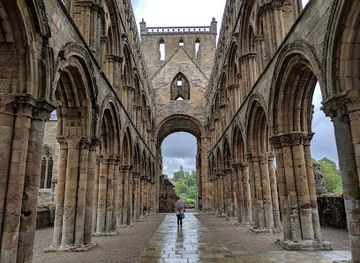
Jedburgh Abbey
Discover the majestic ruins of Jedburgh Abbey, a stunning 12th-century Border Abbey blending Romanesque and Gothic styles amid tranquil Scottish landscapes.
-
Tourist attraction
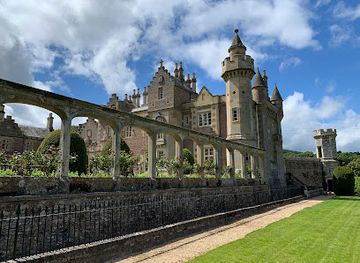
Abbotsford the home of Sir Walter Scott
Explore the neo-Gothic home and gardens of Sir Walter Scott, a literary icon whose legacy shaped Scotland’s cultural heritage.
Best landmarks in Roxburghshire
Jedburgh Abbey is Roxburghshire's most recognisable architectural landmark, its tall stone nave and choir embodying the scale and ambition of medieval Augustinian building. Melrose Abbey is distinguished by elaborate Gothic carving and its position beneath the Eildon Hills, while Kelso Abbey preserves an unusual and powerful Romanesque west front. Near Kelso, the remains of Roxburgh Castle stand on a strategic site between the Tweed and Teviot, recalling the importance of the medieval royal burgh that once occupied the area. Floors Castle provides a contrasting landmark: a large nineteenth-century country house developed from an earlier estate and set within designed grounds. In Hawick, the town's industrial identity is represented by former textile mills and the surviving urban fabric of Teviotdale. The Eildon Hills form a prominent natural landmark visible across the central Borders, while the River Tweed, old stone bridges and wooded valley slopes provide the broader landscape framework in which Roxburghshire's historic places are understood.
-
Monument
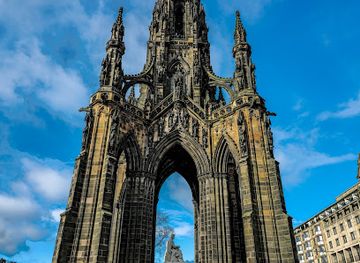
Scott Monument
Edinburgh’s towering Gothic spire honoring Sir Walter Scott, offering historic exhibits and panoramic city views from its narrow spiral staircase.
-
Hotel
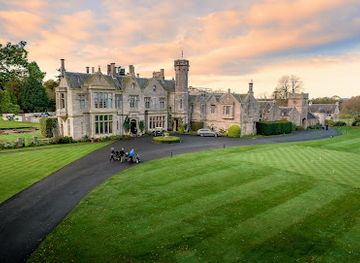
Schloss Roxburghe - Destination by Hyatt
A majestic Jacobean estate blending historic charm with modern luxury, set on 300 acres of scenic Scottish Borders countryside.
-
Historical landmark
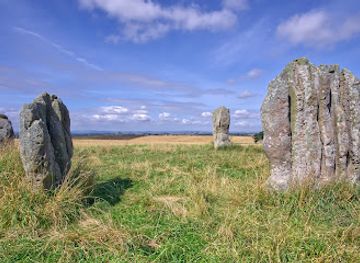
Duddo Five Stones
Ancient Bronze Age stone circle set on a windswept hill with panoramic views, steeped in legend and prehistoric mystery.
-
Historical place
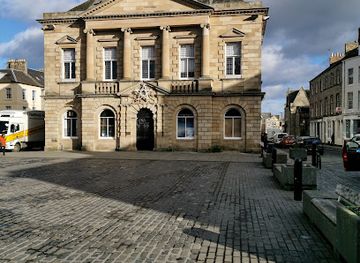
Kelso
Discover Kelso’s medieval charm and rich heritage nestled in the scenic Scottish Borders’ Tweed Valley.
Explore Roxburghshire on the map
Plan your trip on one map. See where the top cities, national parks and sights are, and book hotels and experiences in a few clicks.
Best hotels in Roxburghshire
Best restaurants in Roxburghshire
Dining in Roxburghshire is shaped by farming, river valleys and the wider Scottish Borders larder. Menus in pubs, cafés, hotels and restaurants commonly draw on local lamb, beef, game when in season, vegetables, berries and farmhouse baking, while smoked fish and other preserved produce reflect Scotland's broader food traditions. Hawick, Kelso, Jedburgh and Melrose have the largest concentration of places to eat, ranging from casual cafés and traditional pubs to contemporary restaurants and hotel dining rooms. Rural inns often provide hearty meals suited to walkers and cyclists, although opening patterns can be seasonal or limited outside the main towns. Farmers' markets, delicatessens and independent food shops are useful for picnic supplies, local cheeses, chutneys, cakes and preserves. Regional drinks include Scottish ales, gin and whisky, while tea rooms remain a familiar part of the town-centre food culture. Booking ahead is sensible for popular evening dining, especially during summer, weekends and major local events.
-
Restaurant
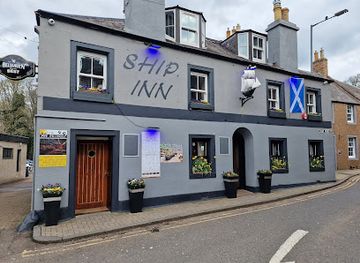
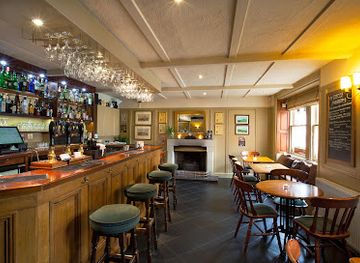
The Ship Inn Melrose
A family-run pub in Melrose with hearty food, live sport, and a large heated beer garden – perfect for a relaxed pint or casual meal in the Scottish Borders.
-
 Restaurant
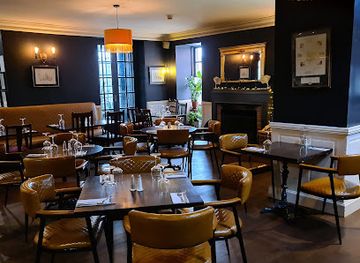
Buccleuch Arms, St Boswells
A historic Scottish Borders inn blending heritage charm, fresh local cuisine, and warm hospitality in tranquil St Boswells.
-
British
The Cobbles - Freehouse & Dining
A vibrant gastropub in Kelso blending local flavors, craft beers, and a welcoming atmosphere for all food and drink lovers.
-
Restaurant
Carfraemill
Family-run country hotel in the Scottish Borders with award-winning restaurant and Lammermuir Hill views.
Best bars in Roxburghshire
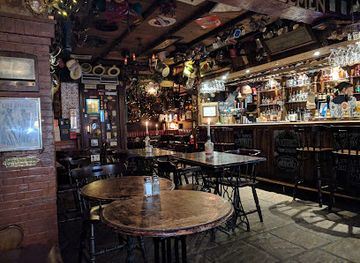
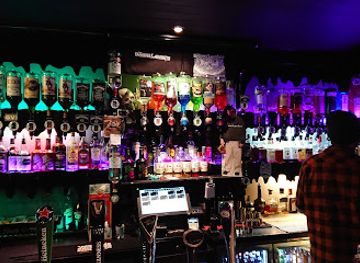
Evenings in Roxburghshire are centred on traditional pubs, hotel bars, restaurants and occasional live-music events rather than a large nightclub scene. Hawick generally has the broadest choice of evening venues, reflecting its larger population and strong local social life, while Kelso, Jedburgh and Melrose offer pubs and bars suited to a quieter night after sightseeing. Historic inns and village pubs can be good places to sample local ales, whisky or non-alcoholic drinks, but rural venues may close earlier or have limited food service outside busy periods. Some breweries and distilleries in the wider Borders contribute to tasting and drinks culture, subject to their own arrangements. Visitors should not expect a continuous late-night district between towns: taxis and accommodation are spread out, and public transport becomes more limited in the evening. Live music, community events and seasonal celebrations can add variety, but their dates change from year to year.
-
Pub
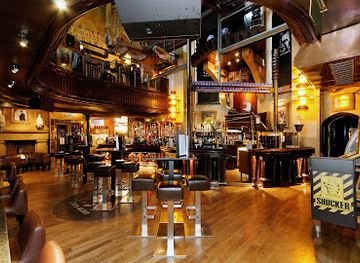
Frankenstein
Immerse yourself in Edinburgh’s quirky Frankenstein Pub, a multi-level venue blending gothic horror with lively bars and themed cocktails.
-
Gastropub
The Devil's Advocate
Historic Victorian pump house turned gastropub with an award-winning whisky collection and inventive cocktails in Edinburgh’s atmospheric Old Town.
-
Pub
Dirty Dick's Pub
Experience Edinburgh’s quirky and cozy Dirty Dick's Pub, famed for whisky, lively charm, and hearty Scottish classics on vibrant Rose Street.
-
Bar
The Banshee Labyrinth
Discover Scotland’s most haunted pub, a labyrinth of eerie vaults and lively entertainment beneath Edinburgh’s Old Town.

Best nightclubs in Roxburghshire
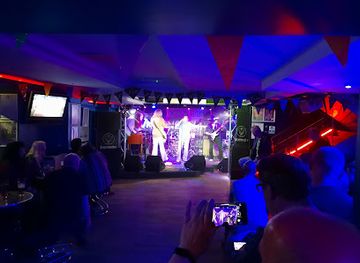
Evenings in Roxburghshire are centred on traditional pubs, hotel bars, restaurants and occasional live-music events rather than a large nightclub scene. Hawick generally has the broadest choice of evening venues, reflecting its larger population and strong local social life, while Kelso, Jedburgh and Melrose offer pubs and bars suited to a quieter night after sightseeing. Historic inns and village pubs can be good places to sample local ales, whisky or non-alcoholic drinks, but rural venues may close earlier or have limited food service outside busy periods. Some breweries and distilleries in the wider Borders contribute to tasting and drinks culture, subject to their own arrangements. Visitors should not expect a continuous late-night district between towns: taxis and accommodation are spread out, and public transport becomes more limited in the evening. Live music, community events and seasonal celebrations can add variety, but their dates change from year to year.
-
Nightclub
DreadnoughtRock Nightclub & Live Music Venue
Iconic Bathgate rock venue with live bands, lively nightlife, and a welcoming atmosphere until the early hours.
-
Nightclub
The Hive Nightclub & Venue
Edinburgh’s energetic and affordable nightclub with diverse music, live performances, and a vibrant student-friendly crowd.
-
Nightclub
Why Not Nightclub
Edinburgh’s energetic late-night hotspot with unique LED-lit spaces and a lively student crowd on George Street.
-
Social club
The Border Club
A lively social club in Hawick offering vibrant nightlife and community spirit in the heart of the Scottish Borders.


Best shops in Roxburghshire
Shopping in Roxburghshire is concentrated in the high streets and market-town centres of Hawick, Kelso, Jedburgh and Melrose. Hawick is the strongest destination for Scottish knitwear, cashmere and woollen goods, reflecting the town's long manufacturing tradition; visitors should distinguish between locally made products and goods simply carrying a Scottish label. Kelso and Melrose combine independent clothing, book, gift and homeware shops with cafés and galleries, while Jedburgh is useful for local produce, crafts and heritage-related gifts. Farmers' markets and seasonal stalls offer preserves, baking, cheeses, meat and other products from the Border countryside, although dates and locations vary. Craft items may include textiles, pottery, prints, woodwork and jewellery, with small galleries often showcasing work by artists from the wider region. Rural shops are limited, so buy picnic supplies and specialist provisions in the larger towns before heading into the valleys or hills.
-
Shopping outlet
Livingston Designer Outlet
Scotland’s largest designer outlet with over 80 premium brands, dining, cinema, and family fun in vibrant Livingston.
-
Discount shop
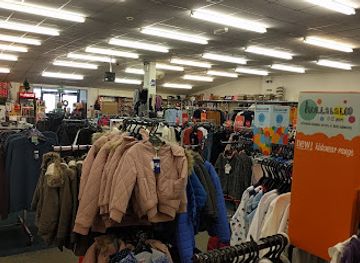
The Original Factory Shop (Kelso)
Affordable brand-name bargains in the heart of Kelso with a wide variety of clothing, homeware, and beauty essentials.
-
Men's Clothes Shop
Humes Outfitters | Menswear
Classic country menswear and bespoke tailoring in Kelso since 1929, blending heritage with modern style.
-
Equestrian Shop
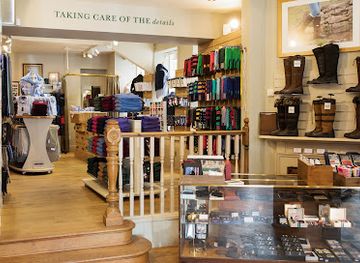
Country Corner
Family-owned since 1989, Country Corner Kelso offers top-quality equestrian gear, animal care essentials, and outdoor clothing for the Borders community.

Get your free copy of our complete guide to Roxburghshire, delivered straight to you.
Everything on this page, from attractions and restaurants to essentials and local phrases, in one PDF you can read offline, print or share.
Already have an account? Sign in
Your Roxburghshire guide is ready.
We'll send it to · Not you? Sign out

Getting your guide ready…
We are putting together a fresh copy of the Roxburghshire guide. This can take up to a minute.
This can take a few moments. If your browser asks, choose Allow so the download can start. You'll find the guide in your Downloads folder.
Nothing happened? Download it again
Sorry, the guide is taking longer than usual. Please try again in a minute, or get it by email instead.
Roxburghshire essentials
Currency and Payment
Safety
Emergency Situations
Do's and Don'ts
Local Tips
From Eve
Local phrases worth knowing
You don't need to get them perfect. A few words go a long way, and locals appreciate the effort.
Basics
| English | Local | Say it |
|---|---|---|
| Hello | Hullo | [hʌloʊ] |
| Goodbye | Cheerio | [tʃɪə.ri.oʊ] |
| Yes | Aye | [aɪ] |
| No | Naw | [nɔː] |
| Please/You're welcome | Please/No bother | [pliːz/nəʊ ˈbɒð.ər] |
| Thank you | Cheers | [tʃɪrz] |
| Excuse me/Sorry | Excuse me/Sorry | [ɪkˈskjuːz mi/ˈsɒr.i] |
| How are you? | How's it gaun? | [haʊz ɪt ɡɔn] |
| Fine. And you? | Aye, braw. An yersel? | [aɪ, brɔː. ən jərˈsɛl] |
| Do you speak English? | Dae ye speak English? | [deɪ ji spiːk ˈɪŋɡlɪʃ] |
| I don't understand | Ah dinnae ken | [ɑː dɪn.eɪ kɛn] |
Eating & Drinking
| English | Local | Say it |
|---|---|---|
| I'd like to see the menu, please | Ah'd like tae see the menu, please | [ɑːd laɪk teɪ siː ðə ˈmɛnjuː pliːz] |
| I don't eat meat | Ah dinnae eat meat | [ɑː dɪn.eɪ iːt miːt] |
| Cheers! | Cheers! | [tʃɪrz] |
| I would like to pay, please | Ah'd like tae pay, please | [ɑːd laɪk teɪ peɪ pliːz] |
Emergencies
| English | Local | Say it |
|---|---|---|
| Help! | Help! | [hɛlp] |
| Go away! | Gae awa! | [ɡeɪ əˈwɑː] |
| Call the Police! | Call the polis! | [kɔːl ðə ˈpoʊlɪs] |
| Call a doctor! | Call a doc! | [kɔːl ə dɒk] |
| I'm lost | Ah'm lost | [ɑːm lɒst] |
| I'm ill | Ah'm unwell | [ɑːm ʌnˈwɛl] |
Shopping
| English | Local | Say it |
|---|---|---|
| I'd like to buy... | Ah'd like tae buy... | [ɑːd laɪk teɪ baɪ...] |
| I'm just looking | Ah'm just lookin' | [ɑːm dʒʌst ˈlʊk.ɪn] |
| How much is it? | How much is it? | [haʊ mʌtʃ ɪz ɪt] |
| That's too expensive | That's ower dear | [ðæts ˈoʊər dɪr] |
| Can you lower the price? | Can ye lower the price? | [kæn ji ˈloʊər ðə praɪs] |
Time & Numbers
| English | Local | Say it |
|---|---|---|
| What time is it? | Whit time is it? | [wɪt taɪm ɪz ɪt] |
| It's one o'clock | It's yin o'clock | [ɪts jɪn əˈklɒk] |
| Half past (10) | Half past ten | [hɑːf pɑːst tɛn] |
| Morning | Mornin' | [ˈmɔːrnɪn] |
| Afternoon | Aftirnoon | [æf.tərˈnuːn] |
| Evening | Evenin' | [ˈiːv.nɪŋ] |
| Yesterday | Yestreen | [jɛsˈtriːn] |
| Today | T'day | [təˈdeɪ] |
| Tomorrow | Morn | [mɔːrn] |
| 1 | Yin | [jɪn] |
| 2 | Twa | [twɑː] |
| 3 | Three | [θriː] |
| 4 | Fower | [ˈfaʊər] |
| 5 | Five | [faɪv] |
| 6 | Six | [sɪks] |
| 7 | Seven | [ˈsɛv.ən] |
| 8 | Eight | [eɪt] |
| 9 | Nine | [naɪn] |
| 10 | Ten | [tɛn] |
Transport & Directions
| English | Local | Say it |
|---|---|---|
| Where's a/the...? | Whar's a/the...? | [wɛrz ə/ðə] |
| What's the address? | Whit’s the address? | [wɪt̬z ðə əˈdrɛs] |
| Can you show me (on the map)? | Can ye show me (on the map)? | [kæn ji ʃoʊ mi (ɒn ðə mæp)] |
| When's the next (bus)? | When's the next (bus)? | [wɛn ðə nɛkst (bʌs)] |
| A ticket (to ....) | A ticket (ta ....) | [ə ˈtɪkɪt (tə ....)] |
History of Roxburghshire
Prehistoric settlement and the Roman frontier
People have farmed and occupied the valleys of Roxburghshire since prehistoric times, leaving earthworks, standing stones and other traces across the Borders landscape. The Roman army later moved through the region during campaigns north of Hadrian's Wall. Dere Street, the major Roman road running north from York towards the Forth, crossed the eastern Borders and helped connect forts and settlements. Nearby archaeological remains, including the important Roman settlement at Newstead near Melrose, show that the area was not a remote blank on the imperial frontier but a zone of movement, military activity and contact between communities.
Early medieval kingdoms and Christianity
The region lay within the wider frontier between the Anglo-Saxon kingdom of Northumbria and the developing kingdom of Scotland. Religious foundations helped give the Borders a more settled cultural framework. Melrose's monastic history began with a foundation at Old Melrose, probably in the seventh century, before the Cistercians established a new abbey at the present site in the twelfth century. Place names, church sites and surviving fragments reflect the interaction of Gaelic, Brittonic, Northumbrian and later Scots influences that shaped the south-eastern Scottish borderlands.
Royal burghs and the medieval abbeys
During the twelfth century, Scottish kings encouraged urban growth, monastic reform and stronger royal administration in the Borders. Jedburgh Abbey was founded for Augustinian canons, while Melrose Abbey was refounded for Cistercian monks and Kelso Abbey became one of the region's major religious institutions. Royal burghs such as Roxburgh and Jedburgh supported trade, markets and government. Their buildings and institutions brought architectural sophistication to the valleys, even though the region's proximity to England would repeatedly expose these communities to warfare.
The Wars of the Scottish Borders
From the late thirteenth century through the sixteenth century, Roxburghshire was repeatedly affected by the Wars of Scottish Independence, Anglo-Scottish conflict and raids between border communities. Roxburgh Castle was strategically important because it controlled a crossing and approach between the Tweed and Teviot valleys; it changed hands more than once before falling into decline. Jedburgh, Kelso and other settlements suffered attacks, while fortified towers and houses were built to protect landowners and their tenants. The surviving ruins and defensive buildings are direct reminders of this unstable frontier.
The Union of the Crowns and the end of raiding
The accession of James VI of Scotland to the English throne in 1603 transformed the political circumstances of the Borders. The formal frontier remained, but the Crown moved to suppress the raiding culture associated with the old border laws and rivalries. Families who had long operated as armed local powers were brought under firmer authority, and the region gradually shifted from a militarised march to a more regulated agricultural society. The change was disruptive as well as stabilising, since older forms of local autonomy and livelihood were curtailed.
Agricultural improvement and the estate landscape
From the eighteenth century, landowners in Roxburghshire pursued agricultural improvement, better roads, drainage, planned planting and more formal estate management. Farms became more commercially organised, and grand houses, designed landscapes and walled gardens expressed the wealth of the landed class. Floors Castle near Kelso developed into one of the region's most prominent estates, while bridges, turnpike roads and redesigned town spaces improved connections between market centres. Much of the orderly farmland and wooded scenery seen today reflects these later transformations rather than an unchanged medieval landscape.
Textiles, railways and modern Border towns
Industrialisation gave Hawick and other Teviotdale communities a distinctive economic identity. Woollen manufacture developed from older domestic and small-scale textile traditions into mechanised production, with mills making tweed, knitwear and luxury woollens for national and international markets. Railways reached the Borders during the nineteenth century, linking towns to wider markets and encouraging movement of people and goods, although many services later disappeared. Manufacturing remains part of Hawick's cultural identity, while tourism, agriculture, public services and small enterprises now support the wider region.
Roxburghshire in Photos
Browse through our photo collection highlighting the charm and character of the destination.
Neighbouring regions of Roxburghshire
The closest regions to Roxburghshire, if you have time for more than one.
-

-

-

-

-


Swipe for more regions
Explore more

Explore more of United Kingdom
Discover the United Kingdom: A blend of rich history, stunning landscapes, and vibrant cities, offering a unique travel experience for every visitor.
Explore United Kingdom