Melrose Abbey Travel Guide
Free Guide: Explore the hauntingly beautiful ruins of Melrose Abbey, home to exquisite medieval art and the resting place of Robert the Bruce’s heart.


A brief summary of Melrose Abbey
Explore the hauntingly beautiful ruins of Melrose Abbey, home to exquisite medieval art and the resting place of Robert the Bruce’s heart.
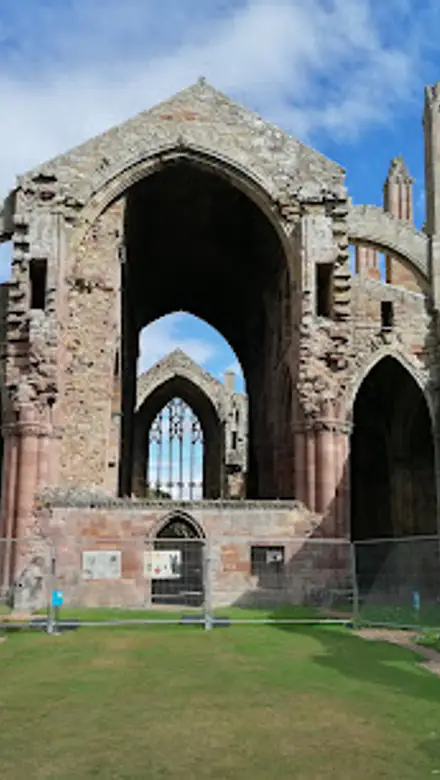
Melrose Abbey, located in the Scottish Borders town of Melrose, is a grand ruined Cistercian monastery founded in 1136 by King David I. Renowned for its exquisite late medieval Gothic architecture and intricate stone carvings—including the famous bagpipe-playing pig—the abbey is also the burial site of King Robert the Bruce's heart. While the abbey church is currently closed for masonry conservation, visitors can explore the cloister, grounds, and museum, which showcase medieval artifacts and the abbey’s rich history.
On-site amenities
 Restrooms
 Drink options
 Food options
 Seating areas
 Trash bins
 Information boards
 Visitor centre
Opening hours
- Every day9:30 am–5 pm
Opening hours as listed on the venue’s Google Business Profile. Hours can change for services and special events, so check with the venue before you go.
- Address
- Abbey St, Melrose TD6 9LG
- Phone
- Website
Getting there
Train and Bus
Car
Local Bus
Discover more about Melrose Abbey
Origins and Historical Significance of Melrose Abbey
Melrose Abbey was founded in 1136 by King David I as the first Cistercian monastery in Scotland, marking a significant religious and cultural milestone. Positioned near the English border, the abbey endured repeated attacks, notably being largely destroyed by Richard II’s army in 1385. It was rebuilt in the late 14th and early 15th centuries, with the surviving ruins reflecting some of the finest ecclesiastical architecture of medieval Scotland. The abbey remained active until the Protestant Reformation in 1560, after which monastic life ceased but monks stayed until the late 16th century.
Architectural Grandeur and Artistic Details
The abbey’s ruins are celebrated for their soaring Gothic arches, lavishly decorated masonry, and intricate stone carvings. Among the most memorable artistic features are the unusual sculptures, including grotesque gargoyles and whimsical figures like the famous bagpipe-playing pig. The east end of the abbey is particularly striking, with large windows that once flooded the interior with light, showcasing the skill and artistry of medieval stonemasons. These details offer a glimpse into the spiritual and aesthetic values of the period.
Robert the Bruce’s Heart and Sacred Spaces
A poignant highlight of Melrose Abbey is the burial place of King Robert the Bruce’s heart, interred within the chapter house. This relic commemorates the Scottish king’s wish for his heart to be carried to the Holy Land by his loyal friend Sir James Douglas. A commemorative stone plaque marks this historic site, adding a layer of national legend and reverence to the abbey grounds.
Visitor Experience and Conservation Efforts
Currently, the abbey church itself is closed to visitors due to high-level masonry inspections and conservation work, but the cloister, grounds, and the Commendator’s House Museum remain open. The museum displays medieval artifacts uncovered during archaeological excavations, enriching the visitor’s understanding of monastic life. Audio guides and regular talks provide detailed historical context, enhancing the experience. Conservation efforts are ongoing to preserve this iconic ruin for future generations.
The Abbey in Its Scenic and Cultural Context
Set in the picturesque town of Melrose, the abbey sits near the Eildon Hills and is surrounded by tranquil gardens and walking paths. The site offers excellent photographic opportunities, especially capturing the interplay of light on the pink sandstone ruins. Nearby, visitors can explore additional historic sites and gardens, making Melrose Abbey a focal point for cultural heritage and natural beauty in the Scottish Borders.
Practical Information and Accessibility
The abbey grounds and museum are accessible daily during spring to early winter, with reduced admission prices due to ongoing restoration. While the main abbey entrance route is currently not wheelchair accessible, alternative routes around the grounds accommodate visitors with limited mobility. Facilities include a gift shop, picnic areas, and nearby cafes in Melrose town. Visitors are advised to check for any short-notice closures due to weather or maintenance.
Evendo Review Centre
 Google
Guest reviews
Best time to go
Quietest: Jan, Feb & Dec · before 6am or at 10pm
Busy times are Evendo estimates for a typical year, to help you plan. Actual crowds vary with events, school holidays and the weather.
Explore Melrose Abbey on the map
A handpicked selection of must-see spots near Melrose Abbey, mapped for you.
Get your free copy of our complete guide to Melrose Abbey, delivered straight to you.
Everything on this page, from opening hours and how to get there to Eve’s tips and the best time to go, in one PDF you can read offline, print or share.
Already have an account? Sign in
Your Melrose Abbey guide is ready.
We'll send it to · Not you? Sign out

Getting your guide ready…
We are putting together a fresh copy of the Melrose Abbey guide. This can take up to a minute.
This can take a few moments. If your browser asks, choose Allow so the download can start. You'll find the guide in your Downloads folder.
Nothing happened? Download it again
Sorry, the guide is taking longer than usual. Please try again in a minute, or get it by email instead.
Unlock the best of Melrose Abbey
Skip-the-line tickets, guided tours with entry, and walking tours of the area, booked in a few clicks.
 Tour with entry
Rosslyn Chapel and Hadrian's Wall Tour
from $65.57 Tour with entry
Scottish Castles: Glamis and Dunnottar
from $69.35 Tour with entry
Scottish Borders Tour Between Scotland and England Lies hidden Beauty
from $1,125.53 Tour with entry
Rosslyn Chapel & Melrose: Private Day Trip from Edinburgh
from $1,463.00
 Tour
TourFrom Edinburgh to Rosslyn Chapel, Glenkinchie Distillery and more
from $58.00 Tour
TourEdinburgh: Rosslyn Chapel, the Borders & Glenkinchie Distillery
from $70.61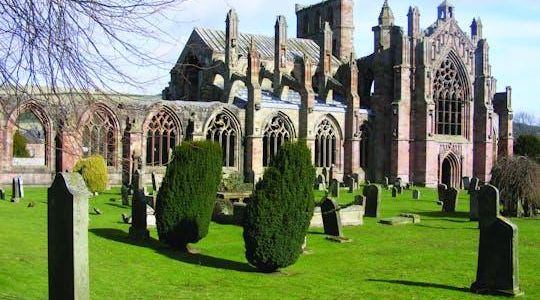 Tour
TourRosslyn Chapel and Scottish Borders small-group day tour
from $87.48 Tour
TourRosslyn Chapel and Scottish Borders Small-Group Day Tour from Edinburgh
from $91.12
Other nearby places you may find interesting
The closest places of the same kind, if this one is not quite what you had in mind.
-
-
-
-
-


Swipe for more places
More to explore near Melrose Abbey

 Best experiences near Melrose Abbey
 Best hotels near Melrose Abbey
 Best landmarks near Melrose Abbey
 Best attractions near Melrose Abbey
 Best shops near Melrose Abbey
 Best restaurants near Melrose Abbey
 Best bars near Melrose Abbey
Do you manage this location?
Take control to get all the benefits, like improved information, better appearance, and stronger visibility across AI-powered discovery.
Explore more
Explore more of Roxburghshire
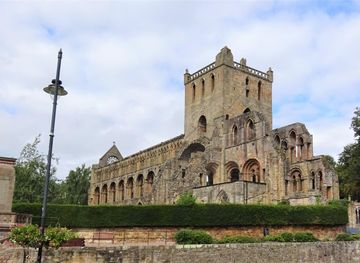
Discover the enchanting landscapes and rich history of Roxburghshire, a picturesque region in the Scottish Borders known for its ancient castles, scenic hills, and vibrant market towns.
Explore Roxburghshire
Explore more of United Kingdom
Discover the United Kingdom: A blend of rich history, stunning landscapes, and vibrant cities, offering a unique travel experience for every visitor.
Explore United Kingdom