Smailholm Tower Travel Guide
Free Guide: Discover Smailholm Tower, a 15th-century Scottish peel tower steeped in border history, stunning views, and literary legacy.


A brief summary of Smailholm Tower
Discover Smailholm Tower, a 15th-century Scottish peel tower steeped in border history, stunning views, and literary legacy.
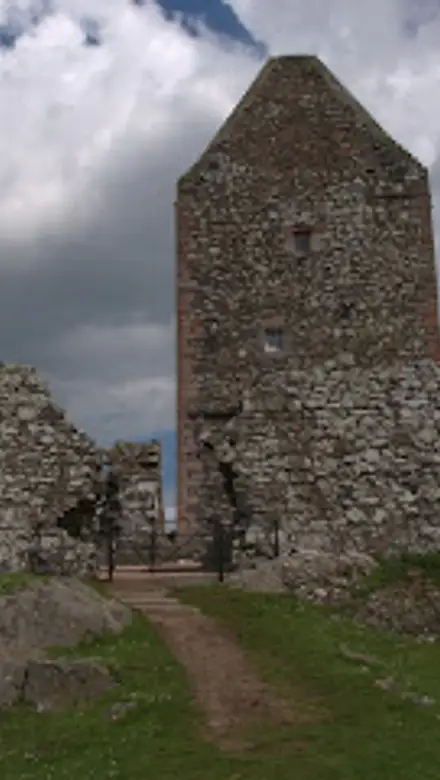
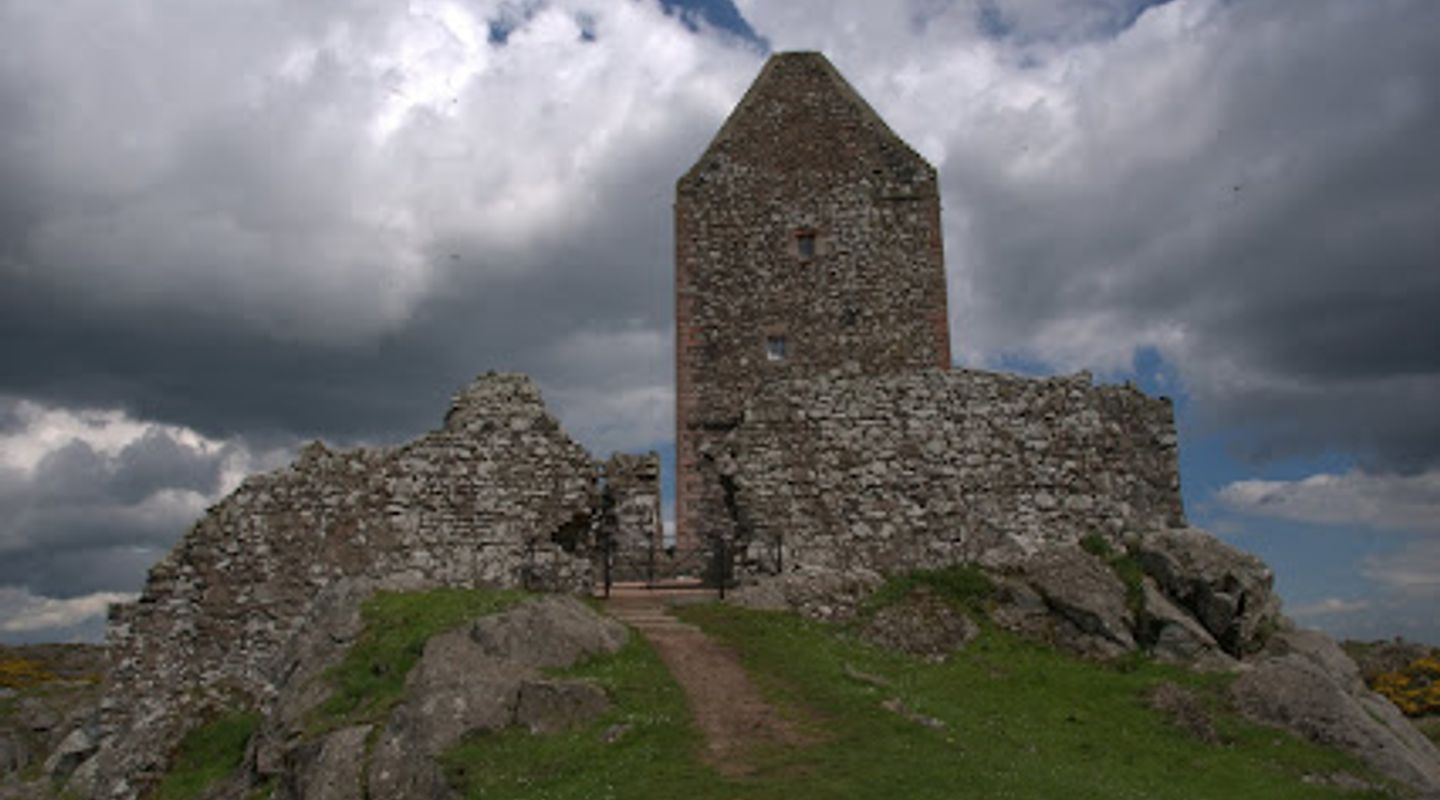
Smailholm Tower is a well-preserved 15th-century peel tower located near Kelso in the Scottish Borders. Built by the Pringle family as a defensive fortress against English raids, it stands 65 feet tall atop a rocky outcrop, offering panoramic views of the surrounding countryside and distant landmarks like Bamburgh Castle. The tower’s rich history includes its role in border conflicts, sheltering persecuted Catholic priests, and inspiring literary giant Sir Walter Scott. Visitors can explore its vaulted rooms, battlements, and exhibitions that bring to life centuries of turbulent Scottish heritage.
On-site amenities
 Information boards
 Visitor centre
 Seating areas
 Trash bins
Opening hours
- Mon10 am–4:30 pm
- Tue10 am–4:30 pm
- Wed10 am–4:30 pm
- Thu10 am–4:30 pm
- FriClosed
- SatClosed
- Sun10 am–4:30 pm
Opening hours as listed on the venue’s Google Business Profile. Hours can change for services and special events, so check with the venue before you go.
- Address
- Sandyknowe Farm, Kelso TD5 7PG
- Phone
- Website
Getting there
Car
Bus and Walking
Taxi
Discover more about Smailholm Tower
Origins and Strategic Significance
Smailholm Tower was constructed in the mid-15th century by the Pringle family, prominent landowners and factors of the Earl of Douglas. Designed as a peel tower—a small fortified tower house common in the volatile Scottish Borders—it served primarily as a defensive stronghold against English raiders during frequent cross-border conflicts. Its location on a rocky crag provided commanding views for early warning and defense, with walls up to 2.5 meters thick ensuring resilience. The tower’s single ground-level entrance and stone vaults between floors enhanced security and fire resistance.
Architectural Features and Layout
Rising five stories high, Smailholm Tower features a rectangular plan built from black volcanic rock with red sandstone dressings. The ground floor housed cellars and storage, separated by a stone vault from the living quarters above. The great hall on the first floor was the social and administrative heart, while bedrooms occupied the upper floors. Narrow spiral staircases connect the levels, culminating in battlements that offer breathtaking panoramic views of the Scottish Borders and beyond, including Bamburgh Castle 33 miles away. Defensive elements like gun loops and wall-walks reflect the tower’s military purpose.
Historical Episodes and Ownership Changes
The Pringles owned the tower for over 300 years, during which Smailholm endured repeated attacks by English raiders in the 1540s. The tower also played a role during the Scottish Reformation, acting as a refuge for Catholic priests such as Father John Ogilvie, who was later martyred. In 1645, ownership passed to the Scott family of Harden, ancestors of Sir Walter Scott, who leased the tower to relatives and built a new house nearby. The tower’s defensive role diminished over time, transitioning into a farmstead and later a historic monument.
Connection to Sir Walter Scott and Cultural Legacy
Smailholm Tower deeply influenced Sir Walter Scott, who spent part of his childhood nearby. The tower and its turbulent history inspired many of his writings, embedding it within Scotland’s literary heritage. Today, exhibitions within the tower showcase this connection alongside displays about border life and architecture. The tower’s evocative setting continues to inspire artists and visitors, symbolizing resilience and Scotland’s complex past.
Visitor Experience and Surroundings
Visitors can explore the tower’s well-preserved interior, including the vaulted ceilings, fireplaces, and narrow staircases. The climb to the battlements rewards with sweeping views across the Borders countryside and the Cheviot Hills. The surrounding grounds reveal remnants of outbuildings, a barmkin wall, and traces of a former millpond. The site is managed by Historic Environment Scotland, offering an audio guide and informative displays. Note that access involves a steep, uneven path and narrow staircases, which may challenge those with mobility issues.
Preservation and Modern Significance
Smailholm Tower stands as one of Scotland’s best-preserved peel towers, protected as a Scheduled Ancient Monument. Its enduring stone walls and grass-covered vaulted roof highlight medieval construction techniques. The tower’s preservation allows visitors to connect tangibly with the turbulent history of the Borders, from border reivers to religious strife, and to appreciate the landscape that shaped Scotland’s identity. It remains a poignant symbol of Scottish heritage and resilience.
Evendo Review Centre
 Google
Guest reviews
Best time to go
Quietest: Jan, Feb & Dec · before 6am or at 8pm
Busy times are Evendo estimates for a typical year, to help you plan. Actual crowds vary with events, school holidays and the weather.
Explore Smailholm Tower on the map
A handpicked selection of must-see spots near Smailholm Tower, mapped for you.
Get your free copy of our complete guide to Smailholm Tower, delivered straight to you.
Everything on this page, from opening hours and how to get there to Eve’s tips and the best time to go, in one PDF you can read offline, print or share.
Already have an account? Sign in
Your Smailholm Tower guide is ready.
We'll send it to · Not you? Sign out

Getting your guide ready…
We are putting together a fresh copy of the Smailholm Tower guide. This can take up to a minute.
This can take a few moments. If your browser asks, choose Allow so the download can start. You'll find the guide in your Downloads folder.
Nothing happened? Download it again
Sorry, the guide is taking longer than usual. Please try again in a minute, or get it by email instead.
Unlock the best of Smailholm Tower
Skip-the-line tickets, guided tours with entry, and walking tours of the area, booked in a few clicks.

Other nearby places you may find interesting
The closest places of the same kind, if this one is not quite what you had in mind.
-
-
-
-
-


Swipe for more places
More to explore near Smailholm Tower

 Best experiences near Smailholm Tower
 Best hotels near Smailholm Tower
 Best landmarks near Smailholm Tower
 Best attractions near Smailholm Tower
 Best shops near Smailholm Tower
 Best restaurants near Smailholm Tower
 Best bars near Smailholm Tower
Do you manage this location?
Take control to get all the benefits, like improved information, better appearance, and stronger visibility across AI-powered discovery.
Explore more
Explore more of Roxburghshire
Discover the enchanting landscapes and rich history of Roxburghshire, a picturesque region in the Scottish Borders known for its ancient castles, scenic hills, and vibrant market towns.
Explore Roxburghshire
Explore more of United Kingdom
Discover the United Kingdom: A blend of rich history, stunning landscapes, and vibrant cities, offering a unique travel experience for every visitor.
Explore United Kingdom