

Rhymers Stone Travel Guide
Free Guide: Where a 13th-century prophet met the Faerie Queen—legend carved in stone on the Eildon Hills.


A brief summary of Rhymers Stone
Where a 13th-century prophet met the Faerie Queen—legend carved in stone on the Eildon Hills.
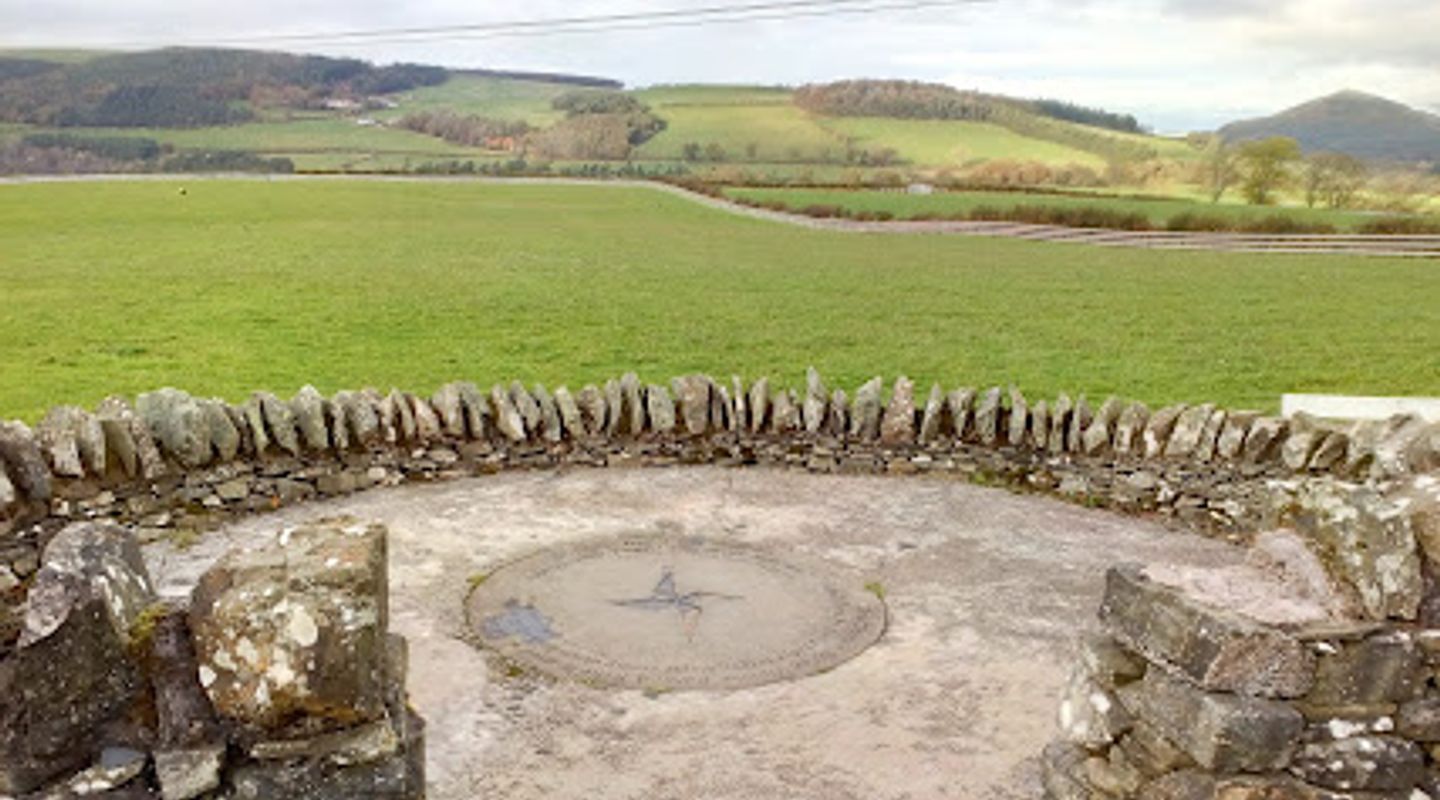
Perched on the Eildon Hills near Melrose, Rhymer's Stone is a historic monument erected in 1929 by the Melrose Literary Society. It marks the legendary spot where Thomas the Rhymer, a 13th-century Scottish laird and prophet, allegedly met the Faerie Queen beneath the ancient Eildon Tree. The accompanying viewpoint offers sweeping vistas across the Scottish Borders landscape, including the striking Leaderfoot Viaduct spanning the River Tweed—a structure that seemingly fulfilled one of Thomas's own prophecies. Free to visit and accessible year-round, this atmospheric site blends medieval folklore with stunning natural scenery.
On-site amenities
 Information boards
 Seating areas
- Address
- Melrose TD6 9HA
Getting there
By Car
On Foot from Melrose
Walking Route from Eildon Hills Trailhead
Local Bus Service
Discover more about Rhymers Stone
The Legend of Thomas the Rhymer
Thomas the Rhymer, born Thomas Learmont around 1220 in the village of Earlston, stands as one of Scotland's most enigmatic historical figures. Known also as "True Thomas," he earned renown throughout the Scottish Borders as a laird with extraordinary gifts of prophecy and supernatural insight. Most famously, he predicted the death of King Alexander III, a prophecy that would profoundly shape Scottish history. The legend surrounding Thomas has endured for nearly eight centuries, woven into the fabric of Border folklore and celebrated as a bridge between the mortal and mystical worlds.According to tradition, Thomas fell into an enchanted sleep beneath the Eildon Tree while hunting on the estate of Melrose Abbey. Upon awakening, he encountered the Queen of Elfland mounted on a shining grey horse. This fateful meeting led him on a journey to the Land of the Elves, where he remained for what he believed to be three days—though seven years had actually passed in the mortal realm. Upon his return, Thomas was granted the gift of "speaking truth," a power that enhanced his prophetic abilities. After seven more years in Earlston, he vanished entirely, presumably returning to the Elves for eternity.
The Stone and Its Significance
The Rhymer's Stone itself is a substantial memorial inscribed with the legend of Thomas, erected in 1929 by the Melrose Literary Society as a tribute to this remarkable figure and to preserve the folklore of the region. The stone marks the exact location where the Eildon Tree once stood, anchoring centuries of legend to a tangible place on the landscape. Positioned on the slopes of the Eildon Hills, the monument serves as both a historical marker and a focal point for visitors seeking to connect with Scotland's mystical past.Thomas the Rhymer's influence extended far beyond the Borders. Legend holds that during a visit to Fyvie Castle in Aberdeenshire, a mysterious gust of wind slammed the gates shut in his face. In response, he placed the "curse of the weeping stones" upon the castle—a curse that allegedly caused unusual succession problems for centuries, with an uncommonly large number of different families occupying the castle over time. Such tales underscore the power attributed to Thomas's words and the deep cultural reverence in which he was held.
The Viewpoint and Leaderfoot Viaduct
Adjacent to the memorial stone stands the Rhymer's Stone Viewpoint, created in 1998 by the Rhymer's Stone Project Group. From this vantage point, visitors enjoy commanding panoramic views across the Scottish Borders landscape. The vista encompasses the Leaderfoot Valley, the pointed summit of Black Hill, and most remarkably, the impressive Leaderfoot Viaduct—a 19-span railway bridge that carries the Berwickshire Railway 126 feet above the River Tweed.The viaduct holds particular significance in the Thomas the Rhymer legend. Before his disappearance, Thomas prophesied that a bridge over the River Tweed would one day be visible from the Eildon Tree. When the Leaderfoot Viaduct opened in 1865, this prophecy appeared to have been fulfilled—a remarkable coincidence that has captivated visitors for generations. Whether viewed as historical serendipity or mystical foresight, the viaduct's visibility from the viewpoint adds an extra layer of enchantment to the site.
Access and Visitor Experience
The Rhymer's Stone is accessible at all times and entirely free to visit. A modest walk of a couple of hundred yards up a gentle slope from the parking area leads to the stone and viewpoint. Information boards positioned near the site provide context about the surrounding landscape and the historical significance of the location. The site's accessibility and lack of entrance fees make it an ideal stop for walkers exploring the Eildon Hills or travelers journeying through the Scottish Borders.
Evendo Review Centre
 Google
Guest reviews
Best time to go
Quietest: Jan, Feb & Dec · before 6am or at 10pm
Busy times are Evendo estimates for a typical year, to help you plan. Actual crowds vary with events, school holidays and the weather.
Explore Rhymers Stone on the map
A handpicked selection of must-see spots near Rhymers Stone, mapped for you.
Get your free copy of our complete guide to Rhymers Stone, delivered straight to you.
Everything on this page, from opening hours and how to get there to Eve’s tips and the best time to go, in one PDF you can read offline, print or share.
Already have an account? Sign in
Your Rhymers Stone guide is ready.
We'll send it to · Not you? Sign out

Getting your guide ready…
We are putting together a fresh copy of the Rhymers Stone guide. This can take up to a minute.
This can take a few moments. If your browser asks, choose Allow so the download can start. You'll find the guide in your Downloads folder.
Nothing happened? Download it again
Sorry, the guide is taking longer than usual. Please try again in a minute, or get it by email instead.
Other nearby places you may find interesting
The closest places of the same kind, if this one is not quite what you had in mind.
-
-
-
-
-


Swipe for more places
More to explore near Rhymers Stone

 Best experiences near Rhymers Stone
 Best hotels near Rhymers Stone
 Best landmarks near Rhymers Stone
 Best attractions near Rhymers Stone
 Best shops near Rhymers Stone
 Best restaurants near Rhymers Stone
 Best bars near Rhymers Stone
Do you manage this location?
Take control to get all the benefits, like improved information, better appearance, and stronger visibility across AI-powered discovery.
Explore more
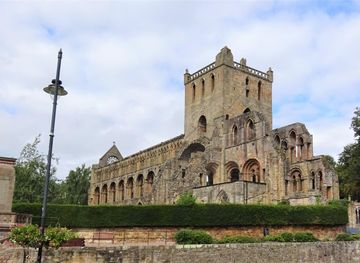
Explore more of Roxburghshire
Discover the enchanting landscapes and rich history of Roxburghshire, a picturesque region in the Scottish Borders known for its ancient castles, scenic hills, and vibrant market towns.
Explore Roxburghshire
Explore more of United Kingdom
Discover the United Kingdom: A blend of rich history, stunning landscapes, and vibrant cities, offering a unique travel experience for every visitor.
Explore United Kingdom
