Morton Castle, Scotland Travel Guide
A secluded 15th‑century hall‑house ruin perched above Morton Loch, offering dramatic views and a powerful sense of Scotland’s medieval past in a remote, loch‑side setting.
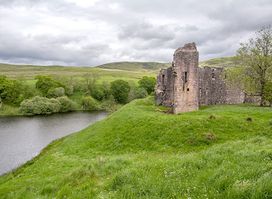
Perched on a triangular spur above Morton Loch in Dumfries and Galloway, Morton Castle is a remote and atmospheric 15th-century hall-house ruin. Once a stronghold and later a Douglas hunting lodge, its crumbling walls and D-shaped towers stand in a dramatic, loch‑surrounded setting. Access is on foot through woodland, rewarding visitors with sweeping views across the Lowther Hills and a powerful sense of Scotland’s medieval past. The site is free to visit and open year‑round, ideal for history lovers and those seeking quiet, off‑the‑beaten‑path exploration.
A brief summary to Morton Castle
- Thornhill, DG3 5EH, GB
- Click to display
- Duration: 0.5 to 2 hours
- Free
-
 Outdoor
- Mobile reception: 3 out of 5

Know before you go
Hi, I'm Eve. Here are a few practical things to know before exploring Morton Castle.
- Wear sturdy footwear and waterproofs; the path can be muddy and slippery, especially after rain.
- Visit in calm, clear weather to fully appreciate the views across Morton Loch to the Lowther Hills.
- Bring a camera or sketchbook; the combination of ruin, water, and hills creates striking compositions.
- Combine your visit with nearby Thornhill or a walk in the surrounding countryside for a full day out.
Do you manage this location?
Take control to get all the benefits, like improved information, better appearance, and stronger visibility across AI-powered discovery. Learn more about listing your business on Evendo
Activate your presenceOther nearby places you may find interesting
The closest places of the same kind, if this one is not quite what you had in mind.

Explore Morton Castle on the Map
A handpicked selection of must-see spots near Morton Castle, mapped for you.
Getting There
-
Car
From Thornhill, follow the A702 northeast for about 2 km, then take the first east turn onto a minor road. Continue along this track for roughly 2 km to a junction with a broad forest road where parking is available; the castle is a short walk from there.
-
Walking
From Thornhill, a walk of about 4–5 km along minor roads and tracks leads to the parking area; the final approach to the castle is a well‑defined footpath through woodland.
-
Public Transport
Take a bus to Thornhill, then walk or arrange local taxi transport to the minor road leading to the forest parking area; there is no direct public transport to the castle itself.
For the on-the-go comforts that matter to you
-
 Seating Areas
-
 Trash Bins
-
 Information Boards
Discover more about Morton Castle
A Castle of Quiet Drama
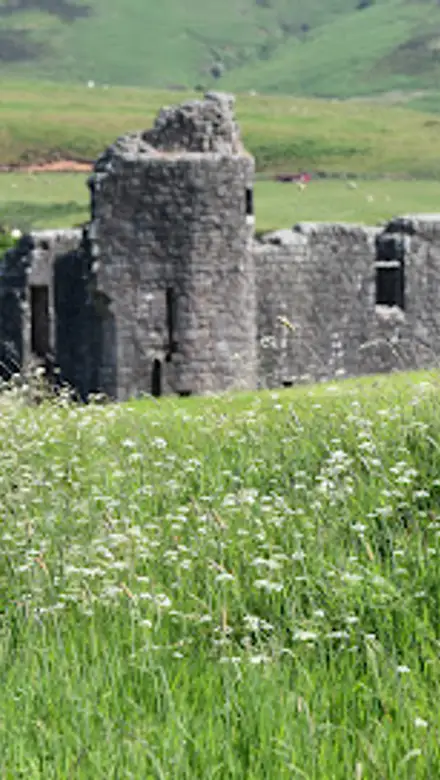
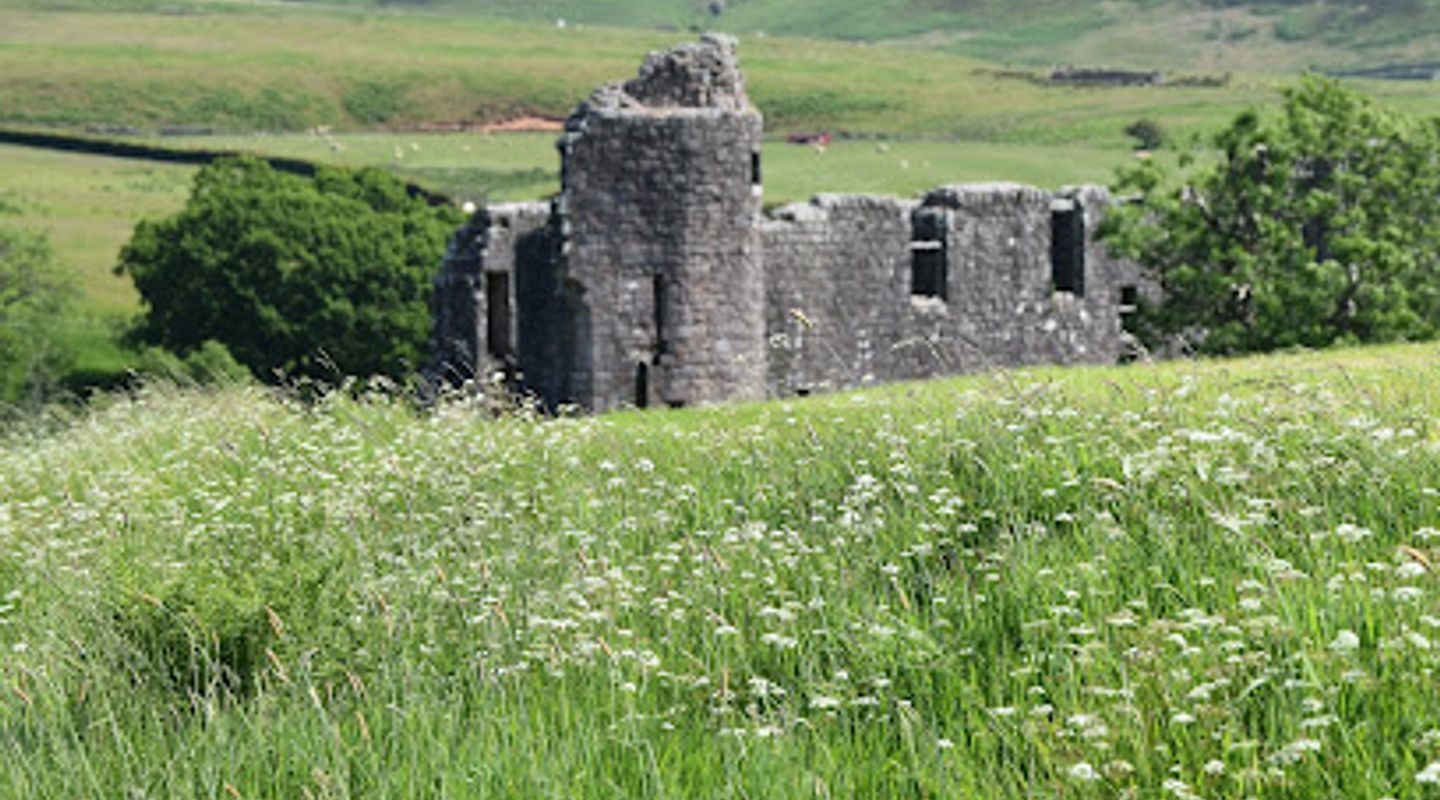
Morton Castle occupies one of Scotland’s most evocative and secluded settings. It stands on a triangular headland, with steep drops on two sides falling into the still waters of Morton Loch, while the Lowther Hills rise beyond. The approach is deliberately rustic: a short walk through trees from a small parking area brings you to the ruins, enhancing the sense of discovery. What remains is a ruined 15th‑century hall‑house with a long two‑storey range, a round corner tower, and fragments of a gatehouse with D‑shaped flanking towers. Though much of the original courtyard is now open, the surviving stonework conveys a real sense of medieval design and defensive strength, softened by centuries of weather and abandonment.Layers of History
A castle has stood on this strong, marsh‑surrounded promontory since at least the early 14th century, possibly earlier. In 1357, under the Treaty of Berwick, the original fortress was among thirteen Nithsdale castles ordered to be dismantled. The current structure was likely built or substantially rebuilt in the 15th century, possibly by the Earls of March, and later came into the hands of the powerful Douglas family, who became Earls of Morton. James Douglas of Dalkeith, later Earl of Morton, received the lands in the mid‑1400s, and the castle took its name from this line. Over the centuries it served as both a stronghold and a more comfortable hunting lodge, with large arched windows hinting at its later, more domestic use.Conflict and Decline
Morton Castle’s later history is marked by the turbulent politics of the Scottish nobility. In 1588, James VI’s campaign against the Catholic Maxwells led to the castle being captured and burned, after which it was returned to the Earls of Morton. It remained in Douglas hands for some time, serving as a hunting lodge rather than a primary residence. By the early 18th century, parts were still habitable, but after about 1714 it was abandoned and gradually fell into ruin. Its remote location did not save it from being used as a source of building stone, and much of what once stood has since disappeared, either through deliberate dismantling or collapse down the steep slopes.Design and Setting
Architecturally, Morton Castle is unusual as one of Scotland’s few surviving hall‑houses, where a first‑floor hall sits over a basement. The long south range would originally have contained a large hall, with a private chamber opening off it and connecting to rooms in the round south‑east tower. The gatehouse, with its surviving D‑shaped tower and traces of a portcullis and drawbridge, speaks to its defensive origins. The surrounding marshland was later dammed in the 18th century to create the artificial loch that now enhances the castle’s island‑like appearance, turning a naturally strong site into a striking loch‑side ruin. This combination of water, woodland, and ruin makes Morton Castle a rare blend of natural beauty and medieval engineering.Visiting the Ruins
Today, Morton Castle is free to visit and open throughout the year, managed as a historic site in the care of Scotland’s heritage body. There are no formal visitor facilities at the castle itself, but a small parking area and a clear footpath make access straightforward for most visitors. The walk is short but can be muddy, especially after rain, so sturdy footwear is recommended. The site is best appreciated slowly: walking around the perimeter, peering into the remains of the hall and tower, and simply sitting to take in the views across the loch to the hills. It’s a place that rewards quiet contemplation, photography, and a sense of stepping back into a quieter, wilder Scotland.












Your all‑in‑one travel companion app
Explore expert travel guides, compare and book tours, experiences, hotels, and more—all from the palm of your hand. Download now for seamless trip planning wherever your wanderlust takes you.


Explore More of Scotland
Looking beyond Morton Castle? Discover Scotland for broader travel guides, local hot-spots, and regional highlights.
Explore Scotland