
Scotland, United Kingdom Travel Guide
Discover the magic of Scotland: stunning landscapes, historic castles, vibrant cities, and world-famous whisky. An unforgettable journey awaits in this enchanting land.
Scotland, a part of the United Kingdom, is known for its stunning landscapes, rich history, and vibrant culture. From the rugged Highlands to the serene lochs and bustling cities, Scotland offers a diverse range of experiences for tourists. Whether you're a history buff, a nature enthusiast, or a fan of whisky, Scotland has something to offer. Edinburgh, the capital city, is a must-see with its historic and architectural marvels like the Edinburgh Castle and the Royal Mile. The city's annual festivals, including the Edinburgh Festival Fringe, attract visitors from around the world. Glasgow, another major city, is known for its lively arts scene, impressive museums, and friendly locals. For those who love the great outdoors, the Scottish Highlands are a paradise. The region is characterized by its dramatic scenery, including Ben Nevis, the highest peak in the UK, and the mysterious Loch Ness. The Isle of Skye, with its rugged coastline and quaint villages, is another highlight that shouldn't be missed. Scotland is also famous for its whisky, and no visit would be complete without touring a distillery. The Speyside region, in particular, is known for its concentration of distilleries. Additionally, traditional Scottish music and dance can be enjoyed at local pubs and events, providing a glimpse into the country's rich cultural heritage.

Know before you go
Hi, I'm Eve. Here are a few practical things to know before exploring Scotland.
- Pack for all weather conditions. Scotland's weather can be unpredictable, so layers are essential.
- Book accommodations in advance, especially during festival seasons and in popular tourist areas.
- Try some local delicacies such as haggis, neeps, and tatties for an authentic taste of Scotland.
- If you plan to visit distilleries, consider renting a car to explore the whisky trails at your own pace.
- Wear sturdy walking shoes if you plan to hike in the Highlands or explore natural sites.
Top City Travel Guides in Scotland
The cities of Scotland, and the easiest places to base yourself.



Destinations in Scotland
Resorts, valleys and scenic spots worth a trip of their own.


Explore Scotland: Things to Do, Places to Eat, Hotels & More
Handpicked recommendations for top attractions, local dining, accommodations, and more

Top Attractions & Sightseeing in Scotland
Top-rated picks
Best Attractions

Caledonian Canal
Explore the historic Caledonian Canal, a 60-mile engineering masterpiece weaving through Scotland’s Great Glen and iconic lochs.
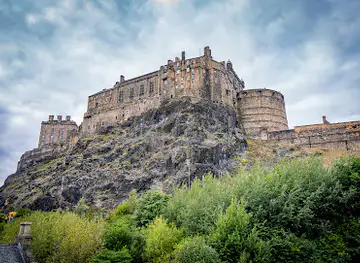
Edinburgh Castle
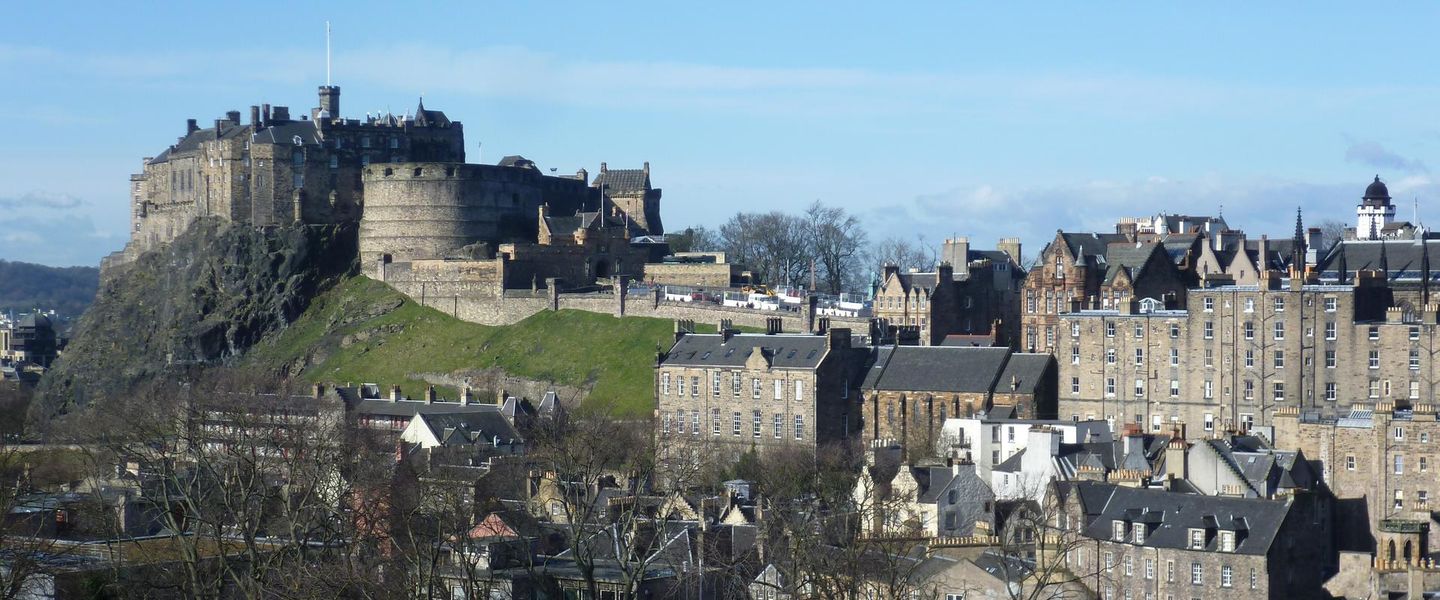
Discover Edinburgh Castle, a historic fortress atop Castle Rock offering royal heritage, stunning city views, and iconic Scottish traditions.

Faskally Forest
Historic woodland sanctuary near Pitlochry with diverse trees, tranquil loch, scenic trails, and Scotland’s famed Enchanted Forest light show.
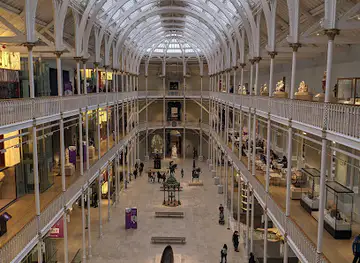
National Museum of Scotland
Discover Scotland’s rich heritage and global stories at the National Museum of Scotland, a captivating cultural landmark in Edinburgh’s heart.

Best landmarks in Scotland
Top-rated picks
Best Landmarks

George Square
Glasgow's grand civic heart, where imperial architecture, historic monuments, and public memory converge.

Highlands Scotland
Scotland's most iconic castle where three lochs meet, steeped in legend and Highland majesty.

Butt of Lewis Lighthouse
Britain's windiest beacon at the northernmost tip of the Outer Hebrides, where ancient rocks meet the Atlantic.

Cambuskenneth Abbey
Medieval abbey ruins beside the River Forth, where Scottish kings held parliament and found their final rest.

Best restaurants in Scotland
Top-rated picks
Best Restaurants

The Kitchin
Experience refined Scottish cuisine with a French touch in Edinburgh’s iconic Michelin-starred restaurant nestled in historic Leith.

The Witchery by the Castle
A sumptuous gothic retreat on Edinburgh’s Royal Mile, blending historic grandeur with romantic luxury and award-winning Scottish cuisine.

Cail Bruich
Michelin-starred fine dining in Glasgow’s West End, blending Scottish tradition with innovative culinary artistry.
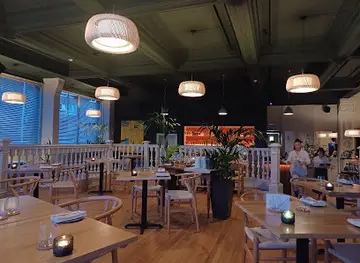
Heron
Michelin-starred modern Scottish dining in Leith with seasonal local produce, artistic presentation, and a warm, inviting atmosphere by the Water of Leith.

Best bars in Scotland
Top-rated picks
Best Bars
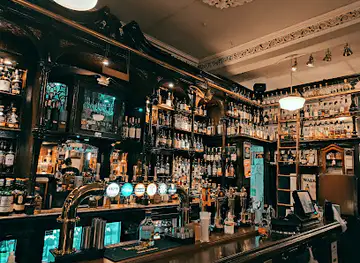
The Pot Still
Discover Glasgow’s iconic whisky haven with unmatched selection, vintage charm, and a welcoming atmosphere on historic Hope Street.

Arcade Bar Haggis & Whisky House, celebrating 20 years of serving The Best Haggis in Town!
Cozy Edinburgh bar serving renowned haggis and over 100 whiskies in a warm, traditional Scottish setting with hearty portions and friendly vibes.
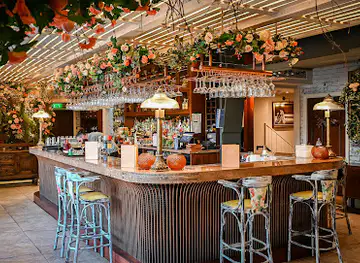
Copper Blossom
A glamorous cocktail bar and restaurant on George Street, blending stylish decor with inventive drinks and shareable plates in vibrant Edinburgh.
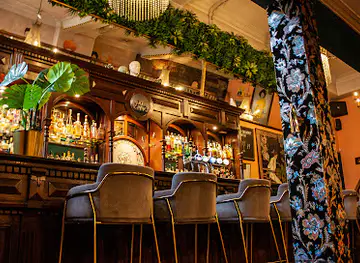
Dragonfly
Edinburgh’s oldest cocktail bar blending historic charm with innovative mixology in a cozy, lively setting.

Best nightclubs in Scotland
Top-rated picks
Best Nightclubs

La Belle Angele
Edinburgh’s intimate nightclub and live music venue blending historic charm with vibrant themed nights and diverse performances.

Legends
Edinburgh’s only 24/7 rock nightclub, Legends pulses with raw energy and live alternative music in the heart of Cowgate.

Platinum Lace Glasgow
Glasgow’s premier gentlemen’s club with stunning dancers, VIP luxury, and an electric nightlife atmosphere in the city centre.

Sneaky Pete's
Discover Edinburgh’s vibrant live music scene at Sneaky Pete's, an intimate venue with top-notch sound and a welcoming underground vibe.

Best shops in Scotland
Top-rated picks
Best Shops

Museum Context
Step into Edinburgh’s historic wizarding world with Museum Context, a magical Harry Potter shop brimming with collectibles and charm.

Scottish Design Exchange
Discover Edinburgh’s vibrant hub where over 300 local artists showcase unique creations, supporting Scotland’s creative economy with every purchase.

The Scotland Shop
A vibrant Edinburgh shop bursting with tartans, kilts, scarves and Scottish gifts in the heart of the Old Town.

Braw Wee Emporium
Celebrate Scottish creativity with handmade gifts from independent designers and makers.

Explore Scotland on the Map
A handpicked selection of must-see spots in Scotland, mapped for you.
Scotland Essentials
-
Scotland is well-connected by air, land, and sea. Major international airports include Edinburgh Airport, Glasgow Airport, and Aberdeen Airport. Direct flights are available from various global cities. For those arriving by train, the East Coast and West Coast mainlines connect Scotland to London and other parts of the UK. Ferries are available for those traveling from Northern Ireland and continental Europe.
-
Scotland offers a variety of transportation options. Trains and buses connect major cities and towns, while local buses and taxis are available for shorter distances. Renting a car is a popular option for exploring rural areas and scenic routes. In cities like Edinburgh and Glasgow, trams and subway systems provide efficient public transport. Cycling is also a great way to explore both urban and rural areas.
-
The official currency in Scotland is the British Pound Sterling (GBP). Major credit and debit cards are widely accepted, but it's advisable to carry some cash, especially in smaller towns and rural areas. ATMs are readily available in cities and towns. Contactless payments are also commonly used in shops, restaurants, and public transport.
-
Scotland is generally a safe destination for tourists. However, standard precautions should be taken, such as avoiding poorly lit areas at night and keeping an eye on personal belongings. Areas like parts of Glasgow's East End and certain neighborhoods in Edinburgh may have higher crime rates, but these are not specifically targeted at tourists. Always stay vigilant and aware of your surroundings.
-
In case of emergency, dial 999 for immediate assistance. This number connects you to police, fire, and medical services. Scotland has well-equipped hospitals and medical facilities. It's advisable to have travel insurance that covers medical emergencies. Pharmacies are widely available for minor health issues and over-the-counter medications.
-
Fashion: Do dress in layers, as the weather can be unpredictable. Waterproof clothing is advisable. Religion: Do respect local customs, especially when visiting religious sites. Remove hats and remain quiet in churches and cathedrals. Public Transport: Do be respectful and offer your seat to elderly passengers. Don't eat or drink on buses and trams. Greetings: Do greet people with a friendly 'hello' or 'hi'. A handshake is also common in more formal settings. Eating & Drinking: Do try local delicacies like haggis and Scotch whisky. Don't leave a large tip; 10-15% is standard.
-
To experience Scotland like a local, visit farmers' markets where you can buy fresh produce and artisanal goods. Engage with locals in pubs for an authentic social experience and traditional music. Explore lesser-known sites like the hidden beaches of the Outer Hebrides or the quaint villages in the Scottish Borders. For a unique experience, take part in local festivals such as the Highland Games or the Edinburgh Fringe Festival.
When is the best time to visit Scotland?
Useful Local Phrases for Scotland
You don't need to speak the language perfectly. Even learning a few simple words can make conversations warmer—and locals usually appreciate the effort.
— Eve

Here are the phrases I use most often in Scotland. Try a few—you'll be surprised how far they go! 😊
❤️
-
- HelloHullo
[/ˈhʌl.oʊ/] - GoodbyeCheerio
[/ˌtʃɪə.riˈoʊ/] - YesAye
[/aɪ/] - NoNaw
[/nɔ/] - Please/You're welcomePlease/No bother
[/pliːz/ /noʊ ˈbɒð.ər/] - Thank youCheers
[/tʃɪrz/] - Excuse me/SorryExcuse me/Sorry
[/ɪkˈskjuːz mi/ /ˈsɔːr.i/] - How are you?How's it gaun?
[/haʊz ɪt ɡaʊn/] - Fine. And you?Aye, fine. An yersel?
[/aɪ faɪn/ /an jərˈsɛl/] - Do you speak English?Dae ye speak English?
[/deɪ jə spiːk ˈɪŋɡlɪʃ/] - I don't understandAh dinnae understand
[/ɑː ˈdɪn.eɪ ˌʌndərˈstænd/]
- HelloHullo
-
- I'd like to see the menu, pleaseAh'd like tae see the menu, please
[/ɑːd laɪk teɪ siː ðə ˈmɛn.juː/] - I don't eat meatAh dinnae eat meat
[/ɑː ˈdɪn.eɪ iːt miːt/] - Cheers!Cheers!
[/tʃɪrz/] - I would like to pay, pleaseAh'd like tae pay, please
[/ɑːd laɪk teɪ peɪ/]
- I'd like to see the menu, pleaseAh'd like tae see the menu, please
-
- Help!Help!
[/hɛlp/] - Go away!Gie us peace!
[/ɡiː ʌs piːs/] - Call the Police!Phone the polis!
[/foʊn ðə ˈpoʊ.lɪs/] - Call a doctor!Get a doctor!
[/ɡɛt ə ˈdɒk.tər/] - I'm lostAh'm lost
[/ɑːm lɒst/] - I'm illAh'm no weel
[/ɑːm noʊ wiːl/]
- Help!Help!
-
- I'd like to buy...Ah'd like tae buy...
[/ɑːd laɪk teɪ baɪ/] - I'm just lookingAh'm just lookin'
[/ɑːm dʒʌst ˈlʊk.ɪn/] - How much is it?Whit’s the price?
[/wɪts ðə praɪs/] - That's too expensiveThat's far too dear
[/ðæts fɑːr tuː dɪr/] - Can you lower the price?Can ye lower the price?
[/kæn jə ˈloʊər ðə praɪs/]
- I'd like to buy...Ah'd like tae buy...
-
- What time is it?Whit time is it?
[/wɪt taɪm ɪz ɪt/] - It's one o'clockIt's one o'clock
[/ɪts wʌn əˈklɒk/] - Half past (10)Half past ten
[/hɑːf pɑːst tɛn/] - MorningMornin'
[/ˈmɔrn.ɪn/] - AfternoonAftenoon
[/ˌɑːf.təˈnuːn/] - EveningEvenin'
[/ˈiː.vən.ɪŋ/] - YesterdayYestreen
[/jɛsˈtriːn/] - TodayTaday
[/təˈdeɪ/] - TomorrowMorrow
[/ˈmɒr.oʊ/] - 1Wan
[/wɒn/] - 2Twa
[/twɑ/] - 3Three
[/θriː/] - 4Fower
[/ˈfaʊ.ər/] - 5Fife
[/faɪf/] - 6Six
[/sɪks/] - 7Seven
[/ˈsɛv.ən/] - 8Eicht
[/eɪtʃt/] - 9Nin
[/nɪn/] - 10Ten
[/tɛn/]
- What time is it?Whit time is it?
-
- Where's a/the...?Where's a/the...?
[/wɛrz ə/ðə/] - What's the address?Whit’s the address?
[/wɪts ði əˈdrɛs/] - Can you show me (on the map)?Can ye show me (on the map)?
[/kæn jə ʃoʊ mi (ɒn ðə mæp)/] - When's the next (bus)?When's the next (bus)?
[/wɛn z ðə nɛkst (bʌs)/] - A ticket (to ....)A ticket (ta ...)
[/ə ˈtɪk.ɪt (tə ...)/]
- Where's a/the...?Where's a/the...?
History of Scotland
-
The history of Scotland begins with the ancient Picts and Celts, who inhabited the region before the Roman invasion. These early societies left a rich legacy of stone carvings and structures, including the enigmatic Pictish stones scattered across the Scottish landscape. Their culture and traditions laid the foundation for Scotland's unique identity.
-
During the 1st century AD, the Romans attempted to conquer Scotland, encountering fierce resistance from the native tribes. Although they never fully subdued the region, the Romans constructed Hadrian's Wall to mark the northern limit of their empire. This imposing structure remains a symbol of the historical tension between Roman forces and the resilient Scottish tribes.
-
In the early medieval period, the various Pictish and Gaelic kingdoms coalesced into the Kingdom of Alba, the precursor to modern Scotland. Kenneth MacAlpin, often cited as the first King of Scots, played a crucial role in uniting these disparate groups. The Kingdom of Alba established the foundation for a unified Scottish identity.
-
The late 13th and early 14th centuries were marked by the Wars of Scottish Independence, a series of conflicts between Scotland and England. Notable figures such as William Wallace and Robert the Bruce emerged as national heroes. The Battle of Bannockburn in 1314 was a decisive Scottish victory that solidified Scotland's sovereignty, which was later recognized in the Treaty of Edinburgh-Northampton in 1328.
-
In 1603, the Union of the Crowns occurred when King James VI of Scotland inherited the English throne, becoming James I of England. This event marked the beginning of a political union between the two countries, although Scotland retained its own legal and educational systems. The period saw significant cultural exchange and the flourishing of Scottish literature and philosophy.
-
The Act of Union in 1707 formally united the Kingdom of Scotland and the Kingdom of England into the Kingdom of Great Britain. This political move was driven by economic and political pressures, leading to the dissolution of the Scottish Parliament and the creation of a single British Parliament. The union had profound impacts on Scottish society, economy, and identity.
-
The 18th century saw a series of Jacobite Risings, where supporters of the deposed Stuart monarchy attempted to restore James II and his descendants to the throne. The most famous uprising, led by Charles Edward Stuart ('Bonnie Prince Charlie'), culminated in the Battle of Culloden in 1746. The defeat at Culloden marked the end of the Jacobite cause and led to significant changes in the Highlands, including the Highland Clearances.
-
The 18th century also witnessed the Scottish Enlightenment, a period of extraordinary intellectual and scientific accomplishments. Key figures such as philosopher David Hume, economist Adam Smith, and geologist James Hutton made groundbreaking contributions that shaped modern thought. Edinburgh became a hub of intellectual activity, earning the nickname 'the Athens of the North.'
-
The 19th century brought the Industrial Revolution to Scotland, transforming cities like Glasgow and Edinburgh into bustling industrial centers. The period saw advancements in shipbuilding, engineering, and textiles, leading to economic growth and significant urbanization. However, it also brought social challenges, including poor living conditions and labor disputes.
-
In 1999, after decades of advocacy for greater autonomy, Scotland established its own devolved parliament in Edinburgh. The Scottish Parliament was given powers over areas such as education, health, and transportation, marking a significant step in the nation's modern political evolution. This development has allowed Scotland to craft policies tailored to its specific needs and aspirations.
Neighbouring Regions of Scotland
The closest regions to Scotland, if you have time for more than one.
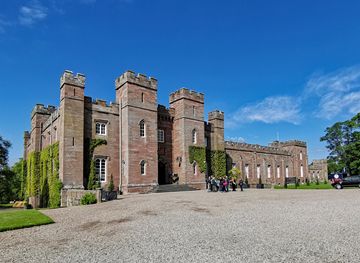


Your all‑in‑one travel companion app
Explore expert travel guides, compare and book tours, experiences, hotels, and more—all from the palm of your hand. Download now for seamless trip planning wherever your wanderlust takes you.


Explore More of United Kingdom

Looking beyond Scotland? Discover United Kingdom for broader travel guides, local hot-spots, and regional highlights.
Explore United KingdomScotland in Photos
Browse through our photo collection highlighting the charm and character of the destination.
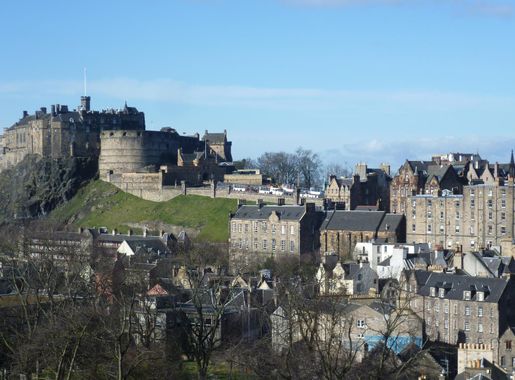


Scotland: A Land of Enchantment and History
Scotland, a part of the United Kingdom, is known for its stunning landscapes, rich history, and vibrant culture. From the rugged Highlands to the serene lochs and bustling cities, Scotland offers a diverse range of experiences for tourists. Whether you're a history buff, a nature enthusiast, or a fan of whisky, Scotland has something to offer. Edinburgh, the capital city, is a must-see with its historic and architectural marvels like the Edinburgh Castle and the Royal Mile. The city's annual festivals, including the Edinburgh Festival Fringe, attract visitors from around the world. Glasgow, another major city, is known for its lively arts scene, impressive museums, and friendly locals. For those who love the great outdoors, the Scottish Highlands are a paradise. The region is characterized by its dramatic scenery, including Ben Nevis, the highest peak in the UK, and the mysterious Loch Ness. The Isle of Skye, with its rugged coastline and quaint villages, is another highlight that shouldn't be missed. Scotland is also famous for its whisky, and no visit would be complete without touring a distillery. The Speyside region, in particular, is known for its concentration of distilleries. Additionally, traditional Scottish music and dance can be enjoyed at local pubs and events, providing a glimpse into the country's rich cultural heritage.