

Glasgow Science Centre Tower Travel Guide
Free Guide: Scotland's tallest rotating tower offers panoramic Clyde views and innovative engineering on the Pacific Quay.


A brief summary of Glasgow Science Centre Tower
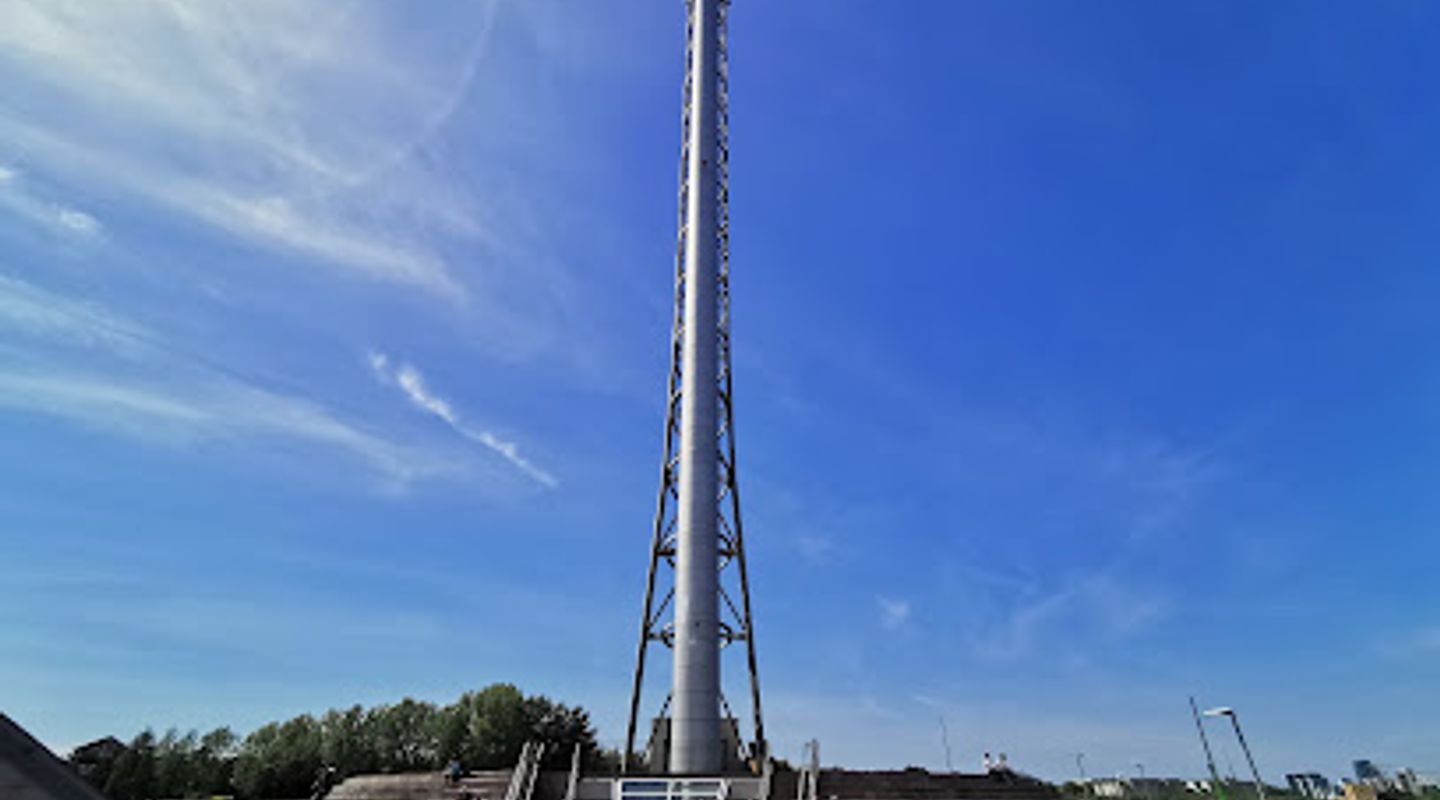
Scotland's tallest rotating tower offers panoramic Clyde views and innovative engineering on the Pacific Quay.
Rising 127 metres above the Clyde, Glasgow Tower is Scotland's tallest free-standing structure and a marvel of rotating engineering. This iconic landmark at Glasgow Science Centre offers a 2.5-minute journey to a cabin with panoramic views across Glasgow, the river, and surrounding landscapes. The tower's revolutionary design allows it to rotate with the wind, creating a unique experience. Access includes an interactive ground-level exhibition featuring Glasgow's history, archive imagery, and a five-metre touchscreen map of the Clyde.
On-site amenities
 Restrooms
 Drink options
 Food options
 Seating areas
 Information boards
 Visitor centre
Opening hours
- Every day10 am–5 pm
Opening hours as listed on the venue’s Google Business Profile. Hours can change for services and special events, so check with the venue before you go.
- Address
- 50 Pacific Quay, Glasgow G51 1DA
- Phone
- Website
Getting there
Bus
Subway
Car
Walking
Discover more about Glasgow Science Centre Tower
A Revolutionary Structure on the Clyde
Glasgow Tower stands as a world-first engineering achievement, designed to move with the wind rather than resist it. At 127 metres tall, it holds the distinction of being Scotland's tallest free-standing building. The tower's innovative rotating mechanism is a testament to modern engineering, and visitors begin their experience at ground level where knowledgeable staff explain the complex science and design principles behind this iconic structure. The building's distinctive metal skin and contemporary form have made it one of Glasgow's most recognizable modern landmarks, dominating the skyline of the Pacific Quay development.
Journey Through Time and Space
Before ascending, visitors pass through an immersive timeline tunnel showcasing key events in Glasgow's history over the past century using archive images and multimedia displays. This contextual introduction enriches the experience by connecting the tower to the city's broader narrative. A five-metre-long interactive map of the Clyde features touchscreens where visitors can explore historic footage and photographs documenting how the local area has transformed over the decades. This ground-level exhibition ensures that even those unable to reach the cabin can engage meaningfully with the site's heritage and significance.
The Ascent and Panoramic Views
The 2.5-minute journey to the tower cabin via a glass-fronted lift provides ascending views of Glasgow and the Clyde. Upon arrival at the cabin, visitors are rewarded with unrivalled panoramic vistas stretching across the city, the river valley, and the landscapes beyond. On clear days, the views are particularly striking, allowing visitors to identify major landmarks and understand Glasgow's geography and urban layout from this elevated vantage point. The cabin's design maximizes visibility, though the tower's gentle swaying motion—a natural consequence of its wind-responsive engineering—may be noticeable in breezy conditions.
Engineering Marvel and Safety Considerations
The tower's ability to rotate with the wind is both its defining feature and a practical safety mechanism. Wind speeds exceeding 25 mph at cabin height trigger closure to protect visitors. In emergencies or if wind conditions deteriorate while visitors are in the cabin, evacuation occurs via a 523-step spiral staircase. This safety requirement means visitors must be able to descend the stairs unaided, which may restrict access for those with limited mobility, expectant mothers, individuals with underlying health conditions, or young children. The centre encourages anyone with concerns about stair descent to contact staff in advance.
Seasonal Operation and Visitor Experience
Glasgow Tower operates seasonally during the summer months when weather conditions are most favourable. The experience is weather-dependent, and closure due to wind or poor visibility is not uncommon in Glasgow's maritime climate. Visitors planning a trip should check conditions in advance and allow flexibility in their itinerary. For those unable to access the cabin, the ground-level exhibition provides substantial educational and historical content at no additional cost, ensuring the visit remains worthwhile regardless of tower access.
Integration with Glasgow Science Centre
The tower forms part of the broader Glasgow Science Centre complex, which includes the Science Mall with interactive exhibits, an IMAX cinema, a planetarium, and a science show theatre. Visitors can purchase tower tickets as an add-on to a Science Mall ticket or as a standalone experience, making it flexible for those with varying interests and time constraints.
Evendo Review Centre
 Google
Guest reviews
Best time to go
Quietest: Jan, Feb & Nov · before 9am or from 7pm
Busy times are Evendo estimates for a typical year, to help you plan. Actual crowds vary with events, school holidays and the weather.
Explore Glasgow Science Centre Tower on the map
A handpicked selection of must-see spots near Glasgow Science Centre Tower, mapped for you.
Get your free copy of our complete guide to Glasgow Science Centre Tower, delivered straight to you.
Everything on this page, from opening hours and how to get there to Eve’s tips and the best time to go, in one PDF you can read offline, print or share.
Already have an account? Sign in
Your Glasgow Science Centre Tower guide is ready.
We'll send it to · Not you? Sign out

Getting your guide ready…
We are putting together a fresh copy of the Glasgow Science Centre Tower guide. This can take up to a minute.
This can take a few moments. If your browser asks, choose Allow so the download can start. You'll find the guide in your Downloads folder.
Nothing happened? Download it again
Sorry, the guide is taking longer than usual. Please try again in a minute, or get it by email instead.
Unlock the best of Glasgow Science Centre Tower
Skip-the-line tickets, guided tours with entry, and walking tours of the area, booked in a few clicks.


Other nearby places you may find interesting
The closest places of the same kind, if this one is not quite what you had in mind.
-
-
-
-
-


Swipe for more places
More to explore near Glasgow Science Centre Tower
-
 Best experiences near Glasgow Science Centre Tower
-
 Best hotels near Glasgow Science Centre Tower
-
 Best landmarks near Glasgow Science Centre Tower
-
 Best attractions near Glasgow Science Centre Tower
-
 Best shops near Glasgow Science Centre Tower
-
 Best restaurants near Glasgow Science Centre Tower
-
 Best bars near Glasgow Science Centre Tower


Do you manage this location?
Take control to get all the benefits, like improved information, better appearance, and stronger visibility across AI-powered discovery.
Explore more
Explore more of Scotland
Discover the magic of Scotland: stunning landscapes, historic castles, vibrant cities, and world-famous whisky. An unforgettable journey awaits in this enchanting land.
Explore Scotland
Explore more of United Kingdom
Discover the United Kingdom: A blend of rich history, stunning landscapes, and vibrant cities, offering a unique travel experience for every visitor.
Explore United Kingdom
