Mercat Cross, Scotland Travel Guide
Historic octagonal monument on Edinburgh’s Royal Mile, symbolizing centuries of market life, royal proclamations, and civic heritage.
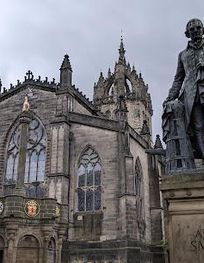
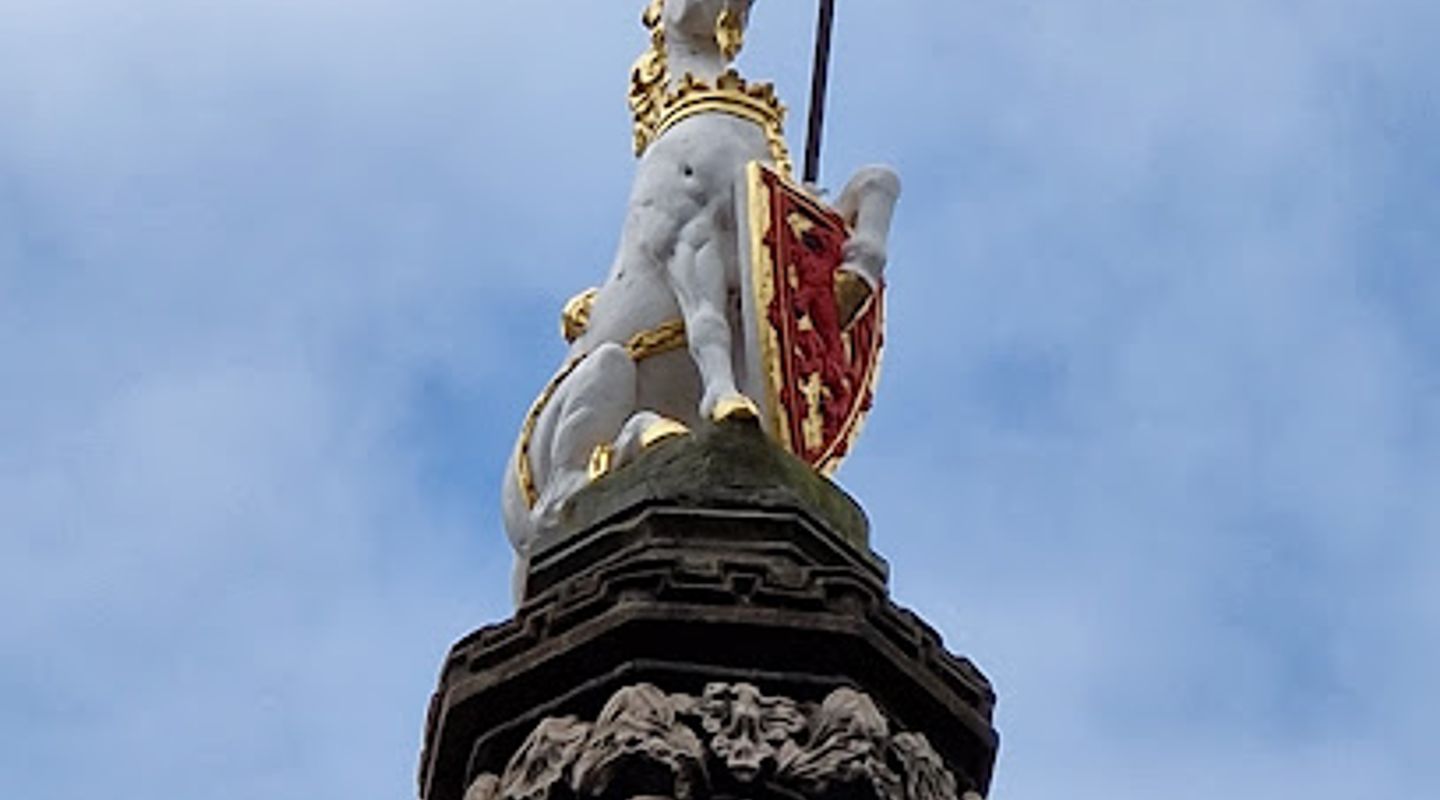
Edinburgh's Mercat Cross, situated on the Royal Mile outside St Giles’ Cathedral, is a historic monument symbolizing the city's medieval market heritage and civic importance. Originally established in 1365 and rebuilt in 1885 using parts of the 1617 cross, it served as a site for royal proclamations, public announcements, and even punishments. The octagonal stone cross, topped by a unicorn holding the Scottish flag, remains a focal point of Edinburgh's Old Town, blending centuries of history with ongoing cultural significance.
A brief summary to Mercat Cross
- High St, Edinburgh, EH1 1RF, GB
- Click to display
- Duration: 0.5 to 1.5 hours
- Free
-
 Outdoor
- Mobile reception: 5 out of 5

Know before you go
Hi, I'm Eve. Here are a few practical things to know before exploring Mercat Cross.
- Visit early in the day to avoid crowds and capture the monument in soft morning light.
- Look for the Latin inscription on the base, composed by William Gladstone during the 19th-century restoration.
- Combine your visit with a tour starting at the Mercat Cross to explore Edinburgh’s Old Town history.
- Notice the unicorn atop the cross, a symbol of Scotland, added in the 19th century.
- Explore nearby St Giles’ Cathedral and other historic sites on the Royal Mile for a fuller cultural experience.
Do you manage this location?
Take control to get all the benefits, like improved information, better appearance, and stronger visibility across AI-powered discovery. Learn more about listing your business on Evendo
Activate your presenceOther nearby places you may find interesting
The closest places of the same kind, if this one is not quite what you had in mind.


Explore Mercat Cross on the Map
A handpicked selection of must-see spots near Mercat Cross, mapped for you.
Unlock the Best of Mercat Cross
Buy tickets
-
No tickets available
Book tours with entry


Getting There
-
Bus
Several Lothian Buses routes serve the Royal Mile area, with stops within a 5-10 minute walk of the Mercat Cross. Typical journey times from Edinburgh city center are 10-20 minutes. Tickets cost around £1.80-£2.00 GBP. Note that buses may be less frequent on weekends.
-
Tram
The Edinburgh Trams run from the airport to the city center, with stops near Princes Street, about a 15-minute walk from the Mercat Cross. Trams operate every 7-10 minutes during peak times, with tickets priced around £6.50 from the airport and £1.80-£3.50 within the city.
-
Walking
If staying in Edinburgh city center, walking to the Mercat Cross is straightforward and enjoyable, taking 10-20 minutes depending on your location. The terrain is mostly paved and accessible, with some cobblestone sections typical of the Old Town.
-
Taxi or Rideshare
Taxis and rideshare services like Uber are readily available throughout Edinburgh. A trip from the city center to the Mercat Cross typically takes 5-10 minutes, costing approximately £5-£10 GBP depending on traffic.
For the on-the-go comforts that matter to you
-
 Information Boards
-
 Seating Areas
-
 Trash Bins
Discover more about Mercat Cross
Origins and Historical Significance
The Mercat Cross in Edinburgh dates back to at least 1365, originally marking the site of the city's market and a place for merchants to trade. Its name derives from the Scots word 'mercat,' meaning market. The cross was not only a commercial hub but also a vital civic monument where royal proclamations, parliamentary announcements, and news of elections and monarch successions were publicly declared. Over the centuries, it became deeply embedded in the social and political fabric of Edinburgh, symbolizing the city's governance and public life.Architectural Evolution and Restoration
The cross was rebuilt in 1617 by master masons John Tailefer and John Mylne, featuring an octagonal base with eight medallions and incorporating elements of an earlier cross. This version stood until 1756 when it was demolished, with parts dispersed, including plaques now housed at Abbotsford House. In 1885, the cross was reconstructed near its current location outside St Giles’ Cathedral, reusing the original 14-foot shaft and topped by a unicorn statue from 1869, symbolizing Scotland. The base was funded by MP William Gladstone, who also composed the Latin inscription commemorating the restoration. Conservation efforts in 2018 further preserved its heraldic decorations and stonework, ensuring its endurance against weathering and pollution.The Cross as a Stage for Public Life
Throughout its history, the Mercat Cross has been a stage for Edinburgh’s public life, witnessing events from royal successions—such as the proclamation of Queen Elizabeth II in 1952 and King Charles III—to announcements marking the end of World War II. It was also a site of darker historical practices; in medieval times, it was used for public punishments, including the nailing of ears to the cross’s door as a form of shaming. Today, it stands as a symbol of Edinburgh’s rich and sometimes turbulent past.Cultural and Touristic Importance
Located in the heart of Edinburgh’s Old Town, a UNESCO World Heritage site, the Mercat Cross remains a popular landmark for visitors and locals alike. It is a favored photo spot and serves as a starting point for guided tours exploring the Royal Mile’s history. The tradition of public proclamation continues ceremonially, maintaining a link to centuries of civic customs. The cross’s proximity to St Giles’ Cathedral and other historic sites enhances its significance as a cultural and historical anchor in the city.Symbolism and Design Details
The Mercat Cross’s octagonal base and tall stone shaft are crowned by a unicorn holding the Scottish flag, a national emblem of Scotland. The medallions on the base represent royal arms and emblems, connecting the monument to Scotland’s monarchy and heritage. Its Latin inscription honors both the monument’s historical role and its restoration, reflecting the Victorian era’s reverence for Scotland’s past. The cross’s design and symbolism make it a distinctive and enduring icon of Edinburgh’s identity.Preservation and Legacy
The cross has undergone several conservation efforts to combat the effects of pollution and weathering, particularly given Edinburgh’s historical reputation as “Auld Reekie” for its smoky atmosphere. Recent restoration work has included stone repointing with traditional lime mortar and repainting of heraldic decorations, ensuring the monument’s structural integrity and visual prominence. The Mercat Cross continues to embody Edinburgh’s historical continuity, civic pride, and cultural heritage, standing as a testament to the city’s evolving story.












Your all‑in‑one travel companion app
Explore expert travel guides, compare and book tours, experiences, hotels, and more—all from the palm of your hand. Download now for seamless trip planning wherever your wanderlust takes you.


Explore More of Scotland
Looking beyond Mercat Cross? Discover Scotland for broader travel guides, local hot-spots, and regional highlights.
Explore Scotland