
City Square, Leeds: Historic Urban Heart and Architectural Landmark
Leeds’ historic City Square: a vibrant triangular piazza where heritage statues meet bustling urban life.
A Civic Space Born from Transformation
City Square emerged in the 1890s as part of a significant urban redevelopment that replaced the Cloth Hall and Quebec House with a grand public space and the new General Post Office building. This transformation marked Leeds’ transition from a town to a city, inspiring the creation of a formal piazza designed in the style of an Italian square. The triangular layout is defined by six streets meeting at its edges, creating a dynamic urban node just north of the railway station.Architectural and Sculptural Highlights
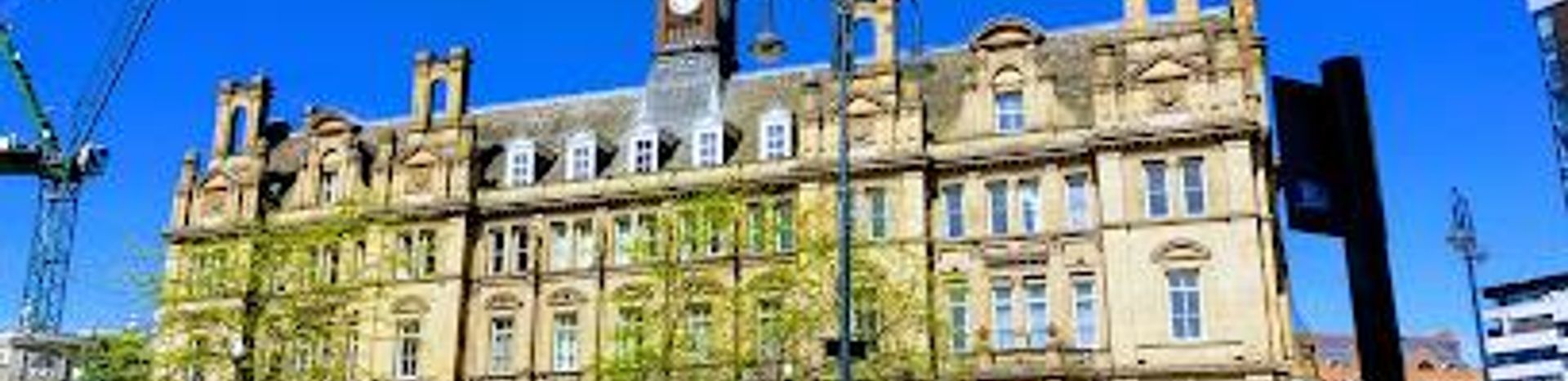
The square is dominated by the former General Post Office, the only building with direct frontage onto the plaza, showcasing late Victorian architecture. At its center stands the striking bronze statue of Edward, the Black Prince, mounted on horseback, sculpted by Thomas Brock. Although Edward’s direct connection to Leeds is uncertain, his commanding presence symbolizes chivalry and history. Surrounding him are statues of influential figures including engineer James Watt, philanthropist John Harrison, 19th-century vicar Walter Hook, and chemist Joseph Priestly, each celebrating Leeds’ rich industrial, scientific, and social heritage.A Hub of Urban Life and Connectivity
City Square functions as a vital junction in Leeds, linking key streets such as Park Row, Wellington Street, Infirmary Street, Boar Lane, Bishopsgate Street, and Quebec Street. Its proximity to Leeds railway station makes it a gateway to the city, bustling with pedestrian and vehicular traffic. The square’s open paved space contrasts with the surrounding historic and modern buildings, offering a place for social interaction, events, and a visual pause amid the city’s commercial energy.Recent Enhancements and Urban Renewal
In recent years, City Square has undergone improvements to enhance pedestrian accessibility and aesthetic appeal while respecting its historic character. These upgrades aim to balance the needs of a busy transport hub with the preservation of the square’s cultural significance. Nearby developments, including modern office buildings like City Square House, complement the area’s blend of heritage and contemporary urban life.Symbolism and Cultural Resonance
The statues and layout of City Square reflect Leeds’ identity as a city proud of its industrial innovation, philanthropy, and civic leadership. The presence of figures such as James Watt and Joseph Priestly highlights the city’s contributions to science and engineering, while Edward, the Black Prince, evokes a romanticized medieval past. This layering of history invites visitors to contemplate Leeds’ evolution from a market town to a thriving modern city.Experiencing City Square Today
Today, City Square remains a lively and essential part of Leeds city centre. Its open design offers a visual and social focal point amid the surrounding shopping districts, hotels, and transport connections. Visitors can appreciate the interplay of historic monuments and urban vitality, making it a memorable stop for those exploring Leeds’ heritage and contemporary culture.Local tips
- Visit during daylight hours to fully appreciate the detailed bronze statues and architectural features.
- Combine your visit with nearby attractions like Leeds railway station and the shopping areas around Park Row.
- Look out for the statue of Edward, the Black Prince, a central and iconic feature of the square.
- Explore the surrounding streets to discover historic buildings and vibrant city life.

A brief summary to City Square
- Leeds, GB
Getting There
-
Train
Leeds railway station is adjacent to City Square, making train travel the most convenient option. From the station, it’s a short 2-5 minute walk to the square. Train services connect Leeds with major UK cities including London, Manchester, and York. Ticket prices vary by route and booking time, typically ranging from £10 to £50.
-
Bus
Multiple bus lines serve stops within 300 meters of City Square, including routes from Leeds city centre and suburbs. Bus travel times vary from 10 to 30 minutes depending on origin. Single fares typically cost £2 to £4. Services operate frequently during the day but reduce in evenings and Sundays.
-
Car
Driving to City Square is possible but parking is limited and mostly metered or in nearby car parks. Expect to pay £3 to £6 per hour. Traffic congestion is common during peak hours. The area is best accessed outside rush times to avoid delays.
-
Walking
City Square is easily accessible on foot from Leeds city centre landmarks and the railway station. Walking times range from 5 to 20 minutes depending on starting point. The terrain is flat and suitable for all mobility levels.


