The Hollanders Graves, Shetland Travel Guide
A quiet cairn on Shetland’s wild west coast marks the burial place of Dutch sailors from the 1674 Battle of Ronas Voe, one of the islands’ earliest known war graves.
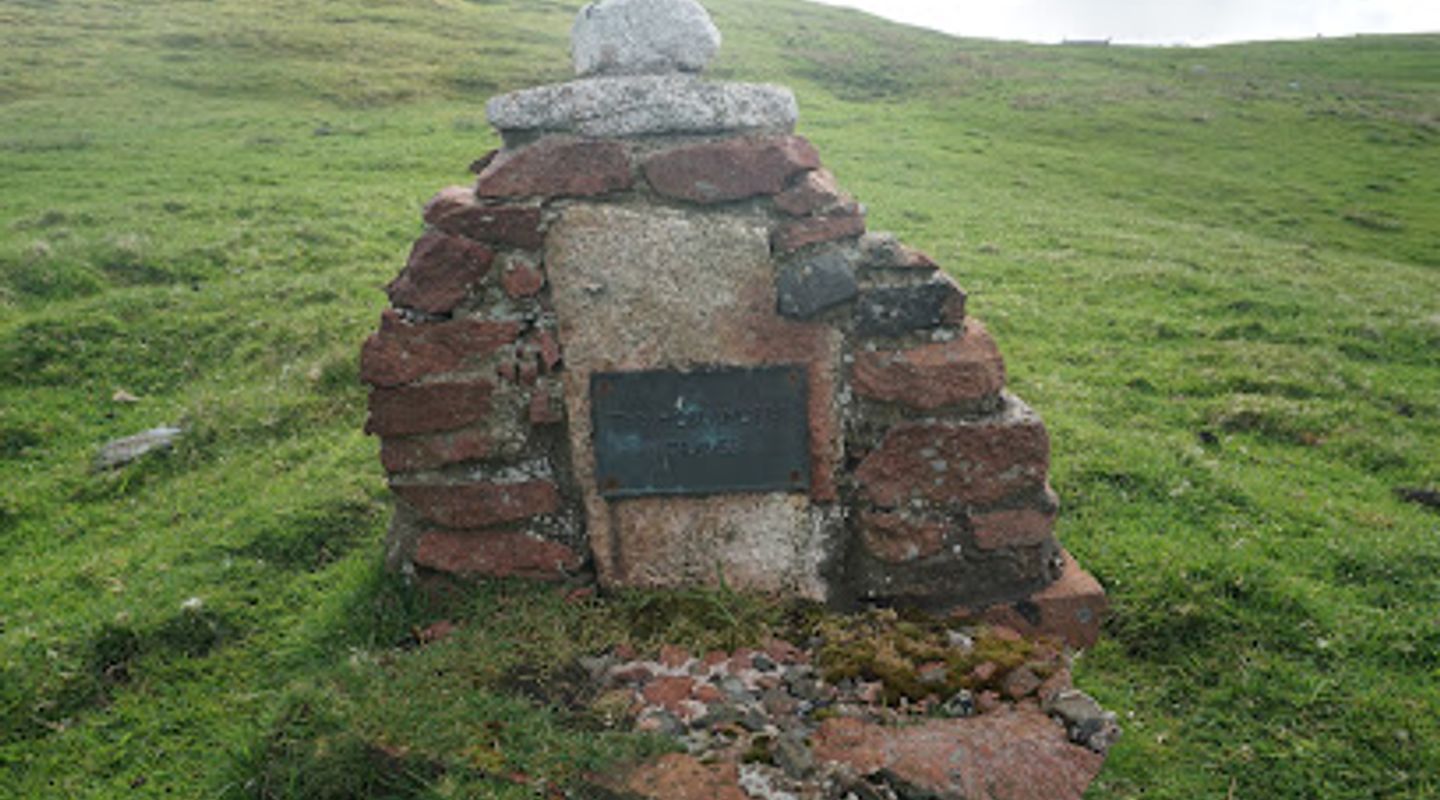
On the wild west coast of Shetland’s Northmavine peninsula, The Hollanders Graves mark a poignant mass burial site linked to the 1674 Battle of Ronas Voe. A small granite cairn and plaque commemorate Dutch sailors killed when the East Indiaman Wapen van Rotterdam was captured by English warships. The site lies on the shore near Heylor, overlooking Ronas Voe, and is thought to be Shetland’s earliest known war graves. Access is informal, via a short walk along the foreshore, and the atmosphere is quiet, reflective, and deeply historical.
A brief summary to The Hollanders Graves
- Shetland, Heylor, ZE2 9RL, GB
- Duration: 0.5 to 1.5 hours
- Free
-
 Outdoor
- Mobile reception: 3 out of 5

Know before you go
Hi, I'm Eve. Here are a few practical things to know before exploring The Hollanders Graves.
- Visit at low tide for easier access to the foreshore and clearer views of the surrounding coastline.
- Wear sturdy walking shoes and waterproof clothing; the path is rocky and can be slippery, especially in wet or windy conditions.
- Combine the visit with a walk along the shore of Ronas Voe or a look at nearby historical sites like South House in Heylor for a fuller sense of the area’s past.
Do you manage this location?
Take control to get all the benefits, like improved information, better appearance, and stronger visibility across AI-powered discovery. Learn more about listing your business on Evendo
Activate your presenceOther nearby places you may find interesting
The closest places of the same kind, if this one is not quite what you had in mind.

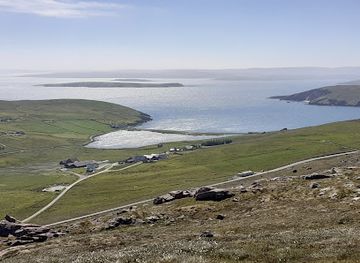
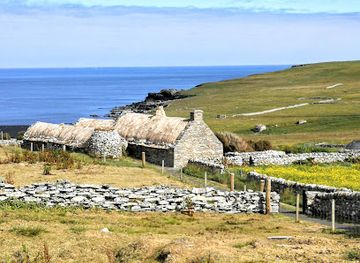
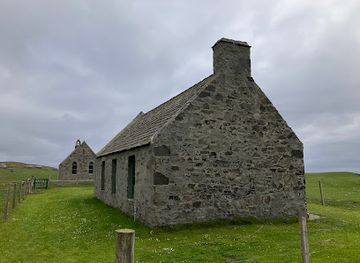
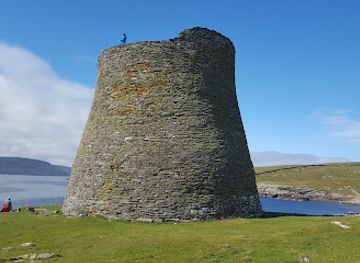
Explore The Hollanders Graves on the Map
A handpicked selection of must-see spots near The Hollanders Graves, mapped for you.
Getting There
-
Car
From Lerwick, follow the A970 north for about 30 km, then take the A971 west towards Hillswick. Continue to Heylor and look for the disused crab factory on the shore of Ronas Voe. Park nearby and walk along the foreshore towards the Blade to reach the gravesite, allowing 40–50 minutes total from Lerwick.
-
Walking
From Hillswick or Heylor, follow the coastal path southwest along Ronas Voe towards the disused crab factory. The gravesite is a short scramble along the shore from there, taking about 20–30 minutes on uneven, rocky ground.
-
Public Transport
Take a local bus from Lerwick to Hillswick or nearby North Roe, then walk southwest along the coast to Heylor and the voe shore. Allow 1–1.5 hours walking from the nearest bus stop, depending on tide and conditions.
For the on-the-go comforts that matter to you
-
 Seating Areas
-
 Trash Bins
Discover more about The Hollanders Graves
A Site of Quiet Remembrance
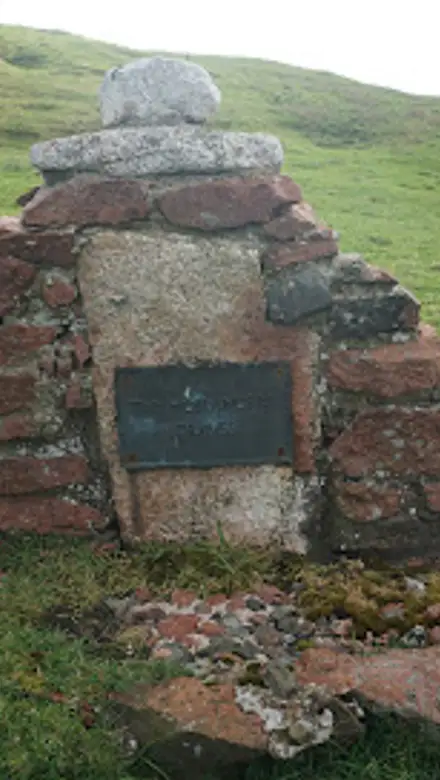
Tucked along the rocky shore of Ronas Voe in Northmavine, The Hollanders Graves is a modest but deeply moving memorial to a forgotten naval clash. A small granite cairn with a simple plaque reading "The Hollanders' Graves" marks the spot where local people buried Dutch sailors killed in the Battle of Ronas Voe in early 1674. The graves are believed to hold up to 300 men from the Dutch East Indiaman Wapen van Rotterdam, captured by English frigates in one of the final actions of the Third Anglo-Dutch War. Standing here, with the voe stretching out before you and the wind off the North Atlantic, the site feels like a quiet pause in a long, turbulent history.History of the Battle of Ronas Voe
In the winter of 1673–74, the Wapen van Rotterdam sought shelter in Ronas Voe, a deep, sheltered inlet on Shetland’s west coast. The ship had sailed from Texel but was stranded by southerly winds and a lack of suitable timber to repair its masts. During its stay, the crew traded Dutch gin, tobacco, and other goods with the local Shetlanders, many of whom had long-standing ties with Dutch fishermen and traders. When English warships arrived in February 1674, they attacked and captured the vessel, killing an unknown number of its crew. The dead were buried nearby by the people of Heylor, in what are now recognised as Shetland’s earliest known war graves.Place in Shetland’s Wider Story
The graves speak to Shetland’s role as a strategic North Atlantic anchorage during the Anglo-Dutch wars. Ronas Voe, like other voes around the islands, offered shelter to Dutch merchantmen and herring busses, making it a target for English naval forces. Yet the local population, accustomed to decades of peaceful contact with Dutch sailors, likely viewed these men more as trading partners than enemies. The Hollanders Graves thus stand not only as a war memorial but also as a reminder of the complex relationship between global conflicts and remote island communities. The site is part of a broader tapestry of Shetland’s maritime history, from Norse settlement to herring fleets and Arctic whaling.Visiting the Graves Today
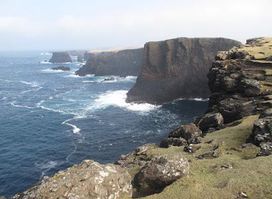
Today, The Hollanders Graves are a quiet, unassuming place, reached by a short walk along the foreshore from the disused crab factory at Heylor. There are no formal facilities or signposts, and access involves a bit of scrambling over rocky ground, especially at higher tides. The cairn and plaque are clearly visible, and the surrounding landscape – with Ronas Voe, the open sea, and the distant outline of Ronas Hill – adds to the sense of isolation and reflection. It’s a place best visited in calm weather, with sturdy footwear and a respect for the exposed coastal environment. The site is open year-round, but conditions can be challenging in winter or strong winds.Atmosphere and Experience
The mood at The Hollanders Graves is one of quiet contemplation. There are no crowds, no ticket barriers, just the sound of the sea and the wind. On a clear day, the light over Ronas Voe is sharp and clear; in the long summer evenings, the site takes on a haunting, almost timeless quality. It’s a place that invites slow walking, a few moments of silence, and perhaps a thought for the sailors who never made it home. For visitors interested in maritime history, archaeology, or simply off‑the‑beaten‑path sites, this is a powerful and authentic stop on a journey through Shetland’s past.












Your all‑in‑one travel companion app
Explore expert travel guides, compare and book tours, experiences, hotels, and more—all from the palm of your hand. Download now for seamless trip planning wherever your wanderlust takes you.


Explore More of Shetland
Looking beyond The Hollanders Graves? Discover Shetland for broader travel guides, local hot-spots, and regional highlights.
Explore Shetland