Blythswood Square: Georgian Elegance in the Heart of Glasgow
Discover Blythswood Square, Glasgow’s elegant Georgian oasis blending rich history, architectural grandeur, and vibrant urban charm in the city centre.
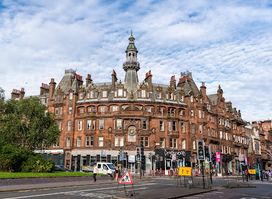
Blythswood Square is a distinguished Georgian square in central Glasgow, renowned for its elegant classical terraces and private gardens. Established in the early 19th century, it reflects the city’s Victorian-era wealth and architectural grandeur. Once home to elite townhouses, exclusive clubs, and notable historical events, the square today blends rich heritage with vibrant urban life, offering visitors a serene green oasis amid Glasgow’s bustling commercial district.
A brief summary to Blythswood Square
- Glasgow, GB
- Duration: 0.5 to 2 hours
- Free
-
 Outdoor
- Mobile reception: 5 out of 5

Know before you go
Hi, I'm Eve. Here are a few practical things to know before exploring Blythswood Square.
- Visit the central gardens for a peaceful break amid the city’s bustle and admire the classical Georgian terraces surrounding the square.
- Look for the Art Nouveau doorpiece at No. 5 Blythswood Square, designed by Charles Rennie Mackintosh, a highlight of the square’s artistic heritage.
- Explore the historical stories linked to the square, including the famous 1857 Madeleine Smith trial and the Royal Scottish Automobile Club legacy.
- Check for local events and markets held in the square, which bring a lively community atmosphere to this historic location.
Do you manage this location?
Take control to get all the benefits, like improved information, better appearance, and stronger visibility across AI-powered discovery. Learn more
Activate your presence
Getting There
-
Public Transport
Take the Glasgow Subway to Buchanan Street station, then walk approximately 10 minutes through city streets to reach Blythswood Square. Subway tickets cost around £1.50–£2.50, with frequent service every 5–10 minutes.
-
Bus
Several bus routes serve the city centre, including stops near Blythswood Square on Bath Street and West George Street. Travel times vary from 15 to 30 minutes depending on your starting point. Single fares typically range from £1.80 to £3.00.
-
Taxi or Rideshare
A taxi or rideshare from Glasgow Central Station to Blythswood Square takes about 5–10 minutes depending on traffic, with fares generally between £5 and £10. This option offers door-to-door convenience.
For the on-the-go comforts that matter to you
-
 Seating Areas
-
 Information Boards
-
 Restrooms
-
 Drink Options
-
 Food Options
Discover more about Blythswood Square
Origins and Architectural Vision
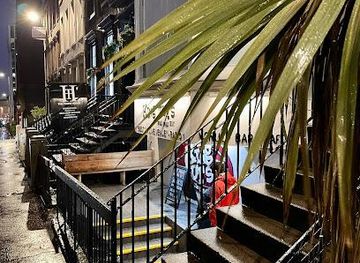
Blythswood Square was conceived in the early 1820s as part of Glasgow’s westward expansion. Originally a muddy loch known as Stobcross Dam, the area was transformed through the vision of architect William Harley and engineer Robert Black into an elegant urban square. Between 1823 and 1829, four identical classical Georgian terraces were constructed, forming a harmonious ensemble around a private central garden. The terraces feature sash and case windows, fluted Ionic porticos, and wrought iron railings, embodying the refined tastes of Glasgow’s Victorian elite.Historical Significance and Social Fabric
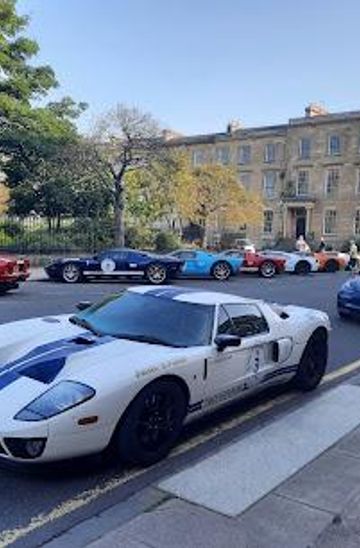
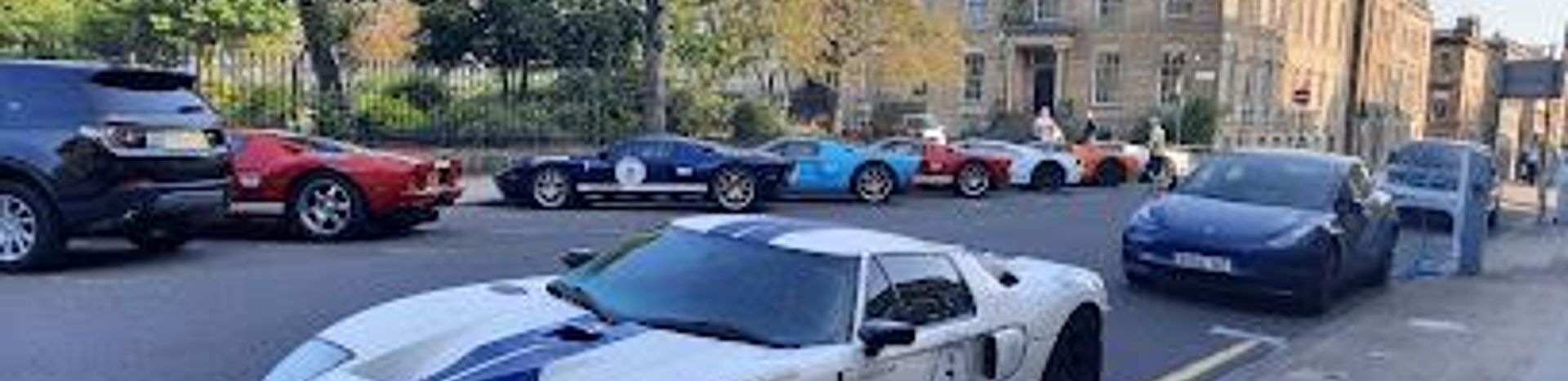
The square quickly became a prestigious address for Glasgow’s wealthy citizens. It was home to notable figures such as architect James Smith and witnessed sensational events, including the infamous 1857 murder trial of Madeleine Smith, which captivated Victorian society. In the late 19th and early 20th centuries, Blythswood Square evolved socially and functionally, hosting the Royal Scottish Automobile Club from 1901. This club was a hub for automobile enthusiasts and high society, adding a layer of cultural prestige to the square.Artistic Heritage and Charles Rennie Mackintosh’s Influence
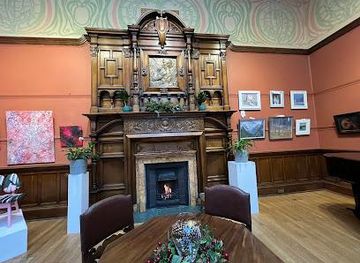
Blythswood Square also holds artistic significance, particularly through its association with the Glasgow Society of Lady Artists, established in 1893 at No. 5. This building features an Art Nouveau pedimented doorpiece designed by Charles Rennie Mackintosh, a pioneering architect and designer. Mackintosh’s work here, including interior alterations and decorative elements, contributes to the square’s architectural richness and connects it to Glasgow’s broader artistic heritage.Urban Transformation and Modern Revival
Over time, many original townhouses were converted into offices and commercial spaces, reflecting Glasgow’s changing urban landscape. By the late 20th century, the square faced decline, even becoming known for less reputable activities. However, recent regeneration efforts have restored Blythswood Square’s elegance and vibrancy. Today, it is a lively urban oasis hosting events, markets, and festivals, while preserving its historic charm and architectural integrity.Atmosphere and Visitor Experience
Visitors to Blythswood Square can enjoy a tranquil green space surrounded by grand Georgian architecture. The central gardens offer a peaceful retreat, while the square’s terraces showcase intricate period details and historical narratives. The blend of heritage and contemporary urban life makes it a unique destination for those interested in architecture, history, and Glasgow’s cultural evolution.Legacy and Cultural Resonance
Blythswood Square stands as a testament to Glasgow’s 19th-century ambitions and its resilience through social and economic changes. Its layers of history—from elite residences and artistic endeavors to automotive heritage and urban renewal—create a multifaceted story. The square continues to inspire with its architectural beauty and role as a dynamic city space, reflecting Glasgow’s spirit and ongoing narrative.Explore the best of what Blythswood Square has to offer













More about Stirling
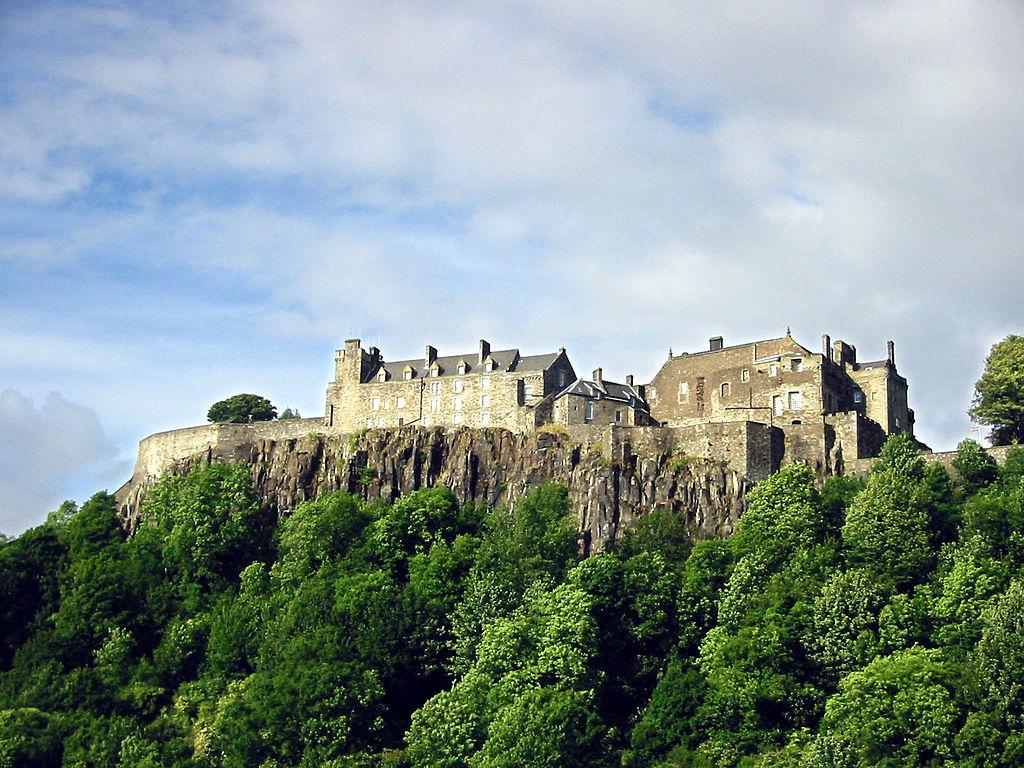
Discover Stirling: A city where history comes alive amidst stunning landscapes and cultural richness in the heart of Scotland.
Tell me more about Stirling