Cramond Roman Fort, Stirling Travel Guide
Explore the ancient Roman frontier at Cramond Roman Fort, a historic military site nestled by Edinburgh’s scenic Firth of Forth coastline.
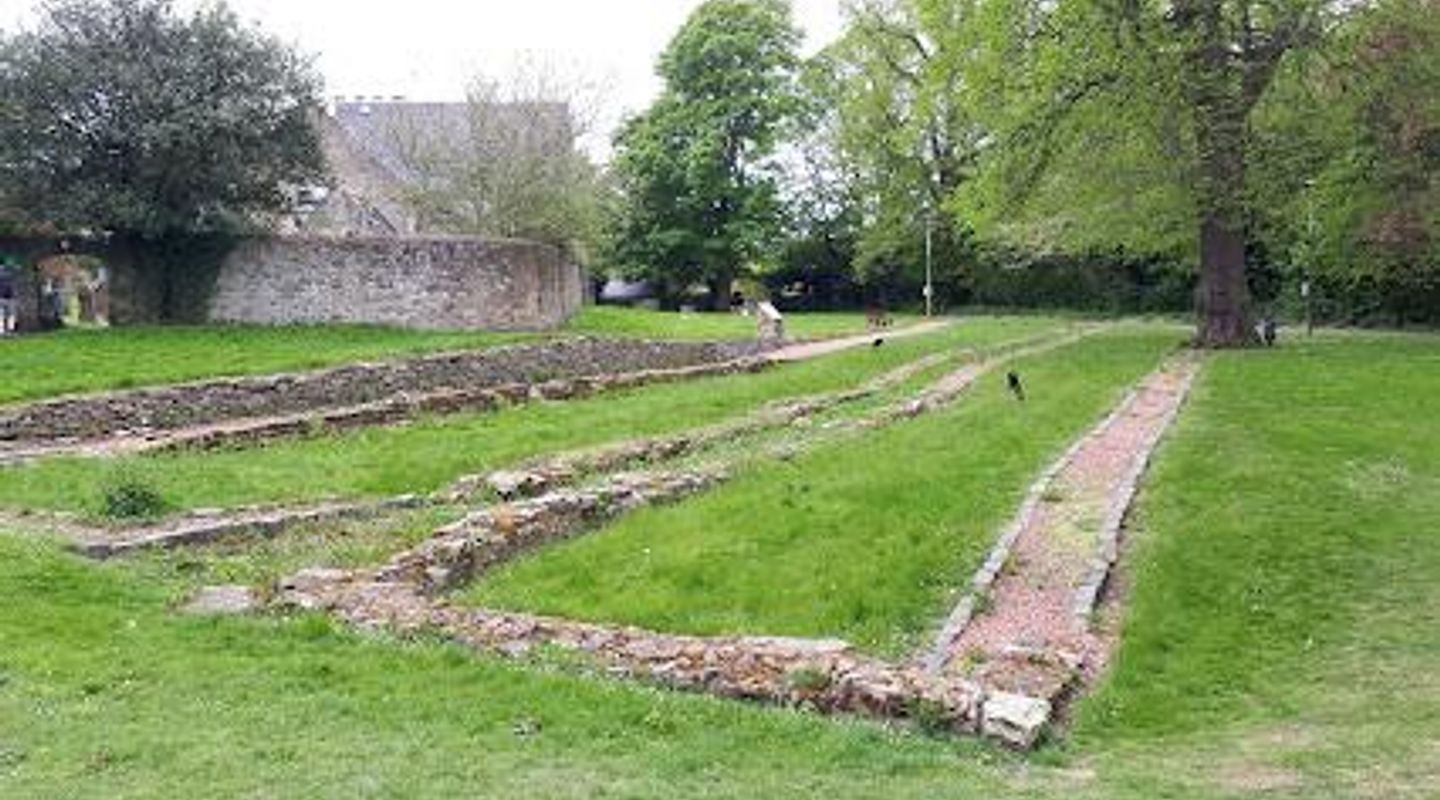
Cramond Roman Fort, located in the north-west of Edinburgh by the River Almond and Firth of Forth, is one of Scotland’s best-preserved Roman military sites. Established around AD 140 during the Antonine Wall campaigns, it served as a strategic supply base and defensive stronghold. Today, visitors can explore the remains of the fort, including a Roman bathhouse and the foundations of Cramond Kirk, set within a tranquil coastal village setting rich with history.
A brief summary to Cramond Roman Fort
- Kirk Cramond, Edinburgh, Cramond, EH4 6HZ, GB
- Duration: 1 to 2 hours
- Free
-
 Outdoor
- Mobile reception: 4 out of 5

Know before you go
Hi, I'm Eve. Here are a few practical things to know before exploring Cramond Roman Fort.
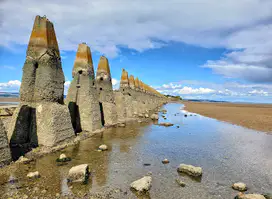
- Visit during low tide to safely explore the nearby Cramond Island causeway and enjoy extended coastal walks.
- Take time to visit Cramond Kirk, built on the fort’s command center foundations, to appreciate the site’s medieval legacy.
- Look for the Roman bathhouse remains near the car park, one of the best-preserved Roman structures in Scotland.
- Bring a camera to capture scenic views of the Firth of Forth and the historic village surroundings.
- Check local bus schedules for route 41 from Edinburgh city center for convenient public transport access.
Do you manage this location?
Take control to get all the benefits, like improved information, better appearance, and stronger visibility across AI-powered discovery. Learn more about listing your business on Evendo
Activate your presenceOther nearby places you may find interesting
The closest places of the same kind, if this one is not quite what you had in mind.
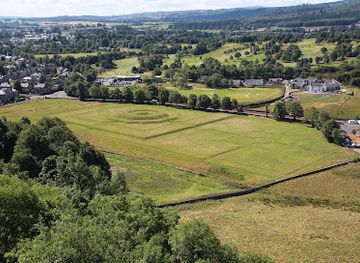
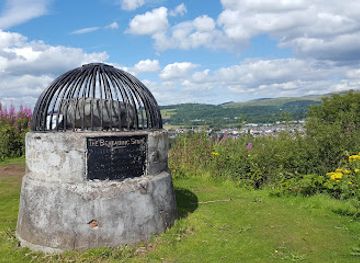
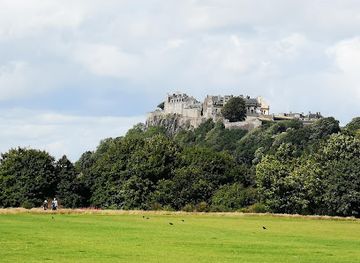
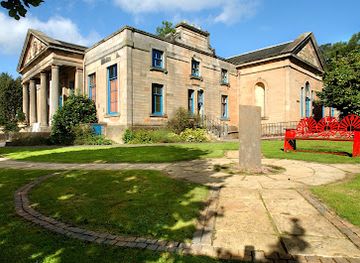
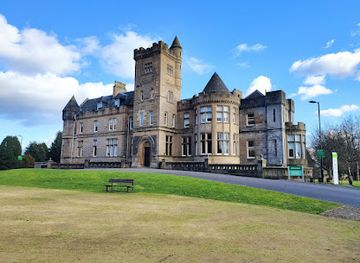
Explore Cramond Roman Fort on the Map
A handpicked selection of must-see spots near Cramond Roman Fort, mapped for you.
Unlock the Best of Cramond Roman Fort
Buy tickets
-
No tickets available
Book tours with entry

Book tours without entry
-
No tours available
Getting There
-
Bus
Take Lothian Bus route 41 from Edinburgh city center (Princess Street area) directly to Cramond village. The journey takes approximately 30 to 40 minutes. Buses run every 20 to 30 minutes. This is a convenient and affordable option with a single ticket costing around £1.70.
-
Car
Driving to Cramond Roman Fort from central Edinburgh takes about 20 minutes via the A90 and local roads. There is a free car park near the fort, but it can fill quickly on weekends and holidays. Parking is unrestricted but be prepared for limited spaces during peak times.
-
Walking
For active travelers, walking from central Edinburgh to Cramond is possible but takes around 1.5 to 2 hours along mostly flat terrain. The route follows urban and suburban streets and is suitable for most walkers, though not wheelchair accessible for the entire distance.
For the on-the-go comforts that matter to you
-
 Information Boards
-
 Seating Areas
-
 Trash Bins
Discover more about Cramond Roman Fort
Strategic Roman Stronghold on Scotland’s Northern Frontier
Cramond Roman Fort was established around AD 140 during the reign of Emperor Antoninus Pius as part of the Roman Empire’s northernmost expansion into Scotland. Positioned near the mouth of the River Almond on the Firth of Forth, it guarded a natural harbour and served as a vital supply base for the Antonine Wall, the empire’s frontier defensive line. The fort was constructed initially as an earth and timber camp but was soon rebuilt in stone, reflecting its importance as a military installation. It was occupied for about 30 years before the Romans retreated to Hadrian’s Wall around AD 170.The Severan Reoccupation and Civilian Settlement
In the early 3rd century AD, Roman Emperor Septimius Severus launched a campaign to reconquer parts of Scotland, leading to the reoccupation and enlargement of Cramond Fort around AD 208. During this period, the fort became a bustling military and logistical hub, with a large walled civilian settlement developing nearby. Archaeological remains include barracks, granaries, and notably one of Scotland’s best-preserved Roman bathhouses. The Severan occupation was brief, ending around AD 211–214, after which the Romans permanently withdrew from Scotland.Legacy Through the Ages: From Roman Fort to Christian Community
Following the Roman departure, the site of Cramond Fort continued to be significant for centuries. The foundations of the fort’s command center were repurposed in the early medieval period for the construction of Cramond Kirk, one of Scotland’s earliest Christian churches, dating back to around the 6th century. Evidence suggests intermittent occupation through the Dark Ages, including possible British and Anglo-Saxon presence. The reuse of Roman stones and continued settlement reflect the enduring legacy of the Roman presence in this area.Archaeological Highlights and Discoveries
Excavations at Cramond have revealed a wealth of artifacts and structural remains, including a carved stone lioness and the Eagle Rock carving—weathered Roman reliefs that testify to the fort’s historical significance. The bathhouse, discovered during 1970s excavations, offers a rare glimpse into Roman daily life in Scotland. Finds of ceramics, jewelry, and military pendants indicate a diverse community of soldiers and civilians, including possible Germanic auxiliaries serving under Roman command.Visiting Today: A Peaceful Historic Site by the Firth of Forth
Today, Cramond Roman Fort is set within a charming coastal village that blends tranquil natural beauty with deep historical roots. Visitors can walk among the earthworks and ruins, explore the nearby Cramond Kirk, and enjoy views over the Firth of Forth. Informative signage helps bring the site’s layered history to life. The peaceful atmosphere makes it an ideal spot for history enthusiasts and those seeking a scenic escape within Edinburgh’s outskirts.Connecting Past and Present in Edinburgh’s Coastal Landscape
Cramond Roman Fort stands as a tangible link between Scotland’s ancient past and its present-day cultural landscape. The site exemplifies the Roman Empire’s northern ambitions and the complex interactions between Romans and native peoples. Its preservation amidst a modern village highlights the importance of heritage conservation and offers visitors a unique opportunity to immerse themselves in nearly two millennia of history along the Firth of Forth.












Your all‑in‑one travel companion app
Explore expert travel guides, compare and book tours, experiences, hotels, and more—all from the palm of your hand. Download now for seamless trip planning wherever your wanderlust takes you.


Explore More of Stirling
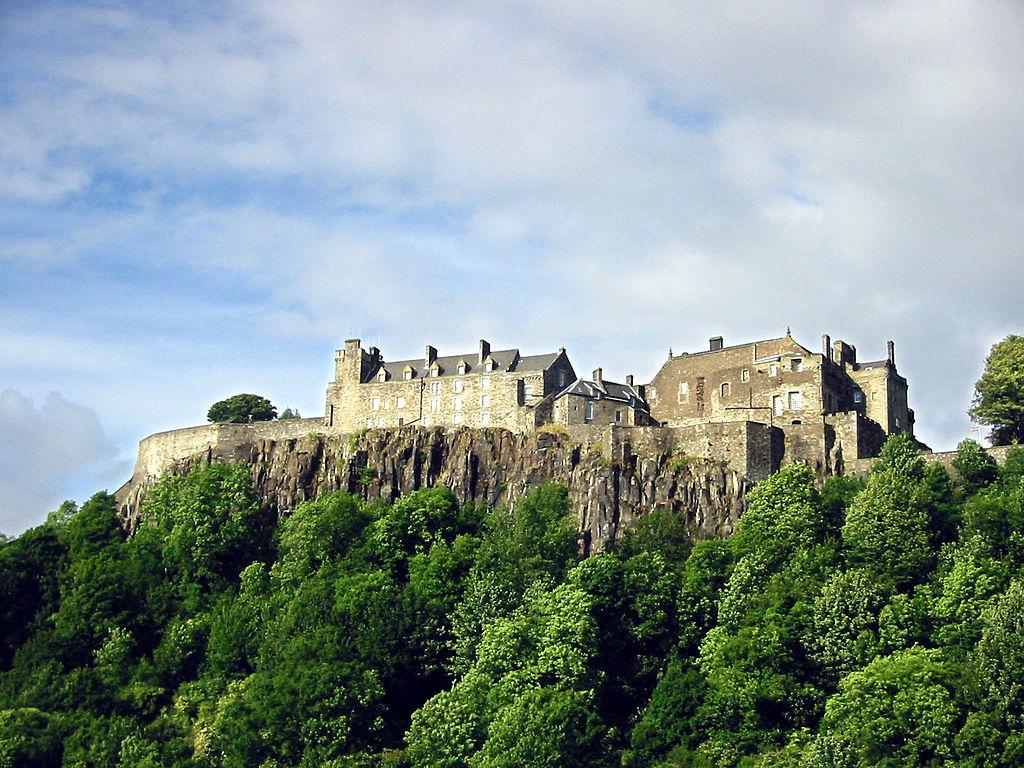
Looking beyond Cramond Roman Fort? Discover Stirling for broader travel guides, local hot-spots, and regional highlights.
Explore Stirling