

Sir Keith Park statue, Surrey Travel Guide
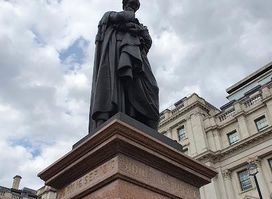
Honoring Air Chief Marshal Sir Keith Park, the Defender of London during WWII’s Battle of Britain, through a striking bronze statue in central London.
The Sir Keith Park statue in Waterloo Place, London, honors the New Zealand-born RAF Air Chief Marshal who played a pivotal role in the Battle of Britain during World War II. This bronze sculpture commemorates Park’s leadership in defending London and Southeast England from the Luftwaffe, symbolizing his enduring legacy as a war hero and strategic commander.
A brief summary to Sir Keith Park statue
- Waterloo Pl, London, GB
- Duration: 0.5 to 1.5 hours
- Free
-
 Outdoor
- Mobile reception: 5 out of 5

Know before you go
Hi, I'm Eve. Here are a few practical things to know before exploring Sir Keith Park statue.
- Visit during daylight hours to fully appreciate the statue’s details and the surrounding historic architecture.
- Combine your visit with nearby landmarks such as Trafalgar Square and The Mall for a comprehensive London historical experience.
- Look out for commemorative events on Battle of Britain Day, September 15, when ceremonies often take place.
- Explore the nearby replica of Sir Keith Park’s Hurricane aircraft for deeper context on his wartime service.
Do you manage this location?
Take control to get all the benefits, like improved information, better appearance, and stronger visibility across AI-powered discovery. Learn more about listing your business on Evendo
Activate your presenceOther nearby places you may find interesting
The closest places of the same kind, if this one is not quite what you had in mind.


Explore Sir Keith Park statue on the Map
A handpicked selection of must-see spots near Sir Keith Park statue, mapped for you.
Getting There
-
London Underground
Take the Piccadilly or Victoria Line to Green Park station, approximately a 10-15 minute walk to Waterloo Place. The station is well-served with frequent trains and step-free access available. No additional fare beyond standard London Underground charges.
-
Bus
Several London bus routes stop near Waterloo Place, including routes 9, 14, and 19. Travel times vary from 15 to 25 minutes depending on traffic. Buses accept contactless payment and Oyster cards; fares are typically £1.75 per journey.
-
Taxi or Ride-Hailing
A taxi or ride-hailing service from central London locations typically takes 10-20 minutes depending on traffic. Fares generally range from £8 to £15. Note that traffic congestion charges may apply during peak hours.
For the on-the-go comforts that matter to you
-
 Restrooms
-
 Drink Options
-
 Food Options
-
 Seating Areas
-
 Information Boards
Discover more about Sir Keith Park statue
A Hero Remembered in Bronze
The Sir Keith Park statue stands proudly in Waterloo Place, London, as a tribute to one of the most distinguished figures of the Second World War. Born in Thames, New Zealand, Park rose through the ranks of the Royal Air Force to command No. 11 Group during the critical Battle of Britain in 1940. His leadership was instrumental in defending London and the southeast of England against the German Luftwaffe’s aerial onslaught. The bronze statue captures his resolute spirit and commemorates his vital role in shaping the course of the war.Historical Significance of Sir Keith Park
Sir Keith Park’s military career spanned both World Wars, beginning with distinguished service as a fighter pilot in the First World War. However, it was his command during the Battle of Britain that cemented his legacy. Tasked with defending the capital and surrounding regions, Park’s tactical acumen and steadfast direction helped repel Hitler’s invasion plans. His efforts earned him the nickname “Defender of London” and recognition as one of New Zealand’s greatest military leaders. Beyond Britain, he also commanded the defence of Malta and Allied air operations in Southeast Asia.The Statue’s Artistic and Cultural Context
Unveiled on the 70th anniversary of the Battle of Britain in September 2010, the statue was sculpted by Joanne Sullivan, a noted artist responsible for other prominent New Zealand monuments. The 2.3-metre bronze figure stands in a dignified pose, symbolizing Park’s vigilance and leadership. It serves not only as a local London landmark but also as a reminder of the international contributions to the Allied war effort. The statue is situated near a full-sized replica of Park’s personal Hurricane aircraft, deepening the connection to his wartime service.Legacy and Commemoration
The statue is a focal point for remembrance ceremonies and educational efforts about the Battle of Britain. It honors the sacrifices of all Commonwealth airmen, including the over 130 New Zealanders who fought alongside British forces. The monument underscores the global significance of Park’s leadership and the broader Allied victory. Visitors encounter a powerful symbol of courage, strategy, and resilience, reflecting the enduring impact of Park’s contributions to freedom during one of history’s darkest hours.Atmosphere and Visitor Experience
Waterloo Place, with its historic and ceremonial surroundings, provides a fitting backdrop for the statue. The area’s elegant architecture and proximity to central London landmarks enhance the contemplative atmosphere. Visitors can appreciate the statue’s craftsmanship and the story it embodies amid the bustle of the city. The site invites reflection on the complexities of war, leadership, and international cooperation that defined the mid-20th century.Continuing Recognition and Educational Value
Beyond its commemorative function, the statue plays an educational role, inspiring interest in military history and the Battle of Britain’s strategic importance. It stands as a testament to how individual leadership can influence global events. The statue’s presence in London also highlights New Zealand’s significant contributions to the Allied war effort, fostering cross-cultural remembrance and historical awareness.












Your all‑in‑one travel companion app
Explore expert travel guides, compare and book tours, experiences, hotels, and more—all from the palm of your hand. Download now for seamless trip planning wherever your wanderlust takes you.


Explore More of Surrey
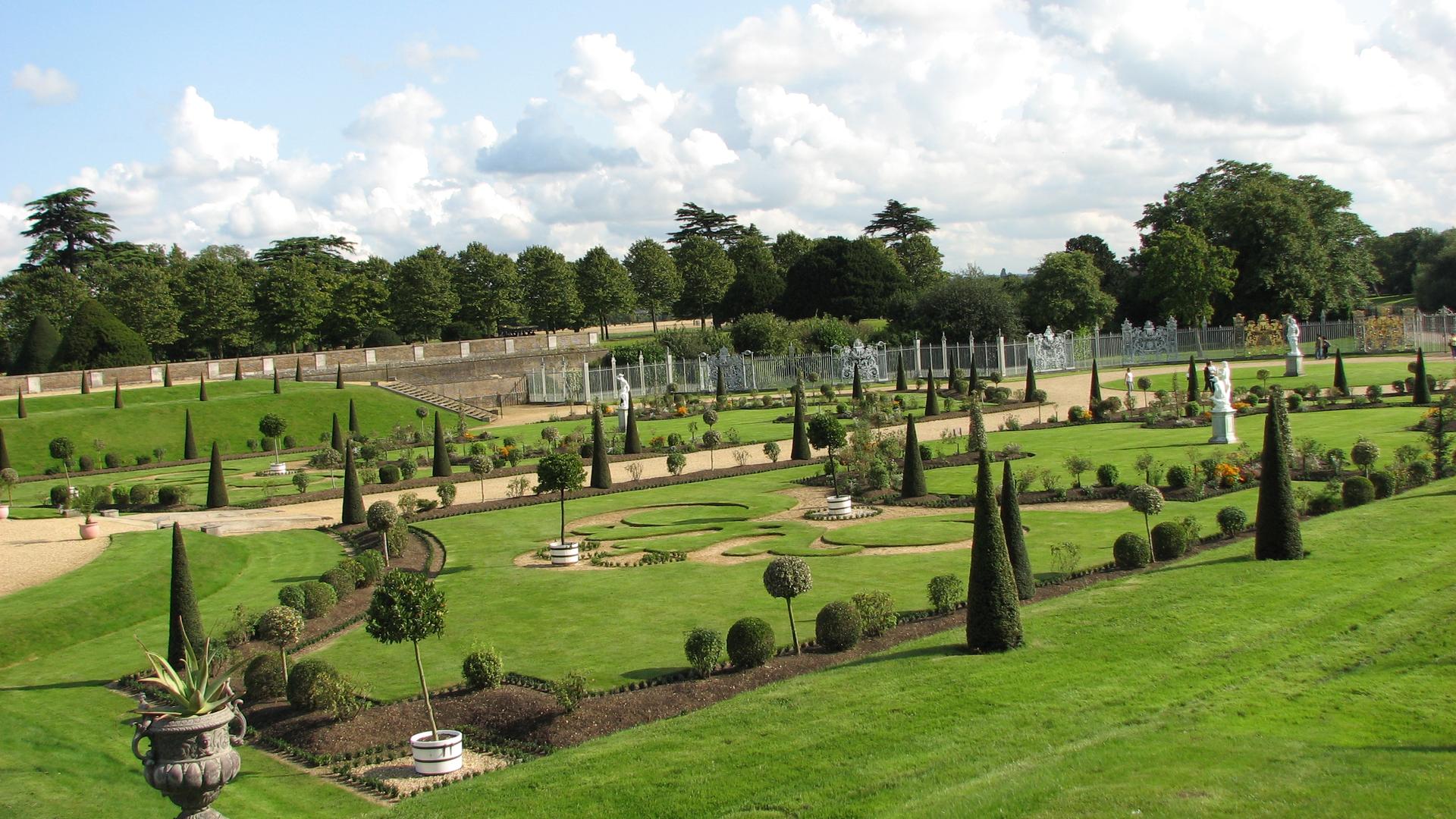
Looking beyond Sir Keith Park statue? Discover Surrey for broader travel guides, local hot-spots, and regional highlights.
Explore Surrey
Discover the electrifying nightlife at Tiger Tiger London, a premier nightclub offering diverse entertainment and unforgettable experiences in the heart of the city.
A formal Westminster street linking Piccadilly, St James’s and Trafalgar Square, with Nash-era lines, landmark views and constant central-London movement.
