

Free Surrey Travel Guide & Mobile App
Explore Surrey with free travel guides. Discover regional history, expert tips, proposed trips, and audio guides on web or mobile app.


Explore Surrey for wooded commons, North Downs walks, historic towns, country houses, gardens, vineyards and easy access from London.
Read more about Surrey
When is the best time to visit Surrey?
Best: June–August · 22–24°C| Month | High (°C) | Rainfall (mm) |
|---|---|---|
| January | 8 | 60 |
| February | 9 | 50 |
| March | 12 | 55 |
| April | 15 | 50 |
| May | 19 | 45 |
| June (best) | 22 | 40 |
| July (best) | 24 | 45 |
| August (best) | 24 | 50 |
| September | 20 | 55 |
| October | 15 | 60 |
| November | 10 | 65 |
| December | 8 | 70 |
Getting to and around Surrey
How to get there
Transportation
Top city travel guides in Surrey
The cities of Surrey, and the easiest places to base yourself.
-

-


Swipe for more cities
Best attractions in Surrey
Surrey's attractions combine accessible countryside with a substantial heritage estate tradition. The Surrey Hills provide the main outdoor focus, with walking and cycling around Box Hill, Leith Hill and the Devil's Punch Bowl, as well as heathland and woodland landscapes on the county's commons. The National Trust manages several important sites, including Polesden Lacey near Dorking, where a country-house collection and landscaped grounds overlook the Mole Valley. Loseley Park, close to Guildford, offers a different perspective on the county's historic estates. RHS Garden Wisley near Woking is a major destination for horticulture, with extensive planted landscapes and seasonal displays. Town-based attractions include Guildford Castle, Farnham Castle and museums exploring local life, art and industry. Brooklands Museum in Weybridge interprets the site's pioneering motor-racing and aviation history, while the sculpture and craft traditions around Farnham add a creative dimension. River walks, canal-side paths and vineyard visits broaden the choice, although rural sites are dispersed and often require advance planning.
-
Cultural landmark
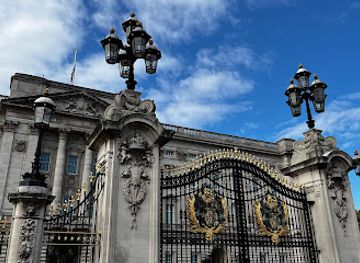
Buckingham Palace
Explore the grandeur and history of Buckingham Palace, the iconic London residence of the British monarch, open to visitors each summer.
-
Shopping Centre
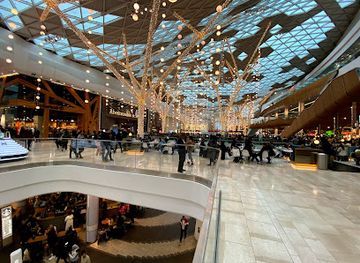
Westfield London
Westfield London blends premier shopping, festive events, and diverse dining in a vibrant Shepherd's Bush setting.
-
Anglican church
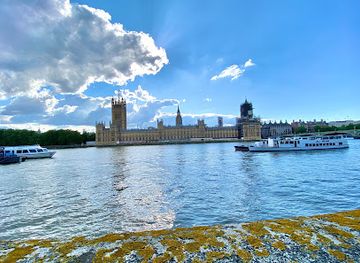
Westminster Abbey
Discover the majestic Westminster Abbey, the coronation church and resting place of Britain’s greatest monarchs and cultural icons.
-
Park and Garden
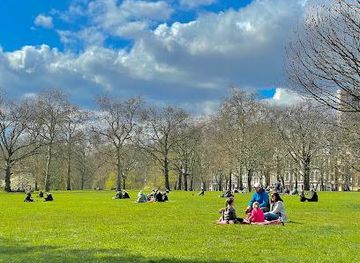
The Green Park
A tranquil Royal Park in central London offering peaceful lawns, historic memorials, and scenic views near Buckingham Palace.
Best landmarks in Surrey
The North Downs are Surrey's defining natural landmark, forming a long chalk ridge whose viewpoints and escarpments shape the county's identity. Box Hill is the most recognised section, rising above the Mole Valley with steep slopes, woodland and broad views. Leith Hill, the county's highest point, is marked by Leith Hill Tower, an eighteenth-century folly that has become a familiar feature of the landscape. Near Hindhead, the Devil's Punch Bowl is a large heathland hollow surrounded by ridges and walking routes. Guildford Castle's surviving keep recalls the town's medieval importance, while Farnham Castle represents the long ecclesiastical and political history of western Surrey. At Brooklands, the surviving banking and track landscape has international significance in motoring history. Smaller but valuable landmarks include the historic centre of Farnham, the River Wey navigation structures and the Tudor great hall at Loseley Park, each showing a different relationship between architecture, transport, landownership and the county's evolving economy.
-
Historical landmark
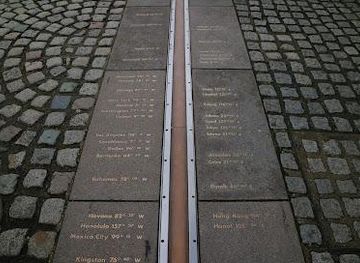
Prime Meridian
Stand on the historic Prime Meridian line at the Royal Observatory Greenwich, where east meets west and global time began.
-
Sculpture
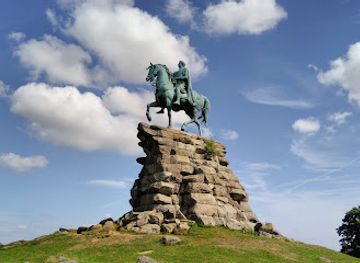
King George III & His Horse Statue
Majestic bronze statue of King George III atop Snow Hill, crowned by stunning views along Windsor Great Park’s historic Long Walk.
-
Historical landmark
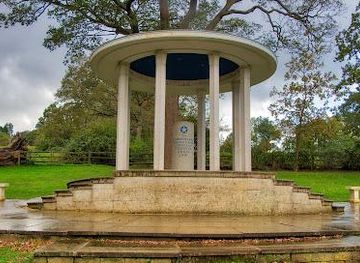
Magna Carta
Historic riverside meadow where Magna Carta was sealed in 1215, shaping the foundation of liberty and constitutional law.
-
Historical landmark
Queen Victoria Statue
A regal marble tribute to Queen Victoria, sculpted by her daughter, standing proudly in the gardens of her birthplace, Kensington Palace.

Explore Surrey on the map
Plan your trip on one map. See where the top cities, national parks and sights are, and book hotels and experiences in a few clicks.
Best hotels in Surrey
Best restaurants in Surrey
Surrey's dining scene reflects its position between London and the countryside. Market towns such as Guildford, Farnham, Dorking, Reigate and Godalming offer independent cafés, modern restaurants, traditional pubs and bakery counters, while rural districts are associated with village inns and estate-adjacent dining. Local produce commonly includes farm vegetables, apples, cheeses, meats and baked goods, with farm shops and regular producers' markets providing a useful way to explore the county's food economy. The Surrey Hills and surrounding slopes have a growing vineyard presence, and English sparkling wine is increasingly encountered alongside locally brewed beers and ciders. Menus are not always distinctively regional, but they often combine British seasonal cooking with international influences brought by the county's diverse population. Coastal seafood is not a local speciality, as Surrey is inland; restaurants serving it are drawing on national supply chains rather than a county fishing tradition.
-
Dessert
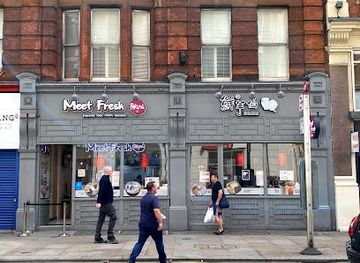
Meet Fresh
Discover authentic Taiwanese desserts and vibrant bubble teas in the heart of London’s Chinatown at Meet Fresh.
-
Restaurant
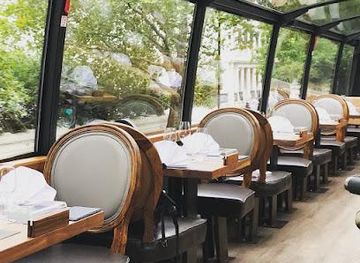
Bustronome London
Dine in style aboard a panoramic double-decker bus while cruising London’s iconic landmarks with gourmet cuisine and fine wines.
-
Chinese
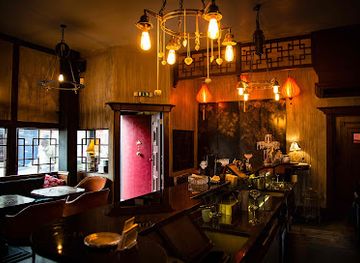
The Courtesan
Descend into Brixton's seductive underworld at The Courtesan: dim sum artistry, women-crafted cocktails, and burlesque cabaret in a velvet boudoir of ancient allure.
-
Fine dining
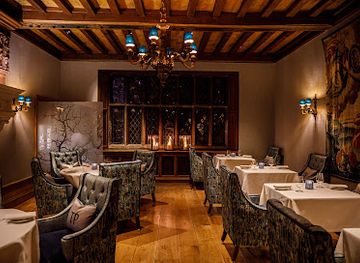
The Tudor Pass at Great Fosters
Exclusive Michelin-starred dining in a historic Tudor mansion with seasonal, locally sourced tasting menus and intimate service.
Best bars in Surrey
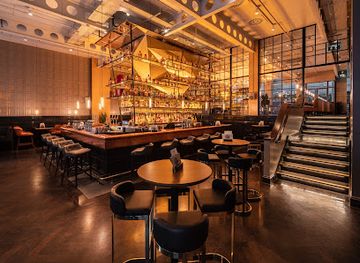
Evening life in Surrey is concentrated in its larger towns rather than spread across the countryside. Guildford has the broadest mix of pubs, wine bars, contemporary cocktail venues, live music and late-night entertainment, supported by its student population and theatre-going audience. Woking, Reigate, Farnham and Kingston-adjacent parts of the county offer smaller selections of pubs, restaurants and bars, while village nightlife generally centres on traditional pubs and occasional live music rather than clubs. Historic inns and riverside establishments are common settings for a quieter evening, and breweries or taprooms may feature local beer where available. Travellers should expect venues to vary considerably between towns and rural areas, with last transport connections an important consideration after nights out. Surrey's evening culture is therefore best approached through food, conversation, performance and local hospitality rather than assuming a major club scene throughout the county.
-
Wine bar
Gordon's Wine Bar
Step into London's oldest wine bar for a candlelit journey through history, exceptional wines, and timeless charm in a cozy cellar setting.
-
Bar
Turtle Bay Staines
Experience vibrant Caribbean flavors, tropical cocktails, and lively island vibes in the heart of Staines-upon-Thames.
-
Cocktail bar
The Alchemist Bevis Marks
Experience London’s theatrical cocktail haven blending molecular mixology with Victorian charm and all-day dining in Aldgate.
-
Pub
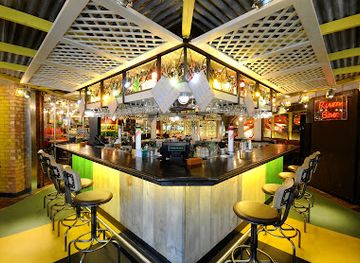
Mr Fogg's Tavern
Step into a Victorian-themed tavern in Covent Garden where inventive cocktails and hearty British fare meet immersive 19th-century charm.


Best nightclubs in Surrey
Evening life in Surrey is concentrated in its larger towns rather than spread across the countryside. Guildford has the broadest mix of pubs, wine bars, contemporary cocktail venues, live music and late-night entertainment, supported by its student population and theatre-going audience. Woking, Reigate, Farnham and Kingston-adjacent parts of the county offer smaller selections of pubs, restaurants and bars, while village nightlife generally centres on traditional pubs and occasional live music rather than clubs. Historic inns and riverside establishments are common settings for a quieter evening, and breweries or taprooms may feature local beer where available. Travellers should expect venues to vary considerably between towns and rural areas, with last transport connections an important consideration after nights out. Surrey's evening culture is therefore best approached through food, conversation, performance and local hospitality rather than assuming a major club scene throughout the county.
-
Nightclub
Ministry of Sound
Experience London’s iconic Ministry of Sound, where legendary DJs, state-of-the-art sound, and vibrant nightlife converge in a historic clubbing landmark.
-
Nightclub
Egg London Nightclub
Experience marathon house and techno sessions in a legendary Victorian warehouse nightclub with vibrant terraces and a 24-hour license.
-
Nightclub
Corsica Studios
Experience London’s underground music pulse at Corsica Studios, where intimate vibes meet exceptional sound beneath historic railway arches.
-
Nightclub
Fire Nightclub
Vauxhall’s sprawling LGBTQ+ nightclub, Fire pulses with marathon parties, diverse themed nights, and a vibrant dancefloor culture.



Best shops in Surrey
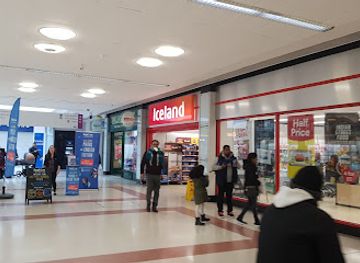
Shopping in Surrey is strongest in its established market towns and larger urban centres. Guildford combines a historic high street and pedestrianised retail areas with department stores, independent boutiques, cafés and specialist food shops, while Farnham is particularly associated with galleries, craft studios, antiques, design-led shops and its long-standing identity as a centre for pottery and creative education. Dorking and Reigate provide smaller high streets with independent retailers, booksellers, delicatessens and antique businesses. Woking has a more modern town-centre retail environment, useful for everyday shopping and larger commercial selections. Across the rural parts of the county, farm shops and estate shops sell local produce, preserves, wine, beer, cheeses and seasonal goods, making them more representative souvenirs than generic merchandise. Markets and fairs change by town and date, so visitors should check local arrangements before making a special journey.
-
Shopping Centre
Queensmere Observatory Shopping Centre
Slough’s central twin-mall shopping destination offering diverse retail, dining, entertainment, and community services in a convenient, accessible setting.
-
Shopping Centre
Elmsleigh Shopping Centre
A vibrant shopping hub in Staines-upon-Thames offering diverse stores, accessible facilities, and a lively community atmosphere.
-
Wine shop
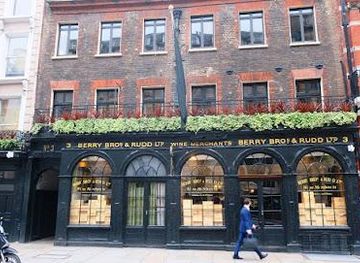
Berry Bros. & Rudd Wine Shop
London’s oldest family-run wine merchant since 1698, blending royal tradition with expert wine and spirits in a historic Pall Mall setting.
-
Chocolate shop
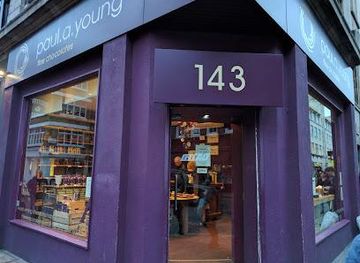
Paul A Young Fine Chocolates
Artisan chocolate craftsmanship in the heart of Soho, where award-winning sea salted caramels and inventive flavours await.

Get your free copy of our complete guide to Surrey, delivered straight to you.
Everything on this page, from attractions and restaurants to essentials and local phrases, in one PDF you can read offline, print or share.
Already have an account? Sign in
Your Surrey guide is ready.
We'll send it to · Not you? Sign out

Getting your guide ready…
We are putting together a fresh copy of the Surrey guide. This can take up to a minute.
This can take a few moments. If your browser asks, choose Allow so the download can start. You'll find the guide in your Downloads folder.
Nothing happened? Download it again
Sorry, the guide is taking longer than usual. Please try again in a minute, or get it by email instead.
Surrey essentials
Currency and Payment
Safety
Emergency Situations
Do's and Don'ts
Local Tips
From Eve
Local phrases worth knowing
You don't need to get them perfect. A few words go a long way, and locals appreciate the effort.
Basics
| English | Local | Say it |
|---|---|---|
| Hello | Hello | [həˈloʊ] |
| Goodbye | Goodbye | [ɡʊdˈbaɪ] |
| Yes | Yes | [jɛs] |
| No | No | [noʊ] |
| Please/You're welcome | Please/You're welcome | [pliːz/ jʊr ˈwɛlkəm] |
| Thank you | Thank you | [θæŋk ju] |
| Excuse me/Sorry | Excuse me/Sorry | [ɪkˈskjus mi/ˈsɔri] |
| How are you? | How are you? | [haʊ ɑr ju] |
| Fine. And you? | Fine. And you? | [faɪn. ənd ju] |
| Do you speak English? | Do you speak English? | [du jʊ spiːk ˈɪŋɡlɪʃ] |
| I don't understand | I don't understand | [aɪ doʊnt ˌʌndərˈstænd] |
Eating & Drinking
| English | Local | Say it |
|---|---|---|
| I'd like to see the menu, please | I'd like to see the menu, please | [aɪd laɪk tə si ðə ˈmɛnju, pliz] |
| I don't eat meat | I don't eat meat | [aɪ doʊnt iːt miːt] |
| Cheers! | Cheers! | [tʃɪrz] |
| I would like to pay, please | I would like to pay, please | [aɪ wʊd laɪk tə peɪ, pliz] |
Emergencies
| English | Local | Say it |
|---|---|---|
| Help! | Help! | [hɛlp] |
| Go away! | Go away! | [ɡoʊ əˈweɪ] |
| Call the Police! | Call the Police! | [kɔl ðə pəˈlis] |
| Call a doctor! | Call a doctor! | [kɔl ə ˈdɑktər] |
| I'm lost | I'm lost | [aɪm lɔst] |
| I'm ill | I'm ill | [aɪm ɪl] |
Shopping
| English | Local | Say it |
|---|---|---|
| I'd like to buy... | I'd like to buy... | [aɪd laɪk tə baɪ...] |
| I'm just looking | I'm just looking | [aɪm dʒʌst ˈlʊkɪŋ] |
| How much is it? | How much is it? | [haʊ mʌtʃ ɪz ɪt] |
| That's too expensive | That's too expensive | [ðæts tuː ɪkˈspɛnsɪv] |
| Can you lower the price? | Can you lower the price? | [kæn ju ˈloʊər ðə praɪs] |
Time & Numbers
| English | Local | Say it |
|---|---|---|
| What time is it? | What time is it? | [wɑt taɪm ɪz ɪt] |
| It's one o'clock | It's one o'clock | [ɪts wʌn əˈklɑk] |
| Half past (10) | Half past (10) | [hæf pæst (10)] |
| Morning | Morning | [ˈmɔrnɪŋ] |
| Afternoon | Afternoon | [ˌæftərˈnun] |
| Evening | Evening | [ˈivnɪŋ] |
| Yesterday | Yesterday | [ˈjɛstərdeɪ] |
| Today | Today | [təˈdeɪ] |
| Tomorrow | Tomorrow | [təˈmɔroʊ] |
| 1 | 1 | [wʌn] |
| 2 | 2 | [tu] |
| 3 | 3 | [θri] |
| 4 | 4 | [fɔr] |
| 5 | 5 | [faɪv] |
| 6 | 6 | [sɪks] |
| 7 | 7 | [sɛvən] |
| 8 | 8 | [eɪt] |
| 9 | 9 | [naɪn] |
| 10 | 10 | [tɛn] |
Transport & Directions
| English | Local | Say it |
|---|---|---|
| Where's a/the...? | Where's a/the...? | [wɛrz ə/ðə...?] |
| What's the address? | What's the address? | [wɑts ðə əˈdrɛs] |
| Can you show me (on the map)? | Can you show me (on the map)? | [kæn ju ʃoʊ mi (ɒn ðə mæp)?] |
| When's the next (bus)? | When's the next (bus)? | [wɛn's ðə nɛkst (bʌs)?] |
| A ticket (to ....) | A ticket (to ....) | [ə ˈtɪkɪt (tə ....)] |
History of Surrey
Prehistoric Surrey and the North Downs
Surrey's chalk downs, heaths and river valleys have been occupied since prehistoric times. Bronze Age barrows, earthworks and ancient trackways survive in scattered parts of the county, while the elevated North Downs offered defensible positions and clear routes across southern England. The landscape was not an untouched wilderness: woodland clearance, grazing and cultivation gradually created the mixture of commons, fields and wooded ridges that remains characteristic today. Archaeological evidence is especially important because it reveals a long relationship between communities and the county's varied geology, from chalk escarpments to sandy heathland.
Roman Roads and Settlements
Roman control brought new roads and administrative connections to the area, including routes crossing the North Downs and linking settlements around the Thames and southern coast. The settlement at Staines, now in neighbouring Surrey's historic context but outside the present county boundary, illustrates the wider Roman network; within modern Surrey, evidence of Roman occupation includes roads, villas and industrial activity. Guildford's position beside the River Wey also benefited from its location within this broader system. Roman influence did not erase existing communities, but it altered trade, land use and communications across the region.
Medieval Guildford and the County Landscape
After the Norman Conquest, Guildford became an important royal and administrative centre. Guildford Castle, founded soon after 1066 and later developed in stone, formed part of a network of fortifications supporting royal authority in southern England. Medieval churches, manors and market settlements also shaped places such as Farnham, Reigate and Woking. The wool trade, agriculture and woodland resources supported local economies, while the River Wey provided a natural corridor. Many of Surrey's modern towns still reflect this medieval pattern of market centres, parish settlements and estates.
Farnham Castle and Tudor Surrey
Farnham Castle was rebuilt and enlarged over centuries by the bishops of Winchester, whose administrative influence made western Surrey an important ecclesiastical and commercial area. Tudor prosperity is also visible in surviving timber-framed buildings and country houses, including the great hall at Loseley Park near Guildford. The county's proximity to London and the royal court brought landowners, officials and wealthy families into Surrey, accelerating the development of substantial estates. These estates shaped parks, woodland and agricultural land, many elements of which remain visible in the modern countryside.
The River Wey, Canals and Industrial Change
The River Wey became navigable between Weybridge and Guildford in the seventeenth century, linking the county to the Thames and improving the movement of timber, grain and other goods. The Wey and Arun Canal later extended the waterway network southwards, though it was never as commercially successful as some canal systems and is now being restored in sections. Water transport helped introduce new industries and markets, while mills and small manufacturing enterprises grew along the river. The waterways remain an important part of Surrey's industrial and recreational heritage.
Railways, Commuting and the Modern County
Nineteenth-century railway construction transformed Surrey's relationship with London. Lines through places such as Woking, Guildford, Reigate and Dorking encouraged commuting, suburban growth and the development of new civic institutions. Towns that had previously depended mainly on local agriculture and trade acquired faster links to the capital, while estates and commons came under increasing pressure from development. The county's present identity—part metropolitan fringe, part rural landscape—owes much to this transition. Railways also made Surrey's countryside more accessible to day visitors, a pattern that continues today.
Motoring, Science and Cultural Life in the Twentieth Century
Surrey became associated with several twentieth-century developments that reached beyond its county boundaries. Brooklands in Weybridge opened in 1907 as the world's first purpose-built motor-racing circuit and later became important in aircraft manufacture. The county also attracted researchers, artists, writers and performers, benefiting from its proximity to London and its combination of open land and established institutions. H. G. Wells lived in Woking, whose Martian Tripod has become a modern cultural reference point. These connections add industry, literature and popular culture to Surrey's older agricultural and aristocratic history.
Surrey in Photos
Browse through our photo collection highlighting the charm and character of the destination.
Neighbouring regions of Surrey
The closest regions to Surrey, if you have time for more than one.
-

-
-

-

-


Swipe for more regions
Explore more

Explore more of United Kingdom
Discover the United Kingdom: A blend of rich history, stunning landscapes, and vibrant cities, offering a unique travel experience for every visitor.
Explore United Kingdom