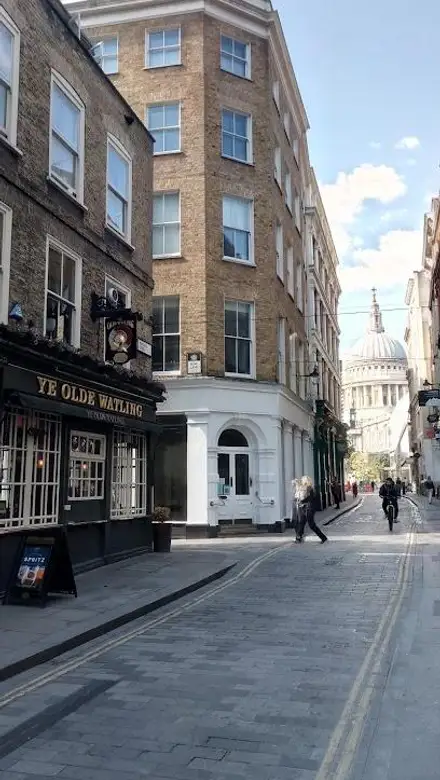
Watling St Travel Guide
Free Guide: Walk along Watling Street, London’s ancient Roman road linking history, battles, and modern life in a single enduring route.


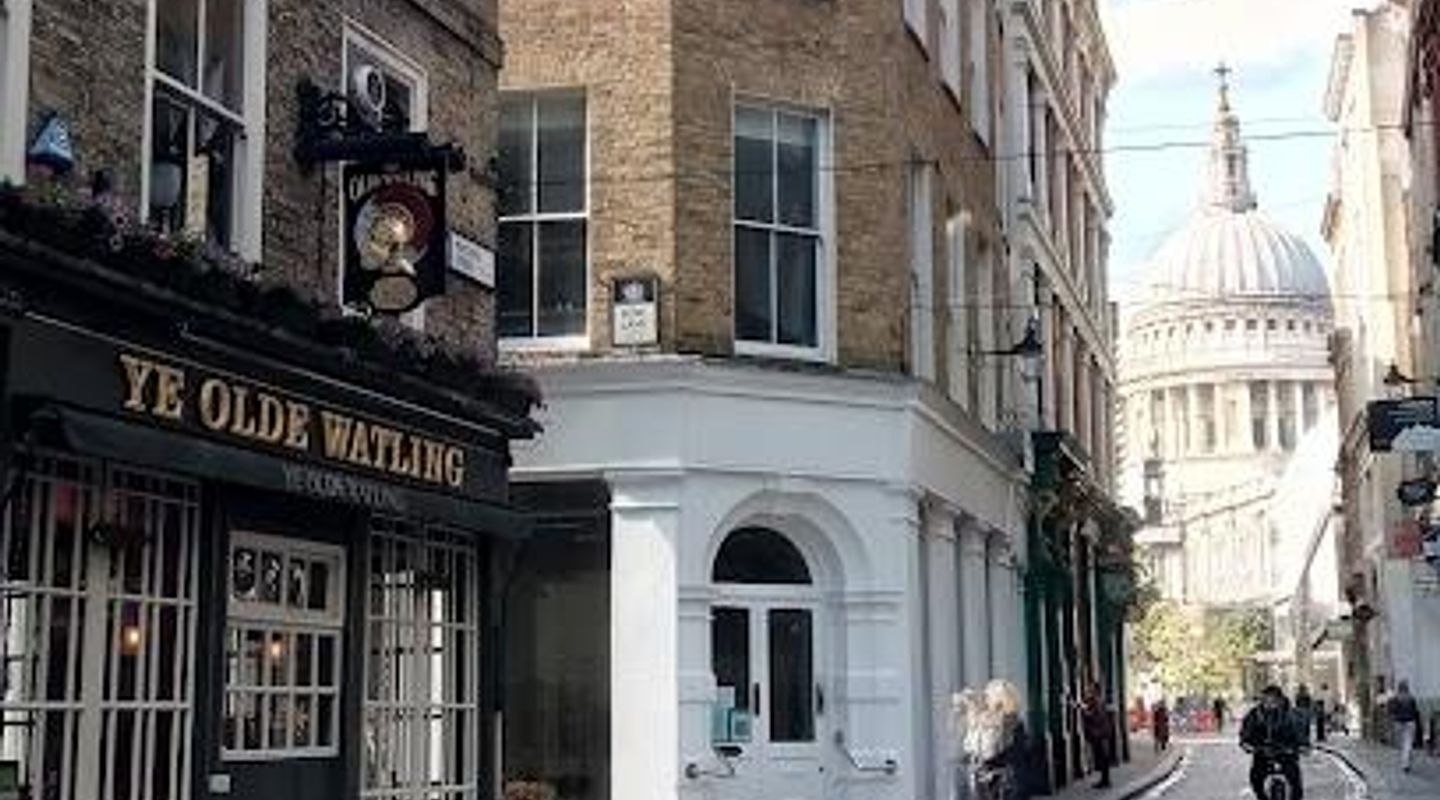
A brief summary of Watling St
Walk along Watling Street, London’s ancient Roman road linking history, battles, and modern life in a single enduring route.
Watling Street is a historic Roman road that runs through London, originally a prehistoric track used by Britons and later paved by the Romans around AD 47-48. It played a crucial role in Roman military and trade movements, witnessed the decisive Battle of Watling Street where Queen Boudica was defeated, and has served as a boundary line throughout history. Today, parts of it remain integrated into modern London streets and roads, offering a direct connection to Britain’s ancient past.
On-site amenities
 Restrooms
 Drink options
 Food options
 Seating areas
 Information boards
- Address
- London
Getting there
London Underground
Bus
Walking
Discover more about Watling St
Origins and Roman Engineering Marvel
Watling Street began as a broad track used by indigenous Britons for centuries before the Roman invasion of Britain in AD 43. By the winter of AD 47-48, the Romans had paved and widened the road, transforming it into a vital artery for military and administrative purposes. Around London, the road was approximately 7.5 to 8.7 meters wide and surfaced with gravel and chalk layers, showcasing advanced Roman engineering techniques such as effective drainage and durable paving. This road connected key Roman settlements including Londinium (London), Verulamium (St Albans), and Wroxeter, facilitating rapid movement of troops, trade goods, and official communications across Roman Britain.
Watling Street in Historical Conflicts
Watling Street is famously linked with the Battle of Watling Street (circa 60 or 61 AD), where Roman forces under Governor Suetonius Paulinus decisively defeated the Iceni rebellion led by Queen Boudica. Despite being heavily outnumbered, the Romans secured a pivotal victory that cemented their control over southern Britain. The exact location of this battle remains debated but is generally placed somewhere along Watling Street between London and Wroxeter. In later centuries, the road also served as a boundary between Anglo-Saxon and Danish territories, notably marking the southwestern border of the Danelaw in the 9th century.
Evolution Through the Ages and Modern Legacy
After the Roman withdrawal, Watling Street continued to be a major route, evolving through medieval times and into the modern era. It was the site of England’s first turnpike toll road and later improvements during the Victorian era enhanced its condition further. Today, much of the original Roman road lies beneath modern infrastructure, with sections preserved or rediscovered through archaeological excavations, such as those in Southwark, London. Modern roads like the A2 and A5 follow much of Watling Street’s ancient alignment, keeping its legacy alive as a key transport route.
Watling Street’s Role in London’s Urban Fabric
Within London, Watling Street’s course is partially visible in street names and alignments, including Old Kent Road and stretches near Borough High Street. Archaeological finds reveal multiple construction layers, illustrating centuries of use and repair. The road’s path historically included a natural ford across the Thames near Westminster, which was vital for trade and military movements. Watling Street also formed boundaries between London boroughs such as Harrow, Brent, Camden, and Barnet, underscoring its continuing importance as a geographical and administrative marker.
Cultural and Social Significance
Beyond its military and economic roles, Watling Street has cultural resonance. It was a route for the 1913 Great Pilgrimage, a suffragist march advocating women’s voting rights, highlighting its place in social history. Its mention in treaties and historical documents reflects its enduring role as a symbol of power, control, and connectivity. Walking or driving along Watling Street today offers a tangible link to Britain’s layered history, from prehistoric times, through Roman occupation, to modern urban life.
Preservation and Archaeological Insights
Recent excavations have uncovered well-preserved sections of Watling Street beneath modern London roads, revealing construction techniques and usage patterns. These findings deepen understanding of Roman Britain's infrastructure and urban development. The road’s survival beneath bustling city streets is a testament to its foundational role in shaping London’s growth. Efforts to study and preserve Watling Street continue to provide valuable insights into ancient engineering and historical landscapes.
Evendo Review Centre
 Google
Guest reviews
Best time to go
Quietest: Jan, Feb & Dec · before 6am or from 11pm
Busy times are Evendo estimates for a typical year, to help you plan. Actual crowds vary with events, school holidays and the weather.
Explore Watling St on the map
A handpicked selection of must-see spots near Watling St, mapped for you.
Get your free copy of our complete guide to Watling St, delivered straight to you.
Everything on this page, from opening hours and how to get there to Eve’s tips and the best time to go, in one PDF you can read offline, print or share.
Already have an account? Sign in
Your Watling St guide is ready.
We'll send it to · Not you? Sign out

Getting your guide ready…
We are putting together a fresh copy of the Watling St guide. This can take up to a minute.
This can take a few moments. If your browser asks, choose Allow so the download can start. You'll find the guide in your Downloads folder.
Nothing happened? Download it again
Sorry, the guide is taking longer than usual. Please try again in a minute, or get it by email instead.
Unlock the best of Watling St
Skip-the-line tickets, guided tours with entry, and walking tours of the area, booked in a few clicks.


Other nearby places you may find interesting
The closest places of the same kind, if this one is not quite what you had in mind.
-
-
-
-
-


Swipe for more places
More to explore near Watling St

 Best experiences near Watling St
 Best hotels near Watling St
 Best landmarks near Watling St
 Best attractions near Watling St
 Best shops near Watling St
 Best restaurants near Watling St
 Best bars near Watling St
Do you manage this location?
Take control to get all the benefits, like improved information, better appearance, and stronger visibility across AI-powered discovery.
Explore more
Explore more of Surrey
Explore the picturesque landscapes, historic landmarks, and charming villages of Surrey, a quintessential English countryside retreat just a stone's throw from London.
Explore Surrey
Explore more of United Kingdom
Discover the United Kingdom: A blend of rich history, stunning landscapes, and vibrant cities, offering a unique travel experience for every visitor.
Explore United Kingdom