Pudding Ln, Sussex Travel Guide
Pudding Lane: Where London’s Great Fire ignited a city’s transformation and urban resilience began.
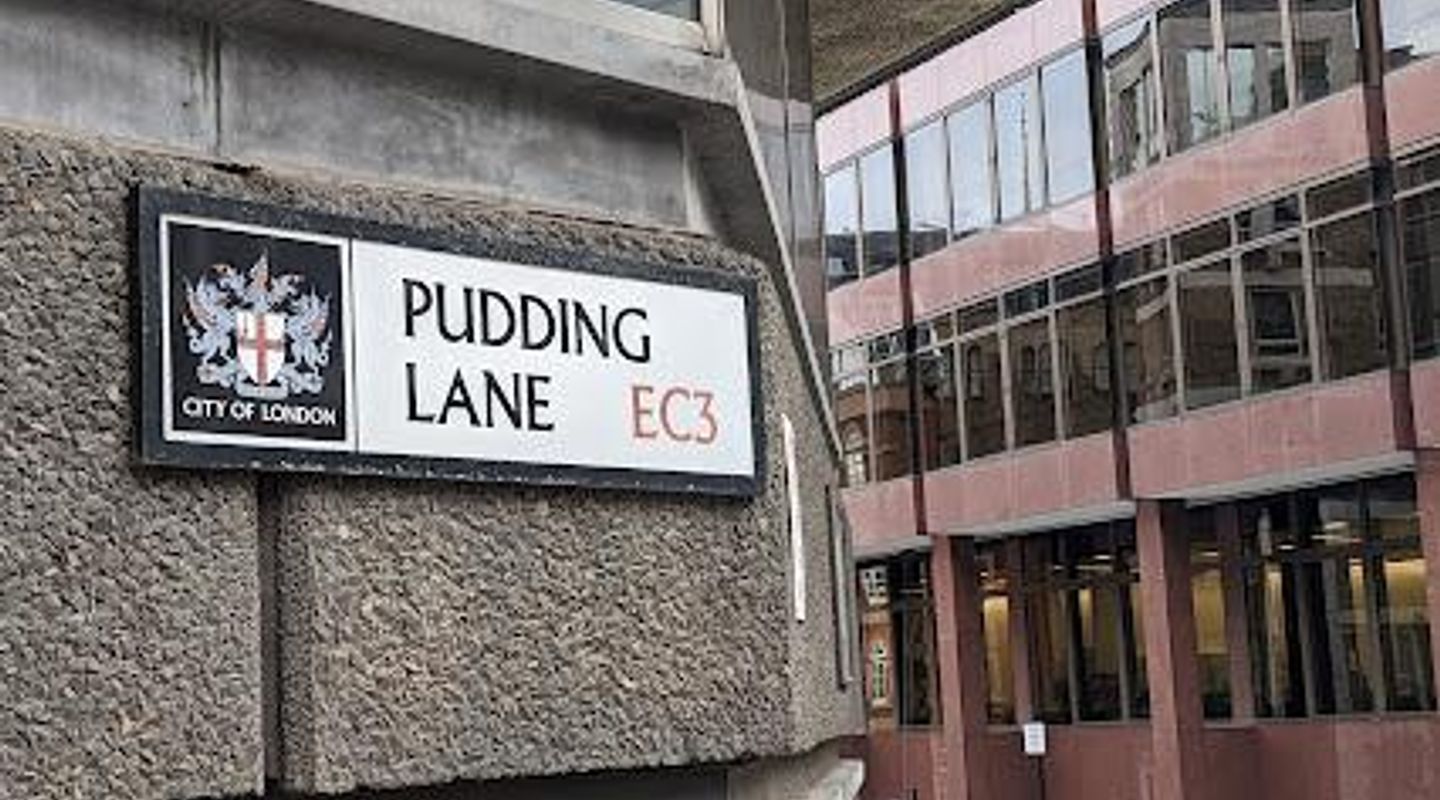
Pudding Lane in London is famously known as the origin site of the Great Fire of London in 1666, which devastated much of medieval London. This narrow street, historically linked to the city's meat market and offal disposal, also holds significance as one of the world's earliest one-way streets. Today, it stands as a symbol of transformation and resilience in London's urban history.
A brief summary to Pudding Ln
- London, GB
- Duration: 0.5 to 1.5 hours
- Free
-
 Outdoor
- Mobile reception: 5 out of 5

Know before you go
Hi, I'm Eve. Here are a few practical things to know before exploring Pudding Ln.
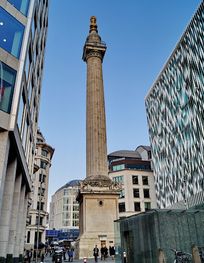
- Visit the nearby Monument to the Great Fire for panoramic views and historical context.
- Explore Eastcheap market area to connect with the medieval meat market history linked to Pudding Lane.
- Consider a guided walking tour focusing on London’s Great Fire and its aftermath for deeper insights.
- Observe the architecture around Pudding Lane to see the contrast between post-fire rebuilding and modern London.
Do you manage this location?
Take control to get all the benefits, like improved information, better appearance, and stronger visibility across AI-powered discovery. Learn more about listing your business on Evendo
Activate your presenceOther nearby places you may find interesting
The closest places of the same kind, if this one is not quite what you had in mind.
Explore Pudding Ln on the Map
A handpicked selection of must-see spots near Pudding Ln, mapped for you.
Unlock the Best of Pudding Ln
Buy tickets
-
No tickets available
Book tours with entry
-
No tours available
Book tours without entry

Getting There
-
Underground
Take the London Underground to Monument Station, which is served by the District and Circle lines. From the station, it is a short 5-minute walk to Pudding Lane. Tube fares range from £2.50 to £6.00 depending on time and ticket type.
-
Bus
Several London bus routes stop near Monument Station, including routes 15, 17, and 521. Buses run frequently throughout the day, and a single fare via contactless payment is £1.65 to £2.50. Travel times vary from 15 to 30 minutes depending on your starting point.
-
Walking
If you are staying in central London, Pudding Lane is accessible on foot within 20 to 40 minutes from landmarks like the Tower of London or London Bridge. The terrain is flat and suitable for most walkers, with paved streets and pedestrian crossings.
For the on-the-go comforts that matter to you
-
 Restrooms
-
 Drink Options
-
 Food Options
-
 Information Boards
Discover more about Pudding Ln
Origins and Name of Pudding Lane
Pudding Lane’s name derives not from sweet desserts but from the medieval term "pudding," referring to butchers' offal or animal entrails. In medieval London, this lane connected Eastcheap, the city's primary meat market, to the River Thames, where butchers disposed of waste. Historical accounts, including those by 16th-century chronicler John Stow, describe how offal was thrown from windows or carts into the river or onto waiting barges. The lane was also known by other names such as Rother Lane and Red Rose Lane, reflecting its diverse history and local landmarks.The Great Fire of London: A City Transformed
Pudding Lane is most renowned as the starting point of the Great Fire of London, which began in the early hours of September 2, 1666, in the bakery of Thomas Farriner, the King’s baker. A spark from the oven ignited nearby flour sacks, and the fire rapidly spread through the tightly packed wooden buildings of medieval London. Over four days, the fire destroyed approximately 85% of the city, including iconic structures like St. Paul’s Cathedral and London Bridge. Though officially recorded deaths were few, many more likely perished unrecorded. The fire profoundly reshaped London’s architecture and urban planning.Innovations and Legacy Post-Fire
Pudding Lane’s significance extends beyond the fire. It was one of the first streets in London to be designated as one-way in 1617 to regulate cart traffic near the Thames, a pioneering urban traffic control measure. After the fire, King Charles II enacted the 1667 Rebuilding Act, introducing building regulations to prevent future disasters. The fire also catalyzed the creation of the first fire insurance companies, with insured buildings marked by metal plaques known as Fire Marks. A monumental Doric column, known simply as the Monument, was erected nearby to commemorate the fire and its impact.The Character and Atmosphere of Pudding Lane Today
Modern Pudding Lane is a quiet, narrow street nestled in the City of London, directly behind the Monument. Its concrete surroundings, including Faryners House, evoke the memory of the fire’s devastation. While the butchers have long since relocated, the lane’s name and history remain a vivid reminder of London’s medieval past and its resilience. The lane’s proximity to the Thames and historic markets continues to connect visitors to the city’s layered history.Cultural References and Historical Narratives
Pudding Lane has inspired literary and historical narratives over centuries. It appears in poems and chronicles that reflect on the fire’s origins and the social upheaval it caused. Rumors and suspicions during the fire’s aftermath reveal the tensions of the era, including xenophobic accusations and religious fears. The lane’s story is intertwined with London’s broader historical fabric, illustrating themes of disaster, recovery, and urban evolution.Preservation and Commemoration
Today, Pudding Lane is commemorated through nearby landmarks like the Monument and information displays that educate visitors about the Great Fire. The lane itself, while small, is a focal point for understanding London’s transformation from a medieval city vulnerable to disaster into a modern metropolis with improved urban planning and safety measures. It remains a poignant symbol of the city’s endurance and capacity for renewal.












Your all‑in‑one travel companion app
Explore expert travel guides, compare and book tours, experiences, hotels, and more—all from the palm of your hand. Download now for seamless trip planning wherever your wanderlust takes you.


Explore More of Sussex
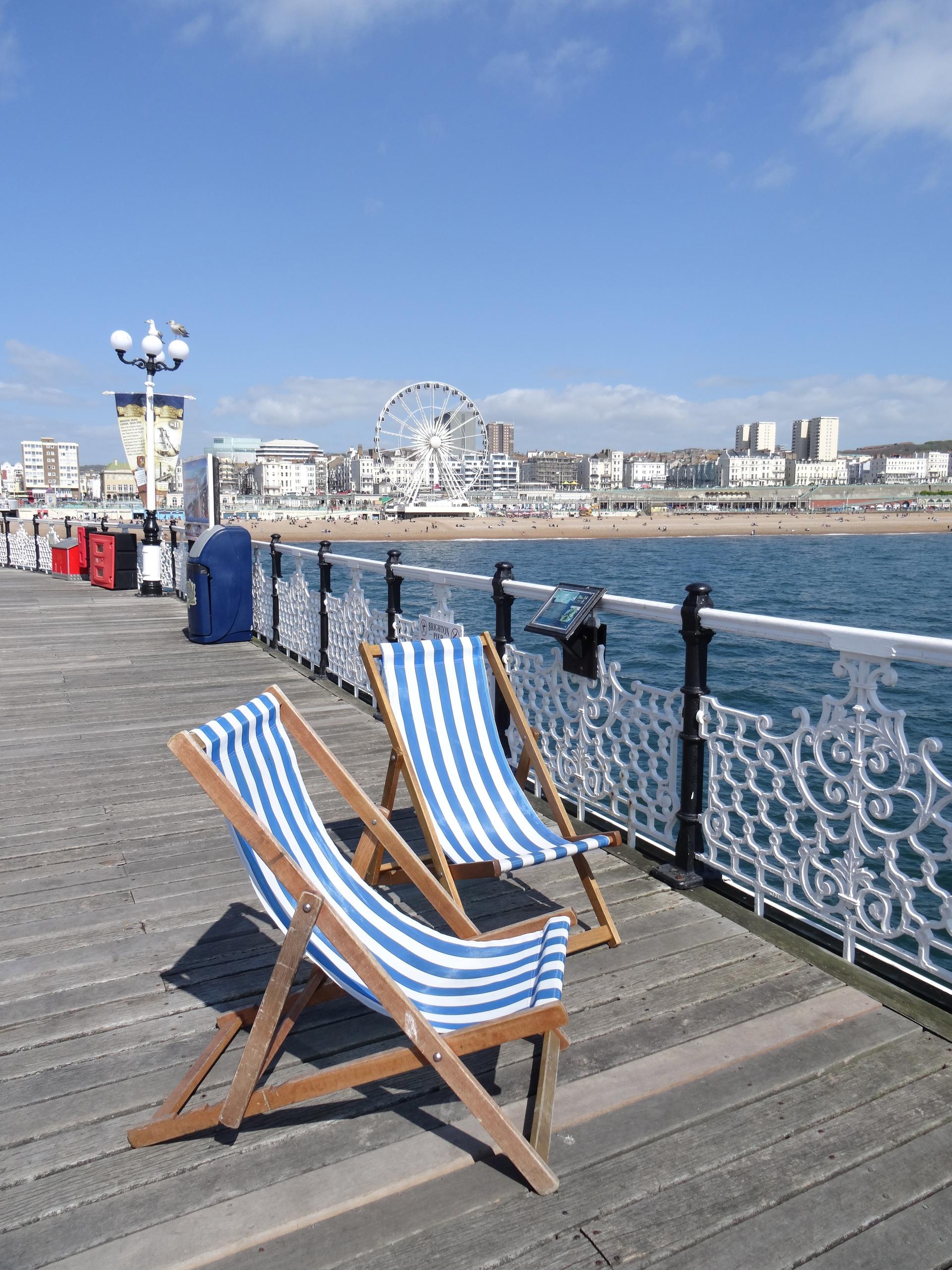
Looking beyond Pudding Ln? Discover Sussex for broader travel guides, local hot-spots, and regional highlights.
Explore Sussex