

Free Sussex Travel Guide & Mobile App
Explore Sussex with free travel guides. Discover regional history, expert tips, proposed trips, and audio guides on web or mobile app.


Explore Sussex for South Downs walks, historic towns, Brighton culture, medieval ports, country houses, vineyards and a varied English coast.
Read more about Sussex
When is the best time to visit Sussex?
Best: June–August · 21–23°C| Month | High (°C) | Rainfall (mm) |
|---|---|---|
| January | 8 | 70 |
| February | 9 | 60 |
| March | 12 | 55 |
| April | 14 | 50 |
| May | 18 | 50 |
| June (best) | 21 | 50 |
| July (best) | 23 | 50 |
| August (best) | 23 | 55 |
| September | 19 | 55 |
| October | 16 | 75 |
| November | 12 | 75 |
| December | 9 | 75 |
Getting to and around Sussex
How to get there
Transportation
Best attractions in Sussex
Sussex offers a broad mixture of historic, cultural and outdoor attractions. The South Downs National Park provides the region's principal outdoor setting, with long-distance walking along the South Downs Way, cycling routes, chalk grassland and far-reaching views towards the Channel. The High Weald offers a quieter landscape of ancient woodland, ponds and country lanes, while Ashdown Forest has open heathland and a network of paths. Heritage visitors can explore Battle Abbey and the battlefield, Fishbourne Roman Palace, Pevensey Castle, Chichester Cathedral and the medieval streets of Rye. Country houses and gardens, including Petworth House and Sheffield Park and Garden, reveal the scale of Sussex's estate culture. Brighton contributes the Royal Pavilion, museums, galleries, theatres and a distinctive seafront, while the coast brings beaches, harbours, cliffs, nature reserves and maritime museums. Pagham Harbour and other estuarine landscapes are important for birdwatching, and family attractions range from historic railways to farms and museums. The region's appeal lies in the contrast between urban culture, accessible downland and more secluded inland countryside.
-
Park and Garden
The Green Park
A peaceful 40-acre Royal Park in central London offering serene lawns, historic memorials, and iconic views near Buckingham Palace.
-
Live Music
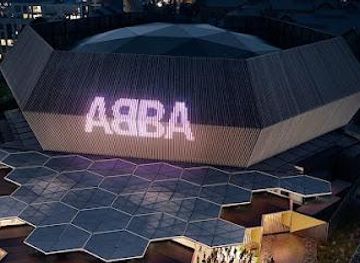
ABBA Arena
Experience the groundbreaking ABBA Voyage concert in a bespoke East London arena blending digital innovation with timeless music.
-
Cricket ground
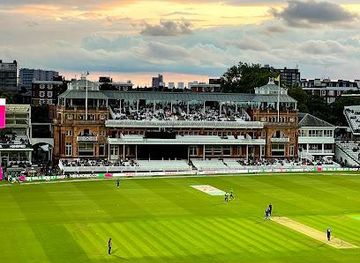
Lord's Cricket Ground
Experience the timeless spirit of cricket at Lord's, London’s historic ground and the revered 'Home of Cricket' since 1814.
-
Tennis club
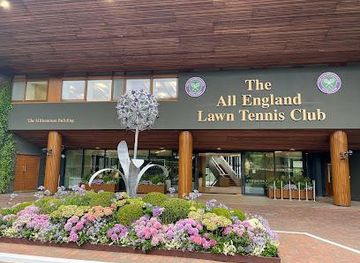
All England Lawn Tennis & Croquet Club
Historic home of Wimbledon, the world’s oldest and most prestigious grass-court tennis championships in London’s Wimbledon district.

Best landmarks in Sussex
Sussex's most recognisable landmarks reflect conquest, resort culture, religion and landscape. The Royal Pavilion in Brighton is an extravagant Regency palace whose Indian-inspired exterior and Chinese-influenced interiors express the tastes of George IV and the resort's transformation into a fashionable destination. At Battle, the abbey and battlefield commemorate the decisive encounter of 1066, while Pevensey Castle occupies the site of the Roman fort where William's army established its first base in England. Chichester Cathedral forms a major architectural focus in the city's historic centre, and Fishbourne Roman Palace preserves exceptional mosaic floors from the Roman period. The medieval townscape of Rye, including its church tower and surviving historic streets, recalls a port whose geography was altered by silting. Inland, Petworth House and its parkland represent the power and cultural ambitions of the great estates. The white chalk escarpments and open ridges of the South Downs are natural landmarks in their own right, defining the horizon across much of Sussex.
-
Historical landmark
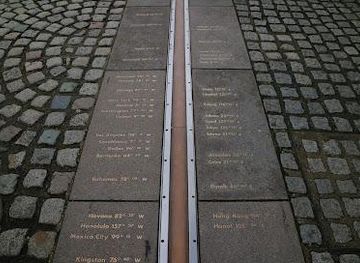
Prime Meridian
Stand astride the historic Prime Meridian line at the Royal Observatory Greenwich, the birthplace of global time and navigation.
-
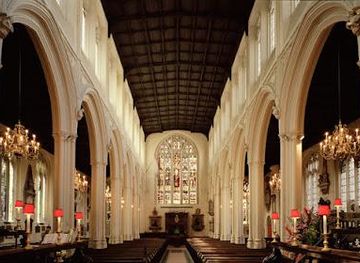
Anglican church
St Margaret's Church
Historic 12th-century Anglican church beside Westminster Abbey, famed as the House of Commons’ parish church and a jewel of Perpendicular Gothic architecture.
-
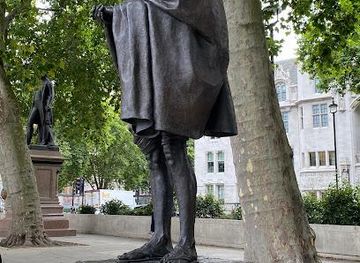
Sculpture
Mahatma Gandhi statue
A bronze tribute to Gandhi’s peaceful resistance, standing among world leaders in the heart of London’s political district.
-
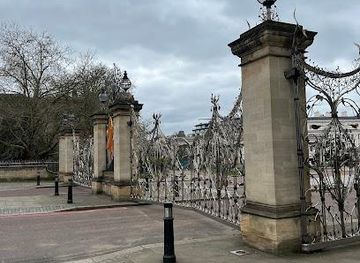
Historical landmark
Queen Elizabeth Gate
A vivid and regal gateway honoring the Queen Mother, blending modern artistry with Hyde Park’s timeless natural beauty.
Explore Sussex on the map
Plan your trip on one map. See where the top cities, national parks and sights are, and book hotels and experiences in a few clicks.
Best hotels in Sussex
Best restaurants in Sussex
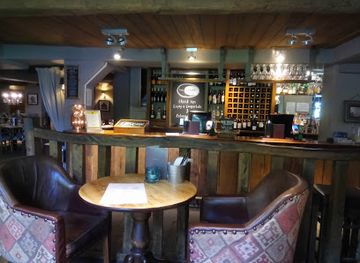
Sussex dining draws on farmland, coastal fisheries, orchards and a growing drinks industry. Menus may feature locally landed fish, shellfish, game, seasonal vegetables, Sussex cheeses, apples and traditionally baked cakes, although availability changes with season and supply. Brighton has the region's widest range of restaurants, from contemporary English cooking and international food to vegetarian and plant-based options, while Chichester, Lewes, Hastings and Eastbourne provide strong town-centre choices. Coastal pubs and cafés often focus on fish, while rural inns and farm shops highlight meat, dairy and produce from the surrounding countryside. Sussex sparkling wine is increasingly prominent, and local breweries, cider makers and vineyards appear across the county. Farmers' markets and village shops are useful places to find cheeses, preserves, bread and seasonal goods, but a product sold locally is not necessarily produced within Sussex, so labels and producer details are worth checking.
-
Pub
The Snowy Owl
Rural Northumberland gastropub blending rustic charm with contemporary British cuisine and countryside hospitality.
-
Pub
Pipe and Glass
Michelin-starred Yorkshire gastropub where hearty local dishes, real ales, and luxury rooms create unforgettable countryside escapes in a historic 15th-century haven.
-
Country food restaurant
The Leather Bottle
Historic 17th-century pub in Cobham offering British country food, seasonal menus, a cocktail lounge, and a large garden with events.
-
Restaurant
The Bonny Inn
Ribble Valley pub gem with vegan delights, valley views, roaring fires, and hearty local fare in a dog-friendly modern haven.
Best bars in Sussex
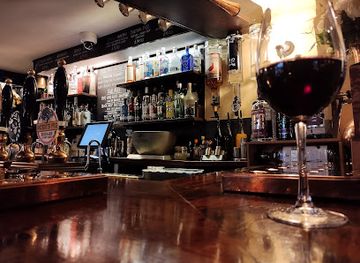
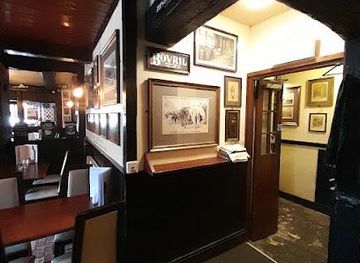
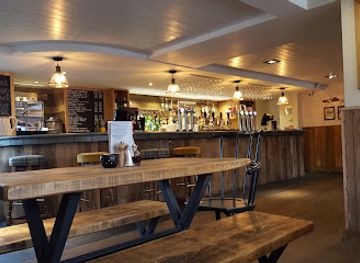
Nightlife is concentrated in Brighton and Hove, where pubs, cocktail bars, live-music venues, theatres and clubs create the most extensive evening scene in Sussex. The Lanes, the seafront and central neighbourhoods offer different atmospheres, but opening arrangements and individual venues change frequently. Eastbourne, Hastings, Worthing, Chichester and Lewes have a smaller selection of pubs, wine bars, restaurants and performance venues, with live music and theatre often more important than large clubs. In rural Sussex, evenings generally centre on traditional pubs, village inns, brewery taprooms and restaurants rather than dedicated nightlife districts. Some coastal venues become busier in summer, while university terms and cultural events influence Brighton's calendar. Visitors should plan transport back to rural accommodation, as late public transport is less dependable away from the main towns.
-
Wine bar
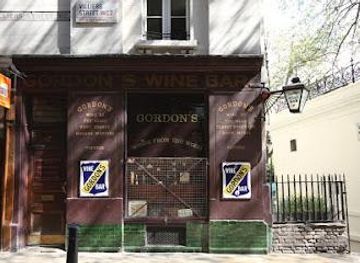
Gordon's Wine Bar
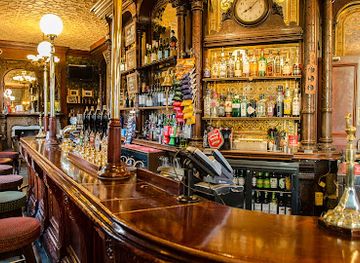
London’s oldest wine bar since 1890, Gordon’s offers candlelit cellar charm, award-winning wines, and artisanal fare in a historic riverside setting.
-
Pub
The Harp, Covent Garden
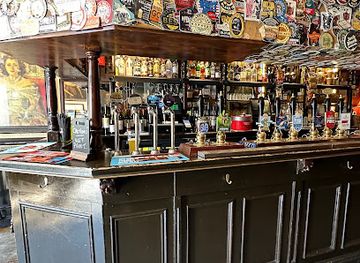
A historic Covent Garden pub famed for award-winning ales, traditional ciders, and a timeless, welcoming atmosphere.
-
Pub
The Victoria, Paddington
Step into The Victoria, Paddington, a historic Victorian pub blending timeless charm, rich heritage, and refined British dining in a warm, inviting setting.
-
Pub
The Lazy Trout
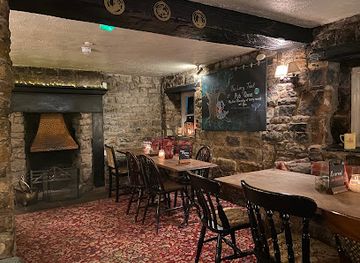
Experience authentic English countryside charm with hearty meals and fine ales at The Lazy Trout in Meerbrook.
Best nightclubs in Sussex
Nightlife is concentrated in Brighton and Hove, where pubs, cocktail bars, live-music venues, theatres and clubs create the most extensive evening scene in Sussex. The Lanes, the seafront and central neighbourhoods offer different atmospheres, but opening arrangements and individual venues change frequently. Eastbourne, Hastings, Worthing, Chichester and Lewes have a smaller selection of pubs, wine bars, restaurants and performance venues, with live music and theatre often more important than large clubs. In rural Sussex, evenings generally centre on traditional pubs, village inns, brewery taprooms and restaurants rather than dedicated nightlife districts. Some coastal venues become busier in summer, while university terms and cultural events influence Brighton's calendar. Visitors should plan transport back to rural accommodation, as late public transport is less dependable away from the main towns.
-
Nightclub
Phonox
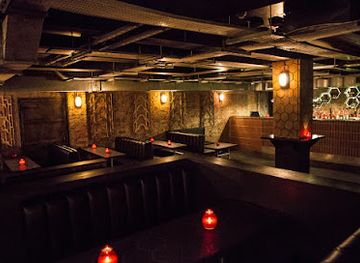
Phonox: Brixton’s cutting-edge nightclub where underground electronic beats meet a vibrant, spacious dancefloor and top-tier sound.
Best shops in Sussex
Shopping in Sussex ranges from Brighton's independent boutiques, vintage shops, design stores and galleries to the traditional high streets and markets of towns such as Lewes, Chichester, Hastings and Rye. Brighton is the strongest choice for fashion, alternative styles, books, records, jewellery and contemporary craft, with distinct characters in the Lanes and North Laine areas. Historic towns offer antiques, homeware, art and locally made goods, although individual retailers change over time. Farmers' markets, farm shops and delicatessens are useful for Sussex cheese, preserves, bread, apples, wine and other regional produce. Craft galleries and rural studios may sell ceramics, textiles, prints and jewellery, particularly around the South Downs and High Weald. Visitors looking for substantial mainstream retail will find more conventional shopping centres in larger towns, while smaller communities are better suited to browsing independent shops and buying food or crafts with a clear local connection.
-
Wine shop
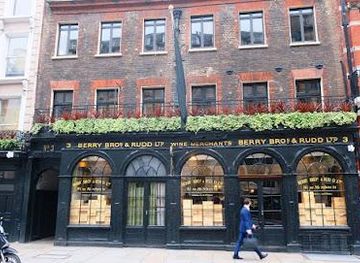
Berry Bros. & Rudd Wine Shop
Britain's oldest wine merchant since 1698, where three centuries of royal patronage meets modern expertise.
-
Clothing Shop
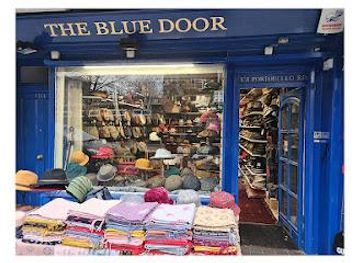
The Blue Door
A charming clothing and hat shop on Portobello Road, blending Notting Hill’s cinematic charm with friendly service and unique fashion finds.
-
Souvenir Shop
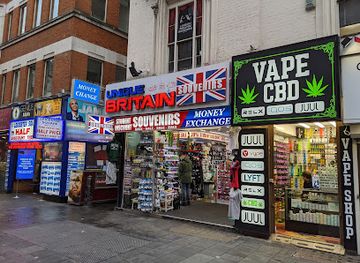
Unique Britain
Discover authentic British souvenirs in the heart of London’s West End on historic Cranbourn Street.
Get your free copy of our complete guide to Sussex, delivered straight to you.
Everything on this page, from attractions and restaurants to essentials and local phrases, in one PDF you can read offline, print or share.
Already have an account? Sign in
Your Sussex guide is ready.
We'll send it to · Not you? Sign out

Getting your guide ready…
We are putting together a fresh copy of the Sussex guide. This can take up to a minute.
This can take a few moments. If your browser asks, choose Allow so the download can start. You'll find the guide in your Downloads folder.
Nothing happened? Download it again
Sorry, the guide is taking longer than usual. Please try again in a minute, or get it by email instead.
Sussex essentials
Currency and Payment
Safety
Emergency Situations
Do's and Don'ts
Local Tips
From Eve
Local phrases worth knowing
You don't need to get them perfect. A few words go a long way, and locals appreciate the effort.
Basics
| English | Local | Say it |
|---|---|---|
| Hello | Hiya | [Hiyah] |
| Goodbye | Cheers | [Cheerz] |
| Yes | Yup | [Yup] |
| No | Nah | [Nah] |
| Please/You're welcome | No worries | [No wurries] |
| Thank you | Ta | [Tah] |
| Excuse me/Sorry | Sorry | [Sorry] |
| How are you? | How's it going? | [How's it goin'?] |
| Fine. And you? | All good, you? | [All good, yew?] |
| Do you speak English? | Do you know English? | [D'ya know English?] |
| I don't understand | I ain't got a clue | [I ain't got a clew] |
Eating & Drinking
| English | Local | Say it |
|---|---|---|
| I'd like to see the menu, please | Can I have a look at the menu, please? | [Can I 'av a look at the men-yoo, pleez?] |
| I don't eat meat | I’m a veggie | [I'm a vedgee] |
| Cheers! | Cheers! | [Cheerz!] |
| I would like to pay, please | Can I settle up, please? | [Can I settle up, pleez?] |
Emergencies
| English | Local | Say it |
|---|---|---|
| Help! | Help! | [Help!] |
| Go away! | Clear off! | [Clear off!] |
| Call the Police! | Ring the coppers! | [Ring the coppaz!] |
| Call a doctor! | Get a doc! | [Get a doc!] |
| I'm lost | I’m a bit lost | [I’m a bit lost] |
| I'm ill | I ain't well | [I ain't well] |
Shopping
| English | Local | Say it |
|---|---|---|
| I'd like to buy... | I wanna buy... | [I wanna buy...] |
| I'm just looking | Just browsing | [Just browsin'] |
| How much is it? | What’s the damage? | [What's the damij?] |
| That's too expensive | That's well pricey | [That's well pricey] |
| Can you lower the price? | Can you knock a bit off? | [Can ya knock a bit off?] |
Time & Numbers
| English | Local | Say it |
|---|---|---|
| What time is it? | What’s the time? | [What's the time?] |
| It's one o'clock | It's one o'clock | [It's one o'clock] |
| Half past (10) | Half ten | [Half ten] |
| Morning | Mornin' | [Mornin'] |
| Afternoon | Arvo | [Arvo] |
| Evening | Evenin' | [Evenin'] |
| Yesterday | Yesterday | [Yesterday] |
| Today | Today | [Today] |
| Tomorrow | Tomorrow | [Tomorrow] |
| 1 | One | [One] |
| 2 | Two | [Two] |
| 3 | Three | [Three] |
| 4 | Four | [Four] |
| 5 | Five | [Five] |
| 6 | Six | [Six] |
| 7 | Seven | [Seven] |
| 8 | Eight | [Eight] |
| 9 | Nine | [Nine] |
| 10 | Ten | [Ten] |
Transport & Directions
| English | Local | Say it |
|---|---|---|
| Where's a/the...? | Where’s the...? | [Where's the...?] |
| What's the address? | What’s the address? | [What's the address?] |
| Can you show me (on the map)? | Can you point it out for me? | [Can you point it out for me?] |
| When's the next (bus)? | When’s the next bus? | [When's the next bus?] |
| A ticket (to ....) | One ticket to ... | [One ticket to ...] |
History of Sussex
Prehistoric Sussex and Boxgrove
Sussex contains some of Britain's most important evidence for early human occupation. Archaeological discoveries at Boxgrove, near the Sussex coast in West Sussex, include remains and tools dated to roughly 500,000 years ago, offering evidence of early human activity in northern Europe. Later prehistoric communities shaped the downs with field systems, burial monuments and hillforts, while the high chalk ridges provided strategic viewpoints and routes. Sites such as Cissbury Ring near Worthing demonstrate the importance of flint extraction and long-distance exchange during prehistory. Much of this legacy is now read through earthworks and archaeological landscapes rather than surviving buildings.
Roman Chichester and Fishbourne
The Roman conquest transformed Sussex, linking existing settlements to an imperial road network and maritime trade. Noviomagus Reginorum, the Roman predecessor of Chichester, became a planned town with streets, public buildings and administrative importance. Nearby Fishbourne Roman Palace, built in the first century AD, is one of the largest Roman residential sites discovered in Britain and is known for its elaborate mosaic floors. The Roman presence also influenced pottery, agriculture and communications across the region. After Roman rule ended, elements of the road pattern and settlement geography continued to shape later Sussex.
The Norman Conquest, 1066
Sussex was the principal English theatre of the Norman invasion. William of Normandy landed at Pevensey in September 1066, established a base, and marched inland before defeating King Harold's army at the Battle of Hastings on 14 October. The battlefield is at present-day Battle, where Battle Abbey was later founded by William as an act of commemoration and penance. The conquest brought extensive land redistribution, new castles and a reordering of political power. Castles at Pevensey, Hastings and elsewhere, together with Norman churches and altered estates, still express the consequences of 1066 across the county.
Medieval Ports and Coastal Change
During the Middle Ages, Sussex's coast supported shipping, fishing, salt production and trade with continental Europe. Hastings, Rye and Winchelsea were associated with the Cinque Ports, a confederation granted privileges in return for naval service to the Crown. Yet the coastline was unstable: storms, coastal erosion and the silting of waterways altered harbours and undermined some settlements. Rye and Winchelsea preserve the memory of a maritime landscape that differs markedly from the modern shoreline. Medieval churches, town walls and street plans also survive in settlements such as Rye, while the county's religious houses and parish churches reveal the scale of medieval society.
Wealden Iron and Early Industry
The wooded Weald became one of England's principal iron-producing districts from the late medieval period into the seventeenth century. Local timber supplied charcoal, while streams powered water hammers and the region's ironstone provided raw material. Ironworking altered woodland management, created industrial communities and produced weapons, tools and domestic goods. Although many furnaces and forges have disappeared, ponds, earthworks and place names remain in parts of the High Weald. The industry declined as coal-based production expanded elsewhere, but its environmental and settlement legacy helps explain the distinctive combination of woodland, small farms and lanes found inland.
Country Estates, Landscape Design and Agriculture
From the eighteenth century, wealthy landowners reshaped substantial areas of Sussex through estate building, agricultural improvement and landscape gardening. Petworth House, associated with the Egremont family and the extensive grounds later influenced by landscape designer Lancelot 'Capability' Brown, illustrates the county's role in the culture of the English country house. Other estates developed designed parks, ornamental lakes and productive farms. These properties were also centres of art collecting, patronage and local administration. Their gardens and parklands remain major visitor destinations, although their histories also reflect unequal landownership and the labour that maintained rural estates.
Brighton and the Rise of the Seaside Resort
Brighton changed dramatically from a declining fishing settlement into a fashionable seaside resort during the eighteenth and nineteenth centuries. Royal patronage, improved roads and the development of leisure culture attracted visitors from London and encouraged the construction of hotels, terraces, squares and the extraordinary Royal Pavilion. The arrival of the railway accelerated the town's growth and connected the Sussex coast to the capital. Brighton's Regency and Victorian architecture remains central to its identity, while its later reputation for artistic, political and social experimentation has contributed to the distinctive urban culture of modern Brighton and Hove.
Sussex in Photos
Browse through our photo collection highlighting the charm and character of the destination.
Neighbouring regions of Sussex
The closest regions to Sussex, if you have time for more than one.
-

-

-
-

-


Swipe for more regions
Explore more

Explore more of United Kingdom
Discover the United Kingdom: A blend of rich history, stunning landscapes, and vibrant cities, offering a unique travel experience for every visitor.
Explore United Kingdom