Knockmany Passage Tomb Travel Guide
Free Guide: Explore the ancient Neolithic passage tomb atop Knockmany Hill, where prehistoric art meets legendary Irish myths in a breathtaking natural setting.


A brief summary of Knockmany Passage Tomb
Explore the ancient Neolithic passage tomb atop Knockmany Hill, where prehistoric art meets legendary Irish myths in a breathtaking natural setting.
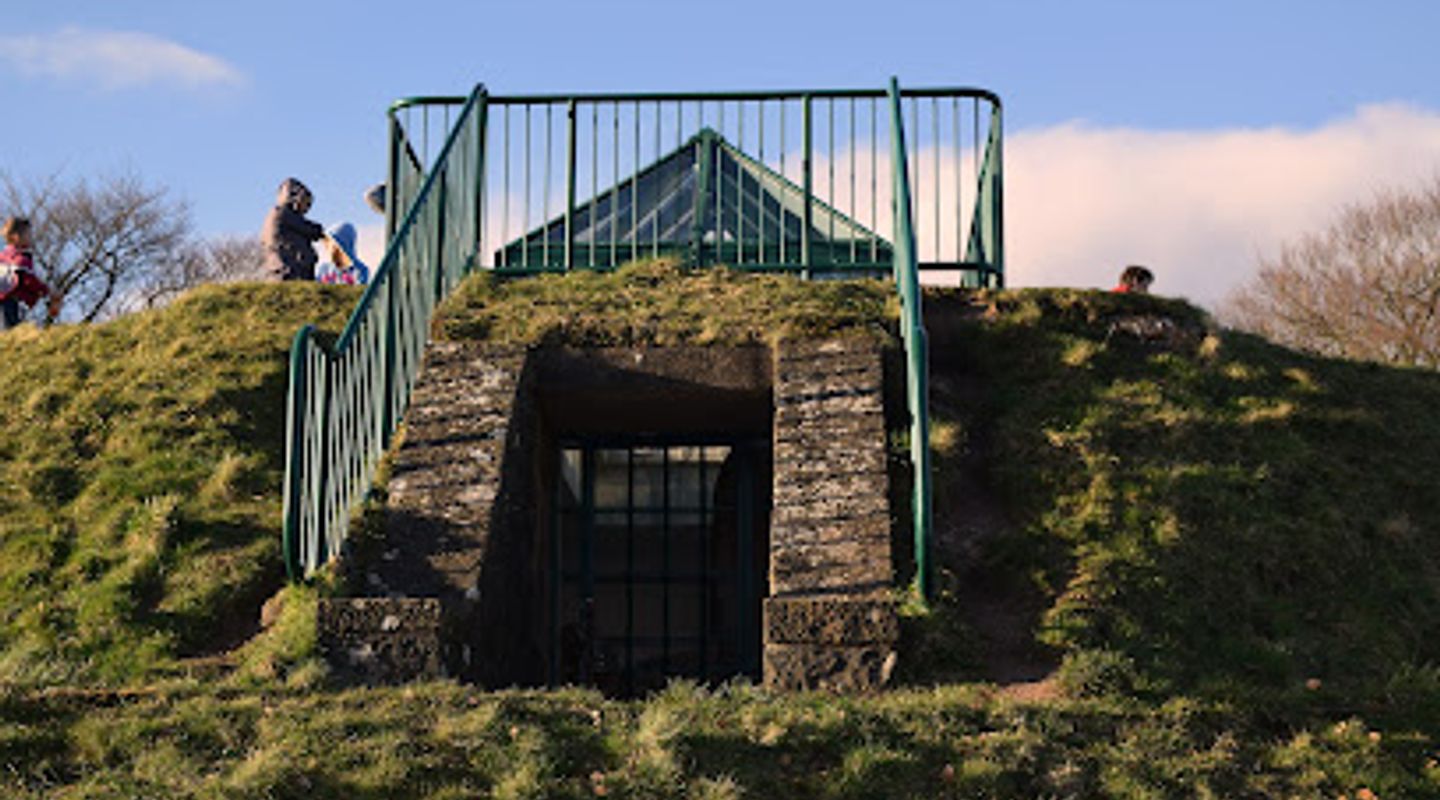
Knockmany Passage Tomb, also known as Anya’s Cove, is a Neolithic burial site perched on Knockmany Hill near Augher, County Tyrone, Northern Ireland. Dating back around 5,000 years, it features a passage tomb with decorated sandstone orthostats exhibiting rare megalithic art. Protected by a modern concrete chamber and mound, it offers panoramic views and is steeped in rich folklore tied to ancient queens and legendary heroes.
On-site amenities
 Restrooms
 Information boards
 Seating areas
 Trash bins
Opening hours
- Every day9:30 am–4:30 pm
Opening hours as listed on the venue’s Google Business Profile. Hours can change for services and special events, so check with the venue before you go.
- Address
- Knockmany Forest, Augher BT77 0DL
Getting there
Car
Bus
Walking
Discover more about Knockmany Passage Tomb
Ancient Origins and Architectural Legacy
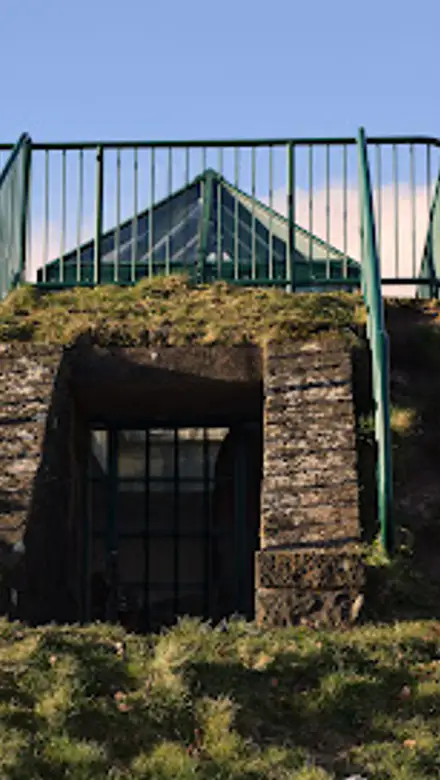
Knockmany Passage Tomb stands as a remarkable relic from the Neolithic period, constructed approximately 3000 BC. This passage tomb originally consisted of a stone chamber covered by a cairn and earth, forming a mound that housed communal burials. Today, the visible remains include 13 sandstone orthostats, some reaching over two meters in height, with three stones intricately carved with concentric circles, spirals, and zigzags—motifs emblematic of megalithic art found in other Irish passage tombs like Newgrange and Loughcrew. The site’s preservation includes a concrete chamber and mound built in 1959 to protect these ancient stones while allowing visitors to view the carvings through secure entrance gates.
Setting and Landscape Significance
Perched atop Knockmany Hill in the scenic Sperrin Mountains, the tomb commands sweeping panoramic views of the surrounding Northern Irish countryside. The hill’s elevated position not only provided a commanding vantage but also likely held spiritual significance for the Neolithic community. The site’s natural environment, characterized by woodland and rugged terrain, enhances the sense of connection to ancient times and offers visitors a tranquil yet adventurous experience as they ascend the hill to reach the tomb.
Mythology and Cultural Resonance
The name 'Knockmany' derives from the Irish 'Cnoc mBáine,' meaning 'Báine’s Hill,' linked to a supernatural figure or goddess Báine, who merges in legend with the goddess Áine. Folklore recounts that Queen Báine, wife of the 1st-century King Túathal Techtmar, was interred here, alongside earlier legendary figures. Additionally, local tales associate the site with the famed giant hero Fionn mac Cumhaill (Finn McCool) and his wife Oonagh, weaving the tomb into the rich tapestry of Irish myth and storytelling traditions.
Archaeological Insights and Discoveries
Excavations have revealed that the tomb was once covered by a stone cairn capped with earth, stabilized by a stone revetment. Artifacts such as pottery shards, tools, and human remains found at the site provide valuable insights into the burial customs and daily lives of the Neolithic people who built and used the tomb. These findings underscore the tomb’s role as a ceremonial and religious center, reflecting complex social and spiritual practices from thousands of years ago.
Visitor Experience and Preservation Efforts
Today, Knockmany Passage Tomb is a protected state monument accessible to visitors who seek to explore Northern Ireland’s prehistoric heritage. The site’s location involves a moderately steep ascent through woodland, adding an element of adventure to the visit. Preservation efforts maintain the integrity of the stones and their artwork, ensuring that this ancient monument continues to inspire awe and respect. The tomb’s combination of historical significance, artistic detail, and scenic setting offers a profound window into Ireland’s distant past.
Connecting Past and Present Through Storytelling
Beyond its archaeological and historical importance, Knockmany Passage Tomb remains a living symbol of cultural identity and myth. The intertwining of legend and landscape invites visitors to reflect on the continuity of human experience—from Neolithic builders to modern-day explorers. The site encourages a contemplative appreciation of ancient craftsmanship, spiritual beliefs, and the enduring power of stories that shape a place’s meaning across millennia.
Evendo Review Centre
 Google
Guest reviews
Best time to go
Quietest: Jan, Feb & Dec · before 7am or from 8pm
Busy times are Evendo estimates for a typical year, to help you plan. Actual crowds vary with events, school holidays and the weather.
Explore Knockmany Passage Tomb on the map
A handpicked selection of must-see spots near Knockmany Passage Tomb, mapped for you.
Get your free copy of our complete guide to Knockmany Passage Tomb, delivered straight to you.
Everything on this page, from opening hours and how to get there to Eve’s tips and the best time to go, in one PDF you can read offline, print or share.
Already have an account? Sign in
Your Knockmany Passage Tomb guide is ready.
We'll send it to · Not you? Sign out

Getting your guide ready…
We are putting together a fresh copy of the Knockmany Passage Tomb guide. This can take up to a minute.
This can take a few moments. If your browser asks, choose Allow so the download can start. You'll find the guide in your Downloads folder.
Nothing happened? Download it again
Sorry, the guide is taking longer than usual. Please try again in a minute, or get it by email instead.
Other nearby places you may find interesting
The closest places of the same kind, if this one is not quite what you had in mind.
-

-
-
-
-


Swipe for more places
More to explore near Knockmany Passage Tomb

 Best experiences near Knockmany Passage Tomb
 Best hotels near Knockmany Passage Tomb
 Best landmarks near Knockmany Passage Tomb
 Best attractions near Knockmany Passage Tomb
 Best shops near Knockmany Passage Tomb
 Best restaurants near Knockmany Passage Tomb
 Best bars near Knockmany Passage Tomb
Do you manage this location?
Take control to get all the benefits, like improved information, better appearance, and stronger visibility across AI-powered discovery.
Explore more

Explore more of Tyrone
Discover Tyrone in Northern Ireland: A blend of natural beauty, rich history, and vibrant culture, offering outdoor adventures, historic sites, charming towns, and local festivals.
Explore Tyrone
Explore more of United Kingdom
Discover the United Kingdom: A blend of rich history, stunning landscapes, and vibrant cities, offering a unique travel experience for every visitor.
Explore United Kingdom