

Free Tyrone Travel Guide & Mobile App
Explore Tyrone with free travel guides. Discover regional history, expert tips, proposed trips, and audio guides on web or mobile app.


Explore Tyrone for Sperrin mountain scenery, Gaelic heritage, prehistoric monuments, market towns and Ulster stories around Omagh and Dungannon.
Read more about Tyrone
When is the best time to visit Tyrone?
Best: June–August · 19–21°C| Month | High (°C) | Rainfall (mm) |
|---|---|---|
| January | 7 | 85 |
| February | 7 | 75 |
| March | 10 | 79 |
| April | 13 | 70 |
| May | 16 | 72 |
| June (best) | 19 | 76 |
| July (best) | 21 | 82 |
| August (best) | 20 | 86 |
| September | 18 | 79 |
| October | 15 | 88 |
| November | 10 | 85 |
| December | 7 | 90 |
Getting to and around Tyrone
How to get there
Transportation
Best attractions in Tyrone
Tyrone's attractions range from deep-prehistory to contemporary cultural interpretation. Near Cookstown, Beaghmore's stone circles, rows and cairns form an atmospheric archaeological complex beneath the Sperrin foothills, while the surrounding countryside offers viewpoints, forest walks and quiet rural roads. Around Omagh, the Ulster American Folk Park uses reconstructed and relocated buildings, landscape interpretation and live demonstrations to explain emigration from Ulster and the lives of those who left for North America. The Sperrin Mountains provide the county's principal outdoor setting, with walking and cycling opportunities around Gortin Glen Forest Park and Davagh Forest, subject to weather and trail conditions. Dungannon's Hill of The O'Neill places the history of the O'Neill dynasty within a wider town and park setting, and nearby Dungannon Park offers lakeside paths and open space. Drum Manor Forest Park, An Creagán and the River Derg valley add further choices for visitors interested in gardens, woodland, community heritage and landscape. Tyrone's attractions are dispersed rather than concentrated in one resort, making route planning an important part of the experience.
-
Museum
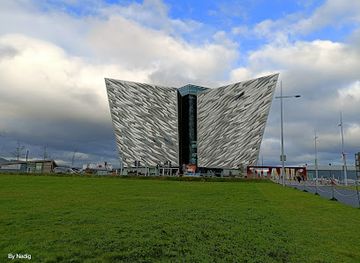
Titanic Belfast
Explore the birthplace of the Titanic through immersive galleries, iconic architecture, and maritime heritage in Belfast’s Titanic Quarter.
-
Shopping Centre
Foyleside Shopping Centre
Londonderry’s vibrant shopping destination with over 50 stores, scenic river views, family amenities, and top retail brands under one roof.
-
Garden
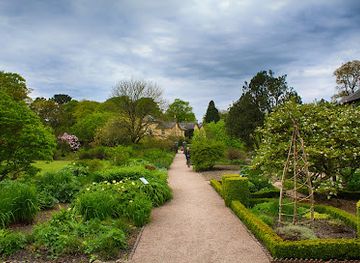
National Trust - Rowallane Garden
Explore Rowallane Garden’s stunning rhododendrons, historic walled garden, and family-friendly amenities in the heart of County Down.
-
Park and Garden
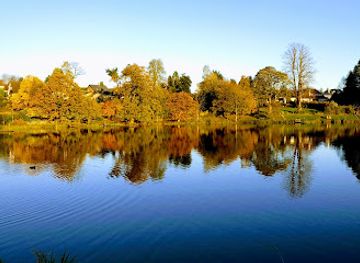
Dungannon Park
A 70-acre natural oasis near Dungannon with a fishing lake, sports facilities, camping, and scenic trails for all ages to enjoy.

Best landmarks in Tyrone
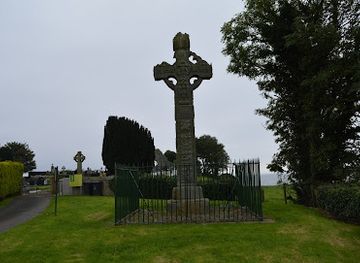
The Hill of The O'Neill above Dungannon is Tyrone's most important political and historical landmark, marking the former power centre of the O'Neill dynasty and offering broad views over the surrounding countryside. Beaghmore's carefully arranged stone circles and rows are a defining prehistoric landmark, their relationship with the open landscape giving the site significance beyond the individual stones. In Omagh, the Ulster American Folk Park's reconstructed buildings form an extensive cultural landmark devoted to migration and rural life rather than a single monumental structure. The Sperrin Mountains provide the county's great natural landmark, particularly around the open ridges and valleys near Gortin and Davagh. Ardboe Cross, a high cross beside the remains of a medieval church on the western shore of Lough Neagh, adds an important early Christian monument to eastern Tyrone. Together these places express the county's layered identity: Gaelic power, prehistoric ceremony, Christian heritage, migration and upland geography.
-
Historical landmark
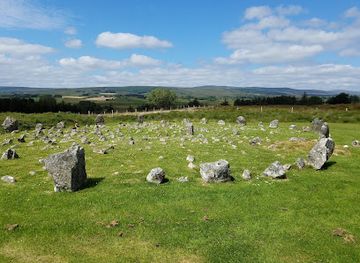
Beaghmore Stone Circles Landmark
Explore the enigmatic Bronze Age stone circles of Beaghmore, a mystical archaeological site set in tranquil Northern Irish moorland.
-
Historical landmark
Ardboe High Cross (State Care Monument)
Northern Ireland’s tallest and most complete early medieval high cross, steeped in legend and biblical artistry.
-
Historical landmark
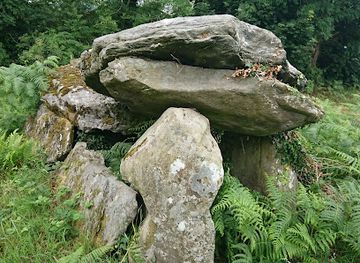
Creggandevesky Court Tomb
Discover the serene, 5,500-year-old Neolithic court tomb nestled on tranquil farmland overlooking a peaceful lake in County Tyrone.
-
Historical landmark
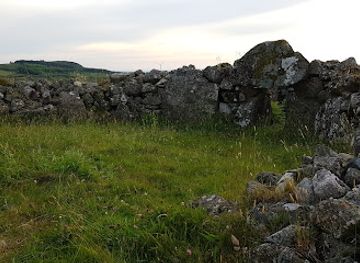
Portal Tombs of Ballyrenan
Explore the ancient, dual-chambered Portal Tombs of Ballyrenan, set against the stunning backdrop of the Sperrin Mountains in Northern Ireland.
Explore Tyrone on the map
Plan your trip on one map. See where the top cities, national parks and sights are, and book hotels and experiences in a few clicks.
Best hotels in Tyrone
Best restaurants in Tyrone
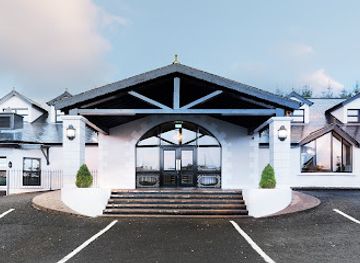
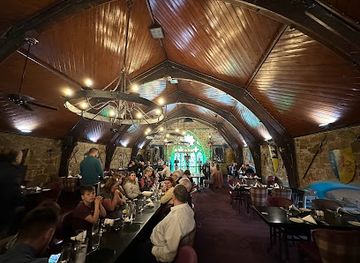
Dining in Tyrone reflects the county's market-town and rural character, with cafés, bakeries, pubs, hotel restaurants and contemporary local eateries concentrated mainly in Omagh, Dungannon, Cookstown and Strabane. Menus commonly draw on Northern Irish staples such as soda bread, potato dishes, locally sourced meat, dairy produce and seasonal vegetables, while Ulster fry breakfasts and traditional baking remain familiar choices. Farm shops, food producers and occasional markets provide opportunities to buy regional cheese, bread, preserves, cakes and other provisions for a countryside outing. In rural districts, an inn or pub may provide the most substantial local meal, whereas the principal towns offer more variety, including modern cooking and international cuisines. Tyrone is not defined by one signature dish; its culinary identity lies in the combination of agricultural produce, home-style baking, market-town hospitality and contemporary interpretation of familiar Ulster ingredients.
-
Traditional restaurant
Salleys Restaurant
Experience authentic Irish hospitality and locally sourced traditional cuisine in the heart of Aughnacloy at Salley's Restaurant.
-
Restaurant
Mellon Country Hotel
Charming countryside inn near Omagh offering warm hospitality, tasty dining, and peaceful surroundings for a relaxing stay.
-
Modern European
Viscounts Restaurant
Experience refined Modern European cuisine with attentive service in the heart of Dungannon at Viscounts Restaurant.
-
 Restaurant
The Cohannon Inn
Cozy and welcoming 2-star inn near Dungannon with excellent food, conference facilities, and easy motorway access for a relaxed countryside stay.
Best bars in Tyrone
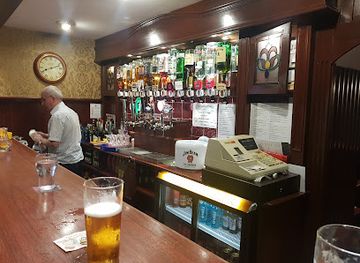
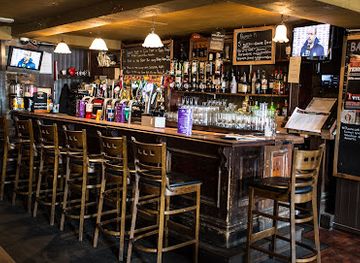
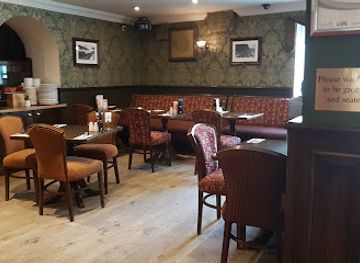
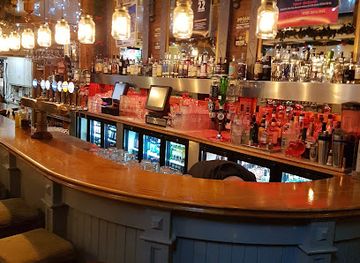
Evening life in Tyrone is centred more on traditional pubs, restaurants, hotel bars and live music than on a large nightclub circuit. Omagh, Dungannon, Cookstown and Strabane offer the broadest choice of places to meet, eat and listen to music, while smaller towns and villages generally have a quieter pub-based evening culture. Some establishments host local musicians or community events, but schedules and opening arrangements change, so current information is worth checking locally. In rural areas, the distances between settlements make taxis and designated transport important if drinking, and not every venue serves food late. Craft drinks and contemporary cocktails can be found in the larger towns, but Tyrone's nightlife is best understood as social and locally rooted rather than built around major entertainment districts.
-
Gastropub
Pretty Mary's
Cozy gastropub in Moira offering fresh European dishes, craft beers, lively sports bar vibes, and a welcoming family-friendly atmosphere.
-
Grill
The Coach Inn
Experience hearty grill fare and warm Irish hospitality at The Coach Inn, Omagh’s beloved pub and restaurant.
-
Bar
Canavan's
Canavan's blends traditional Irish hospitality with lively music, hearty dining, and cozy accommodation in the heart of Garvaghy.
-
Pub
Bogan's Bar
A lively Omagh pub blending live music, comedy, and social buzz in a welcoming, casual setting with moderate prices.
Best nightclubs in Tyrone
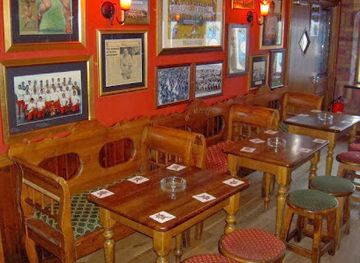
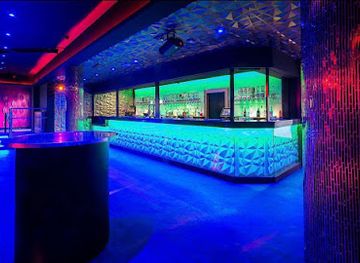
Evening life in Tyrone is centred more on traditional pubs, restaurants, hotel bars and live music than on a large nightclub circuit. Omagh, Dungannon, Cookstown and Strabane offer the broadest choice of places to meet, eat and listen to music, while smaller towns and villages generally have a quieter pub-based evening culture. Some establishments host local musicians or community events, but schedules and opening arrangements change, so current information is worth checking locally. In rural areas, the distances between settlements make taxis and designated transport important if drinking, and not every venue serves food late. Craft drinks and contemporary cocktails can be found in the larger towns, but Tyrone's nightlife is best understood as social and locally rooted rather than built around major entertainment districts.
-
Nightclub
McAleers Bar & Ivory Club
A vibrant blend of traditional pub charm and modern club sophistication in the heart of Dungannon.
-
Night Club
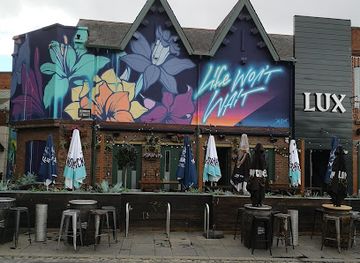
Club Lux
Energetic nightclub and bar in Belfast’s Cathedral Quarter offering vibrant music, affordable drinks, and lively late-night parties.
-
Nightclub
Clubland
Iconic Cookstown nightclub reborn as a vibrant family entertainment centre with rich cultural roots.
-
Nightclub
ORIGIN Nightclub & Bar Ballymena
Vibrant nightlife and dynamic dance floors await at ORIGIN Nightclub & Bar, Ballymena’s premier weekend party destination.

Best shops in Tyrone
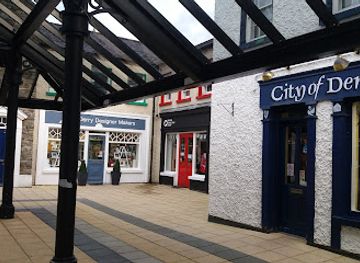
Shopping in Tyrone is primarily local and practical, with the strongest choice of independent retailers, cafés, food shops and services in Omagh, Dungannon, Cookstown and Strabane. Cookstown's broad central street retains the feel of a traditional market town, while the larger centres combine everyday high-street shopping with supermarkets and small specialist businesses. Visitors looking for regional products should explore farm shops, bakeries, delis and craft outlets for soda bread, preserves, confectionery, locally produced foods, pottery, textiles and handmade gifts. Art and craft purchases are more likely to be found through galleries, studio-based makers and cultural venues than through a single dedicated shopping quarter. Rural markets and seasonal fairs vary in timing, so local listings should be checked before travelling. Tyrone is a place to buy useful, food-based and maker-produced souvenirs rather than luxury goods or extensive designer retail.
-
Shopping Centre
Richmond Shopping Centre
Londonderry’s vibrant shopping heart offering diverse stores, family-friendly amenities, and lively events within historic city walls.
-
Shopping Centre
Meadows Shopping Centre
Compact and community-focused shopping centre anchored by The Range and Tesco, open daily with extended weekday hours in Portadown.
-
Clothing Shop
Primark
Discover budget-friendly fashion and stylish essentials at Primark Omagh, your go-to store on Market Street for affordable trends.
-
Shopping Centre
Oaks Shopping Centre
A vibrant shopping destination in Dungannon offering diverse stores, dining, and community-friendly amenities.
Get your free copy of our complete guide to Tyrone, delivered straight to you.
Everything on this page, from attractions and restaurants to essentials and local phrases, in one PDF you can read offline, print or share.
Already have an account? Sign in
Your Tyrone guide is ready.
We'll send it to · Not you? Sign out

Getting your guide ready…
We are putting together a fresh copy of the Tyrone guide. This can take up to a minute.
This can take a few moments. If your browser asks, choose Allow so the download can start. You'll find the guide in your Downloads folder.
Nothing happened? Download it again
Sorry, the guide is taking longer than usual. Please try again in a minute, or get it by email instead.
Tyrone essentials
Currency and Payment
Safety
Emergency Situations
Do's and Don'ts
Local Tips
From Eve
Local phrases worth knowing
You don't need to get them perfect. A few words go a long way, and locals appreciate the effort.
Basics
| English | Local | Say it |
|---|---|---|
| Hello | Howdy | [haʊdi] |
| Goodbye | See ya | [si jə] |
| Yes | Aye | [aɪ] |
| No | Nah | [nɑ] |
| Please/You're welcome | No bother | [noʊ ˈbɒðər] |
| Thank you | Thanks a lot | [θæŋks ə lɒt] |
| Excuse me/Sorry | Sorry about that | [ˈsɒri əˈbaʊt ðæt] |
| How are you? | How’s it goin’? | [haʊz ɪt ˈɡoʊɪn] |
| Fine. And you? | Good, you? | [ɡʊd, ju?] |
| Do you speak English? | Youse speakin’ English? | [juːz ˈspiːkɪn ˈɪŋɡlɪʃ] |
| I don't understand | I don’t get it | [aɪ doʊnt ɡɛt ɪt] |
Eating & Drinking
| English | Local | Say it |
|---|---|---|
| I'd like to see the menu, please | Can I see the menu? | [kæn aɪ si ðə ˈmɛnju] |
| I don't eat meat | I’m not eatin’ meat | [aɪm nɑt ˈiːtɪn miːt] |
| Cheers! | Cheers! | [tʃɪrz] |
| I would like to pay, please | Can I pay, please? | [kæn aɪ peɪ pliz] |
Emergencies
| English | Local | Say it |
|---|---|---|
| Help! | Help! | [hɛlp] |
| Go away! | Get lost! | [ɡɛt lɔst] |
| Call the Police! | Call the cops! | [kɔl ðə kɑps] |
| Call a doctor! | Call a doc! | [kɔl ə dɒk] |
| I'm lost | I’m lost | [aɪm lɔst] |
| I'm ill | I’m sick | [aɪm sɪk] |
Shopping
| English | Local | Say it |
|---|---|---|
| I'd like to buy... | I want to buy... | [aɪ wɒnt tu baɪ] |
| I'm just looking | Just lookin’ | [dʒʌst ˈlʊkɪn] |
| How much is it? | What's the price? | [wɒts ðə praɪs] |
| That's too expensive | That’s a bit pricey | [ðæts ə bɪt ˈpraɪsi] |
| Can you lower the price? | Can you bring it down? | [kæn ju brɪŋ ɪt daʊn] |
Time & Numbers
| English | Local | Say it |
|---|---|---|
| What time is it? | What’s the time? | [wɒts ðə taɪm] |
| It's one o'clock | It’s one o’clock | [ɪts wʌn əˈklɒk] |
| Half past (10) | Half past ten | [hæf pæst tɛn] |
| Morning | Mornin’ | [ˈmɔrnɪn] |
| Afternoon | Afternoon | [ˌɑːftərˈnuːn] |
| Evening | Evenin’ | [ˈiːvnɪn] |
| Yesterday | Yesterday | [ˈjɛstərdeɪ] |
| Today | Today | [təˈdeɪ] |
| Tomorrow | Tomorrow | [təˈmɔroʊ] |
| 1 | One | [wʌn] |
| 2 | Two | [tu] |
| 3 | Three | [θri] |
| 4 | Four | [fɔr] |
| 5 | Five | [faɪv] |
| 6 | Six | [sɪks] |
| 7 | Seven | [ˈsɛvən] |
| 8 | Eight | [eɪt] |
| 9 | Nine | [naɪn] |
| 10 | Ten | [tɛn] |
Transport & Directions
| English | Local | Say it |
|---|---|---|
| Where's a/the...? | Where's the...? | [wɛrz ðə] |
| What's the address? | What’s the address? | [wɒts ði əˈdrɛs] |
| Can you show me (on the map)? | Can you show me on the map? | [kæn ju ʃoʊ mi ɒn ðə mæp] |
| When's the next (bus)? | When’s the next bus? | [wɛnəz ðə nɛkst bʌs] |
| A ticket (to ....) | A ticket to ... | [ə ˈtɪkɪt tu] |
History of Tyrone
Prehistoric Tyrone and Beaghmore
The landscape around Beaghmore, near Cookstown, preserves a remarkable complex of prehistoric stone circles, stone rows and cairns. The monuments are generally associated with the Bronze Age, although activity at the site spans a long period and its precise meanings remain subjects of archaeological interpretation. Their setting on the edge of the Sperrins demonstrates how ceremonial landscapes were connected to upland terrain, water and the movement of prehistoric communities. Other archaeological remains across Tyrone, including megalithic tombs and ancient settlement traces, show that the county's present rural appearance overlies a much older cultural landscape.
The O'Neill Stronghold at Dungannon
Dungannon was central to the power of the O'Neill dynasty, the leading Gaelic family of Tyrone. The hill above the town served as an important seat of authority, particularly during the later medieval and early modern period, when the O'Neills controlled a substantial territory in Ulster. The dynasty's political and military influence brought Tyrone into repeated conflict with the English Crown. Although the original stronghold has not survived intact, the Hill of The O'Neill and the town's historical interpretation preserve the importance of Dungannon in the story of Gaelic Ulster.
The Nine Years' War and the Flight of the Earls
Tyrone was at the centre of the Nine Years' War, fought from 1594 to 1603 between Gaelic leaders and the English Crown. Hugh O'Neill, Earl of Tyrone, led resistance from his power base in the region, while the conflict caused severe disruption across Ulster. After the war and the subsequent departure of O'Neill and other Gaelic leaders from Ireland in 1607, the political balance of the province changed decisively. The Flight of the Earls is widely regarded as a turning point, opening the way for the Crown-sponsored Plantation of Ulster.
Plantation, Conflict and Benburb
The seventeenth century brought new patterns of landholding and settlement to Tyrone through the Plantation of Ulster, alongside continuing tension between established Gaelic communities and incoming settlers. The county was also affected by the wars of the 1640s. In 1646, the Confederate Irish army under Owen Roe O'Neill defeated a Scottish Covenanter force at the Battle of Benburb, fought near the Blackwater in County Tyrone. The battle remains one of the most important military episodes associated with the county, although its wider political gains were not sustained.
Agriculture, Linen and Market Towns
From the eighteenth century onwards, Tyrone's economy was shaped by farming, linen production, local fairs and the growth of market towns. Dungannon, Cookstown, Omagh and other settlements developed as places where agricultural communities exchanged livestock, grain, textiles and services. Linen production linked domestic work and small-scale manufacturing to wider commercial networks across Ulster. The broad layout of Cookstown reflects its planned development as a market town, while surviving town centres and rural estates record the social divisions and economic changes of the period.
Coal Mining and Industrial Change
Coal mining developed around Coalisland and the nearby Tyrone coalfield, creating an industrial landscape unusual within a predominantly agricultural county. Mining expanded during the nineteenth and early twentieth centuries, supported by canals, roads and railways that moved coal and other goods. The industry provided employment but was also physically demanding and vulnerable to changing energy markets. Its decline left traces in the form of altered landscapes and local memories, illustrating how Tyrone's economy has moved between farming, extraction, manufacturing and service-based work.
Railways, Roads and the Modern County
Railways once connected Tyrone's principal towns with the wider network of Ulster, carrying passengers, livestock, agricultural produce and industrial goods. Most passenger services disappeared during the twentieth century, and the county is now primarily reached by road and bus. Modern Tyrone has retained its dispersed settlement pattern while developing larger towns as administrative, educational and commercial centres. Institutions such as the Ulster American Folk Park and the county's archaeological and cultural sites interpret both local history and the migrations, economic changes and political experiences that shaped contemporary Northern Ireland.
Tyrone in Photos
Browse through our photo collection highlighting the charm and character of the destination.
Neighbouring regions of Tyrone
The closest regions to Tyrone, if you have time for more than one.
-

-

-

-

-


Swipe for more regions
Explore more

Explore more of United Kingdom
Discover the United Kingdom: A blend of rich history, stunning landscapes, and vibrant cities, offering a unique travel experience for every visitor.
Explore United Kingdom