Aberdulais Aqueduct Travel Guide
Free Guide: Historic stone aqueduct carrying the Tennant Canal over the River Neath, blending industrial heritage with tranquil waterside scenery.


A brief summary of Aberdulais Aqueduct
Historic stone aqueduct carrying the Tennant Canal over the River Neath, blending industrial heritage with tranquil waterside scenery.
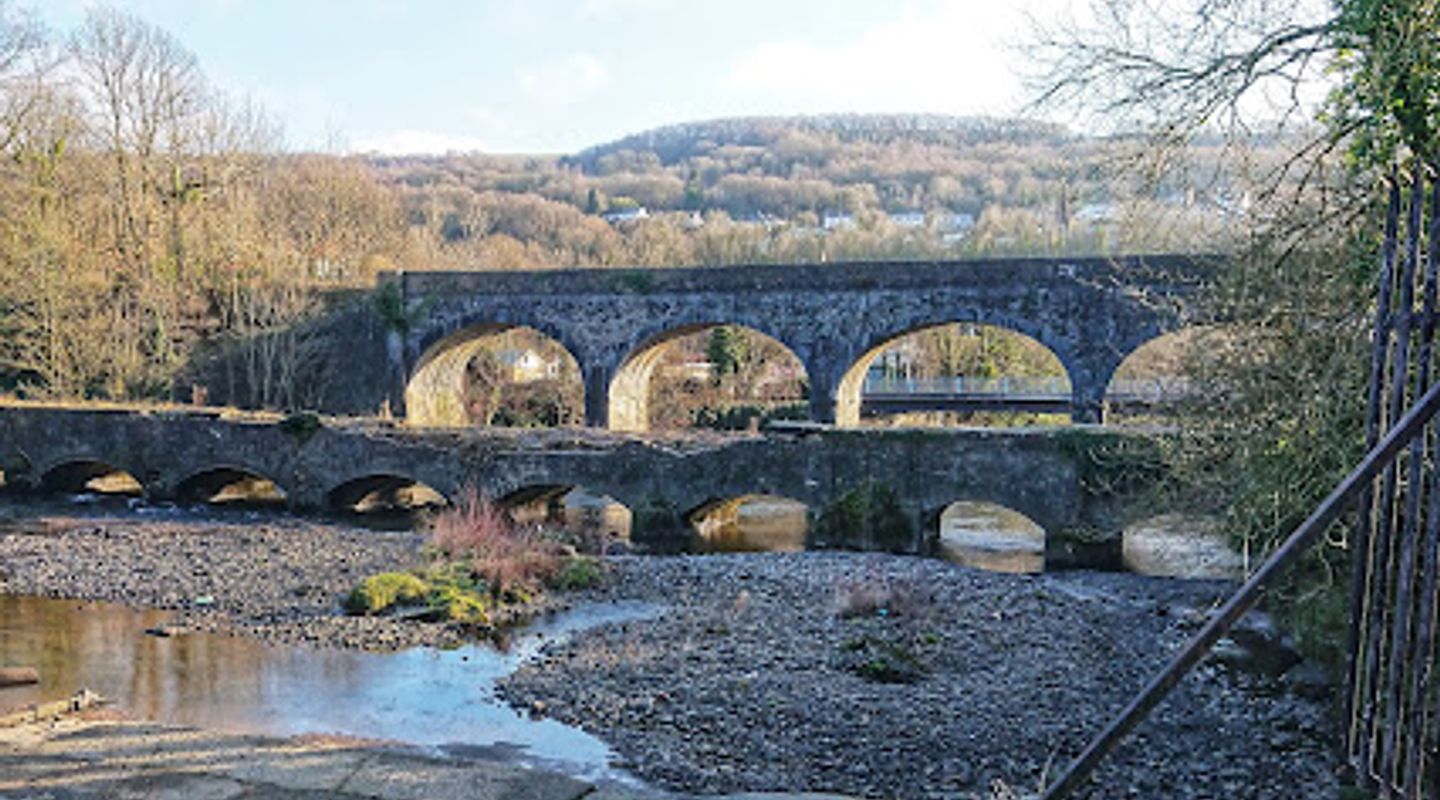
Aberdulais Aqueduct is a historic canal aqueduct located in Neath, Wales, where the Tennant Canal crosses the River Neath. Completed in 1824, this stone structure with multiple arches links the Tennant and Neath canals and is an important part of the Swansea Bay Inland Waterway. Surrounded by scenic waterway paths and industrial heritage, it offers visitors a tranquil setting for walking, photography, and exploring the region’s canal history.
On-site amenities
 Seating areas
 Information boards
Opening hours
- Every day12 am–11 pm
Opening hours as listed on the venue’s Google Business Profile. Hours can change for services and special events, so check with the venue before you go.
- Address
- Station Rd, Tonna, Neath SA10 8EP
- Website
Getting there
Bus
Train and Walk
Car
Discover more about Aberdulais Aqueduct
Engineering Heritage of Aberdulais Aqueduct
Completed in 1824, Aberdulais Aqueduct is a significant feat of early 19th-century engineering that carries the Tennant Canal over the River Neath. Constructed primarily from stone, the aqueduct features multiple arches that span the river, showcasing the craftsmanship and industrial design of the period. It was built to connect the Tennant Canal with the Neath Canal, facilitating waterborne transport and trade in South Wales during the Industrial Revolution. This structure remains a testament to the era’s canal-building ingenuity and the region’s industrial past.
Setting and Surrounding Waterways
The aqueduct is nestled in a lush, tranquil landscape where canal paths run alongside the water, inviting leisurely walks and exploration. It lies adjacent to the Tennant Canal, which stretches approximately 8 miles from Port Tennant in Swansea to Aberdulais, making the aqueduct a key junction in this historic waterway network. The surrounding area offers peaceful waterside views, abundant greenery, and a chance to observe wildlife and water-based activities, enhancing the visitor experience beyond the aqueduct itself.
Architectural and Visual Features
The aqueduct’s stone arches are its defining architectural feature, with the structure measuring just over 100 meters in length and comprising eleven low arches. A stone parapet runs along the downstream side, remnants of which remain intact, offering a glimpse into the original towpath used by horses to pull canal boats. The aqueduct’s robust, historic design contrasts with the nearby railway viaduct built by the famed engineer Isambard Kingdom Brunel in 1851, creating a compelling visual dialogue between different eras of transport infrastructure.
Recreational and Cultural Importance
Today, Aberdulais Aqueduct serves as a peaceful spot for walking, photography, and enjoying the region’s canal heritage. The towpath alongside the aqueduct is popular among walkers and those interested in canal history, linking to nearby pubs and amenities that complement a day out. The aqueduct is also part of local efforts to preserve and regenerate the Neath and Tennant canals, reflecting ongoing community engagement with this historic landscape.
Connection to Industrial Legacy
The aqueduct is situated near the famous Aberdulais Tin Works and waterfall, a site that epitomizes the industrial heritage of the area. This proximity adds depth to the visitor experience, connecting the aqueduct’s role in water transport with the broader industrial narrative of South Wales. Together, these sites illustrate the region’s transformation through industry and the enduring legacy of its waterways.
Visitor Experience and Atmosphere
Visitors to Aberdulais Aqueduct can expect a serene environment where the sounds of flowing water and birdsong blend with the historic stonework’s quiet presence. The site’s blend of natural beauty and industrial heritage offers a unique atmosphere that appeals to history enthusiasts, photographers, and those seeking a tranquil outdoor escape. Its accessibility and scenic surroundings make it a rewarding destination for a variety of travelers.
Evendo Review Centre
 Google
Guest reviews
Best time to go
Quietest: Jan, Feb & Dec · before 3am
Busy times are Evendo estimates for a typical year, to help you plan. Actual crowds vary with events, school holidays and the weather.
Explore Aberdulais Aqueduct on the map
A handpicked selection of must-see spots near Aberdulais Aqueduct, mapped for you.
Get your free copy of our complete guide to Aberdulais Aqueduct, delivered straight to you.
Everything on this page, from opening hours and how to get there to Eve’s tips and the best time to go, in one PDF you can read offline, print or share.
Already have an account? Sign in
Your Aberdulais Aqueduct guide is ready.
We'll send it to · Not you? Sign out

Getting your guide ready…
We are putting together a fresh copy of the Aberdulais Aqueduct guide. This can take up to a minute.
This can take a few moments. If your browser asks, choose Allow so the download can start. You'll find the guide in your Downloads folder.
Nothing happened? Download it again
Sorry, the guide is taking longer than usual. Please try again in a minute, or get it by email instead.
Other nearby places you may find interesting
The closest places of the same kind, if this one is not quite what you had in mind.
-
-
-
-
-


Swipe for more places
More to explore near Aberdulais Aqueduct

 Best experiences near Aberdulais Aqueduct
 Best hotels near Aberdulais Aqueduct
 Best landmarks near Aberdulais Aqueduct
 Best attractions near Aberdulais Aqueduct
 Best shops near Aberdulais Aqueduct
 Best restaurants near Aberdulais Aqueduct
 Best bars near Aberdulais Aqueduct
Do you manage this location?
Take control to get all the benefits, like improved information, better appearance, and stronger visibility across AI-powered discovery.
Explore more

Explore more of Wales
Discover Wales: Ancient castles, stunning landscapes, and vibrant culture in the heart of the United Kingdom.
Explore Wales
Explore more of United Kingdom
Discover the United Kingdom: A blend of rich history, stunning landscapes, and vibrant cities, offering a unique travel experience for every visitor.
Explore United Kingdom