

Free Wales Travel Guide & Mobile App
Explore Wales with free travel guides. Discover regional history, expert tips, proposed trips, and audio guides on web or mobile app.


Explore Wales for medieval castles, mountain landscapes, coastal paths, Welsh culture, industrial heritage and distinctive regional food.
Read more about Wales
When is the best time to visit Wales?
Best: June–August · 18–20°C| Month | High (°C) | Rainfall (mm) |
|---|---|---|
| January | 7 | 100 |
| February | 8 | 90 |
| March | 10 | 85 |
| April | 12 | 75 |
| May | 15 | 70 |
| June (best) | 18 | 70 |
| July (best) | 20 | 75 |
| August (best) | 20 | 85 |
| September | 18 | 85 |
| October | 14 | 90 |
| November | 10 | 100 |
| December | 8 | 110 |
Getting to and around Wales
How to get there
Transportation
Top city travel guides in Wales
The cities of Wales, and the easiest places to base yourself.
-

-

-

-

-

-


Swipe for more cities
Destinations in Wales
Resorts, valleys and scenic spots worth a trip of their own.
-

-

-

-

-
-


Swipe for more destinations
Best attractions in Wales
Wales's attractions range from medieval fortresses and Roman remains to mountain trails, coastal paths and industrial landscapes. In the north, the castles of Conwy, Caernarfon, Harlech and Beaumaris create a powerful route through the history of conquest, while Eryri National Park offers ridges, lakes, valleys and challenging walks. The north-east adds the Pontcysyllte Aqueduct and Canal, an engineering landmark set above the Dee Valley. Mid-Wales is suited to slower exploration, with the Elan Valley, the Cambrian Mountains and broad opportunities for cycling, walking and stargazing. In the south, Cardiff's museums and civic institutions contrast with the former ironworks at Blaenavon, the waterfalls and escarpments of Bannau Brycheiniog, and the Gower and Pembrokeshire coastlines. St Davids, Tintern Abbey, the National Botanic Garden of Wales and the National Slate Museum broaden the cultural offer, while beaches, wildlife reserves, geological formations and heritage railways provide outdoor and family-oriented experiences. Many sites are dispersed, so attractions are best grouped geographically rather than attempted in a single itinerary.
-
Shopping outlet
Designer Outlet Bridgend
A relaxed, village-style shopping village in South Wales with over 80 designer and high-street brands, discounts up to 60% off, and a cinema, play area, and free parking.
-
Tourist attraction
Devil's Bridge Waterfalls
Discover the awe-inspiring triple bridges and cascading waterfalls nestled in the Cambrian Mountains at Devil's Bridge Waterfalls.
-
Botanical garden
National Botanic Garden of Wales
Explore the world’s largest single-span glasshouse and 500 acres of restored Welsh landscape, home to rare plants and captivating wildlife.
-
Tourist attraction
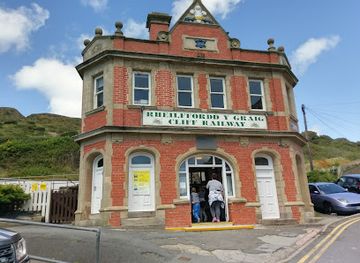
Aberystwyth Cliff Railway
Ride Britain’s longest electric funicular up Constitution Hill for breathtaking coastal views, historic charm, and family-friendly fun in Aberystwyth.


Best landmarks in Wales
Wales is marked by a concentration of fortresses, religious buildings and engineered landscapes. Conwy Castle and Caernarfon Castle are major examples of Edward I's late-thirteenth-century building programme, with town walls and planned settlements that explain how military power was imposed on north Wales. Harlech Castle occupies a dramatic hill above the coastal plain, while Beaumaris Castle on Anglesey is an unfinished but highly sophisticated medieval design. St Davids Cathedral reflects the importance of pilgrimage and the country's religious history; nearby St Davids is Britain's smallest city by city status. Tintern Abbey stands in the wooded Wye Valley, its ruins associated with the medieval Cistercian order. Industrial landmarks include the Blaenavon ironworks and the Pontcysyllte Aqueduct, whose high canal crossing demonstrates the ambition of the Industrial Revolution. Yr Wyddfa, the country's highest mountain, and the Pembrokeshire coast provide natural landmarks of national significance, while the slate quarries of north-west Wales reveal how geology shaped work, settlement and identity.
-
Castle
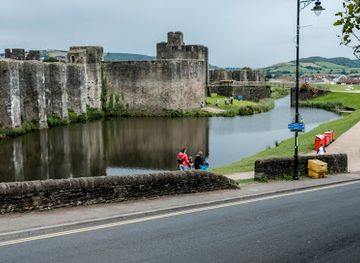
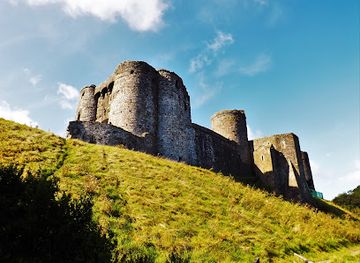
Castell Caerffili / Caerphilly Castle
Wales' mightiest fortress, featuring a leaning tower that outranks Pisa and a newly restored Great Hall.
-
Castle
Beaumaris Castle
Edward I's unfinished masterpiece—a perfectly symmetrical fortress that reveals medieval ambition frozen in stone.
-
Promenade
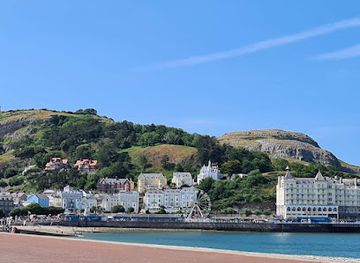
Llandudno Promenade
A magnificent 2-mile Victorian promenade where classic British seaside charm meets stunning coastal views and timeless attractions.
-
Castle
Castell Cydweli / Kidwelly Castle
A 900-year-old Norman fortress rising above the River Gwendraeth, where medieval military genius meets breathtaking Welsh countryside.

Explore Wales on the map
Plan your trip on one map. See where the top cities, national parks and sights are, and book hotels and experiences in a few clicks.
Best hotels in Wales
Best restaurants in Wales
Welsh dining draws on upland farming, coastal harvests, market gardening and a strong tradition of cafés, pubs and bakeries. Cawl, a slow-cooked soup or broth of vegetables and meat, is widely associated with home cooking, while Welsh rarebit, Welsh cakes, bara brith and Glamorgan sausages appear in many interpretations across the country. Laverbread, made from seaweed, is particularly associated with south Wales and is often served with breakfast dishes or seafood. Lamb, beef, farmhouse cheeses, mussels, oysters and smoked fish feature on menus according to location and season. Cardiff, Swansea and larger towns offer contemporary restaurants and international cuisines, while rural inns and coastal cafés often focus on local produce. Farmers' markets and food halls are practical places to find cheeses, preserves, breads and baked goods. Menus vary considerably between the Atlantic coast, farming districts and former industrial towns, so regional food is best understood as a collection of local traditions rather than one uniform cuisine.
-
 Hotel
HotelMetropole Hotel and Spa
A classic Victorian spa hotel in Llandrindod Wells, offering elegant rooms, a full leisure centre, and hearty dining in the heart of mid-Wales.
-
Modern British
The Secret Beach Bar & Kitchen
A vibrant modern British beachside bar and kitchen with stunning Swansea Bay views and a welcoming, dog-friendly atmosphere.
-
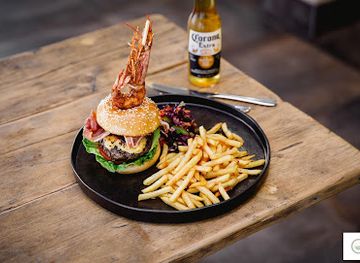
Gastropub
Penycae Inn Ltd
Cozy gastropub in the heart of South Wales offering fine Welsh cuisine, scenic mountain views, and a unique family-friendly atmosphere.
-
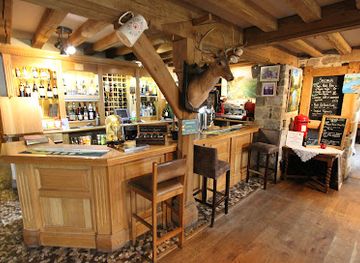
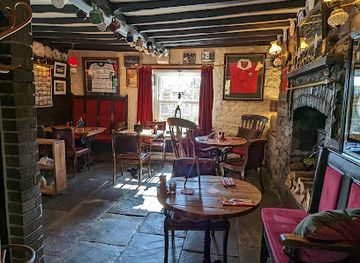
Gastropub
The Red Lion Inn, Penderyn
A warm, traditional Welsh gastropub in Penderyn serving seasonal local dishes and real ales in a cozy, historic setting.
Best bars in Wales
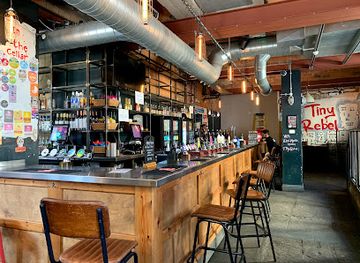
Evening life in Wales ranges from traditional pubs and historic inns to live music, theatre and a modest but established club scene. Cardiff is the principal centre for late-night entertainment, with bars, music venues and clubs concentrated around the city centre and adjoining districts, while Swansea and Newport also have busy evening economies. University populations contribute to nightlife in Cardiff, Aberystwyth, Bangor and Swansea, although the atmosphere varies during academic holidays. In smaller towns and rural areas, evenings more often centre on pubs, restaurants, breweries, community events and live music than on large clubs. Coastal resorts can become livelier in summer, but seasonal changes affect opening arrangements. Welsh breweries and cider producers are represented in many pubs, alongside drinks from elsewhere in the UK. Visitors should check the last bus or train before going out, as rural public transport is limited and taxi availability can be restricted outside larger settlements.
-
Pub
Tiny Rebel Cardiff
A lively craft beer pub near Principality Stadium offering award-winning brews, great food, live jazz, and a quirky, welcoming vibe.
-
Bar
The Live Lounge Cardiff
Cardiff’s premier live music bar and nightclub offering affordable drinks, hearty food, and vibrant nightlife until 4am daily.
-
Cocktail bar
Peppermint Bar
Sophisticated cocktails and vibrant dining in the heart of Cardiff with a lively garden terrace and welcoming atmosphere.
-
Grill
Coyote Ugly Saloon Cardiff
Lively bar and grill in Cardiff’s city center, famous for spirited entertainment, generous food, and a vibrant nightlife atmosphere.

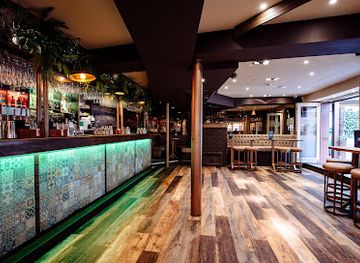

Best nightclubs in Wales
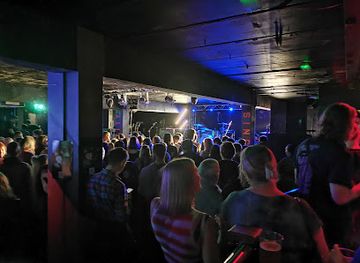
Evening life in Wales ranges from traditional pubs and historic inns to live music, theatre and a modest but established club scene. Cardiff is the principal centre for late-night entertainment, with bars, music venues and clubs concentrated around the city centre and adjoining districts, while Swansea and Newport also have busy evening economies. University populations contribute to nightlife in Cardiff, Aberystwyth, Bangor and Swansea, although the atmosphere varies during academic holidays. In smaller towns and rural areas, evenings more often centre on pubs, restaurants, breweries, community events and live music than on large clubs. Coastal resorts can become livelier in summer, but seasonal changes affect opening arrangements. Welsh breweries and cider producers are represented in many pubs, alongside drinks from elsewhere in the UK. Visitors should check the last bus or train before going out, as rural public transport is limited and taxi availability can be restricted outside larger settlements.
-
Nightclub
Sin City
Energetic Swansea nightclub with live music, affordable drinks, and a lively atmosphere on Dillwyn Street.
-
Nightclub
Trilogy Nightclub
Experience Bangor’s vibrant nightlife at Trilogy Nightclub, where diverse music, themed rooms, and lively crowds create unforgettable weekend parties.
-
Nightclub
Academi
Bangor’s student hotspot for diverse music, great vibes, and affordable nights out near the university.
-
Night Club
The Kirkhouse Nightclub (Koolers)
Experience Merthyr Tydfil’s energetic nightlife at The Kirkhouse Nightclub, where music, dancing, and community spirit come alive every weekend.



Best shops in Wales
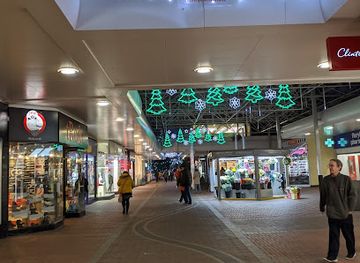
Shopping in Wales is strongest in its market towns, city centres, coastal communities and independent craft districts rather than in a single national retail area. Cardiff provides the broadest choice of department stores, high-street brands, arcades, design shops and food retailers, while Swansea, Newport, Wrexham, Bangor, Aberystwyth and larger towns each have their own blend of national and independent businesses. Farmers' markets are useful for Welsh cheeses, preserves, bread, cakes, meat and seasonal produce, though market days vary by town. Craft shops and galleries sell ceramics, slate products, textiles, woodwork, jewellery and artwork inspired by local landscapes. In north-west Wales, slate is a particularly meaningful material, while coastal areas often specialise in food gifts and outdoor equipment. Traditional souvenirs may include Welsh-language books, flags and literary works; choosing products made in Wales supports local producers more directly than generic items carrying a Welsh motif. Rural shops can close earlier and have limited stock, so plan practical purchases before heading into remote areas.
-
Shopping Centre
Cwmbran Centre
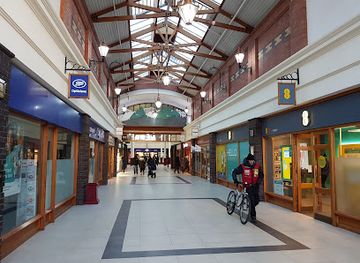
Cwmbran Centre: Your vibrant shopping and community hub in South Wales with diverse stores and festive events year-round.
-
Shopping Centre
Victoria Shopping Centre
North Wales’ premier shopping destination blending high street brands and independent stores in the heart of Llandudno.
-
Shopping Centre
Plas Coch Retail Park
A vibrant retail hub in Wrexham offering diverse shopping, dining, and leisure options for a complete visitor experience.
-
Shopping outlet
Tweedmill Shopping Outlet
Discover over 300 brands, local Welsh produce, and leisure facilities all under one roof at Tweedmill Shopping Outlet in North Wales.

Get your free copy of our complete guide to Wales, delivered straight to you.
Everything on this page, from attractions and restaurants to essentials and local phrases, in one PDF you can read offline, print or share.
Already have an account? Sign in
Your Wales guide is ready.
We'll send it to · Not you? Sign out

Getting your guide ready…
We are putting together a fresh copy of the Wales guide. This can take up to a minute.
This can take a few moments. If your browser asks, choose Allow so the download can start. You'll find the guide in your Downloads folder.
Nothing happened? Download it again
Sorry, the guide is taking longer than usual. Please try again in a minute, or get it by email instead.
Wales essentials
Currency and Payment
Safety
Emergency Situations
Do's and Don'ts
Local Tips
From Eve
Local phrases worth knowing
You don't need to get them perfect. A few words go a long way, and locals appreciate the effort.
Basics
| English | Local | Say it |
|---|---|---|
| Hello | Helo | [heh-lo] |
| Goodbye | Hwyl fawr | [hoyl vour] |
| Yes | Ie | [yeh] |
| No | Na | [nah] |
| Please/You're welcome | Os gwelwch yn dda | [os gwel-ookh un thah] |
| Thank you | Diolch | [dee-olch] |
| Excuse me/Sorry | Mae'n ddrwg gennyf | [myne droog gen-iv] |
| How are you? | Sut wyt ti? | [sit weet tee] |
| Fine. And you? | Iawn. A ti? | [yown. Ah tee] |
| Do you speak English? | Ydych chi'n siarad Saesneg? | [uh-dich kheen sha-rad sighs-neg] |
| I don't understand | Nid wyf yn deall | [nid oo-iv un deh-all] |
Eating & Drinking
| English | Local | Say it |
|---|---|---|
| I'd like to see the menu, please | Hoffwn i weld y fwydlen, os gwelwch yn dda | [hoh-vun ee weld uh voo-id-len, os gwel-ookh un thah] |
| I don't eat meat | Nid wyf yn bwyta cig | [nid oo-iv un boo-ee-ta keeg] |
| Cheers! | Iechyd da! | [yeh-kid dah] |
| I would like to pay, please | Hoffwn i dalu, os gwelwch yn dda | [hoh-vun ee tah-lee, os gwel-ookh un thah] |
Emergencies
| English | Local | Say it |
|---|---|---|
| Help! | Help! | [help] |
| Go away! | Trowch yma! | [trohkh um-mah] |
| Call the Police! | Galwch am y heddlu! | [gal-ookh am uh hed-lee] |
| Call a doctor! | Galwch am ddoctor! | [gal-ookh am doctor] |
| I'm lost | Dw i wedi colli | [doo ee wed-ee col-ee] |
| I'm ill | Dw i'n sâl | [doo een sahl] |
Shopping
| English | Local | Say it |
|---|---|---|
| I'd like to buy... | Hoffwn i brynu... | [hoh-vun ee brin-ee] |
| I'm just looking | Dw i'n edrych yn unig | [doo een ed-rikh un eenig] |
| How much is it? | Faint mae'n costio? | [vine myne cost-io] |
| That's too expensive | Mae'n rhy drud | [myne ree threed] |
| Can you lower the price? | Gellwch chi leihau'r pris? | [gel-ookh khee lay-hire pris] |
Time & Numbers
| English | Local | Say it |
|---|---|---|
| What time is it? | Faint ydy hi? | [vine uh-dee hee] |
| It's one o'clock | Mae hi'n un o'r gloch | [my hee-un een or gloch] |
| Half past (10) | Hanner wedi (10) | [han-er wed-ee (10)] |
| Morning | Bore | [bo-reh] |
| Afternoon | Prynhawn | [prin-hown] |
| Evening | Noswaith | [nos-why-th] |
| Yesterday | Ddoe | [thoy] |
| Today | Heddiw | [heh-dee] |
| Tomorrow | Yfory | [uh-vor-ee] |
| 1 | Un | [een] |
| 2 | Dau | [dye] |
| 3 | Tri | [tree] |
| 4 | Pedair | [peh-dye] |
| 5 | Pump | [pum-p] |
| 6 | Chwech | [kh-wekh] |
| 7 | Saith | [sigh-th] |
| 8 | Wyth | [wee-th] |
| 9 | Naw | [now] |
| 10 | Deg | [deg] |
Transport & Directions
| English | Local | Say it |
|---|---|---|
| Where's a/the...? | Ble mae...? | [bleh my...] |
| What's the address? | Beth yw'r cyfeiriad? | [beth oo-rr kuh-vey-ree-ad] |
| Can you show me (on the map)? | Allwch chi fy arddangos (ar y map)? | [ahl-ookh khee vee ar-dan-gos (ar uh map)] |
| When's the next (bus)? | Pryd mae'r nesaf (bws)? | [preed myrr ness-av (boos)] |
| A ticket (to ....) | Tocyn (i ....) | [tok-in (ee ....)] |
History of Wales
Prehistoric Wales and Celtic Communities
Wales preserves evidence of human activity from the Stone Age onwards, including megalithic monuments, burial chambers and hillforts. Communities of the later Bronze and Iron Ages occupied defended settlements and cultivated valleys while maintaining connections across the Irish Sea and western Britain. The landscape of mountains, uplands and fertile coastal plains helped produce distinct local communities rather than a single centralised kingdom. These early remains are still visible in places such as Anglesey, Pembrokeshire and the uplands of mid-Wales, providing important context for the country's enduring association with Celtic languages and traditions.
Roman Occupation, First to Fourth Centuries
Roman forces conquered much of Wales during the first century AD, meeting particularly strong resistance from the Ordovices in the north and the Silures in the south-east. Forts, roads, administrative settlements and military works reshaped the region; Caerleon developed into a major legionary centre, while military sites were established across the frontier zones. Roman control was uneven and did not erase local culture. The remains at Caerleon, including the amphitheatre and baths, and the fort at Segontium near Caernarfon reveal the strategic importance of Wales within the Roman province of Britannia.
Medieval Welsh Kingdoms and Norman Expansion
After Roman rule ended, several Welsh kingdoms emerged, including Gwynedd, Powys, Deheubarth and Morgannwg. Rulers such as Hywel Dda and Llywelyn ap Gruffudd attempted to consolidate power, but relations with neighbouring English kingdoms remained tense. Norman and Marcher lordships developed along the border and built castles to control territory. Native Welsh princes also constructed fortifications and administrative centres. The period left a complex legacy of political rivalry, ecclesiastical foundations and bilingual border culture, visible in castles, churches and historic towns across Wales.
Edwardian Conquest and the Castles of North Wales
Edward I's conquest of Wales between 1277 and 1283 ended the independence of the principal Welsh principality. The English crown established new towns and built substantial castles at Conwy, Caernarfon, Harlech and Beaumaris, forming a coordinated system of military and administrative control. Caernarfon also became closely associated with the English crown's Welsh title of Prince of Wales. These fortresses were instruments of conquest as well as remarkable examples of medieval military architecture, and several remain among Wales's most important historic monuments.
Laws of Incorporation and Early Modern Transformation
The Tudor Laws in Wales, passed in stages in 1535 and 1543, incorporated Wales more fully into the English legal and administrative system. Welsh representation in Parliament was formalised, English became the language of official administration and the marcher lordships were reorganised into shires. The legislation did not eliminate Welsh language or culture, but it altered political institutions and accelerated integration with England. Religious change during the Reformation and the later growth of nonconformity also reshaped communities, worship and education throughout the country.
Industrialisation, Coal and Slate
From the eighteenth century, Wales became central to Britain's industrial development. Coal, iron, copper, slate and associated transport networks transformed the south Wales valleys, north-western quarry districts and parts of the north-east. Ports such as Cardiff, Swansea and Newport expanded as coal and metal products entered international trade. Canals, railways, tramways and engineered landscapes connected mines and quarries with the coast. Blaenavon, the slate landscape of north-west Wales and surviving valley communities preserve the physical and social legacy of industrialisation, including migration and rapid urban growth.
Modern National Identity and Devolution
The twentieth century brought major economic change as coal mining, heavy industry and slate production declined, leaving many communities to develop new roles in services, culture, tourism and education. Welsh-language activism, the growth of national cultural institutions and campaigns for political self-government strengthened public expressions of Welsh identity. A devolved legislature was established in 1999 and later became the Senedd Cymru, or Welsh Parliament. Contemporary Wales combines devolved public life, bilingual administration, internationally recognised heritage and continuing debate about language, economy, land use and national identity within the United Kingdom.
Wales in Photos
Browse through our photo collection highlighting the charm and character of the destination.
Neighbouring regions of Wales
The closest regions to Wales, if you have time for more than one.
-

-

-

-

-


Swipe for more regions
Explore more

Explore more of United Kingdom
Discover the United Kingdom: A blend of rich history, stunning landscapes, and vibrant cities, offering a unique travel experience for every visitor.
Explore United Kingdom