Shap Abbey, Westmorland Travel Guide
Discover the serene ruins of Shap Abbey, a 12th-century Premonstratensian monastery nestled in Cumbria’s tranquil Lowther Valley.
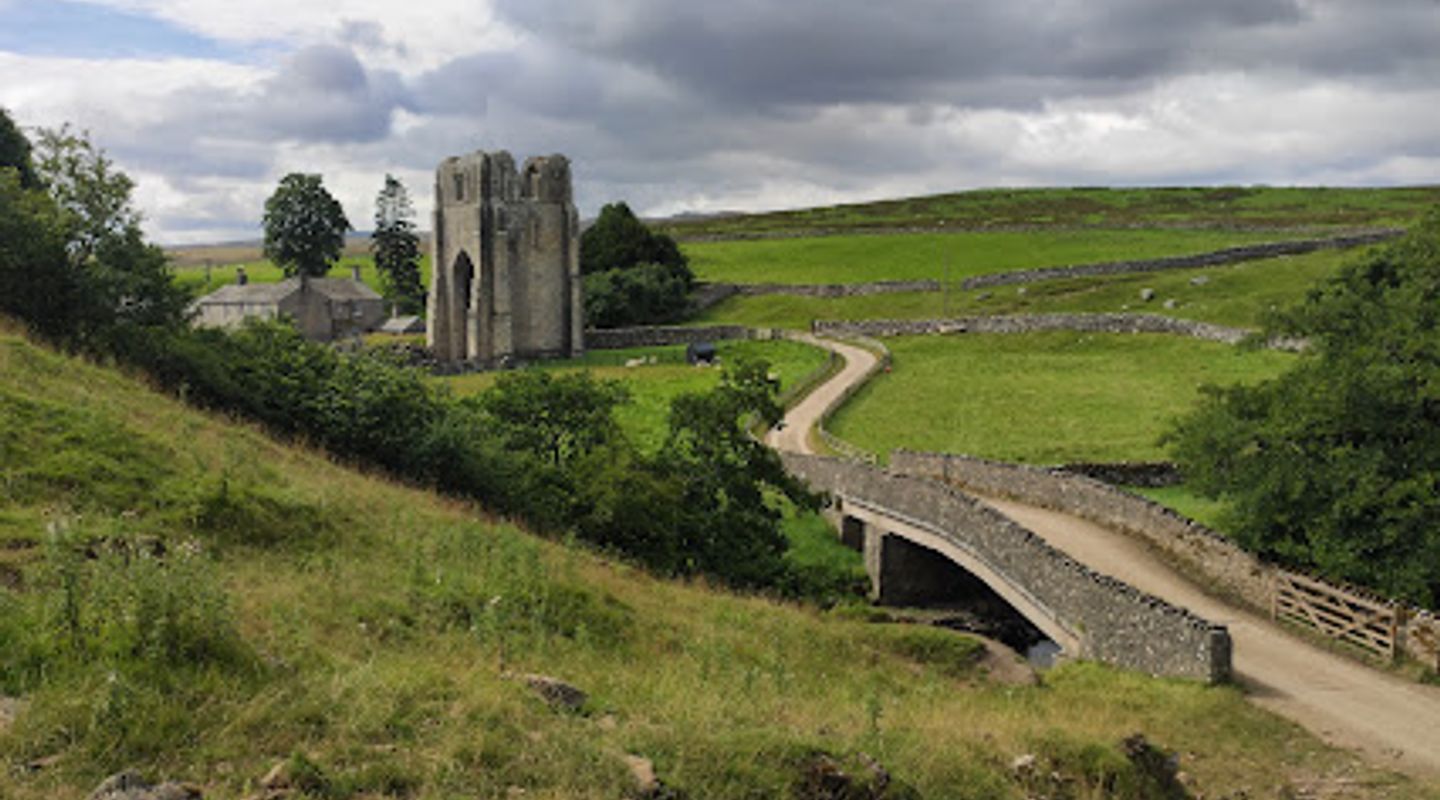
Shap Abbey, located near Penrith in Cumbria, is a peaceful and evocative ruin of a 12th-century Premonstratensian monastery. Set in a secluded valley by the River Lowther, the site offers visitors a glimpse into medieval monastic life through its impressive 15th-century tower and surrounding remains, complemented by informative panels. Open during daylight hours with a modest parking fee, it is a serene destination for history enthusiasts and nature lovers alike.
A brief summary to Shap Abbey
- Keld Ln, Penrith, CA10 3NB, GB
- Click to display
- Click to display
- Duration: 1 to 2.5 hours
- Budget
-
 Outdoor
- Mobile reception: 4 out of 5

Know before you go
Hi, I'm Eve. Here are a few practical things to know before exploring Shap Abbey.
- Visit during spring or summer for milder weather and vibrant natural surroundings.
- Parking costs £2 for non-English Heritage members; payment is by text or online in advance.
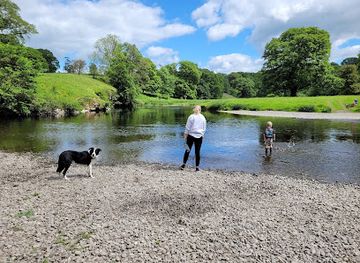
- Dogs on leads are welcome, making it a great spot for pet owners.
- Wear sturdy footwear as the access track is steep and crosses grazed farmland.
Do you manage this location?
Take control to get all the benefits, like improved information, better appearance, and stronger visibility across AI-powered discovery. Learn more about listing your business on Evendo
Activate your presenceOther nearby places you may find interesting
The closest places of the same kind, if this one is not quite what you had in mind.
Explore Shap Abbey on the Map
A handpicked selection of must-see spots near Shap Abbey, mapped for you.
Getting There
-
Car
Driving from Penrith to Shap Abbey takes approximately 20-30 minutes via the A6 road. Parking is available near the site for a £2 fee payable by text or online. Note the access track is steep and narrow, and the site is unsuitable for large coaches or vehicles in wintry conditions.
-
Bus
Local bus services connect Penrith to Shap village, with a journey time of around 30-40 minutes. From Shap village, the abbey is reachable by a 20-minute walk over rural terrain. Bus frequency varies, so check schedules in advance.
-
Walking
For the adventurous, walking from Shap village to the abbey is about 3 km, taking roughly 40-50 minutes on rural paths with gentle inclines. Suitable footwear is recommended; the route offers scenic views of the Lowther Valley.
For the on-the-go comforts that matter to you
-
 Restrooms
-
 Parking
-
 Information Boards
-
 Seating Areas
-
 Trash Bins
Discover more about Shap Abbey
Origins and Historical Significance of Shap Abbey
Founded in 1199, Shap Abbey was established by Premonstratensian canons, a religious order dedicated to a life of prayer and agricultural labor. Situated strategically near the River Lowther, the abbey benefited from fertile lands and water access, which supported its self-sufficient monastic community. Throughout the medieval period, Shap Abbey played an important role in the economic and spiritual life of the Eden District region.The abbey flourished until the Dissolution of the Monasteries under Henry VIII in the 1530s, a process that led to its closure in 1540. Unlike some religious houses, the canons of Shap Abbey were granted pensions and often continued their clerical duties elsewhere. The ruins that remain today, including a striking 15th-century tower, stand as a testament to this rich religious heritage.Exploring the Ruins and Landscape
Visitors to Shap Abbey can wander among evocative stone walls, the remnants of cloisters, and other monastic buildings. The site is enhanced by several information boards that provide context on the daily lives of the canons and the architectural features of the abbey. The abbey grounds are enveloped by the tranquil Lowther Valley, offering a harmonious blend of cultural history and natural beauty.The abbey’s layout reflects a thoughtful integration with the surrounding landscape, designed to foster contemplation and seclusion. The peaceful atmosphere is often accompanied by the gentle sounds of the river and local wildlife, deepening the sense of retreat from modern life.Visitor Experience and Accessibility
Shap Abbey is open during reasonable daylight hours year-round, with free entry to the site. A parking charge of £2 applies for non-members of English Heritage, payable by text or online in advance. The access track to the car park is steep and narrow, crossing grazed farmland, and disabled access is limited to external views only. Dogs on leads are welcome, making the site suitable for pet owners.The site is not suitable for large coaches or vehicles in adverse weather conditions, and visitors should be aware of farm livestock in the area. The abbey’s quiet surroundings often feature local fauna such as sheep and ducks, contributing to a serene setting.Cultural and Natural Context in Cumbria
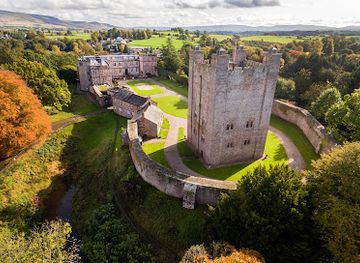
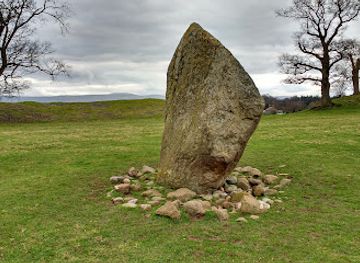
Shap Abbey sits within a region rich in history and nature. Nearby attractions include medieval ruins like Brougham Castle and prehistoric sites such as King Arthur’s Round Table and Mayburgh Henge. The Eden District and Lake District National Park offer extensive opportunities for hiking, cycling, and exploring Cumbrian heritage.The abbey’s location in a rural valley encourages visitors to appreciate the interplay between human history and the natural environment. Seasonal changes bring varied landscapes, from spring blooms to autumnal hues, enhancing the contemplative mood of the site.Preservation and Educational Value
Managed by English Heritage, Shap Abbey benefits from ongoing conservation efforts to maintain its structural remains and interpretive materials. The site serves as an educational resource, illustrating monastic architecture and medieval religious practices. Visitors can engage with the history through onsite panels that detail the abbey’s foundation, daily routines of the canons, and its eventual dissolution.The preservation of Shap Abbey ensures that this cultural landmark remains accessible for future generations to explore and reflect upon the monastic legacy embedded in the Cumbrian landscape.Atmosphere and Reflective Opportunities
The abbey’s secluded setting and quiet ambiance invite visitors to slow down and absorb the historical resonance of the ruins. The combination of stone remnants, flowing river, and open skies creates a timeless space for contemplation. Whether alone or with companions, visitors often find the abbey a place to connect with both history and nature in a deeply personal way.The gentle presence of local wildlife and the soft rustle of the surrounding trees enhance the sensory experience, making Shap Abbey a unique destination for those seeking tranquility coupled with cultural depth.












Your all‑in‑one travel companion app
Explore expert travel guides, compare and book tours, experiences, hotels, and more—all from the palm of your hand. Download now for seamless trip planning wherever your wanderlust takes you.


Explore More of Westmorland
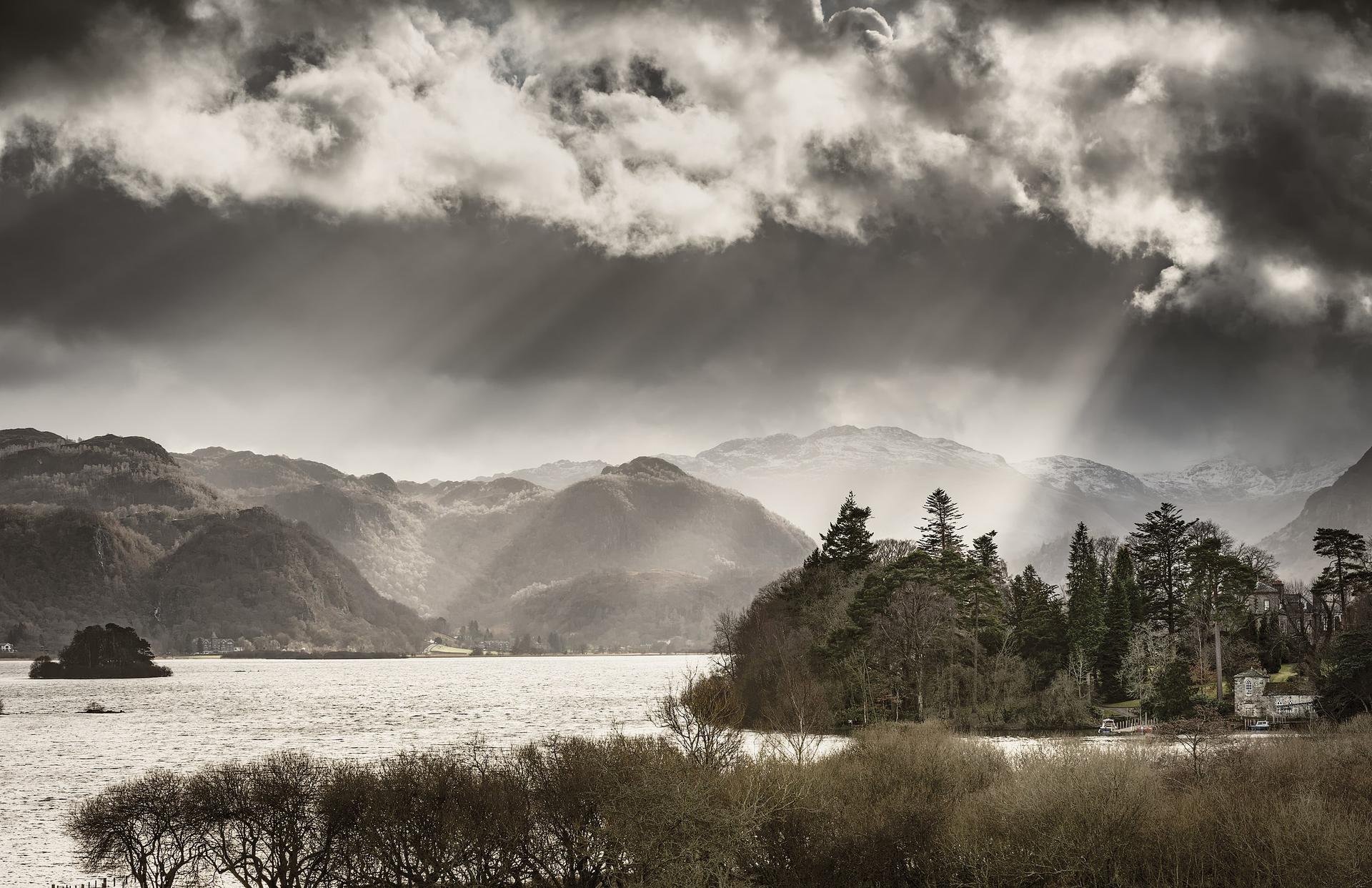
Looking beyond Shap Abbey? Discover Westmorland for broader travel guides, local hot-spots, and regional highlights.
Explore Westmorland