

Free Westmorland Travel Guide & Mobile App
Explore Westmorland with free travel guides. Discover regional history, expert tips, proposed trips, and audio guides on web or mobile app.


Explore Westmorland’s historic market towns, southern lakes, castles, abbeys, green valleys and open fells across Cumbria.
Read more about Westmorland
Getting to and around Westmorland
How to get there
Transportation
Destinations in Westmorland
Resorts, valleys and scenic spots worth a trip of their own.
-

-


Swipe for more destinations
Best attractions in Westmorland
Westmorland's attractions combine southern Lake District scenery with the quieter heritage and open landscapes of the east. Around Kendal, visitors can explore Kendal Castle, the town's museums and galleries, historic streets and the grounds of Sizergh Castle. Windermere and Ambleside provide access to lake cruises, boating, woodland walks and mountain routes, although the busiest locations can be congested in high season. Shap Abbey offers atmospheric monastic ruins in a rural setting, while Appleby Castle, Brough Castle and the historic streets of Appleby-in-Westmorland reveal the region's medieval importance. The Howgills are suited to walking, cycling and wildlife watching across rounded, spacious hills, and the Eden Valley rewards slower journeys through villages, stone bridges and farm country. Outdoor visitors should distinguish between low-level paths and exposed fell routes, where navigation and weather preparation are important. Museums, parish churches, craft studios, farm shops and local markets add cultural interest to the larger heritage sites, making Westmorland particularly strong for combining landscape with accessible historical exploration.
-
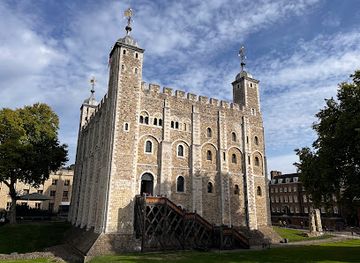
Castle
Tower of London
Explore centuries of royal history, iconic Crown Jewels, and legendary guardians at London’s iconic Tower of London.
-
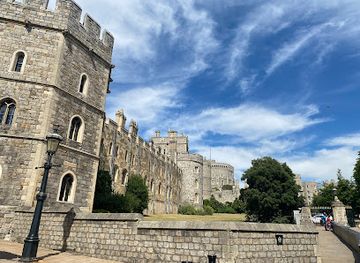
Castle
Windsor Castle
Explore Windsor Castle, the world’s oldest inhabited castle, where royal history, stunning architecture, and timeless traditions come alive.
-
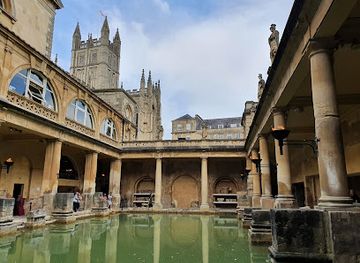
Museum
The Roman Baths
Step back 2,000 years and explore one of the world’s best-preserved Roman bathing complexes in the heart of historic Bath.
-
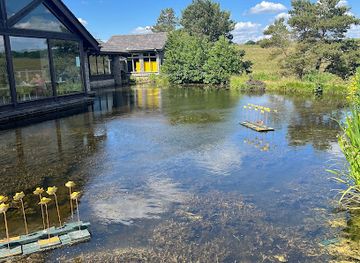
Tourist attraction
Tebay Services (Southbound)
Experience authentic farm-fresh food and heartfelt hospitality at Tebay Services Southbound, a unique motorway stop rooted in Cumbrian farming tradition.
Best landmarks in Westmorland
Kendal Castle is one of Westmorland's most recognisable sites, standing above the River Kent and recalling the power of the medieval Barons of Kendal, whose descendants included the Parr family. Appleby Castle, with its Norman keep and later buildings, overlooks the former county town and embodies the strategic importance of the Eden Valley. Brough Castle, built beside the Roman road and near the old fort at Verterae, marks the eastern approach through the Pennine countryside. The ruins of Shap Abbey provide a contrasting landmark: its medieval church and monastic remains are set within open farmland rather than an urban centre. Sizergh Castle south of Kendal combines a medieval tower house with later domestic ranges and a long-established estate landscape. Around Windermere, the lake itself is the defining geographical landmark, while Orrest Head above Windermere offers a recognised elevated viewpoint over the water and surrounding fells. Dry-stone walls, packhorse bridges and stone parish churches are less monumental but equally important features of Westmorland's historic landscape.
-
Castle
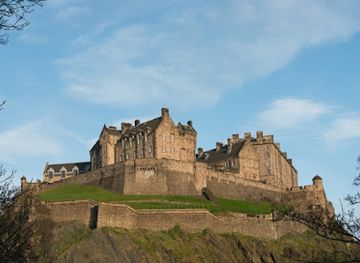
Edinburgh Castle
Scotland's iconic fortress crowning a volcanic plug, home to Crown Jewels and centuries of history.
-
Cultural landmark
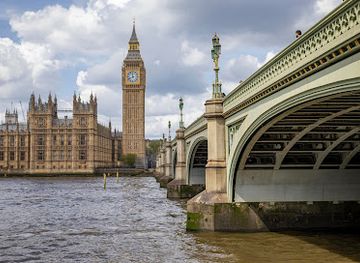
Big Ben
London’s iconic clock tower, home to the Great Bell known as Big Ben, standing as a symbol of British history and parliamentary democracy.
-
Landmark
The Shard
Experience London’s skyline from the UK’s tallest building with breathtaking 360-degree views and modern luxury at The Shard.
-
Historical landmark
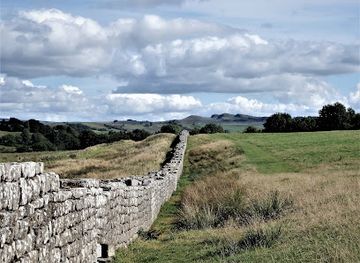
Hadrian's Wall
Explore the 73-mile Roman frontier of Hadrian's Wall, a UNESCO World Heritage Site rich with history, stunning landscapes, and ancient military architecture.

Explore Westmorland on the map
Plan your trip on one map. See where the top cities, national parks and sights are, and book hotels and experiences in a few clicks.
Best hotels in Westmorland
Best restaurants in Westmorland
Dining in Westmorland is shaped by pastoral farming, market-town commerce and the produce of the wider Cumbrian landscape. Kendal, Windermere, Ambleside, Appleby-in-Westmorland and Kirkby Stephen offer the broadest choice, from cafés and bakeries to contemporary restaurants, traditional pubs and informal dining rooms. Local lamb, beef, game, trout, farmhouse cheeses and seasonal vegetables appear frequently, while village pubs and rural inns remain useful places to eat after walking. Kendal mint cake, a compact sugar-and-mint confection traditionally associated with the town, is sold in several styles and is often taken on fell walks. Farm shops and markets provide regional preserves, cakes, breads and drinks, with menus varying according to season and locality. In the lake country, advance planning can be helpful at busy times; in the eastern valleys, opening days and evening service may be more limited, so check arrangements before making a long rural journey.
-
Restaurant
Romneys
Classic British carvery dining with family-friendly amenities and cozy accommodation in the heart of Kendal.
-
Modern British
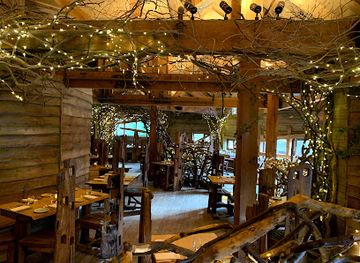
The Treehouse Restaurant
Dine among the treetops in a magical setting with seasonal British cuisine and handcrafted charm at The Treehouse Restaurant.
-
Restaurant
Souters Inn
Historic Burns schoolhouse turned award-winning restaurant, blending Scottish heritage with contemporary culinary excellence.
-
Restaurant
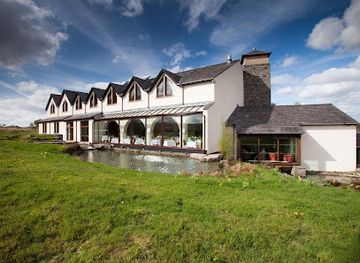
Westmorland Hotel
A peaceful Lake District haven offering cosy rooms, local cuisine, and scenic fell views just off the M6 motorway.
Best bars in Westmorland
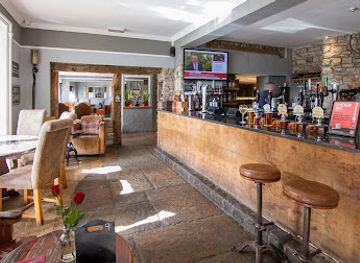
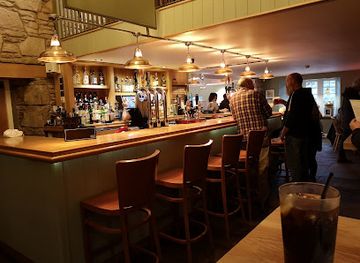
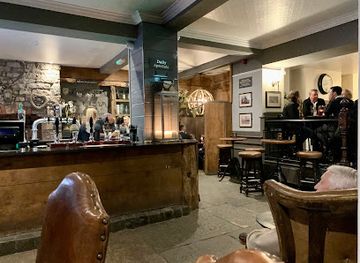
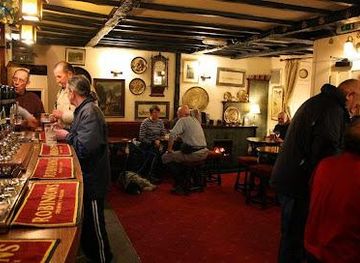
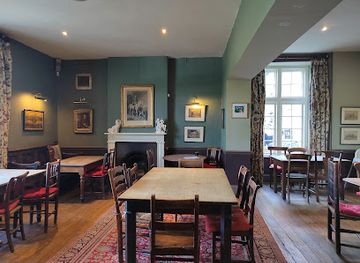
Westmorland's evening life is centred on pubs, restaurants, inns and live entertainment rather than a large club scene. Kendal has the widest choice of traditional pubs, bars, cafés and cultural venues, with a more active evening atmosphere than the smaller market towns. Windermere and nearby Bowness-on-Windermere offer pubs, hotel bars, restaurants and seasonal lakeside activity, while Appleby-in-Westmorland and Kirkby Stephen provide quieter evenings built around local pubs and dining. Craft beer, cask ale, cider and non-alcoholic drinks are commonly available, and some venues host live music or community events without operating as formal nightclubs. Rural villages can become very quiet outside peak periods, with limited late transport, so visitors should plan a taxi or overnight stay rather than rely on a final bus. Evening culture is best approached as a social extension of the towns and inns, not as a continuous nightlife district.
-
Pub
Hole in t' Wall
Historic Lakeland pub with cozy charm, hearty food, and expertly kept ales in the heart of Bowness-on-Windermere.
-
Pub
Romneys
Traditional Cumbrian pub in Kendal with family-friendly play area, gastropub dining, and self-catering apartments for a comfortable stay.
-
Pub
Golden Rule
A historic Ambleside pub offering traditional ales, cozy fires, and a welcoming atmosphere away from the tourist bustle.
-
Pub
Strickland Arms
Traditional British pub with hearty fare and warm hospitality nestled near Kendal’s scenic Lake District gateway.

Best nightclubs in Westmorland
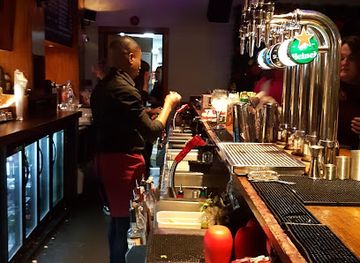
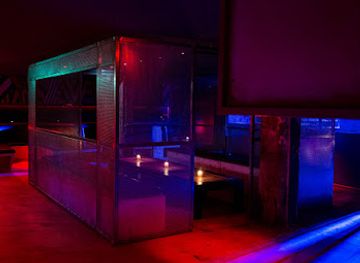
Westmorland's evening life is centred on pubs, restaurants, inns and live entertainment rather than a large club scene. Kendal has the widest choice of traditional pubs, bars, cafés and cultural venues, with a more active evening atmosphere than the smaller market towns. Windermere and nearby Bowness-on-Windermere offer pubs, hotel bars, restaurants and seasonal lakeside activity, while Appleby-in-Westmorland and Kirkby Stephen provide quieter evenings built around local pubs and dining. Craft beer, cask ale, cider and non-alcoholic drinks are commonly available, and some venues host live music or community events without operating as formal nightclubs. Rural villages can become very quiet outside peak periods, with limited late transport, so visitors should plan a taxi or overnight stay rather than rely on a final bus. Evening culture is best approached as a social extension of the towns and inns, not as a continuous nightlife district.
-
Nightclub
Flares - Newcastle
Experience Newcastle’s top retro nightclub with decades of dance hits, vibrant vibes, and a welcoming party atmosphere every night.
-
Nightclub
Sub Club
Glasgow’s iconic underground nightclub delivering world-class house and techno in an intimate, no-frills setting since 1987.
-
Nightclub
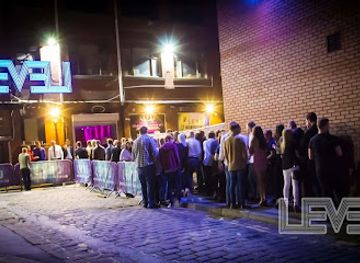
Level Nightclub
Experience Bolton’s vibrant nightlife at Level Nightclub, where dynamic music, affordable drinks, and lively atmosphere create unforgettable nights.
-
Nightclub
Bamboo
A vibrant three-room basement nightclub in Glasgow’s city centre, famed for its student crowd, diverse music, and affordable drinks.

Best shops in Westmorland
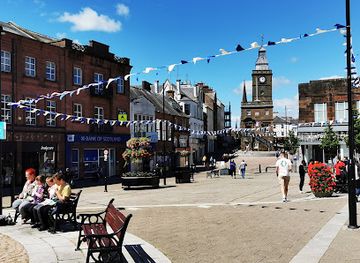
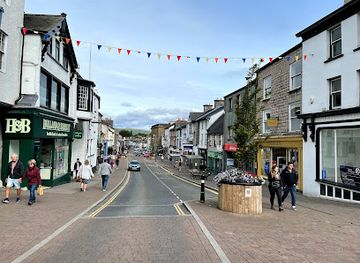
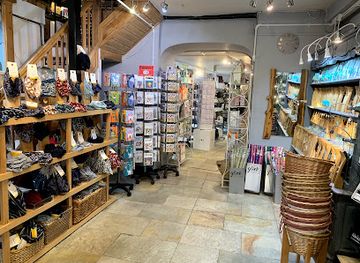
Shopping in Westmorland is concentrated in traditional market towns rather than large retail complexes. Kendal has the widest range of independent shops, outdoor retailers, galleries, bookshops, cafés and everyday services, alongside its long-established town-centre markets. Windermere and Bowness-on-Windermere focus more heavily on outdoor clothing, gifts, art, books, food products and practical items for visitors. Appleby-in-Westmorland and Kirkby Stephen have smaller high streets with independent retailers, antiques, crafts and local services, while rural farm shops sell cheese, meat, preserves, baked goods and seasonal produce. Kendal mint cake is the most recognisable local edible purchase, and regional ales, chutneys and confectionery travel well. Craft studios and galleries may offer ceramics, textiles, woodwork and landscape-inspired art, particularly around the Lake District fringe. Opening arrangements can be more limited in villages and outside the main season, so market days and independent shop hours are worth checking before making a special journey.
-
Shopping Centre
Loreburne Shopping Centre
A vibrant indoor shopping destination in the heart of Dumfries, blending high street brands with local charm and convenient amenities.
-
Shopping Centre
Elephant Yard Shopping
Discover modern style and local charm at Elephant Yard Shopping, Kendal’s vibrant retail and community hub.
-
Gift shop
Church Gallery
A multi-level gem in Kirkby Stephen: browse quirky gifts and cards, sip coffee, and shop ladies’ clothes in a dog-friendly, relaxed café-shop hybrid.
-
Book Shop
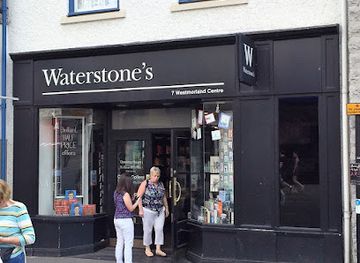
Waterstones
Discover a world of books and culture at Waterstones Kendal, your welcoming literary hub in the Westmorland Centre.
Get your free copy of our complete guide to Westmorland, delivered straight to you.
Everything on this page, from attractions and restaurants to essentials and local phrases, in one PDF you can read offline, print or share.
Already have an account? Sign in
Your Westmorland guide is ready.
We'll send it to · Not you? Sign out

Getting your guide ready…
We are putting together a fresh copy of the Westmorland guide. This can take up to a minute.
This can take a few moments. If your browser asks, choose Allow so the download can start. You'll find the guide in your Downloads folder.
Nothing happened? Download it again
Sorry, the guide is taking longer than usual. Please try again in a minute, or get it by email instead.
Westmorland essentials
Currency and Payment
Safety
Emergency Situations
Do's and Don'ts
Local Tips
From Eve
Local phrases worth knowing
You don't need to get them perfect. A few words go a long way, and locals appreciate the effort.
Basics
| English | Local | Say it |
|---|---|---|
| Hello | Aye up | [ai ʌp] |
| Goodbye | Ta-ra | [təˈrɑː] |
| Yes | Aye | [ai] |
| No | Naw | [nɔː] |
| Please/You're welcome | Please | [pliːz] |
| Thank you | Cheers | [tʃɪrz] |
| Excuse me/Sorry | S'cuse me | [sɪˈkjuːz mi] |
| How are you? | How's it going? | [haʊz ɪt ˈɡoʊɪŋ] |
| Fine. And you? | Reet. And thee? | [riːt. ənd ðiː] |
| Do you speak English? | D'ye speak English? | [dʒə spiːk ˈɪŋɡlɪʃ] |
| I don't understand | Ah don’t get it | [ɑː doʊnt ɡɛt ɪt] |
Eating & Drinking
| English | Local | Say it |
|---|---|---|
| I'd like to see the menu, please | Can I see the menu, please? | [kæn aɪ siː ðə ˈmɛnjuː pliːz] |
| I don't eat meat | Ah don’t eat meat | [ɑː doʊnt iːt miːt] |
| Cheers! | Cheers! | [tʃɪrz] |
| I would like to pay, please | I’d like to settle up, please | [aɪd laɪk tə ˈsɛtl ʌp pliːz] |
Emergencies
| English | Local | Say it |
|---|---|---|
| Help! | Help! | [hɛlp] |
| Go away! | Clear off! | [klɪr ɔf] |
| Call the Police! | Ring the bobbies! | [rɪŋ ðə ˈbɒbiːz] |
| Call a doctor! | Get a doctor! | [ɡɛt ə ˈdɒktə] |
| I'm lost | Ah'm lost | [ɑːm lɔst] |
| I'm ill | Ah'm poorly | [ɑːm ˈpʊəli] |
Shopping
| English | Local | Say it |
|---|---|---|
| I'd like to buy... | I’d like to buy... | [aɪd laɪk tə baɪ...] |
| I'm just looking | Just having a gander | [dʒʌst ˈhævɪŋ ə ˈɡændər] |
| How much is it? | How much's that? | [haʊ mʌtʃz ðæt] |
| That's too expensive | That's a bit pricey | [ðæts ə bɪt ˈpraɪsi] |
| Can you lower the price? | Can ye knock it down? | [kæn ji nɒk ɪt daʊn] |
Time & Numbers
| English | Local | Say it |
|---|---|---|
| What time is it? | Wot time is it? | [wɒt taɪm ɪz ɪt] |
| It's one o'clock | It's one o'clock | [ɪts wʌn əˈklɒk] |
| Half past (10) | Half past ten | [hɑːf pɑːst tɛn] |
| Morning | Mornin' | [ˈmɔːrnɪn] |
| Afternoon | Afternoon | [ˌɑːftərˈnuːn] |
| Evening | Evenin' | [ˈiːvnɪŋ] |
| Yesterday | Yest'day | [ˈjɛstdeɪ] |
| Today | To'day | [təˈdeɪ] |
| Tomorrow | Tomorra | [təˈmɒrə] |
| 1 | One | [wʌn] |
| 2 | Two | [tuː] |
| 3 | Three | [θriː] |
| 4 | Four | [fɔːr] |
| 5 | Five | [faɪv] |
| 6 | Six | [sɪks] |
| 7 | Seven | [ˈsɛvən] |
| 8 | Eight | [eɪt] |
| 9 | Nine | [naɪn] |
| 10 | Ten | [tɛn] |
Transport & Directions
| English | Local | Say it |
|---|---|---|
| Where's a/the...? | Where's a/the...? | [wɛrz ə/ðə] |
| What's the address? | What's the address? | [wɒts ðə əˈdrɛs] |
| Can you show me (on the map)? | Can ye show me on t' map? | [kæn ji ʃoʊ mi ɒn ðə mæp] |
| When's the next (bus)? | When's the next bus? | [wɛn's ðə nɛkst bʌs] |
| A ticket (to ....) | A ticket to.... | [ə ˈtɪkɪt tə....] |
History of Westmorland
Prehistoric and Roman Westmorland
Westmorland's earliest history is visible in stone circles, cairns, settlement traces and ancient routeways across the uplands. The region later lay close to the Roman frontier zone, and Roman roads connected forts and settlements across northern England. The fort at Low Borrowbridge, near the western edge of the historic county, and the Roman site at Watercrook south of Kendal illustrate the military and transport networks that linked the mountains and valleys with the wider empire. Archaeology shows that Westmorland was not an isolated upland, but a landscape crossed by people, livestock, soldiers and goods.
Anglian and Norse Settlement
After Roman administration receded, Westmorland developed within the shifting political landscape of northern England. Anglian influence was followed by Norse settlement, especially in the valleys and uplands of what later became Cumbria. Place names containing elements associated with Old Norse, such as fell, beck and thwaite, survive across the region. Farming communities adapted to the terrain, creating the dispersed settlements, enclosed fields and routeways that remain characteristic of the Eden Valley and the southern Lakeland margins.
The Medieval County and its Castles
Westmorland emerged as a county and political territory during the medieval period, divided broadly between the baronies of Kendal and Westmorland. Castles at Kendal, Appleby and Brough represented aristocratic power and helped control routes through the valleys. Appleby became the county's administrative centre, while Kendal grew as a regional market and textile town. Churches, bridges, manor houses and fortified sites from this period reflect the county's position between the Scottish borderlands, Yorkshire and the central Lake District.
Monastic Estates and Shap Abbey
Religious foundations played a substantial role in medieval Westmorland. Shap Abbey, founded for Premonstratensian canons in the twelfth century, became a major landholder and spiritual centre before its dissolution under Henry VIII in the sixteenth century. Its surviving ruins stand in a rural valley near the old north-south routes. Other churches, estate boundaries and agricultural patterns preserve the influence of medieval religious institutions, whose lands supported farming, hospitality and local administration as well as worship.
The Wool Trade and Market Towns
From the late medieval period into the early modern era, sheep farming and wool shaped Westmorland's economy. Kendal became particularly known for cloth production, with water-powered mills and merchant wealth transforming the town. Markets at Kendal, Appleby, Kirkby Stephen and other settlements connected upland farms with buyers from neighbouring counties. Packhorse routes, fairs and bridges were essential to this trade, and the resulting prosperity can still be read in town houses, former warehouses, churches and the street plans of the principal market towns.
Turnpikes, Railways and Industrial Change
Road improvements and the arrival of railways altered Westmorland's relationship with the rest of England during the eighteenth and nineteenth centuries. Turnpike roads improved movement through difficult terrain, while railway lines brought passengers, coal, manufactured goods and agricultural produce. Kendal, Oxenholme, Windermere and Appleby became important points in changing transport networks, although some historic routes and branch lines later declined. Quarrying, brewing, milling and small-scale manufacturing supplemented pastoral agriculture, while tourism began to grow around the lakes and mountain scenery.
Tourism and the Modern Lake District
Improved transport, guidebooks, Romantic landscape writing and the expansion of leisure travel made the southern lakes increasingly popular from the nineteenth century onwards. Windermere, Ambleside and nearby valleys became associated with boating, walking and picturesque scenery, while Kendal developed as a practical gateway. The later creation of the Lake District National Park strengthened landscape conservation and visitor infrastructure, although only part of the national park lies within historic Westmorland. Today the region balances farming, heritage and outdoor tourism within the wider administrative framework of Cumbria.
Westmorland in Photos
Browse through our photo collection highlighting the charm and character of the destination.
Neighbouring regions of Westmorland
The closest regions to Westmorland, if you have time for more than one.
-

-

-

-
-


Swipe for more regions
Explore more

Explore more of United Kingdom
Discover the United Kingdom: A blend of rich history, stunning landscapes, and vibrant cities, offering a unique travel experience for every visitor.
Explore United Kingdom