
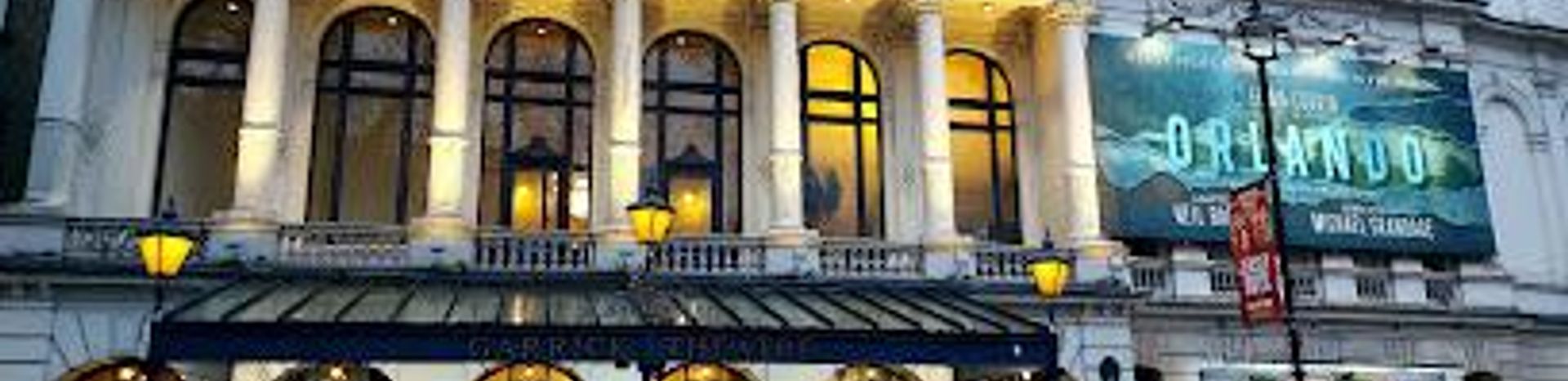
Garrick Theatre: A Historic West End Gem of Comedy and Drama
Experience timeless West End theatre in the intimate, historic Garrick Theatre, where classic charm meets captivating performances.
The Garrick Theatre, located at 2 Charing Cross Road in London, is a renowned West End theatre opened in 1889. Named after the celebrated actor David Garrick, it is famed for its intimate atmosphere, Italian Renaissance décor, and a rich history of melodramas, comedies, and straight plays. With a seating capacity of around 730 across three levels, it offers a classic London theatre experience in the heart of the city’s vibrant theatre district.
A brief summary to Garrick Theatre
- 2 Charing Cross Rd, London, WC2H 0HH, GB
- Click to display
- Click to display
- Duration: 2 to 4 hours
- Mid ranged
-
 Indoor
- Mobile reception: 5 out of 5
Local tips
- For the best views, choose seats in the middle rows of the Dress Circle or central Stalls rows B to L.
- Be aware that some seats in the rear Stalls and Grand Circle may have restricted views due to support pillars or safety barriers.
- If you prefer a more private experience, consider booking one of the six theatre boxes, but check sightlines carefully.
- Arrive early to soak in the theatre’s lavish Italian Renaissance interiors and gold-leaf detailing.
- Check the theatre’s schedule in advance as it specializes in comedies and dramas with long-running productions.

Other nearby places you may find interesting
Getting There
-
London Underground
Take the Northern or Piccadilly Line to Leicester Square station, approximately a 10-15 minute walk to the theatre. The station is wheelchair accessible, but the walk includes busy streets and some slight inclines.
-
Bus
Bus routes 1, 8, 11, 15, 24, 29, 176, and 188 stop near Charing Cross Road. Travel times vary from 15 to 30 minutes depending on traffic. Buses are frequent but may be crowded during peak hours.
-
Taxi or Rideshare
Taxis and rideshare services can drop you off directly outside the theatre on Charing Cross Road. Travel time from central London ranges from 10 to 25 minutes depending on traffic. Parking is limited in the area.
-
Walking
From Covent Garden, enjoy a 10-15 minute walk along pedestrian-friendly streets with some cobblestones and occasional crowds. The route is accessible but may be challenging with heavy luggage or mobility issues.
For the on-the-go comforts that matter to you
-
 Restrooms
-
 Drink Options
-
 Food Options
-
 Seating Areas
-
 Information Boards
Garrick Theatre location weather suitability
-
 Any Weather
-
 Rain / Wet Weather
-
 Clear Skies
-
 Mild Temperatures
Discover more about Garrick Theatre
Origins and Architectural Challenges
The Garrick Theatre opened its doors in April 1889, financed by the distinguished playwright W. S. Gilbert and designed by Walter Emden with consultancy from C. J. Phipps. Its construction was notably challenging due to the discovery of an underground river during excavation, which required innovative engineering solutions to complete the building. Named after the influential 18th-century Shakespearean actor David Garrick, the theatre was built in an Italian Renaissance style, with lavish red, cream, and gold leaf interiors that have been carefully preserved and restored over the years.Design and Seating Experience
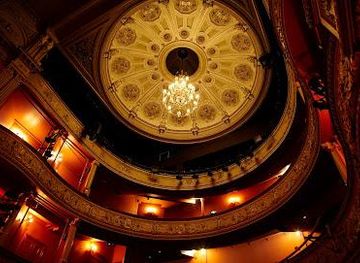
The theatre’s auditorium is long and narrow, divided into three main levels: the Stalls, Dress Circle, and Grand Circle, seating approximately 730 patrons. The Stalls offer proximity to the stage but include some support pillars that may obstruct views in rear rows. The Dress Circle provides some of the best sightlines, elevated for a clear perspective of performances, while the Grand Circle offers a more distant but still intimate view. The theatre also features six private boxes, which provide a unique viewing experience though some seats may have restricted views. The auditorium’s ornate Italian Renaissance décor, including gold-leaf cherubs and detailed ornamental work, creates a richly atmospheric setting.Historical and Cultural Significance
Throughout its history, the Garrick Theatre has showcased a wide array of productions, from melodramas and comedies to socially provocative plays. Early successes included Arthur Wing Pinero’s "The Profligate" and "The Notorious Mrs. Ebbsmith," while the mid-20th century saw long-running hits like "No Sex Please, We’re British." The theatre survived threats of demolition in the 1960s and 1970s, thanks to strong campaigns by theatre communities, preserving its place in London’s cultural landscape. It remains under the ownership of Nimax Theatres, continuing to present acclaimed productions that draw diverse audiences.Atmosphere and Visitor Experience
Visitors to the Garrick Theatre can expect an intimate and engaging theatrical experience enhanced by the venue’s historic charm and detailed interior design. The theatre’s relatively small size compared to other West End venues fosters a close connection between performers and audience. While some seats may have limited legroom or partial obstructions, the overall ambiance is one of classic British theatre tradition, with excellent acoustics and a warm, inviting environment. The theatre’s location on bustling Charing Cross Road situates it amid London’s vibrant arts scene.Modern Usage and Notable Productions
Today, the Garrick Theatre continues to host a variety of plays and musicals, often focusing on comedy and drama. Recent productions have included acclaimed works by contemporary playwrights, maintaining the theatre’s reputation for quality and innovation. The venue’s blend of historic architecture and modern theatrical technology ensures it remains a beloved destination for both Londoners and international visitors seeking authentic West End performances.Preservation and Legacy
The Garrick Theatre is a Grade II listed building, recognized for its architectural and historic importance. Its restoration efforts, particularly the 1986 refurbishment that revived the gold leaf and ornamental features, reflect a commitment to preserving the theatre’s legacy. As one of the smaller West End theatres, it offers a unique glimpse into London’s theatrical past while continuing to shape its future through vibrant live performances.Explore the best of what Garrick Theatre has to offer















More about Windsor
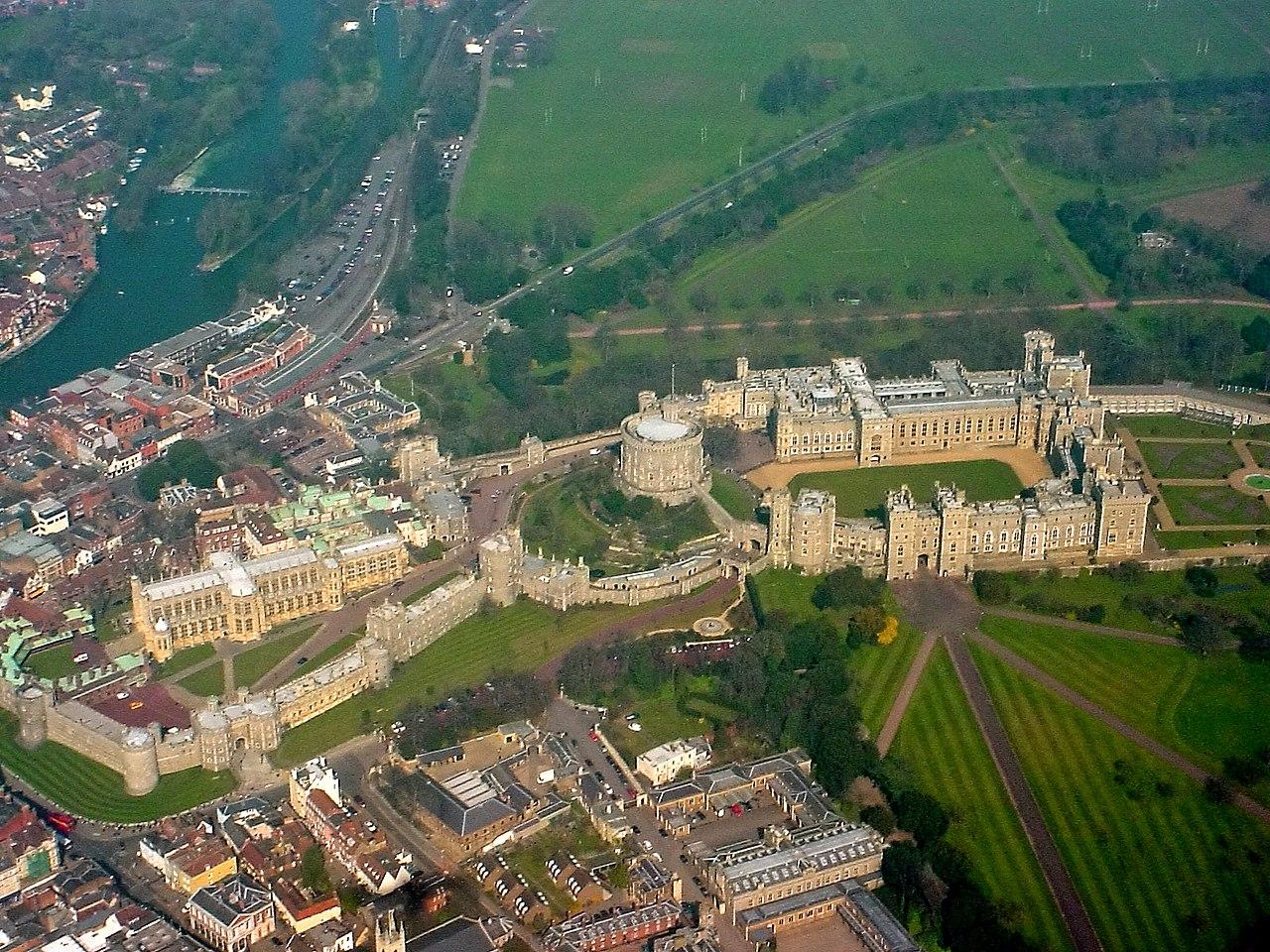
Discover Windsor, a historic town in Berkshire, England, known for its royal heritage, stunning Windsor Castle, scenic parks, vibrant town center, and family-friendly attractions.
Tell me more about Windsor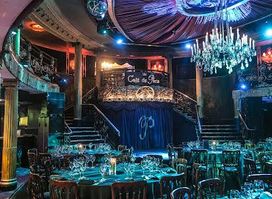
Experience the vibrant nightlife of London at Café de Paris, an iconic venue known for live music, exquisite dining, and unforgettable events.

Unravel a historic murder mystery through iconic London streets in this immersive self-guided detective adventure.
Want to improve this location?
Activate this location now and let Evendo enhance its appearance, information, and visibility for millions of travellers.
