

Free Windsor Travel Guide & Mobile App
Plan your Windsor trip with Evendo. Get free guides to top attractions, restaurants, hotels, and bars. Web access or download the mobile app.


Windsor, England, pairs royal heritage and riverside walks with Windsor Castle, Eton College, historic streets and culture near London in Berkshire.
A Royal Town Above the Thames
Windsor occupies a distinguished stretch of the River Thames in Berkshire, west of London, where the river bends around a town shaped by the presence of Windsor Castle. The castle's towers rise above compact streets lined with Georgian façades, traditional pubs, independent shops and cafés, while the Long Walk extends southwards through Windsor Great Park towards the distant Copper Horse statue. Across the river, Eton provides a quieter architectural counterpoint, with historic buildings, riverside paths and the celebrated collegiate surroundings of Eton College.Read more about Windsor
History in the Urban Landscape
Green Space and Riverside Life
When is the best time to visit Windsor?
Best: June–August · 22–24°C| Month | High (°C) | Rainfall (mm) |
|---|---|---|
| January | 10 | 59 |
| February | 10 | 55 |
| March | 13 | 49 |
| April | 16 | 46 |
| May | 19 | 56 |
| June (best) | 22 | 55 |
| July (best) | 24 | 51 |
| August (best) | 24 | 50 |
| September | 21 | 48 |
| October | 17 | 61 |
| November | 14 | 69 |
| December | 11 | 63 |
Getting to and around Windsor
How to get there
Transportation
Best attractions in Windsor
Windsor Castle dominates the town's sightseeing, with state apartments, fortified walls and St George's Chapel offering a concentrated introduction to royal and medieval history. The Long Walk provides a broad, tree-lined approach towards the castle and continues into Windsor Great Park, where open parkland, woodland and distant views create a very different experience from the busy centre. Across the river, Eton's historic streets and the exterior of Eton College reveal the area's educational and architectural heritage, while the Thames offers riverside walks and seasonal cruises. The Windsor and Royal Borough Museum gives useful local context, and Theatre Royal Windsor adds a cultural dimension through its programme of performances. Together these attractions make it possible to combine formal heritage, green space, river landscapes and living town life within a relatively compact area.
-
Castle
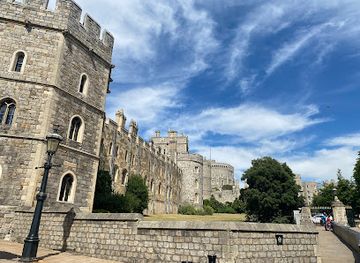
Windsor Castle
Explore Windsor Castle, the world’s oldest inhabited castle and a majestic royal residence steeped in nearly a millennium of British history.
4 min walk · 0.3 km from city centre
-
Tourist attraction
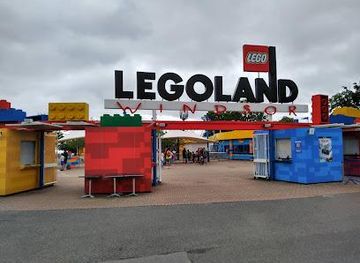
LEGOLAND® Windsor Resort
Explore over 55 LEGO-themed rides, shows, and attractions at the UK’s premier family-friendly theme park in Windsor.
12 min drive · 4.1 km from city centre
-
Chapel
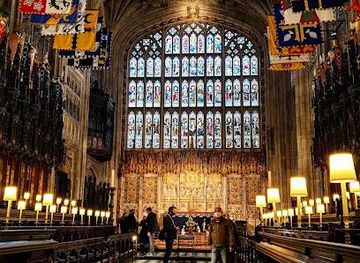
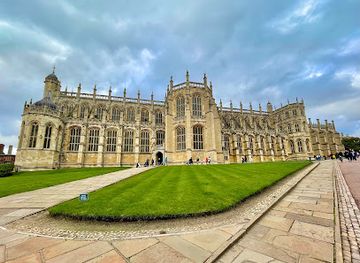
St George's Chapel
Discover the majestic Gothic beauty and royal heritage of St George's Chapel, the spiritual heart of Windsor Castle.
6 min walk · 0.5 km from city centre
-
Park and Garden
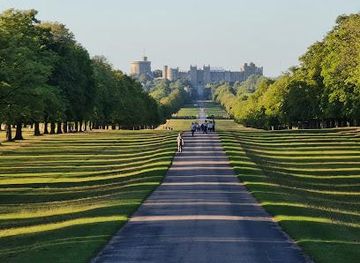
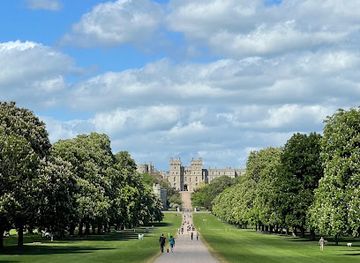
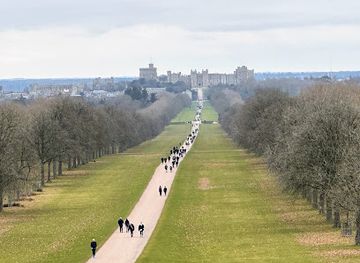
The Long Walk
A majestic three-mile tree-lined avenue linking Windsor Castle to the iconic Copper Horse statue, steeped in royal history and scenic grandeur.
7 min walk · 0.6 km from city centre
Best landmarks in Windsor
Windsor Castle is the defining landmark, its massive medieval walls, towers and later royal interiors expressing the town's long connection with the Crown. Within the precinct, St George's Chapel is a major example of late medieval ecclesiastical architecture and the burial place of numerous monarchs, including Henry VIII and Queen Elizabeth II. The Guildhall, designed by Sir Christopher Wren and completed in the late seventeenth century, anchors Windsor's civic centre, while the Long Walk forms a powerful landscaped axis towards the castle and the Copper Horse statue in Windsor Great Park. Across the Thames, Eton College's historic buildings provide a contrasting landmark ensemble shaped by educational and religious foundations. Windsor Bridge and the railway stations also help explain the town's relationship with the river, tourism and Victorian expansion.
-
Chapel
St George's Chapel
England's finest Gothic chapel and resting place of monarchs, where medieval craftsmanship meets royal history.
6 min walk · 0.5 km from city centre
-
Park and Garden
The Long Walk
A majestic 2.65-mile tree-lined avenue through royal parkland, framing Windsor Castle in the distance.
7 min walk · 0.6 km from city centre
-
Sculpture
King George III & His Horse Statue
Majestic bronze statue of King George III atop Snow Hill, offering regal history and panoramic views in Windsor Great Park.
13 min drive · 4.3 km from city centre
-
Historical landmark
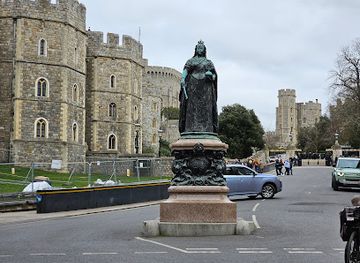
Queen Victoria Statue
A majestic bronze tribute to Queen Victoria’s Golden Jubilee, standing proudly at Windsor Castle’s entrance, celebrating Victorian royal heritage.
7 min walk · 0.5 km from city centre
Explore Windsor on the map
Plan your Windsor trip on one map. See where the top attractions, landmarks, restaurants, bars and hotels are, find what's near where you're staying, and book hotels and experiences in a few clicks.
Best hotels in Windsor
Best restaurants in Windsor
Windsor's dining scene reflects its position as a royal visitor town and a Berkshire community, ranging from traditional pubs and cafés to modern British cooking, international restaurants and polished hotel dining rooms. Pub menus commonly feature familiar British dishes, while afternoon tea and bakery treats suit the town's ceremonial and historic atmosphere. Nearby Berkshire farmland and the Thames Valley influence a focus on seasonal produce, although the town is not defined by a single regional cuisine. Peascod Street, the lanes around the castle and the riverside contain much of the central choice, with further restaurants across the bridge in Eton. Independent cafés provide places for breakfast and light meals, while food-led visits can be combined with market browsing or an evening performance at Theatre Royal Windsor. Menus and opening patterns vary, so advance planning is useful at busy times.
-
Restaurant
Côte Windsor
Classic French brasserie dining with stunning riverside views of Windsor Castle in a lively, modern setting.
8 min walk · 0.7 km from city centre
-
Brasserie
Browns Windsor
Classic British brasserie charm with contemporary dining on Windsor’s scenic Promenade.
8 min walk · 0.7 km from city centre
-
Gastropub
The Boatman
Windsor’s charming riverside gastropub offering classic British fare, scenic Thames views, and a relaxing atmosphere by the water.
7 min walk · 0.6 km from city centre
-
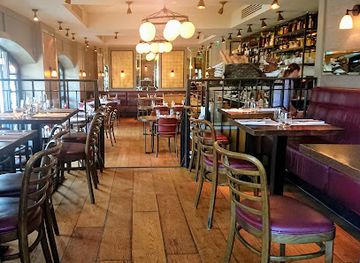
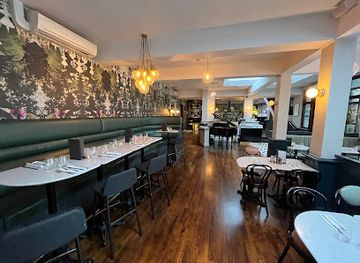
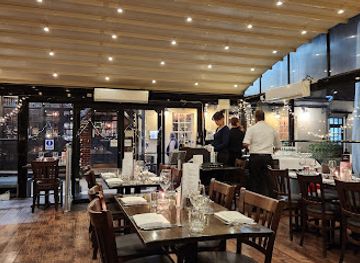
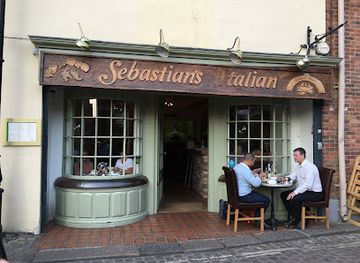
Italian
Sebastian's
Experience authentic Italian flavors in Windsor’s cozy family-owned Sebastian's, where fresh ingredients and warm service await.
8 min walk · 0.6 km from city centre
Best bars in Windsor
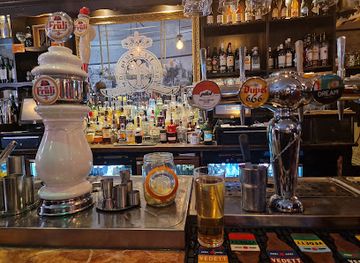
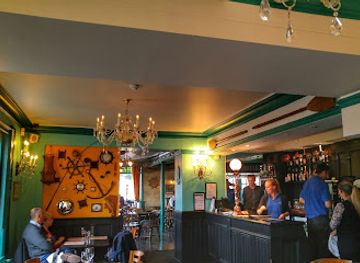
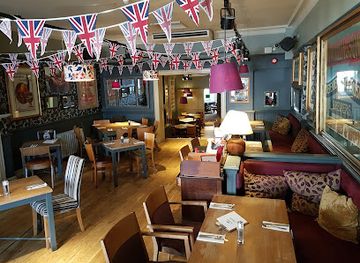
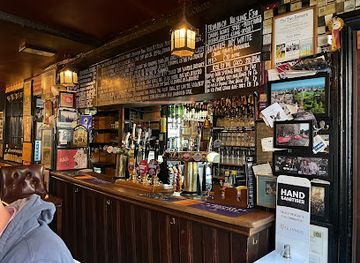
Windsor's evening scene is more sociable and theatrical than club-focused. Traditional pubs and contemporary bars cluster around the town centre, with further drinking spaces in Eton and along routes leading from the riverside. The atmosphere ranges from quiet pints in historic interiors to cocktails, wine and late-evening conversation, although the town is generally calmer than central London. Theatre Royal Windsor is an important cultural anchor, bringing plays, musicals, comedy and touring productions to the evening calendar. Some hotels and restaurants provide more formal lounge settings, while pubs remain the most characteristic option for a relaxed night. Visitors should remember that the busiest areas can become crowded after performances and at weekends, and should use licensed taxis or well-lit routes when returning to accommodation outside the centre.
-
Pub
The King & Castle - JD Wetherspoon
A spacious, friendly JD Wetherspoon pub in Windsor offering affordable drinks and classic British fare near the historic Windsor Castle.
8 min walk · 0.6 km from city centre
-
Gastropub
The Boatman
Charming riverside gastropub in Windsor offering classic British fare and scenic Thames views in a relaxed, welcoming atmosphere.
7 min walk · 0.6 km from city centre
-
Pub
The Duchess of Cambridge Pub
A cozy British pub in Windsor offering classic cuisine, award-winning ales, and warm hospitality just steps from Windsor Castle.
7 min walk · 0.6 km from city centre
-
Pub
The Two Brewers
Historic 18th-century pub near Windsor Castle offering classic British ales, cozy ambiance, and a charming floral exterior.
5 min walk · 0.4 km from city centre
Best nightclubs in Windsor
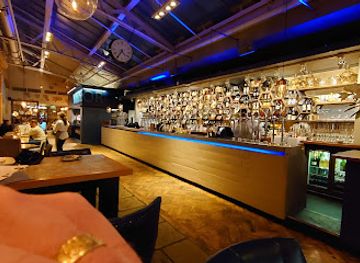
Windsor's evening scene is more sociable and theatrical than club-focused. Traditional pubs and contemporary bars cluster around the town centre, with further drinking spaces in Eton and along routes leading from the riverside. The atmosphere ranges from quiet pints in historic interiors to cocktails, wine and late-evening conversation, although the town is generally calmer than central London. Theatre Royal Windsor is an important cultural anchor, bringing plays, musicals, comedy and touring productions to the evening calendar. Some hotels and restaurants provide more formal lounge settings, while pubs remain the most characteristic option for a relaxed night. Visitors should remember that the busiest areas can become crowded after performances and at weekends, and should use licensed taxis or well-lit routes when returning to accommodation outside the centre.
-
Wine bar
All Bar One Windsor
Stylish wine bar in historic Windsor Royal Station offering lively brunches, expertly crafted cocktails, and a vibrant social atmosphere.
9 min walk · 0.7 km from city centre
-
Comedy club
FUZZY BEAR Cocktails & Comedy
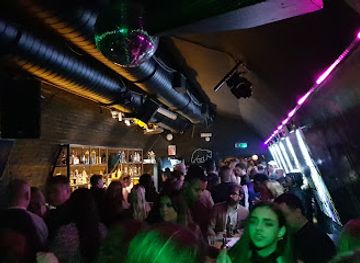
Windsor’s lively comedy club with tiki vibes, top comedians, and expertly crafted cocktails in a unique railway arch setting.
8 min walk · 0.7 km from city centre
-
Nightclub
The Scotch
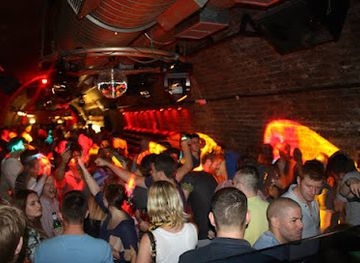
Windsor’s iconic Victorian arch nightclub blending historic charm with eclectic music and circus-themed nightlife.
8 min walk · 0.7 km from city centre
-
Nightclub
The Boom
Experience Windsor’s most exclusive nightclub with live music, vibrant DJs, and unforgettable party vibes every weekend.
9 min walk · 0.7 km from city centre

Best shops in Windsor
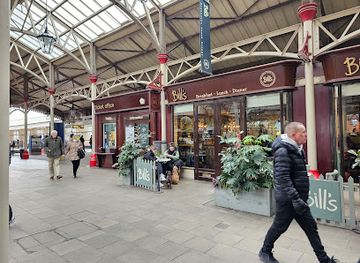
Shopping in Windsor centres on Peascod Street and the adjoining central lanes, where everyday retailers, cafés, independent businesses and visitor-oriented shops occupy the historic core. Windsor Royal, housed in the former Windsor Central railway station, combines shops and food outlets with an imposing Victorian transport setting. Around the castle, visitors find souvenirs, books, royal-themed goods and gifts, while Eton High Street offers a more village-like mix of independent retailers, galleries, antiques and cafés. Traditional British products, local food items and craft goods are more useful purchases than generic novelty items, and specialist shops change over time. The town's retail character is therefore a mixture of practical high-street shopping, heritage-related browsing and smaller businesses whose locations reward exploring beyond the principal pedestrian routes.
-
Shopping Centre
Windsor Yards
A vibrant shopping destination blending modern retail with Windsor’s historic charm and community spirit.
9 min walk · 0.7 km from city centre
-
Department store
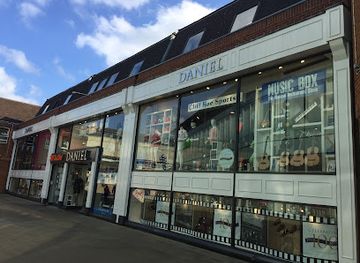
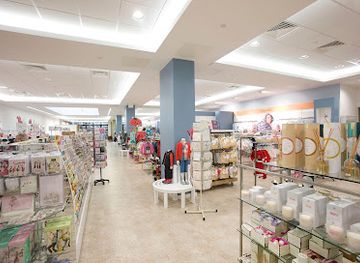
Daniel Department Store
Historic family-run department store in Windsor offering luxury fashion, homeware, dining, and personalized services in a vibrant central location.
9 min walk · 0.7 km from city centre
-
Shopping Centre
Windsor Royal Station
Independent shopping in a Victorian railway arch at the heart of historic Windsor.
7 min walk · 0.6 km from city centre
-
Department store
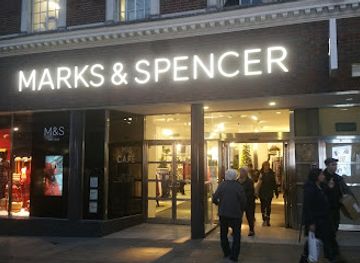
Marks and Spencer
A reliable Marks & Spencer department store in central Windsor, offering fashion, homeware and a well-stocked food hall on Peascod Street.
8 min walk · 0.6 km from city centre
Get your free copy of our complete guide to Windsor, delivered straight to you.
Everything on this page, from attractions and restaurants to essentials and local phrases, in one PDF you can read offline, print or share.
Already have an account? Sign in
Your Windsor guide is ready.
We'll send it to · Not you? Sign out

Getting your guide ready…
We are putting together a fresh copy of the Windsor guide. This can take up to a minute.
This can take a few moments. If your browser asks, choose Allow so the download can start. You'll find the guide in your Downloads folder.
Nothing happened? Download it again
Sorry, the guide is taking longer than usual. Please try again in a minute, or get it by email instead.
Windsor essentials
Currency and Payment
Safety
Emergency Situations
Do's and Don'ts
Local Tips
From Eve
Local phrases worth knowing
You don't need to get them perfect. A few words go a long way, and locals appreciate the effort.
Basics
| English | Local | Say it |
|---|---|---|
| Hello | Hello | [həˈloʊ] |
| Goodbye | Goodbye | [ɡʊdˈbaɪ] |
| Yes | Yes | [jɛs] |
| No | No | [noʊ] |
| Please/You're welcome | Please/You're welcome | [pliːz/jʊr ˈwɛlkəm] |
| Thank you | Thank you | [θæŋk ju] |
| Excuse me/Sorry | Excuse me/Sorry | [ɪkˈskjus mi/ˈsɔri] |
| How are you? | How are you? | [haʊ ɑr ju] |
| Fine. And you? | Fine. And you? | [faɪn. ənd ju] |
| Do you speak English? | Do you speak English? | [du ju spiːk ˈɪŋɡlɪʃ] |
| I don't understand | I don't understand | [aɪ doʊnt ˌʌndərˈstænd] |
Eating & Drinking
| English | Local | Say it |
|---|---|---|
| I'd like to see the menu, please | I'd like to see the menu, please | [aɪd laɪk tə si ðə ˈmɛnju, pliz] |
| I don't eat meat | I don't eat meat | [aɪ doʊnt iːt miːt] |
| Cheers! | Cheers! | [tʃɪrz] |
| I would like to pay, please | I would like to pay, please | [aɪ wʊd laɪk tə peɪ, pliz] |
Emergencies
| English | Local | Say it |
|---|---|---|
| Help! | Help! | [hɛlp] |
| Go away! | Go away! | [ɡoʊ əˈweɪ] |
| Call the Police! | Call the Police! | [kɔl ðə pəˈliːs] |
| Call a doctor! | Call a doctor! | [kɔl ə ˈdɑktər] |
| I'm lost | I'm lost | [aɪm lɔst] |
| I'm ill | I'm ill | [aɪm ɪl] |
Shopping
| English | Local | Say it |
|---|---|---|
| I'd like to buy... | I'd like to buy... | [aɪd laɪk tə baɪ...] |
| I'm just looking | I'm just looking | [aɪm dʒʌst ˈlʊkɪŋ] |
| How much is it? | How much is it? | [haʊ mʌtʃ ɪz ɪt] |
| That's too expensive | That's too expensive | [ðæts tuː ɪkˈspɛnsɪv] |
| Can you lower the price? | Can you lower the price? | [kæn ju ˈloʊər ðə praɪs] |
Time & Numbers
| English | Local | Say it |
|---|---|---|
| What time is it? | What time is it? | [wʌt taɪm ɪz ɪt] |
| It's one o'clock | It's one o'clock | [ɪts wʌn əˈklɒk] |
| Half past (10) | Half past (10) | [hæf pæst (10)] |
| Morning | Morning | [ˈmɔrnɪŋ] |
| Afternoon | Afternoon | [ˌæftərˈnun] |
| Evening | Evening | [ˈivnɪŋ] |
| Yesterday | Yesterday | [ˈjɛstərdeɪ] |
| Today | Today | [təˈdeɪ] |
| Tomorrow | Tomorrow | [təˈmɔroʊ] |
| 1 | 1 | [wʌn] |
| 2 | 2 | [tu] |
| 3 | 3 | [θri] |
| 4 | 4 | [fɔr] |
| 5 | 5 | [faɪv] |
| 6 | 6 | [sɪks] |
| 7 | 7 | [sɛvən] |
| 8 | 8 | [eɪt] |
| 9 | 9 | [naɪn] |
| 10 | 10 | [tɛn] |
Transport & Directions
| English | Local | Say it |
|---|---|---|
| Where's a/the...? | Where's a/the...? | [wɛrz ə/ðə...?] |
| What's the address? | What's the address? | [wʌts ði əˈdrɛs] |
| Can you show me (on the map)? | Can you show me (on the map)? | [kæn ju ʃoʊ mi (ɑn ðə mæp)?] |
| When's the next (bus)? | When's the next (bus)? | [wɛnʔs ðə nɛkst (bʌs)?] |
| A ticket (to ....) | A ticket (to ....) | [ə ˈtɪkɪt (tə ....)] |
History of Windsor
Norman Foundations at Windsor
After the Norman Conquest, William the Conqueror established a motte-and-bailey fortress at Windsor in the 1070s as part of a defensive chain protecting the western approach to London. Its position above the Thames and near royal hunting grounds made it strategically valuable. Successive monarchs replaced the early earth-and-timber works with stone fortifications, creating the foundations of the castle visible today. Settlement developed below the stronghold, supported by the needs of the royal household, soldiers, craftsmen and traders. The relationship between castle and town has remained central to Windsor's identity, although the medieval community also developed its own markets, parish institutions and river connections.
Medieval Castle and Royal Power
Henry II and later medieval kings expanded Windsor Castle into a major royal fortress and residence. Henry III rebuilt much of the complex in the thirteenth century, while Edward III founded the Order of the Garter in 1348 and transformed the castle into an important centre of courtly and chivalric life. St George's Chapel, begun under Edward IV in the fifteenth century, became both a religious foundation and a place of royal burial. The castle's influence extended beyond its walls, drawing officials and visitors to the town and reinforcing Windsor's place in national political and ceremonial life. Eton College, founded by Henry VI in 1440 across the river, added another enduring institution to the local landscape.
Tudor and Early Modern Windsor
During the Tudor period Windsor remained a favoured royal residence and a setting for court life, ceremonies and diplomatic activity. Henry VIII's reign left a lasting mark through his burial in St George's Chapel, while the English Reformation altered the religious institutions associated with the castle. In the seventeenth century, Windsor was drawn into the conflicts of the Civil Wars. Parliamentarian forces captured the castle in 1642, and it served as a military headquarters during the conflict. The restoration of Charles II returned the castle to royal use, while the surrounding town continued to depend on hospitality, commerce and the movement of people connected with the court.
Georgian Improvements and Windsor Great Park
The eighteenth century brought changes to the town's appearance and to the management of its royal landscape. Windsor Great Park, whose origins reach back to medieval hunting grounds, increasingly acquired the avenues, plantations and designed vistas associated with the landscape visible today. The building of the Long Walk created a powerful ceremonial approach towards the castle, while the town gained improved civic structures and more formal streetscapes. Royal interest encouraged investment and attracted visitors, although Windsor remained a working community as well as a royal centre. Nearby Eton continued to develop around its school, whose buildings and traditions helped give the district a distinct institutional character.
Victorian Windsor and the Railway
The nineteenth century brought a decisive transformation as railways connected Windsor more directly with London and the wider national network. Windsor Central station opened in 1849, followed by Windsor & Eton Riverside in 1851, making royal events and day visits more accessible. Queen Victoria and Prince Albert frequently used the castle and nearby royal estates, giving Windsor renewed prominence during the Victorian era. Public buildings, hotels, shops and transport facilities expanded to serve visitors, while the town's economy became increasingly connected to tourism. The railway landscape, including the former station building now known as Windsor Royal, remains a visible reminder of this change.
Modern Tourism and Living Heritage
In the twentieth and twenty-first centuries Windsor developed into an internationally recognised centre of heritage tourism while retaining its role as a residential and commercial town. The castle, St George's Chapel, royal ceremonies and Windsor Great Park continue to shape the visitor economy, but the town also supports theatres, restaurants, independent businesses and river-based recreation. Major occasions, including royal weddings and jubilees, have brought global attention, while the conservation of historic streets and institutions has preserved the town's distinctive setting. Windsor's modern identity therefore combines active civic life with a royal heritage that remains visible in architecture, public ritual and the rhythms of seasonal tourism.
Windsor in Photos
Browse through our photo collection highlighting the charm and character of the destination.
Cities near Windsor
The closest cities to Windsor, if you have time for more than one stop.
-

-

-

-

-


Swipe for more cities
Explore more

Explore more of United Kingdom
Discover the United Kingdom: A blend of rich history, stunning landscapes, and vibrant cities, offering a unique travel experience for every visitor.
Explore United Kingdom