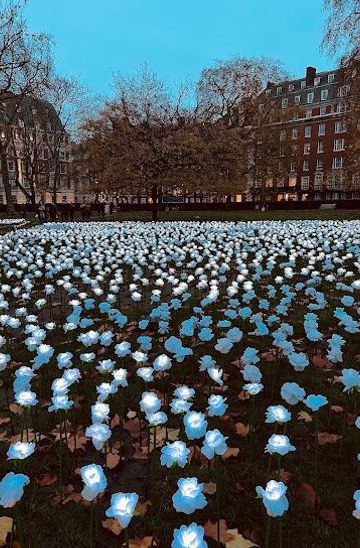
Grosvenor Square: A Historic Garden Square at London's Heart
Grosvenor Square: London's historic garden square blending aristocratic heritage, American diplomacy, and modern urban renewal in Mayfair.
Grosvenor Square, located in London's exclusive Mayfair district, is a grand historic garden square renowned for its aristocratic heritage and long-standing American diplomatic presence. Established in the early 18th century, it features expansive lawns, elegant neo-Georgian architecture, and significant memorials, including those commemorating World War II and 9/11 victims. Once a private garden for residents, it is now a public space blending history, diplomacy, and evolving urban life.
A brief summary to Grosvenor Sq
- London, GB
- Duration: 0.5 to 2 hours
- Mid ranged
-
 Outdoor
- Mobile reception: 5 out of 5
Local tips
- Visit the 9/11 Memorial Garden to reflect on the poignant tribute to British victims of the attacks.
- Explore the statues of Franklin D. Roosevelt and General Eisenhower, highlighting the square’s American ties.
- Enjoy the tranquil gardens, a rare green oasis in central London, especially during spring and summer.
- Observe the evolving architecture, from neo-Georgian terraces to the modernist former American Embassy building.
- Check for public events or exhibitions at the new developments around the square for a contemporary cultural experience.

Getting There
-
London Underground
Take the Central Line to Bond Street station, approximately a 10-15 minute walk to Grosvenor Square. The station is well-serviced with frequent trains; fares range from £2.50 to £4.90 depending on time and ticket type.
-
Bus
Several London bus routes, including numbers 2, 8, 10, and 390, stop within a 5-10 minute walk of Grosvenor Square. Buses run frequently throughout the day. Use an Oyster card or contactless payment for fares around £1.75.
-
Taxi or Ride-Hailing
Taxis and ride-hailing services can drop you near Grosvenor Square. Travel times vary from 15 to 30 minutes from central London depending on traffic. Expect fares from £10 to £20.
-
Walking
If staying nearby in Mayfair or Soho, walking to Grosvenor Square offers a pleasant 10-20 minute stroll through central London’s historic streets. The terrain is flat and accessible.
For the on-the-go comforts that matter to you
-
 Restrooms
-
 Seating Areas
-
 Trash Bins
-
 Information Boards
Grosvenor Sq location weather suitability
-
 Any Weather
-
 Clear Skies
-
 Mild Temperatures
-
 Rain / Wet Weather
Discover more about Grosvenor Sq
Origins and Aristocratic Prestige
Grosvenor Square was commissioned in 1710 by Sir Richard Grosvenor as part of the development of the manor of Ebury, which later became the distinguished Mayfair district. Constructed between 1725 and 1731, the square was designed around a six-acre garden laid out by gardener John Alston in a ‘wilderness worke’ style, evoking a natural countryside retreat within the city. Originally surrounded by Georgian terraces, the square quickly became one of London’s most fashionable residential addresses, home to aristocrats, politicians, and wealthy commoners. Over time, Victorian expansions replaced many original houses with larger residences suited for grand social functions and numerous servants.Diplomatic and Military Significance
From the late 18th century, Grosvenor Square gained prominence as a center of American presence in London. John Adams, the first U.S. Minister to the Court of St. James’s, lived here from 1785 to 1788. The square hosted the American military headquarters during World War II, earning the nickname “Little America.” The American Embassy, designed by Eero Saarinen and completed in 1960, stood on the western side until its relocation in the 2010s. The square is also home to memorials honoring figures such as Franklin D. Roosevelt and General Dwight D. Eisenhower, as well as a poignant 9/11 memorial commemorating British victims.Architectural Evolution and Urban Renewal
Nearly all original Georgian houses were demolished during the 20th century, replaced by neo-Georgian flats, hotels, and diplomatic buildings. The American Embassy’s modernist design sparked debate for its contrast with the surrounding architecture. Following the embassy’s move to Nine Elms, the former embassy building is being transformed into a luxury hotel, while the square itself is undergoing a significant redesign to enhance its environmental credentials and public accessibility. This redevelopment aims to restore Grosvenor Square’s status as a vibrant and prestigious London landmark.Gardens and Public Access
Initially a private garden reserved for residents, Grosvenor Square’s gardens were made public after World War II under the Roosevelt Memorial Act of 1946. The landscape has evolved over centuries, with changes including the replacement of original elm trees with London planes and the introduction of formal shrubberies in the 18th century. Today, the gardens offer a tranquil green space amidst the bustling city, featuring meandering paths and commemorative sculptures, maintained with a balance of historic preservation and modern urban needs.Cultural and Social Legacy
Grosvenor Square has been referenced in literature by authors such as Charles Dickens, Jane Austen, and Oscar Wilde, symbolizing upper-class London society. Its role as a diplomatic hub and site of major political demonstrations, including protests against the Vietnam War, underscores its significance beyond residential prestige. The square’s ongoing transformation reflects London’s evolving urban fabric while honoring its rich heritage as a place of grandeur, diplomacy, and remembrance.Future Vision and Community Engagement
The Grosvenor Estate, in partnership with local authorities, is stewarding the square’s redevelopment to create an extraordinary garden with groundbreaking environmental features. Expected to complete by 2027, the project includes upgraded surrounding buildings, luxury residences, and new social venues, aiming to balance heritage with contemporary urban life. This vision ensures Grosvenor Square remains a cherished public space and a symbol of London’s historical depth and cosmopolitan character.Explore the best of what Grosvenor Sq has to offer















More about Windsor
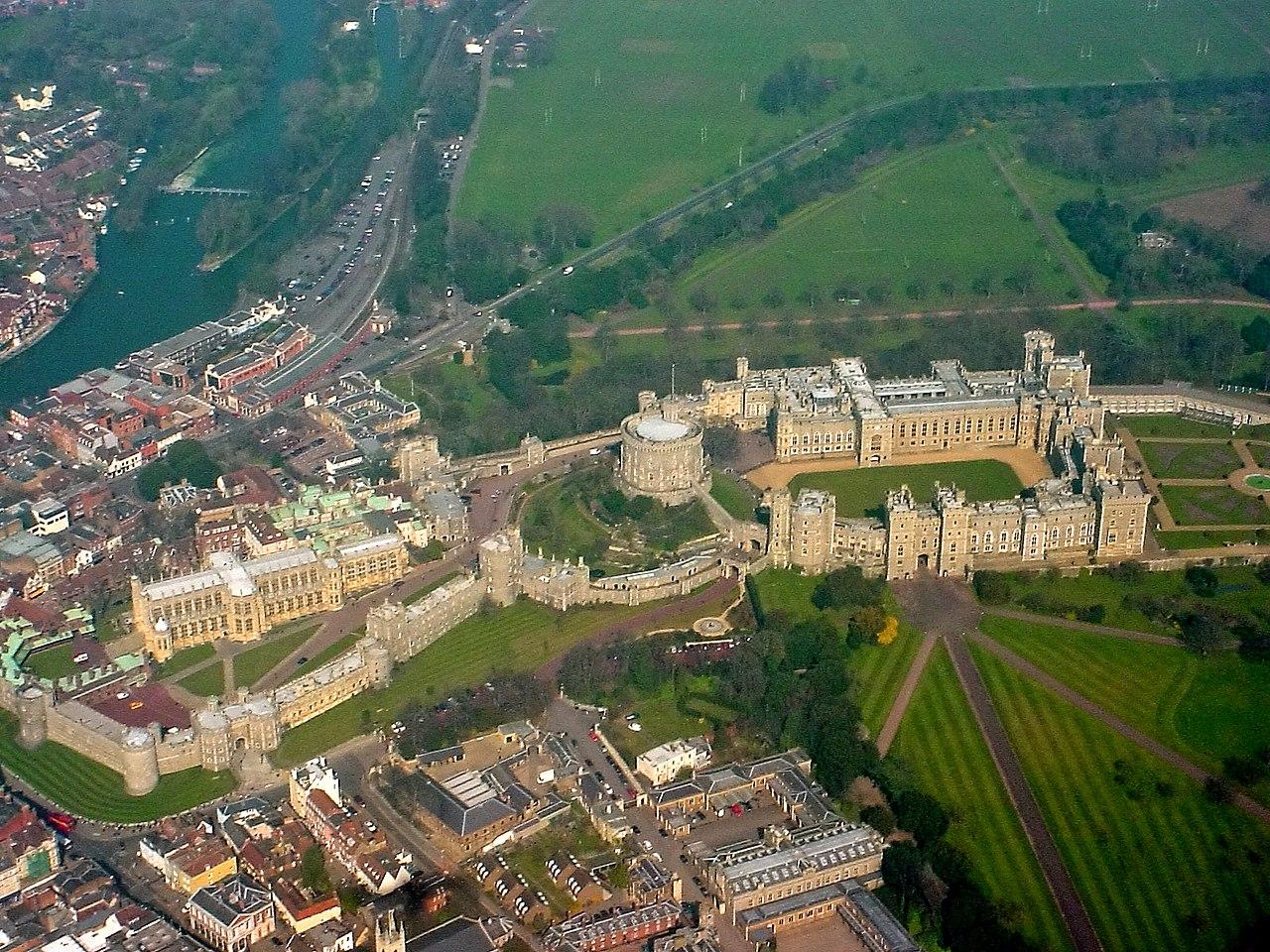
Discover Windsor, a historic town in Berkshire, England, known for its royal heritage, stunning Windsor Castle, scenic parks, vibrant town center, and family-friendly attractions.
Tell me more about Windsor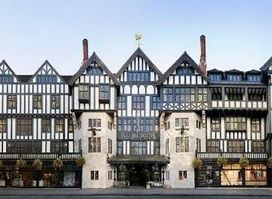
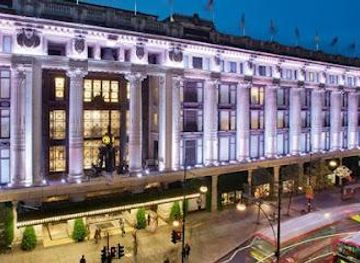
Discover Liberty London, a Tudor revival treasure in the heart of London, blending historic craftsmanship with iconic luxury fabrics and design.

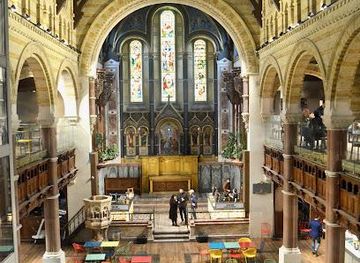
Discover a vibrant, sustainable food hall set within the historic St. Mark's Church, blending global flavors with Gothic grandeur in Mayfair.
Want to improve this location?
Activate this location now and let Evendo enhance its appearance, information, and visibility for millions of travellers.