
225 Piccadilly Circus: The Iconic Heart of London’s West End
At the bustling crossroads of London’s West End, 225 Piccadilly Circus dazzles with historic charm, iconic neon lights, and vibrant urban energy.
The Origins and Evolution of Piccadilly Circus
Piccadilly Circus was constructed in 1819 as a key junction connecting Regent Street, designed by John Nash, with Piccadilly, an important thoroughfare leading west towards Green Park. The term 'circus' refers to a circular open space, though the original circular design was altered over time due to urban development. The area quickly became a major commercial and entertainment hub, evolving throughout the Victorian era into a bustling meeting point for Londoners and visitors alike.Architectural and Cultural Landmarks Surrounding 225 Piccadilly Circus
The location is framed by several notable buildings, including the Grade II listed Criterion building, famed for its neo-Byzantine interior and historic role as a theatre and restaurant since 1873. Nearby, the London Pavilion, once a music hall and now a shopping arcade, adds to the architectural tapestry of the area. The surrounding streets feature a blend of historic and modern architecture, creating an eclectic urban landscape that reflects London’s layered history.Piccadilly Circus as a Social and Entertainment Hub
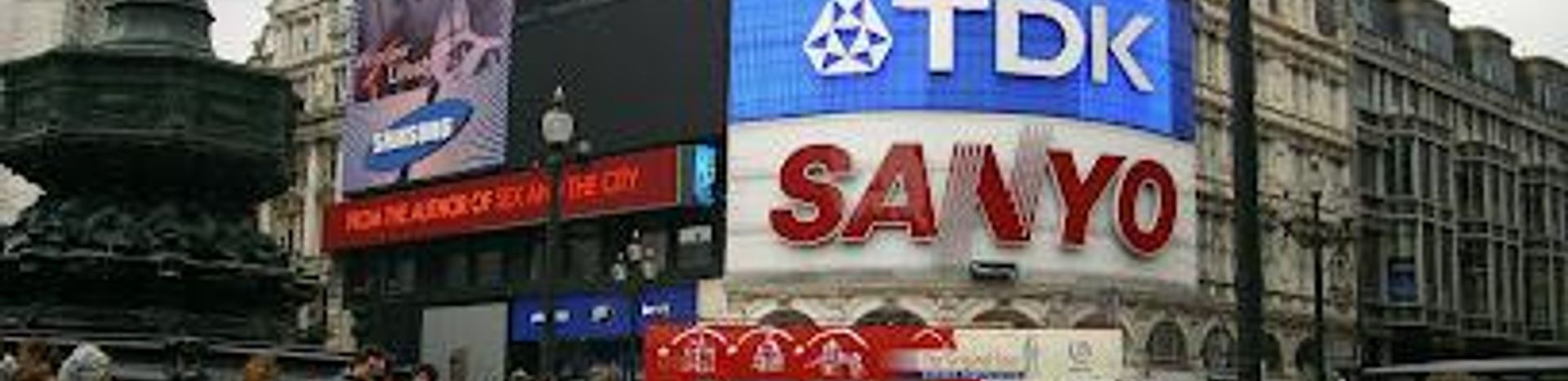
Known for its vibrant nightlife, theatres, and restaurants, Piccadilly Circus has long been a focal point for entertainment in London’s West End. The area hosts iconic neon advertising displays and the famous Shaftesbury Memorial Fountain, often called the Eros statue. Throughout the 20th century, it became synonymous with London’s cultural life, featuring in literature, film, and music, and serving as a gathering place for celebrations and public events.Transport and Connectivity at the Heart of London
225 Piccadilly Circus benefits from excellent transport links, with the Piccadilly Circus Underground station serving the Bakerloo and Piccadilly lines. The station, originally opened in 1906 and rebuilt in 1928, handles millions of passengers annually and features classic art deco design elements. This connectivity reinforces the location’s role as a central artery in London’s urban fabric.The Modern-Day Experience and Atmosphere
Today, Piccadilly Circus is a lively and dynamic space where tourists and locals converge. The area buzzes with street performers, shoppers, and visitors drawn to its neon-lit façades and historic venues. The mix of luxury shops, eateries like the Hard Rock Café, and cultural institutions creates a multifaceted experience that captures the essence of London’s West End vibrancy.Preservation and Legacy of a London Icon
Despite continual modernization, efforts to preserve the historic character of Piccadilly Circus remain strong. The Criterion building’s ornate interiors and the London Pavilion’s preserved façades stand as testaments to the area’s rich heritage. This blend of preservation and progress ensures that 225 Piccadilly Circus continues to be a symbol of London’s enduring cultural and architectural legacy.Local tips
- Visit in the evening to experience the famous illuminated advertising screens at their brightest.
- Explore the nearby Criterion Theatre to enjoy historic architecture and world-class performances.
- Use the Piccadilly Circus Underground station for easy access via Bakerloo and Piccadilly lines.
- Look out for street performers and pop-up events that add lively entertainment to the square.

A brief summary to 225 Piccadilly Circus
- 225 Piccadilly Circus, London, GB
Getting There
-
Underground
Take the London Underground Bakerloo or Piccadilly lines to Piccadilly Circus station, which is directly adjacent to 225 Piccadilly Circus. The station is served frequently, with trains running every 2–5 minutes during peak times. A single journey fare from central London zones costs approximately £2.50–£4.00 with contactless payment or Oyster card.
-
Bus
Several London bus routes stop near Piccadilly Circus, including routes 14, 19, 38, and 94. Buses run regularly throughout the day, with journey times varying depending on traffic but typically between 15 and 40 minutes from central London locations. Contactless payment is accepted on all buses.
-
Taxi / Ride-Hailing
Licensed London black cabs and ride-hailing services like Uber can drop you off at Piccadilly Circus. Travel times vary from 10 to 30 minutes depending on traffic. Fares from central London typically range from £8 to £20.
-
Walking
If you are staying in central London areas such as Soho, Leicester Square, or Trafalgar Square, walking to Piccadilly Circus takes approximately 10–20 minutes on mostly flat, paved streets. The area is pedestrian-friendly but can be crowded during peak hours.


