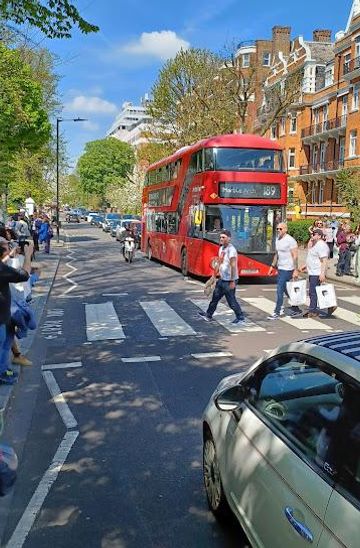
The Iconic Abbey Road Crossing: A Beatles Pilgrimage
Explore the iconic Abbey Road crossing, a legendary landmark in London where music history and culture collide, perfect for Beatles fans and tourists alike.
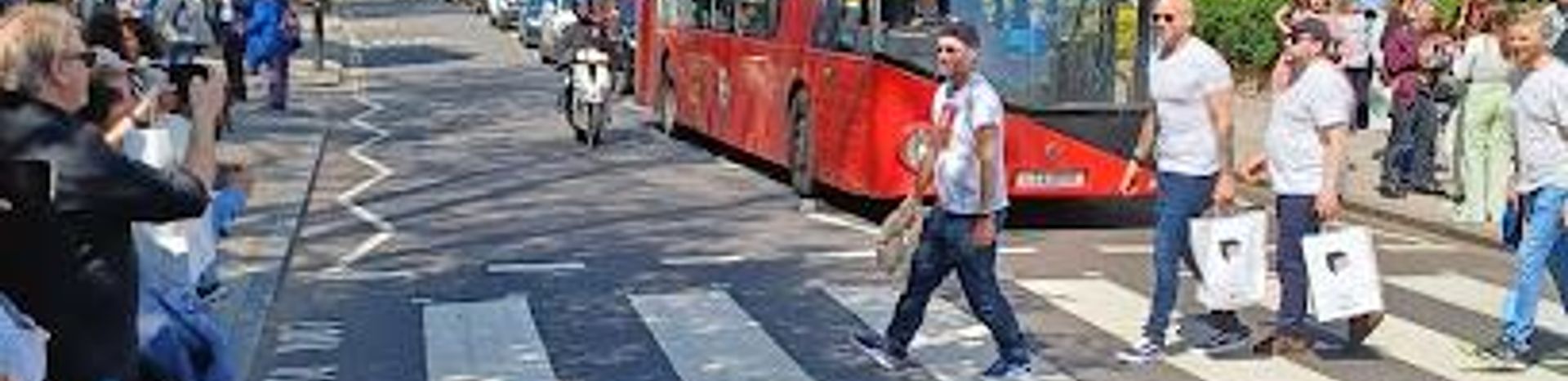
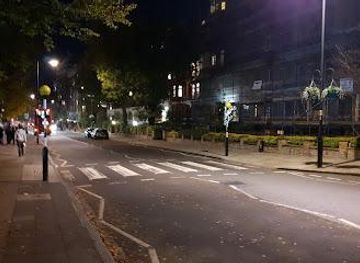
Step into music history at the iconic Abbey Road crossing in London, a must-visit for Beatles fans and tourists alike. Capture the perfect photo on the famous zebra crossing that graced the cover of the legendary band's album, and immerse yourself in the vibrant atmosphere of this cultural landmark. The intersection is surrounded by the historic Abbey Road Studios, where countless hits were recorded, making it a hub for music lovers. Whether you're a die-hard fan or simply seeking a unique spot for your travel photos, Abbey Road offers an unforgettable experience.
A brief summary to Abbey Road crossing
- Abbey Rd., London, NW8 9DD, GB
Local tips
- Visit early in the morning or late in the evening to avoid crowds and traffic.
- Be cautious of traffic while taking photos on the zebra crossing.
- Check out nearby cafes for a refreshing drink or snack after your visit.
- Consider joining a guided tour to learn more about the Beatles and other music history in the area.
- Bring a camera or smartphone to capture your own version of the famous Beatles photo.

Other nearby places you may find interesting

Getting There
-
Walking
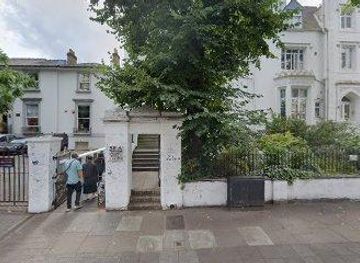
From Windsor Castle, exit the castle grounds and head towards the main street, High Street. Turn left onto High Street and continue walking straight until you reach the end of the street. At the roundabout, take the first exit onto Sheet Street. Continue straight for about 0.5 miles, passing the Windsor Parish Church on your left. When you reach the end of Sheet Street, turn right onto the A332. Follow the A332 for about 0.2 miles until you reach the Windsor & Eton Central train station, which is on your left. From the station, take a train to London Paddington station, which is a direct route. Upon arrival at Paddington, follow the signs to the Bakerloo Line and take the train towards Elephant & Castle. Get off at Baker Street station and transfer to the Jubilee Line towards Stanmore. At the next stop, St. John's Wood, exit the station and walk towards Abbey Road. You will find the famous Abbey Road crossing just a short walk away.
-
Bus
From Windsor, head to the Windsor Theatre Royal bus stop located on Thames Street. Take the bus number 702 or 703 towards London. The journey takes approximately 1 hour. After arriving at the stop near Baker Street, walk towards the Baker Street underground station. From there, you can take the Jubilee Line towards Stanmore and get off at St. John's Wood station. Exit the station and walk straight along Acacia Road until you reach Abbey Road; the crossing will be on your left.
-
Train
Start at Windsor & Eton Central train station. Purchase a ticket to London Paddington. Board the train and enjoy the 30-minute ride to Paddington. Once at Paddington, follow the signs to the Bakerloo Line and take the train towards Elephant & Castle. After two stops, get off at Baker Street. Transfer to the Jubilee Line heading towards Stanmore and ride for one stop to St. John's Wood. Upon leaving the station, walk towards Abbey Road and you will soon arrive at the iconic crossing.
Discover more about Abbey Road crossing
Explore the best of what Abbey Road crossing has to offer















More about Windsor
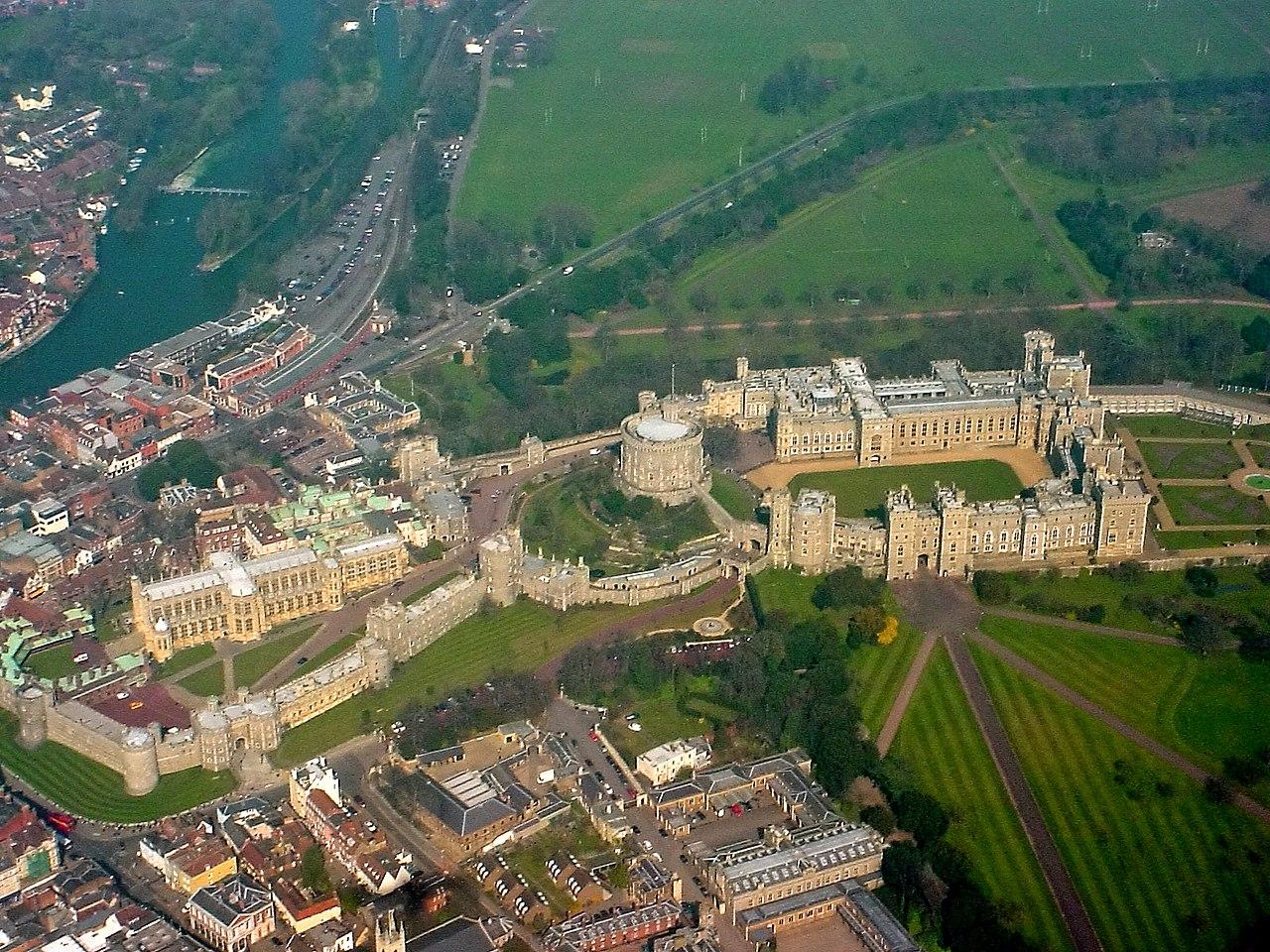
Discover Windsor, a historic town in Berkshire, England, known for its royal heritage, stunning Windsor Castle, scenic parks, vibrant town center, and family-friendly attractions.
Tell me more about Windsor

Want to improve this location?
Activate this location now and let Evendo enhance its appearance, information, and visibility for millions of travellers.