
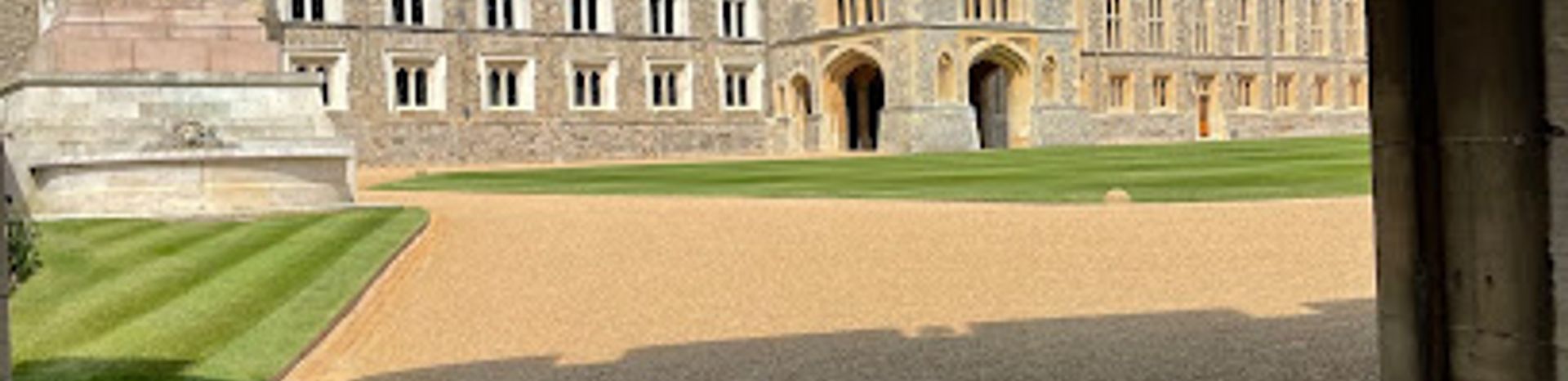
Mary Delany and Fanny Burney Blue Plaque, Windsor
A commemorative plaque honoring Mary Delany’s botanical artistry and Frances Burney’s literary legacy at Windsor Castle’s historic wall.
This blue plaque on Windsor Castle’s wall along St Alban's Street commemorates Mary Delany, an acclaimed 18th-century artist and bluestocking, and Frances 'Fanny' Burney, a pioneering novelist and courtier. Both women were influential figures in Georgian England, connected to the royal court and celebrated for their artistic and literary contributions. The plaque marks the site of a grace and favour house where Mary Delany lived in her final years, reflecting Windsor’s rich cultural heritage.
A brief summary to Mary Delany and Fanny Burney blue plaque
- St Alban's St, Windsor, Windsor, SL4 1PE, GB
- Duration: 0.25 to 0.5 hours
- Free
-
 Outdoor
- Mobile reception: 4 out of 5
Local tips
- Visit during quieter morning hours to fully appreciate the plaque without crowds.
- Combine your visit with a tour of Windsor Castle and explore nearby historical landmarks.
- Take time to read about Mary Delany’s paper mosaics and Frances Burney’s novels for deeper context.

For the on-the-go comforts that matter to you
- Restrooms
- Drink Options
- Food Options
- Information Boards
- Seating Areas
Getting There
-
Public Transport
From Windsor & Eton Central train station, take a 10-15 minute bus ride via local routes 702 or 703 to the Windsor Castle stop, then walk approximately 5 minutes along St Alban's Street to the plaque. Tickets cost around £2-£4.
-
Walking
From Windsor town center, a 10-15 minute walk along pedestrian-friendly streets leads to St Alban's Street where the plaque is located. Terrain is flat and accessible.
-
Taxi
Local taxi services can reach the plaque from Windsor town center in 5-10 minutes, with fares typically between £5-£10 depending on traffic.
Mary Delany and Fanny Burney blue plaque location weather suitability
-
 Any Weather
-
 Rain / Wet Weather
-
 Clear Skies
-
 Mild Temperatures
Discover more about Mary Delany and Fanny Burney blue plaque
Honouring Two Remarkable Women of the Georgian Era
The Mary Delany and Fanny Burney blue plaque is set into the wall of Windsor Castle on St Alban's Street, near the junction with Castle Hill. It commemorates Mary Delany (1700–1788), an artist renowned for her intricate botanical paper mosaics, and Frances Burney (1752–1840), a novelist and courtier who greatly influenced English literature. The plaque marks the location of a grace and favour house provided by King George III where Mary Delany lived during her final years. Both women were closely connected to the royal family and the cultural life of the 18th century.Mary Delany’s Artistic Legacy
Mary Delany was celebrated for her detailed and botanically accurate "paper mosaics," created from tissue paper and hand coloring, depicting flowers with extraordinary precision. Beginning this work in her seventies, she produced nearly a thousand such pieces, which remain treasured examples of botanical art. Delany’s close relationship with King George III and Queen Charlotte earned her a pension and a residence at Windsor, where she also taught royal children about plants and embroidery. Her works are preserved in institutions such as the British Museum, underscoring her lasting artistic impact.Frances Burney’s Literary and Court Contributions
Frances Burney, also known as Fanny Burney or Madame D’Arblay, was a pioneering novelist whose works paved the way for later authors like Jane Austen. She served as Second Keeper of the Robes to Queen Charlotte and was a prolific writer of novels, plays, and diaries. Her friendship with Mary Delany helped secure her position at court. Burney’s literary legacy includes celebrated novels such as "Evelina" and "Cecilia," as well as extensive journals and letters that provide insight into 18th-century society and the royal court.Historical and Cultural Context of the Plaque
The plaque was unveiled in November 2006 and stands as a tribute to the remarkable lives of these two women within the historic setting of Windsor Castle. It is located on a frequently passed wall by visitors to the castle, serving as a quiet reminder of the rich cultural and artistic heritage embedded in the town’s history. The grace and favour house itself symbolizes the close ties between the monarchy and these influential figures.Visiting and Appreciating the Plaque
While the plaque is modest in size, its significance is profound, connecting visitors to the stories of female creativity and influence in Georgian England. The location offers a tangible link to the past, nestled within the royal precincts of Windsor. Nearby, visitors can explore other historic sites and enjoy the scenic charm of this royal town, deepening their appreciation of England’s cultural tapestry.Enduring Influence and Recognition
Mary Delany’s botanical artistry and Frances Burney’s literary achievements continue to inspire scholars and enthusiasts alike. The plaque not only commemorates their individual accomplishments but also highlights the importance of women’s contributions to art and literature during a transformative period in British history. Their legacy remains alive through this enduring public recognition in Windsor.For the vibe & atmosphere seeker
- Historic
- Tranquil
- Scenic
For the architecture buff
- Historic
- Landmarks
For the view chaser and sunset hunter
- Iconic Views
For the social media creator & influencer
- Photo Spots
- Selfie Spots
For the eco-conscious traveler
- Public-Transport Accessible
For the kind of experience you’re after
- Cultural Heritage
- Photowalk
- Day Trip
For how adventurous you want the journey to be
- Easy Access
Location Audience
- Family Friendly
- Senior Friendly
- Child Friendly
- Teen Friendly
- Wheelchair Access
- Solo Friendly
- Couple Friendly
- Solo Female Friendly


