
DIG: An Archaeological Adventure
Dig for authentic Viking, Roman, medieval, and Victorian treasures in York's hands-on archaeological adventure.
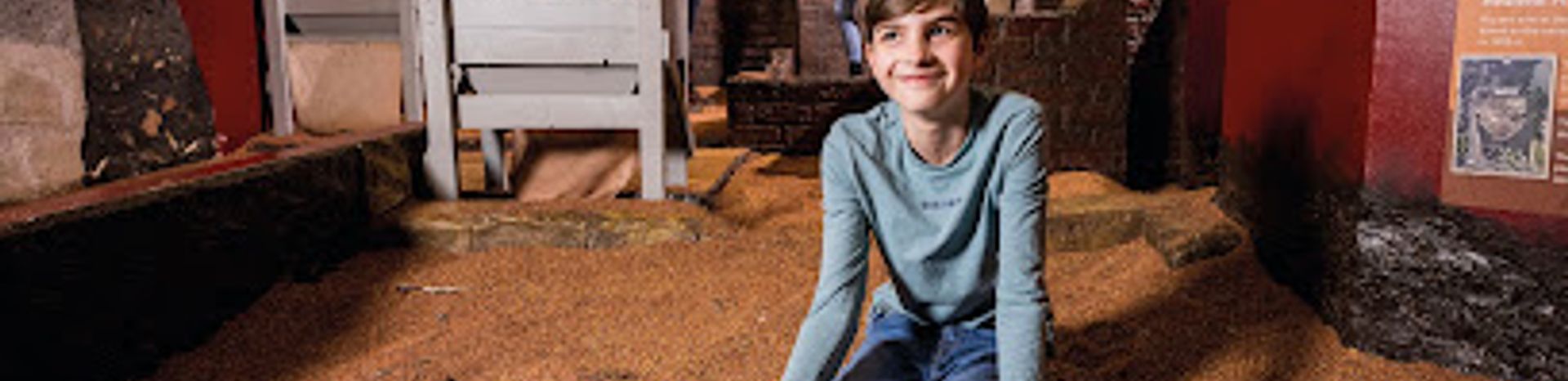
DIG is a hands-on archaeological museum housed in a historic church in York's city centre, designed for young explorers aged 5–12. Visitors dig through synthetic soil in four replica excavation pits to uncover replica artefacts from Roman, Viking, medieval, and Victorian periods spanning 2,000 years of York's history. With trained archaeologists on hand to guide discoveries and answer questions, the experience combines interactive learning with genuine archaeological excitement in a unique indoor setting.
A brief summary to DIG: An Archaeological Adventure
- DIG St Saviour Church, St Saviourgate, York, YO1 8NN, GB
- +441904615505
- Visit website
- Duration: 1 to 3 hours
- Mid ranged
-
 Indoor
- Mobile reception: 4 out of 5
- Monday 10 am-4 pm
- Tuesday 10 am-4 pm
- Wednesday 10 am-4 pm
- Thursday 10 am-4 pm
- Friday 10 am-4 pm
- Saturday 10 am-4 pm
- Sunday 10 am-4 pm
Local tips
- Book tickets in advance online, especially during school holidays and weekends, to secure your preferred time slot and avoid disappointment.
- Visit on weekday mornings for fewer crowds and more one-on-one time with the archaeologists on hand to answer questions about your discoveries.
- Plan for 1–3 hours depending on your child's age and interest level; the digging itself takes about 30 minutes, but interactive displays and exhibits extend the experience.
- Check if you're eligible for a Max Card, which provides free entry to DIG and other York attractions, offering excellent value for families.
- Combine your visit with JORVIK Viking Centre nearby to compare replica finds at DIG with authentic Viking artefacts and deepen your understanding of York's Norse heritage.

For the on-the-go comforts that matter to you
- Restrooms
- Drinking Water
- Food Options
- Seating Areas
- Information Boards
- Visitor Center
Getting There
-
Walking from York City Centre
DIG is centrally located within York's historic core, approximately 5–10 minutes on foot from York Railway Station or the city's main shopping areas. The route is flat and follows well-marked pavements through pedestrianised streets. St Saviourgate is clearly signposted from major landmarks including York Minster. Walking is the most practical option given central York's congested traffic and limited parking.
-
Local Bus Services
Multiple bus routes serve the city centre, with stops within 2–5 minutes' walk of DIG. Journey times from outlying areas typically range from 15–30 minutes depending on origin. Services run frequently throughout the day. Check local transport provider websites for current routes and timetables serving St Saviourgate or nearby stops.
-
Car with Parking
Parking in central York is challenging and expensive, with limited on-street availability. The nearest multi-storey car parks are Coppergate Shopping Centre (approximately 3–5 minutes' walk) and Picadilly (approximately 8–10 minutes' walk). Parking charges typically range from £1.50–£3.00 per hour depending on duration and facility. Consider public transport or walking to avoid parking stress and costs.
-
Taxi or Ride-Hailing Services
Taxis and ride-hailing apps operate throughout York. Journey times from York Railway Station are typically 5–10 minutes. Fares generally range from £8–£15 depending on traffic and time of day. This option suits visitors with mobility constraints or those arriving with substantial luggage.
DIG: An Archaeological Adventure location weather suitability
-
 Any Weather
Discover more about DIG: An Archaeological Adventure
A Living Gateway to York's Underground Past
DIG occupies a converted church building in the heart of York, transforming sacred space into an archaeological playground where children become genuine explorers. Owned and operated by the same team of archaeologists who discovered the Viking-age city beneath York's streets and created the nearby JORVIK Viking Centre, DIG brings authentic archaeological methodology to young visitors. The attraction taps into real discoveries made during York's urban excavations, allowing children to handle replica artefacts and understand the tangible evidence that archaeologists use to reconstruct ancient lives. The museum's three core zones—Learn, Uncover, and Explore—guide visitors through an archaeological journey that mirrors professional practice. Children begin by understanding the context and significance of different historical periods, then move into the hands-on excavation experience, and finally explore what their discoveries reveal about daily life in the past. This structured progression transforms the visit from simple play into genuine learning about archaeological method and historical interpretation.The Excavation Experience: Digging Without the Mess
Four replica excavation pits form the centrepiece of the DIG experience, each filled with synthetic soil rather than actual earth. This thoughtful design choice eliminates mess while preserving the authentic sensation of archaeological work. Armed with trowels and equipped with the same tools real archaeologists use, young diggers search through the pits to uncover replica finds from four major periods of York's history: Roman occupation, Viking settlement, medieval development, and Victorian expansion. The synthetic medium allows children to dig repeatedly without damaging genuine artefacts or creating the cleanup challenges of real soil. Archaeologists stationed throughout the museum provide immediate guidance and expertise. They help children interpret their finds, explain the significance of different artefacts, and answer the endless questions that genuine curiosity generates. This direct access to trained professionals transforms the experience from a simple treasure hunt into an educational encounter with real archaeological thinking. Children learn not just what objects are, but how archaeologists determine age, use, and cultural significance.Four Centuries of York Beneath Your Feet
The artefacts children discover represent four distinct historical layers of York's development. Roman finds speak to the city's origins as a military fortress and trading hub. Viking artefacts reveal the Norse settlement that transformed York into a major commercial centre. Medieval objects illustrate the city's role as a religious and administrative power during the Middle Ages. Victorian finds document York's transformation during the industrial era. By excavating across these periods in a single visit, children grasp the concept of historical stratigraphy—the principle that deeper layers represent earlier times—in a way that textbooks cannot convey. The museum's connection to JORVIK Viking Centre creates additional learning opportunities. Children who visit both attractions can compare replica finds at DIG with authentic Viking artefacts displayed at JORVIK, deepening their understanding of York's Norse heritage. This relationship between the two museums reflects the integrated approach to heritage interpretation that characterises York's archaeological community.Designed for Young Minds and Active Bodies
DIG explicitly targets children aged 5–12, with the experience calibrated to hold attention and sustain engagement across this age range. The digging component typically occupies 30 minutes, with additional interactive displays and exhibits extending the visit to 1–3 hours depending on age and interest level. The hands-on nature of the activity suits younger children's learning preferences, while the historical depth and archaeological context appeal to older primary-school visitors approaching secondary education. The museum provides sensory bags for children who benefit from additional support, demonstrating accessibility thinking beyond standard wheelchair access. Baby-changing facilities, breast-feeding areas, and guide dog welcome policies reflect family-centred design. The synthetic soil means children can participate fully without concerns about allergies, sensitivities, or clothing damage—practical considerations that remove barriers to engagement.Seasonal Exhibitions and Extended Learning
Beyond the permanent excavation experience, DIG hosts rotating exhibitions that extend its appeal and encourage repeat visits. A major exhibition launching in summer 2025 features Cressida Cowell's How to Train Your Dragon School, bringing fictional Viking adventure into dialogue with authentic York archaeology. Visitors can meet character replicas, explore original book artwork and maps, and participate in dragon-themed excavation activities. This blend of popular culture and genuine history demonstrates how contemporary storytelling can enhance rather than dilute archaeological learning. For adult learners, DIG Deeper tours run during school term time, offering afternoon sessions specifically designed for grown-ups. These tours provide deeper archaeological context and interpretation than the family experience, allowing parents and educators to develop their own understanding of York's past. School visits receive dedicated support, with curriculum-linked programming that connects DIG to English, science, geography, history, and STEM learning objectives.For the vibe & atmosphere seeker
- Fun-filled
- Adventurous
- Entertaining
- Unique
- Casual
For the design and aesthetic lover
- Rustic Designs
- Historic
For the architecture buff
- Historic
- Sacred Sites
- Art & Design
For the social media creator & influencer
- Photo Spots
- Instagrammable
For the eco-conscious traveler
- Locally Managed
- Low Impact
For the kind of experience you’re after
- Cultural Heritage
- Myth & Legends
- Day Trip
- Adventure Photo Shoot
For how adventurous you want the journey to be
- Easy Access
- Wheelchair Access
Location Audience
- Family Friendly
- Child Friendly
- Teen Friendly
- Wheelchair Access
- Pet Friendly
- Solo Friendly
- Couple Friendly


