Thwaite Watermill, Yorkshire Travel Guide
Discover Leeds’ historic water-powered mill on a tranquil island, where engineering marvels and Georgian heritage come to life.
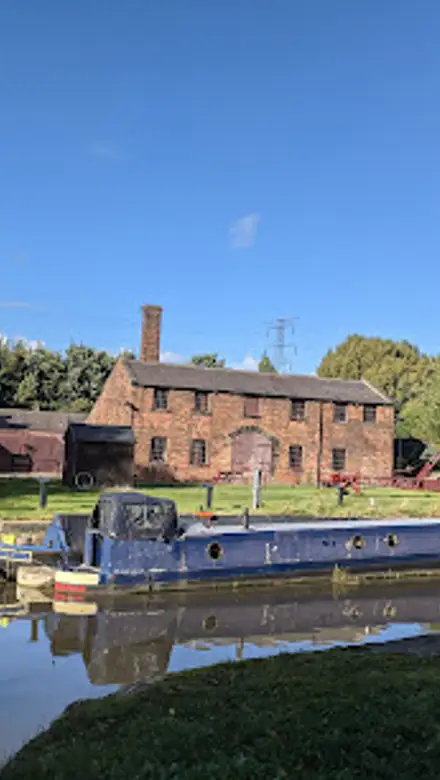
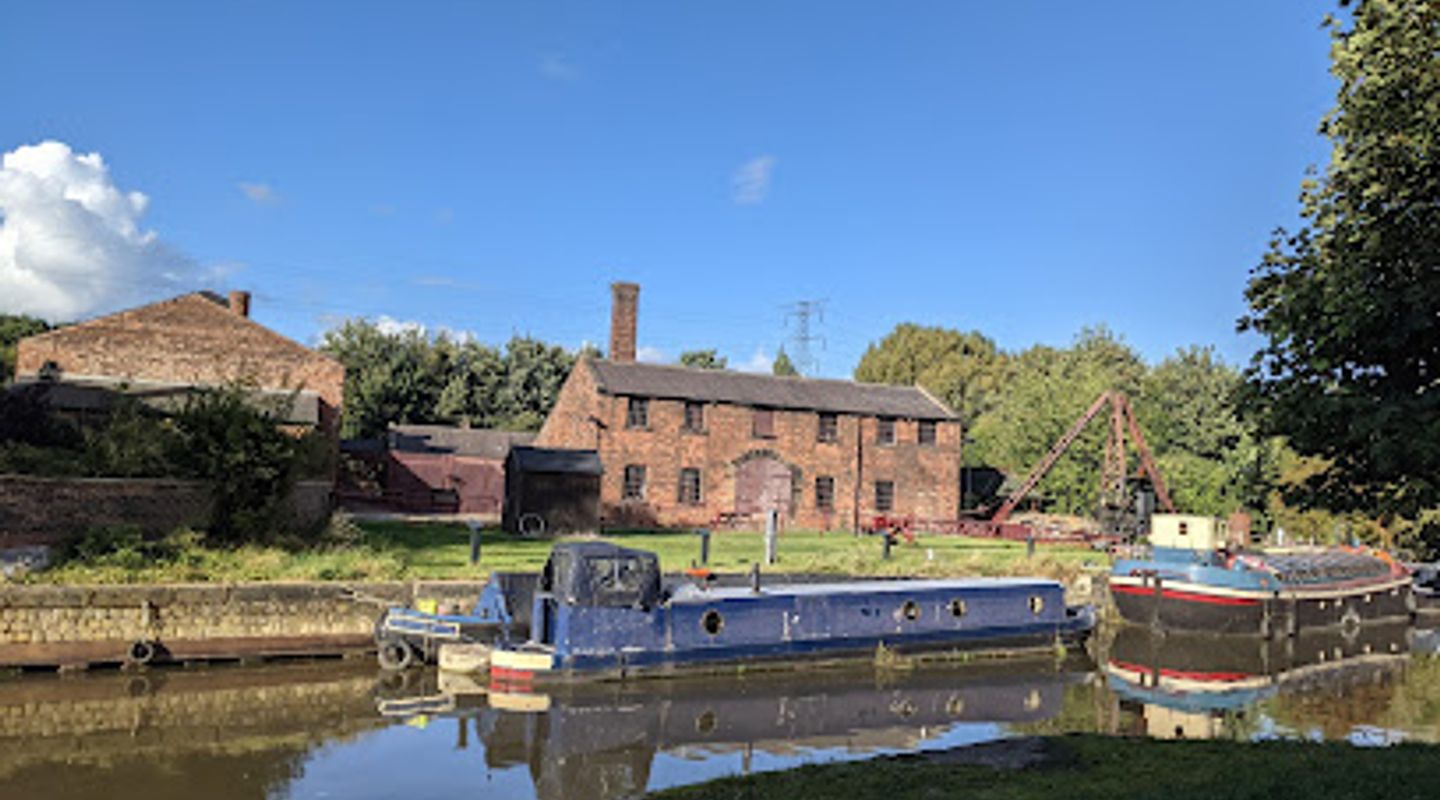
Thwaite Watermill is a captivating museum nestled on a scenic island in the River Aire, Leeds. This historic watermill showcases working waterwheels, intricate mill machinery, and a Georgian manager’s house, offering a vivid glimpse into the region’s industrial heritage. Open mainly on weekends and school holidays, it combines riverside tranquility with fascinating engineering exhibits, making it a unique cultural attraction.
A brief summary to Thwaite Watermill
- Thwaite Ln, Leeds, LS10 1RP, GB
- Click to display
- Click to display
- Duration: 1 to 3 hours
- Budget
-
 Outdoor
- Mobile reception: 4 out of 5

Know before you go
Hi, I'm Eve. Here are a few practical things to know before exploring Thwaite Watermill.
- Visit on weekends or school holidays when the mill is open to the public, typically from 12 PM to 4 PM.
- Wear comfortable shoes as you will explore historic machinery and riverside grounds.
- Check for special events like weddings that may affect public access before planning your visit.
- Bring a picnic to enjoy the peaceful riverside setting, as food options on site are limited.
Do you manage this location?
Take control to get all the benefits, like improved information, better appearance, and stronger visibility across AI-powered discovery. Learn more about listing your business on Evendo
Activate your presenceOther nearby places you may find interesting
The closest places of the same kind, if this one is not quite what you had in mind.

Explore Thwaite Watermill on the Map
A handpicked selection of must-see spots near Thwaite Watermill, mapped for you.
Getting There
-
Bus
Take local bus services from Leeds city center to the Stourton area; journey times range from 20 to 30 minutes. Services run regularly during daytime hours but check schedules for weekend frequency. From the bus stop, a 10-minute walk along Thwaite Lane leads to the mill. No direct parking at the site.
-
Walking
For an enjoyable 30-minute walk, follow the Aire and Calder Navigation Canal footpath from central Leeds near The Armouries Museum. The mostly flat route offers scenic riverside views and easy terrain suitable for most visitors.
-
Car
Driving from Leeds city center takes approximately 15 minutes via Wakefield Road (A639). Limited parking is available near the site, but spaces are few and may fill quickly during weekends and events. Parking is free but not guaranteed.
For the on-the-go comforts that matter to you
-
 Restrooms
-
 Drink Options
-
 Food Options
-
 Seating Areas
-
 Information Boards
Discover more about Thwaite Watermill
An Industrial Heritage Preserved on an Island
Thwaite Watermill is situated on a narrow island formed by the River Aire and the Aire Calder Navigation Canal in south Leeds. Its location is both picturesque and historically strategic, harnessing the river’s flow to power its machinery. The mill’s waterwheels, some measuring up to 18 feet in diameter, are undershot designs that drive the mill’s complex system of shafts, cogs, and gears. This setup vividly demonstrates the ingenuity of early industrial engineering and the importance of water power in Leeds’ milling industry.The Working Mill and Its Machinery
The watermill remains one of the few in the UK where visitors can witness the original machinery in action. The two large waterwheels rotate at a maximum of 12 revolutions per minute, transferring power through horizontal shafts and right-angle cogs that change the direction of rotation. This mechanical marvel powers various milling processes, providing an immersive experience of industrial technology from the 19th and early 20th centuries. The mill also features a diesel engine added later, marking the transition to more modern power sources.Thwaite House: A Glimpse into Georgian Life
Adjacent to the mill is Thwaite House, a Grade II listed Georgian building dating from 1823. The house served as the mill manager’s residence and office. Visitors can explore the ground floor, furnished to reflect early 20th-century domestic life, offering insight into the social history of the mill and its workers. This historic home adds a human dimension to the industrial narrative, connecting technology with everyday life.A Riverside Setting Rich in Nature and History
The mill’s island setting is not only industrially significant but also environmentally serene. The surrounding waterways and green spaces provide a tranquil atmosphere, ideal for reflective walks and photography. The weir and wooden boards controlling the water flow illustrate how natural resources were managed to maintain mill operations. This blend of natural and engineered landscapes enriches the visitor experience.Visiting Experience and Community Engagement
Thwaite Watermill is open primarily on weekends and during school holidays, with guided tours that explain the workings of the mill and the history of the site. The museum hosts occasional events, including weddings and educational programs, which contribute to its role as a community hub. While public access is limited, the site’s authentic machinery, historic buildings, and riverside charm make it a rewarding destination for history enthusiasts, families, and photographers.Preservation Challenges and Future Prospects
Despite its cultural importance, Thwaite Watermill faces challenges including limited opening hours and funding constraints. Local advocates emphasize the mill’s value as a rare surviving example of water-powered industry and urge visitors to support its preservation. Its continued operation depends on balancing public access with conservation efforts, ensuring that this unique heritage site endures for future generations.












Your all‑in‑one travel companion app
Explore expert travel guides, compare and book tours, experiences, hotels, and more—all from the palm of your hand. Download now for seamless trip planning wherever your wanderlust takes you.


Explore More of Yorkshire
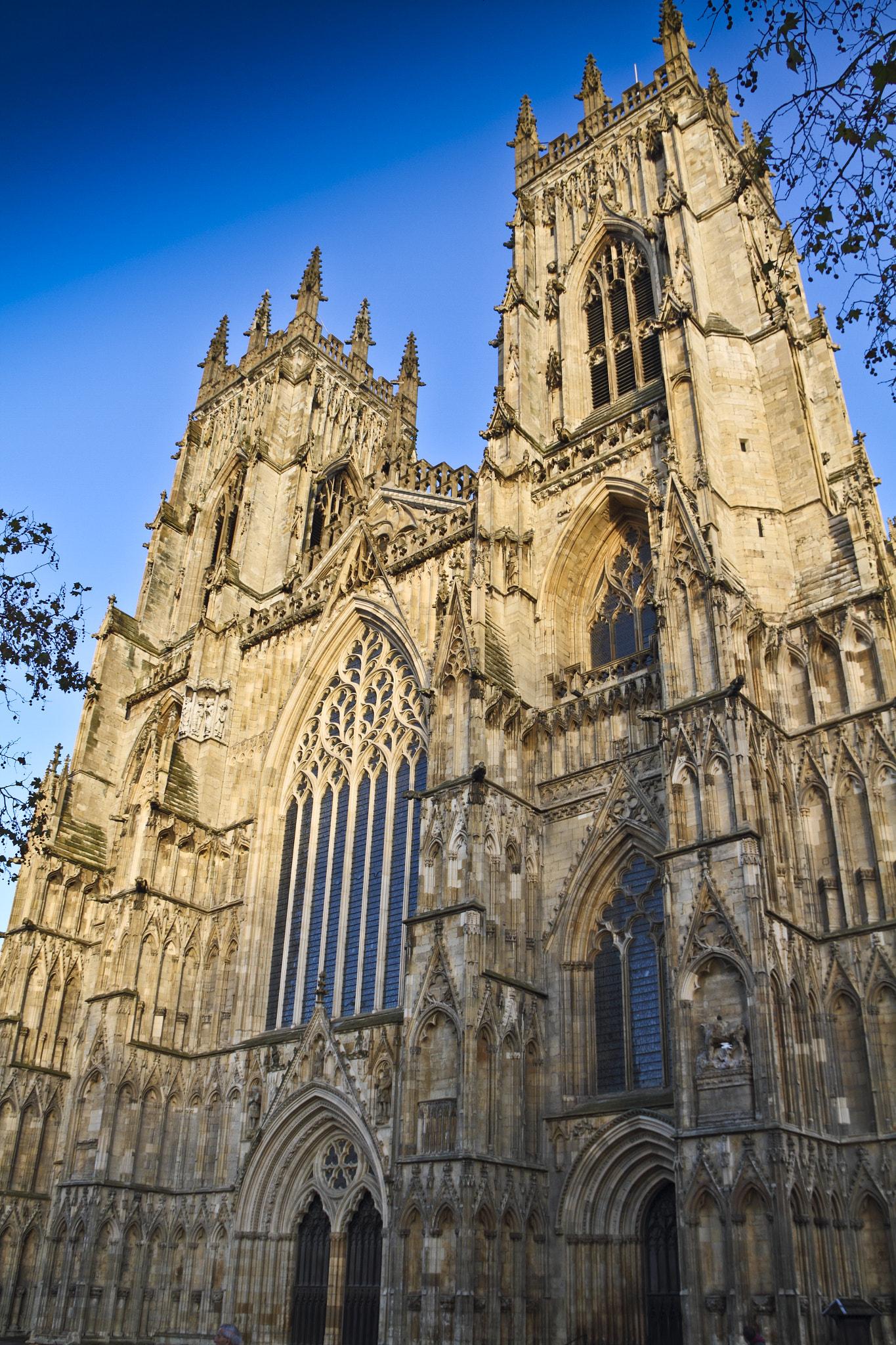
Looking beyond Thwaite Watermill? Discover Yorkshire for broader travel guides, local hot-spots, and regional highlights.
Explore Yorkshire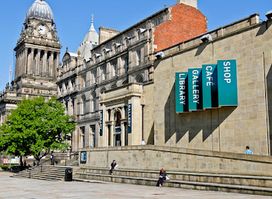
Discover modern and contemporary British art in Leeds’ vibrant city centre gallery with stunning architecture and family-friendly creative spaces.
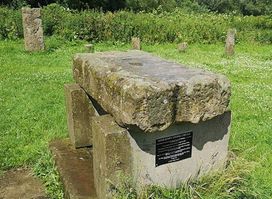
Discover the ancient Stourton Stone Circle in Leeds, a mystical site steeped in history and folklore, perfect for curious travelers and history enthusiasts alike.