

Free Yorkshire Travel Guide & Mobile App
Explore Yorkshire with free travel guides. Discover regional history, expert tips, proposed trips, and audio guides on web or mobile app.


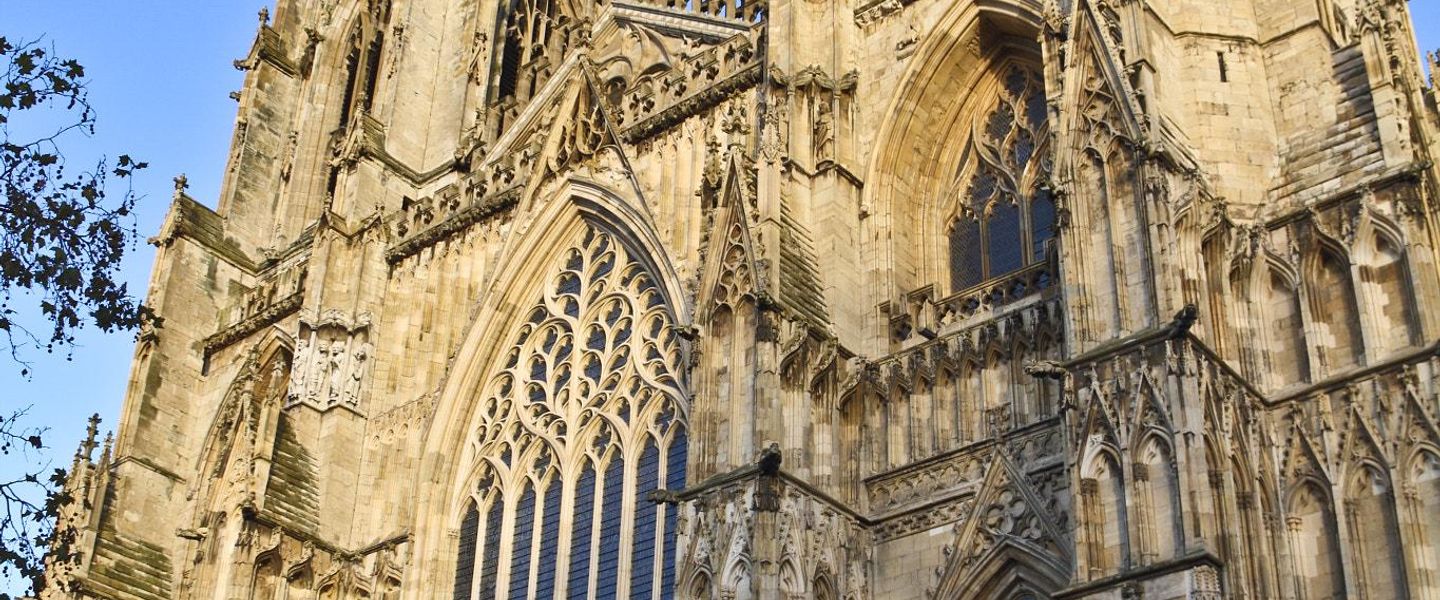


Explore Yorkshire for medieval York, Pennine walking, North Sea coastlines, industrial heritage, country houses and distinctive northern food traditions.
Read more about Yorkshire
When is the best time to visit Yorkshire?
Best: June–August · 18–20°C| Month | High (°C) | Rainfall (mm) |
|---|---|---|
| January | 7 | 60 |
| February | 8 | 55 |
| March | 10 | 55 |
| April | 12 | 60 |
| May | 15 | 60 |
| June (best) | 18 | 65 |
| July (best) | 20 | 70 |
| August (best) | 20 | 70 |
| September | 18 | 65 |
| October | 15 | 65 |
| November | 11 | 70 |
| December | 8 | 70 |
Getting to and around Yorkshire
How to get there
Transportation
Top city travel guides in Yorkshire
The cities of Yorkshire, and the easiest places to base yourself.
-
-

-
-

-

-


Swipe for more cities
Destinations in Yorkshire
Resorts, valleys and scenic spots worth a trip of their own.
-

-

-

-

-

-


Swipe for more destinations
Best attractions in Yorkshire
Yorkshire’s attractions range from the Roman and Viking archaeology of York to country houses, ruined abbeys, industrial museums and literary sites. York’s museums, city walls and historic centre provide a concentrated introduction to the region, while nearby heritage properties such as Castle Howard and the ruins of Rievaulx Abbey place architecture within expansive parkland and rural landscapes. In the west, Saltaire, the National Science and Media Museum in Bradford and the industrial heritage of Leeds and Halifax illuminate the region’s manufacturing past. The North York Moors offer walking, cycling, steam railway journeys and wildlife-rich uplands, while the Yorkshire Dales are known for limestone scenery, waterfalls, villages and extensive footpaths. Along the coast, Whitby, Scarborough, Filey, Bridlington and Flamborough Head combine beaches, maritime history, cliffs and seabird habitats. The Yorkshire Wolds provide gentler walking and cycling through chalk country, and South Yorkshire adds museums, galleries and access to open countryside around Sheffield. Attractions are widely dispersed, so a varied itinerary is best organised around two or more bases.
-
Tourist attraction
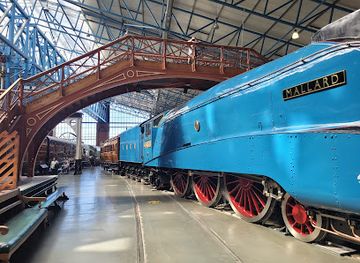
National Railway Museum York
Explore Britain's rich railway heritage with iconic locomotives, interactive exhibits, and historic carriages at York's National Railway Museum.
-
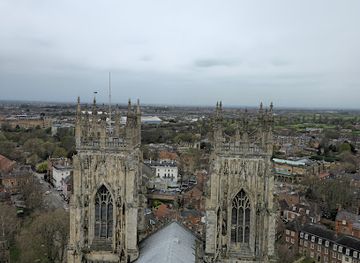
Cathedral
York Minster
Explore York Minster, a breathtaking Gothic cathedral famed for its medieval stained glass, soaring architecture, and rich 1,000-year Christian heritage.
-
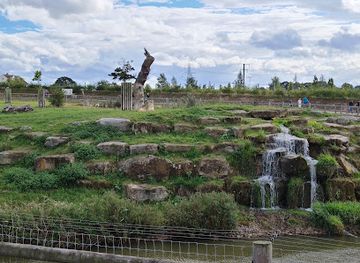
Tourist attraction
Yorkshire Wildlife Park
Explore Yorkshire Wildlife Park, the UK’s top walk-through wildlife adventure featuring over 70 species, immersive habitats, and family-friendly fun across 150 acres.
-
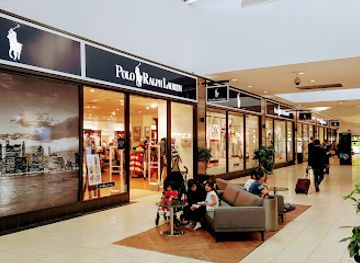
Shopping outlet
Designer Outlet York
Discover unbeatable designer discounts and family-friendly shopping just minutes from York city centre at McArthurGlen Designer Outlet York.
Best landmarks in Yorkshire
York Minster is Yorkshire’s most prominent ecclesiastical landmark, its Gothic architecture and vast stained glass making it a defining presence within York’s medieval streets. The city walls and Clifford’s Tower further express the importance of York as a Roman, Viking, medieval and later political centre. In the Dales, the ruins of Fountains Abbey form one of the region’s most significant monastic landscapes, while the limestone cliffs and valley setting of Malham provide a natural counterpart. Whitby Abbey stands above the harbour on the North Yorkshire coast, linking dramatic ruins with the town’s religious and maritime history. Saltaire’s planned streets and former mill embody Victorian industrial and philanthropic ambition. The Brontë Parsonage at Haworth and the surrounding moorland are important literary landmarks, while Flamborough Head gives the east coast a distinctive geological and visual identity through its white chalk cliffs. Other notable structures include the medieval walls and gatehouses of historic towns, the monumental railway architecture of York and the grand country-house landscapes around Castle Howard and Harewood House.
-
Cathedral
Ripon Cathedral
Discover Ripon Cathedral’s 1,350-year legacy, from its ancient Saxon crypt to stunning Gothic architecture and inspiring cultural heritage.
-
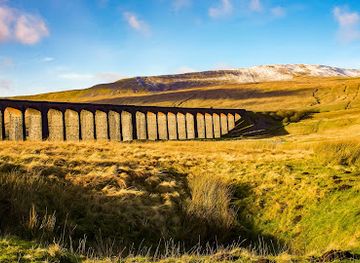
Historical landmark
Ribblehead Viaduct
Explore the majestic Ribblehead Viaduct, a Victorian engineering masterpiece set amidst breathtaking Yorkshire Dales scenery and rich railway heritage.
-
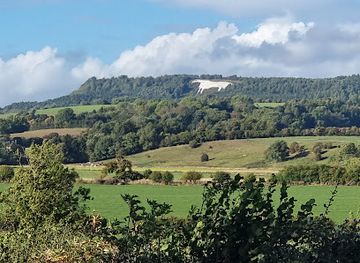
Historical landmark
Kilburn White Horse
Discover England’s largest and most northerly turf-cut hill figure, the Kilburn White Horse, a striking Victorian landmark set against the stunning North York Moors.
-
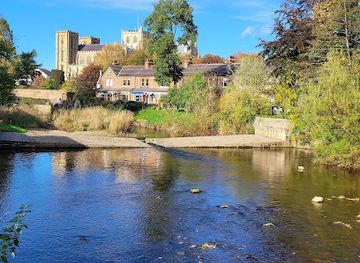
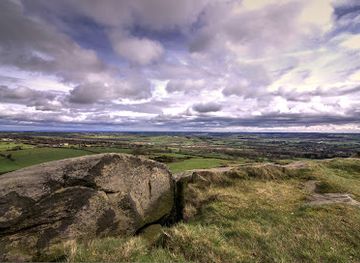
Landmark
Almscliffe Crag
A majestic Millstone Grit outcrop near Leeds and Harrogate, famed for climbing, sweeping valley views, and rich folklore.
Explore Yorkshire on the map
Plan your trip on one map. See where the top cities, national parks and sights are, and book hotels and experiences in a few clicks.
Best hotels in Yorkshire
Best restaurants in Yorkshire
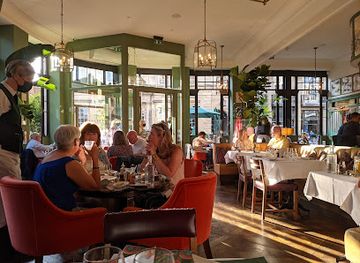
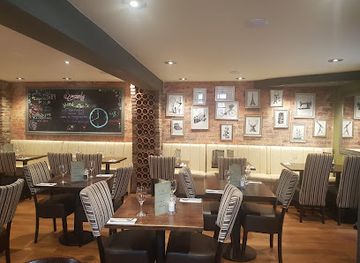
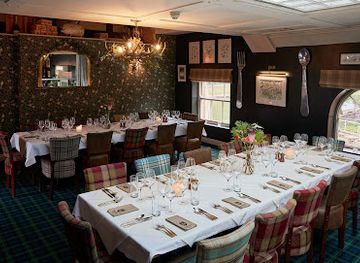
Yorkshire’s food culture combines robust regional cooking with a broad contemporary scene in Leeds, Sheffield, York, Harrogate, Bradford and other larger centres. Yorkshire pudding is traditionally served with roast beef and gravy, while parkin, a ginger-and-oat cake, is associated with the wider county and northern England. Wensleydale cheese comes from the Dales, and rhubarb has a strong agricultural association with the Wakefield area. Market towns and farm shops offer cheeses, preserves, baked goods, meats and seasonal produce, while coastal towns are natural places to look for fish and shellfish. Traditional pubs and rural inns often provide hearty meals, although menus vary considerably. Bradford is widely known for South Asian dining, reflecting the city’s communities and migration history, while York and Leeds offer restaurants spanning regional British cooking and international cuisines. Local breweries and independent cafés add to the choice without replacing the importance of everyday market and pub food.
-
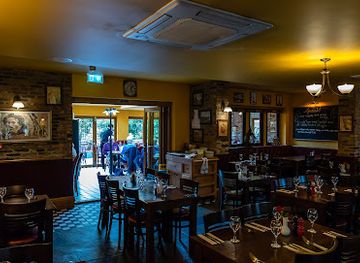
French
Rustique Restaurant
Experience authentic French flavors and vibrant bistro charm at Rustique, York’s beloved French restaurant with a welcoming atmosphere and great value.
-
British
The Ivy St Helen's Square York
Elegant British brasserie in York’s historic heart, offering modern classics, vibrant interiors, and a lively yet refined atmosphere.
-
Modern European
Ate O'Clock
Ate O'Clock offers a stylish, cozy modern European dining experience in York with locally sourced dishes and a whimsical clock-themed ambiance.
-
Modern European
The Star Inn The City
Elegant modern British dining by the River Ouse, blending Yorkshire produce with historic charm and scenic riverside views.
Best bars in Yorkshire
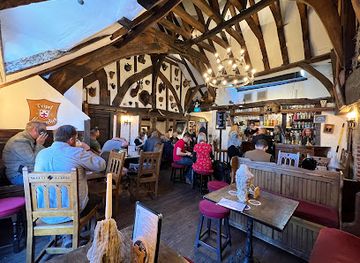
Evening life in Yorkshire varies sharply between its cities, market towns and rural districts. Leeds has the region’s broadest concentration of cocktail bars, live-music venues, pubs and clubs, while Sheffield is known for a substantial music and independent-bar culture linked to its large student and creative communities. York combines traditional pubs and historic inns with modern bars, theatre audiences and late-night venues. Bradford, Harrogate, Huddersfield and Halifax offer smaller but varied selections of pubs, restaurants and cultural venues. In coastal towns such as Scarborough and Whitby, nightlife includes pubs, live entertainment and seasonal seafront activity rather than a uniformly large club scene. Across rural Yorkshire, evenings generally centre on village pubs, food-led inns, breweries and occasional live music. Check current arrangements before travelling, especially outside the larger cities and during winter or coastal low season.
-
Bar
House Of The Trembling Madness // Stonegate (No table bookings)
A medieval-inspired craft beer sanctuary in York’s historic Stonegate, blending quirky charm with an exceptional beer selection.
-
Pub
Ye Olde Starre Inne
Step into York’s oldest licensed pub, where centuries of history blend with classic British fare and lively entertainment.
-
Pub
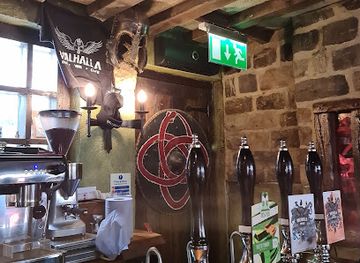
Valhalla York
Experience York’s Viking spirit with great drinks, hearty sharing platters, and a lively atmosphere at Valhalla York.
-
Pub
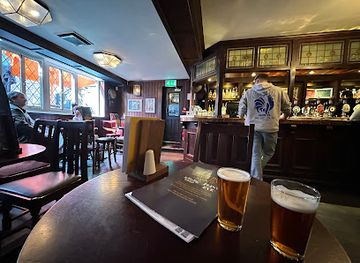
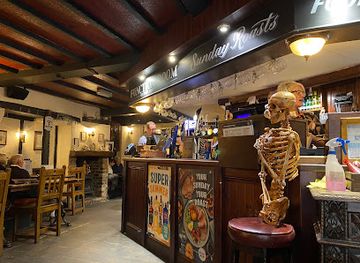
Golden Fleece York
York’s oldest haunted pub blending centuries of history, cozy charm, and hearty British fare in a lively city-center setting.
Best nightclubs in Yorkshire
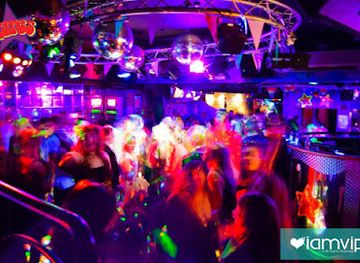
Evening life in Yorkshire varies sharply between its cities, market towns and rural districts. Leeds has the region’s broadest concentration of cocktail bars, live-music venues, pubs and clubs, while Sheffield is known for a substantial music and independent-bar culture linked to its large student and creative communities. York combines traditional pubs and historic inns with modern bars, theatre audiences and late-night venues. Bradford, Harrogate, Huddersfield and Halifax offer smaller but varied selections of pubs, restaurants and cultural venues. In coastal towns such as Scarborough and Whitby, nightlife includes pubs, live entertainment and seasonal seafront activity rather than a uniformly large club scene. Across rural Yorkshire, evenings generally centre on village pubs, food-led inns, breweries and occasional live music. Check current arrangements before travelling, especially outside the larger cities and during winter or coastal low season.
-
Nightclub
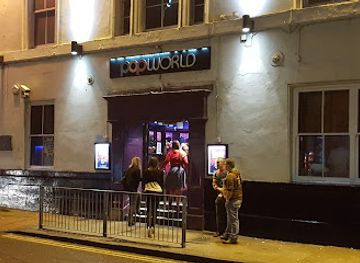
Popworld York
York’s lively nightclub with five decades of pop hits, a unique revolving dancefloor, and a safe, fun party atmosphere.
-
Nightclub
Flares - York
Step into Flares York for a vibrant retro nightclub experience with classic hits, lively vibes, and inclusive fun in the city centre.
-
Nightclub
The Backroom
A stylish speakeasy nightclub and event space in Leeds, blending vintage charm with modern nightlife energy and crafted cocktails.
-
Nightclub
The Key Club
Leeds’ vibrant alternative music venue and nightclub, hosting top indie and rock acts with an inclusive, safe atmosphere and late-night energy.

Best shops in Yorkshire
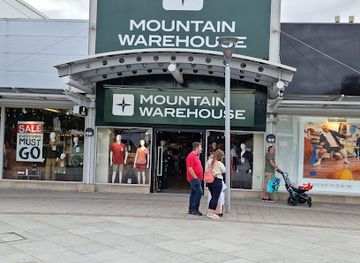
Yorkshire shopping ranges from city-centre arcades and independent boutiques to market towns, farm shops and craft galleries. York’s historic centre has specialist food, book, gift and craft shops alongside larger familiar retailers, while Leeds combines Victorian arcades, department-store traditions, independent streets and contemporary shopping areas. Sheffield and Bradford offer broad urban retail districts with distinct local and international food shopping. In smaller centres such as Harrogate, Ripon, Beverley, Helmsley and Richmond, shopping is often focused on independent shops, antiques, galleries, delicatessens and practical market-town services. Farmers’ markets and farm shops are good places to look for Yorkshire cheeses, preserves, baking, beer and seasonal produce, though their schedules vary. Craft traditions represented across the region include ceramics, textiles, jewellery and artwork, with particularly strong opportunities around rural towns and former mill communities. Choose durable local products rather than generic souvenirs, and check market days before making a special journey.
-
Shopping outlet
Junction 32 Shopping Outlet
Discover unbeatable savings and a relaxed shopping experience at Junction 32, Castleford's premier outlet with 80+ top brands and family-friendly amenities.
-
Gift shop
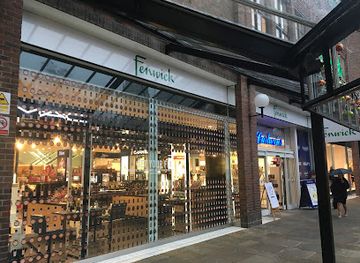
Fenwick York
Discover luxury fashion, beauty, and homeware at Fenwick York, a boutique department store nestled in the heart of Coppergate Centre.
-
Shopping Centre
The Mill Outlet & Garden Centre
Explore the UK's largest retail mill with over 40 stores, a garden centre, and diverse dining options all under one historic roof.
-
Gift shop
The Shop That Must Not Be Named
Step into the magic of Harry Potter at York’s iconic shop nestled in the historic Shambles, where wizarding wonders await every fan.
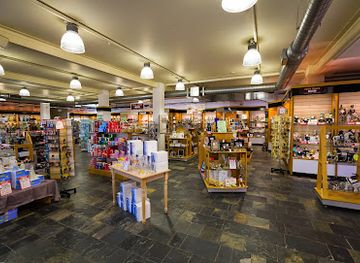

Get your free copy of our complete guide to Yorkshire, delivered straight to you.
Everything on this page, from attractions and restaurants to essentials and local phrases, in one PDF you can read offline, print or share.
Already have an account? Sign in
Your Yorkshire guide is ready.
We'll send it to · Not you? Sign out

Getting your guide ready…
We are putting together a fresh copy of the Yorkshire guide. This can take up to a minute.
This can take a few moments. If your browser asks, choose Allow so the download can start. You'll find the guide in your Downloads folder.
Nothing happened? Download it again
Sorry, the guide is taking longer than usual. Please try again in a minute, or get it by email instead.
Yorkshire essentials
Currency and Payment
Safety
Emergency Situations
Do's and Don'ts
Local Tips
From Eve
Local phrases worth knowing
You don't need to get them perfect. A few words go a long way, and locals appreciate the effort.
Basics
| English | Local | Say it |
|---|---|---|
| Hello | Ey up | [ay up] |
| Goodbye | Ta-ra | [ta-rah] |
| Yes | Aye | [eye] |
| No | Nay | [nay] |
| Please/You're welcome | Please | [pleez] |
| Thank you | Cheers | [cheers] |
| Excuse me/Sorry | Sorry | [sorry] |
| How are you? | Ow do? | [ow do] |
| Fine. And you? | Reyt. An thee? | [right. an thee] |
| Do you speak English? | Do thee speak English? | [doo thee speek English] |
| I don't understand | I don't get it | [I dont get it] |
Eating & Drinking
| English | Local | Say it |
|---|---|---|
| I'd like to see the menu, please | Can I see th' menu, please? | [kan I see th' menyoo pleez] |
| I don't eat meat | I don't eat meat | [I dont eet meet] |
| Cheers! | Cheers! | [cheers] |
| I would like to pay, please | Can I pay, please? | [kan I pay pleez] |
Emergencies
| English | Local | Say it |
|---|---|---|
| Help! | Help! | [help] |
| Go away! | Get lost! | [get lost] |
| Call the Police! | Ring the coppers! | [ring the coppers] |
| Call a doctor! | Get a doctor! | [get a doktor] |
| I'm lost | I'm lost | [I'm lost] |
| I'm ill | I'm poorly | [I'm poorly] |
Shopping
| English | Local | Say it |
|---|---|---|
| I'd like to buy... | I want to buy... | [I want to buy] |
| I'm just looking | Just having a mooch | [juhst havin a mooch] |
| How much is it? | How much is it? | [how much is it] |
| That's too expensive | That's well pricey | [thats wel prysee] |
| Can you lower the price? | Can you knock a bit off? | [kan you nok a bit off] |
Time & Numbers
| English | Local | Say it |
|---|---|---|
| What time is it? | Wot time is it? | [wot time is it] |
| It's one o'clock | It's one o'clock | [its wun o'clock] |
| Half past (10) | Half past ten | [half past ten] |
| Morning | Morning | [morning] |
| Afternoon | Afternoon | [afternoon] |
| Evening | Evening | [evening] |
| Yesterday | Yest'day | [yest'day] |
| Today | To'day | [to'day] |
| Tomorrow | To'morrow | [to'morrow] |
| 1 | One | [wun] |
| 2 | Two | [too] |
| 3 | Three | [three] |
| 4 | Four | [for] |
| 5 | Five | [fiv] |
| 6 | Six | [siks] |
| 7 | Seven | [sev'n] |
| 8 | Eight | [ait] |
| 9 | Nine | [nain] |
| 10 | Ten | [ten] |
Transport & Directions
| English | Local | Say it |
|---|---|---|
| Where's a/the...? | Where's t'...? | [we'res t'...?] |
| What's the address? | Wot's t' address? | [wots t' ad-dress?] |
| Can you show me (on the map)? | Can you show me on t' map? | [kan you show me on t' map?] |
| When's the next (bus)? | When's t' next bus? | [wens t' next bus?] |
| A ticket (to ....) | A ticket to ... | [a tik-it to ...] |
History of Yorkshire
Prehistoric Landscapes and Roman Yorkshire
Yorkshire contains evidence of settlement and ritual activity from long before written history, including prehistoric barrows, earthworks and the extensive archaeological landscape of the Yorkshire Wolds. Roman power reshaped the region from the first century AD, establishing Eboracum at present-day York as a major military and administrative centre. Roads, forts, villas and settlements connected the Vale of York with northern frontiers and agricultural districts. York’s Roman legacy remains especially important, but archaeology across the wider region also reveals how imperial rule interacted with existing communities, trade routes and farming landscapes.
Anglian Kingdoms and the Viking Age
After Roman authority receded, much of Yorkshire became central to the Anglo-Saxon kingdom of Deira and later Northumbria. Religious foundations developed at places including Whitby, whose early monastery hosted the Synod of Whitby in 664, an important decision in the English church. Scandinavian settlement and conquest transformed the region in the ninth and tenth centuries. Jórvík, the Viking name for York, became a major centre of trade and craftsmanship, while Norse influence survives in place-names, landscape terminology and aspects of local dialect.
The Norman Conquest and Medieval Monastic Yorkshire
The Norman conquest brought severe upheaval to northern England. William I’s campaigns of the 1070s, including the Harrying of the North, were followed by castles, new landholding patterns and the consolidation of aristocratic power. Medieval Yorkshire also became a centre of monastic wealth and agricultural organisation. Cistercian houses such as Fountains Abbey and Rievaulx Abbey controlled extensive estates, while York Minster developed into one of northern Europe’s most important ecclesiastical buildings. Market towns, wool production and pilgrimage further strengthened the region’s medieval economy.
The Wars of the Roses and Tudor Change
Yorkshire was closely associated with the House of York during the Wars of the Roses, the dynastic conflicts between Yorkist and Lancastrian factions in the fifteenth century. The region experienced political loyalties, military mobilisation and the influence of powerful noble families, although the wars affected communities well beyond Yorkshire. The Tudor accession brought a stronger central monarchy. The Dissolution of the Monasteries in the 1530s ended the institutional life of houses such as Fountains and Whitby, leaving ruins that later became powerful features of the regional landscape.
Wool, Markets and Early Industry
For centuries, sheep farming and wool shaped Yorkshire’s economy, linking upland valleys and market towns with national and international trade. Textile production gradually moved from domestic and small-scale work towards mechanised manufacturing. Towns in the West Riding, including Leeds, Bradford, Halifax, Huddersfield and Wakefield, expanded as mills, warehouses, canals and turnpike roads developed. Coal mining, quarrying and engineering supported this growth. The region’s distinctive stone buildings, mill complexes and market centres preserve the material legacy of an economy built on wool and industrial enterprise.
Railways and Victorian Urban Expansion
Railways transformed Yorkshire during the nineteenth century by linking manufacturing towns, ports, market centres and resorts. York became a major railway hub, while engineering works and locomotive production contributed to the growth of towns including Doncaster and other industrial centres. Rail access also helped develop seaside tourism at places such as Scarborough and increased movement between cities and the countryside. Victorian civic buildings, arcades, parks, stations and planned communities such as Saltaire reflect the wealth, ambition and social inequalities created by industrial expansion.
Industry, Literature and Modern Transformation
Yorkshire’s modern identity has been shaped by both industrial change and cultural influence. The Brontë family’s novels and poetry connected Haworth and the surrounding moorland with internationally recognised English literature, while mining, steel, textiles and engineering continued to define many communities into the twentieth century. Deindustrialisation altered the economies of West and South Yorkshire, but former mills, rail sites and mining landscapes have gained new uses. Today, universities, creative industries, technology, tourism, food production and conservation sit alongside enduring manufacturing and rural traditions.
Yorkshire in Photos
Browse through our photo collection highlighting the charm and character of the destination.
Neighbouring regions of Yorkshire
The closest regions to Yorkshire, if you have time for more than one.
-
-

-

-

-


Swipe for more regions
Explore more

Explore more of United Kingdom
Discover the United Kingdom: A blend of rich history, stunning landscapes, and vibrant cities, offering a unique travel experience for every visitor.
Explore United Kingdom