

An Bang Beach (Hoi An) Travel Guide - Free
Explore An Bang Beach in Hoi An with Evendo's free guide. Find the best shops, historic streets, restaurants, and gems on web or mobile.


An Bang Beach in Hoi An pairs a broad sandy shore with seafood cafés, village lanes, sunset swims and easy cycling beyond the Ancient Town and coastal stays.
A Beach Beside the Rice Fields
An Bang Beach lies a few kilometres north-east of Hoi An’s Ancient Town, where a narrow coastal settlement opens towards the East Sea. Its broad strand, backed by low dunes, palms, seafood restaurants and informal beach bars, has a more relaxed rhythm than the historic centre. The beach is the neighbourhood’s defining feature, but An Bang is not simply a resort strip: behind the shore, small lanes lead past houses, guest accommodation, gardens and remnants of a village landscape shaped by fishing and agriculture.Read more about An Bang Beach
From Fishing Coast to Visitor Quarter
Swimming, Seafood and Slow Evenings
Best attractions in An Bang Beach
An Bang Beach is the neighbourhood’s central attraction, with a long sandy shore suited to swimming when conditions are favourable, walking, sunbathing and watching the changing light over the sea. The beach-facing strip contains cafés, seafood restaurants and informal places to sit, while the sandy access paths and palms create a more open setting than Hoi An’s dense historic core. Behind the shoreline, the small roads through An Bang and neighbouring Cam An provide a glimpse of low-rise coastal life, with gardens, homes, guesthouses and food businesses mixed together. Cyclists can use the area as a starting point for routes towards Tra Que’s cultivation landscape and the Ancient Town, although those destinations are outside An Bang itself. The nearby coast also provides views towards the Cham Islands on clear days, but boat excursions to the islands depart from elsewhere and should not be confused with attractions within the neighbourhood.
-
 Public beach
An Bang Beach
Discover the tranquil beauty of An Bang Beach, a stunning coastal escape in Hoi An, Vietnam, perfect for relaxation and local cuisine.
2 min walk · 0.1 km from neighbourhood centre
-
Tourist attraction
Cua Dai Beach
Discover the serene beauty of Cua Dai Beach in Hoi An, Vietnam—a perfect blend of relaxation, culture, and stunning coastal views.
7 min drive · 2.3 km from neighbourhood centre
-
Tourist attraction
Tan Thanh Beach - An Bang 2 Beach
Discover the tranquil beauty of Tan Thanh Beach - An Bang 2 Beach, a hidden gem near Hoi An, Vietnam, perfect for relaxation and cultural exploration.
12 min walk · 1.0 km from neighbourhood centre
-
Tourist attraction
Hoi An Rice Fields-Cycling&Sunset
Explore the stunning rice fields of Hoi An through cycling and witness breathtaking sunsets, a perfect blend of nature and culture in Vietnam.
7 min drive · 2.3 km from neighbourhood centre


Best landmarks in An Bang Beach
An Bang Beach itself is the neighbourhood’s principal physical and symbolic landmark: its broad open shoreline defines the settlement’s relationship with the sea and distinguishes it from Hoi An’s riverfront historic core. The beach access lanes, palms, low-rise restaurants and village houses form a recognisable coastal gateway, even though they do not constitute a formal historic monument. Inland, the continuity of small residential plots and local roads is more significant than any single grand building, preserving a sense of the former fishing and farming settlement beneath the newer visitor economy. There is no comparable concentration of protected merchant architecture within An Bang to rival the Ancient Town, and major heritage monuments should not be attributed to the beach. The coast’s changing edge, fishing activity and views towards the open sea are instead the landscape features that give the neighbourhood its local identity.
-
Public beach
An Bang Beach
Discover the beauty of An Bang Beach, a stunning public beach in Hoi An, Vietnam, perfect for relaxation, adventure, and delicious local cuisine.
2 min walk · 0.1 km from neighbourhood centre
-
Restaurant
The DeckHouse An Bang Beach
Indulge in fresh seafood and breathtaking views at The DeckHouse An Bang Beach, where culinary delights meet the beauty of Vietnam's coastline.
3 min walk · 0.3 km from neighbourhood centre
-
Vegan
The Fisherman Vegan Restaurant & Cafe
Experience the best of vegan dining by the beach at The Fisherman Vegan Restaurant & Cafe in Hoi An, where every dish is a celebration of flavor and sustainability.
1 min walk · 0.1 km from neighbourhood centre
-
Tourist attraction
Tan Thanh Beach - An Bang 2 Beach
Discover serenity and culture at Tan Thanh Beach - An Bang 2 Beach, a picturesque escape near Hoi An, Vietnam, perfect for relaxation and adventure.
12 min walk · 1.0 km from neighbourhood centre


Explore An Bang Beach on the map
A handpicked selection of must-see spots in An Bang Beach, mapped for you.
Best hotels in An Bang Beach
Best restaurants in An Bang Beach
Eating in An Bang reflects its position between a fishing coast, a Vietnamese village and an international beach neighbourhood. Seafood is central, appearing in casual local restaurants and more contemporary kitchens, while cafés serve Vietnamese coffee, breakfast dishes, juices and lighter food throughout the day. Visitors will also find familiar central Vietnamese cooking, including dishes associated with the wider Hoi An region, alongside vegetarian options and international menus shaped by the area’s overseas visitor community. The principal concentration is around the roads leading to the beach, where open-fronted dining rooms and shaded terraces make the shoreline part of the meal. Inland lanes offer a quieter setting and smaller everyday eateries. Menus, seafood availability and prices can change with season and supply, so asking clearly about portions and charges is sensible when ordering fresh fish, shellfish or items priced by weight.
-
Restaurant
The DeckHouse An Bang Beach
Experience exceptional coastal dining at The DeckHouse An Bang Beach - where exquisite flavors meet breathtaking ocean views.
3 min walk · 0.3 km from neighbourhood centre
-
Restaurant
Soul Kitchen
Discover the perfect blend of Vietnamese cuisine and live music at Soul Kitchen in Hội An – a must-visit culinary hotspot.
3 min walk · 0.2 km from neighbourhood centre
-
Seafood
Nam Gia Seafood Restaurant
Discover fresh seafood delights at Nam Gia Seafood Restaurant near An Bang beach in Hội An - where flavor meets ocean views.
2 min walk · 0.1 km from neighbourhood centre
-
Vegan
The Fisherman Vegan Restaurant & Cafe
Discover delicious plant-based cuisine at The Fisherman Vegan Restaurant & Cafe near An Bang Beach in Hội An.
1 min walk · 0.1 km from neighbourhood centre


Best bars in An Bang Beach
An Bang’s nightlife is coastal and informal rather than club-oriented. After sunset, beach restaurants, small bars and cafés provide places for cocktails, beer, music and conversation, with many evenings centred on outdoor seating and the sound of the sea rather than large dance floors. The atmosphere is generally more relaxed than in Hoi An’s central entertainment streets, and the neighbourhood’s low-rise residential setting means that late-night noise can affect nearby homes and guesthouses. Several venues have developed around the beach road and access lanes, but their programmes, opening patterns and character change over time. Visitors seeking a wider choice of live music, late bars or riverside entertainment will find more options in and around the Ancient Town, which is nearby but not part of An Bang Beach. Walking back after dark requires care on uneven, dimly lit side roads.
-
Restaurant
The DeckHouse An Bang Beach
Experience delightful dining at The DeckHouse An Bang Beach, where exquisite cuisine meets breathtaking ocean views in Vietnam.
3 min walk · 0.3 km from neighbourhood centre
-
Bar
Soul Kitchen
Experience the vibrant culinary scene of Hội An at Soul Kitchen, where delicious food meets live music in an inviting atmosphere.
3 min walk · 0.2 km from neighbourhood centre
-
Restaurant
Shore Club, An Bang Beach
Experience the best of Vietnamese cuisine at Shore Club, nestled on the stunning An Bang Beach, where culinary delights meet breathtaking ocean views.
4 min walk · 0.3 km from neighbourhood centre
-
Restaurant
The Beach House & Bar An Bang beach - 호이안 해산물 맛집
Experience the best of Vietnamese seafood at The Beach House & Bar, where stunning ocean views meet delicious culinary delights in Hội An.
1 min walk · 0.1 km from neighbourhood centre


Best nightclubs in An Bang Beach
An Bang’s nightlife is coastal and informal rather than club-oriented. After sunset, beach restaurants, small bars and cafés provide places for cocktails, beer, music and conversation, with many evenings centred on outdoor seating and the sound of the sea rather than large dance floors. The atmosphere is generally more relaxed than in Hoi An’s central entertainment streets, and the neighbourhood’s low-rise residential setting means that late-night noise can affect nearby homes and guesthouses. Several venues have developed around the beach road and access lanes, but their programmes, opening patterns and character change over time. Visitors seeking a wider choice of live music, late bars or riverside entertainment will find more options in and around the Ancient Town, which is nearby but not part of An Bang Beach. Walking back after dark requires care on uneven, dimly lit side roads.
-
Bar
Soul Kitchen
Experience the vibrant culture of Hội An at Soul Kitchen, where delicious cuisine meets lively entertainment in an unforgettable setting.
3 min walk · 0.2 km from neighbourhood centre
-
Restaurant
Shore Club, An Bang Beach
Experience the best of beachside dining at Shore Club, An Bang Beach – where fresh seafood meets stunning ocean views.
4 min walk · 0.3 km from neighbourhood centre
-
Bar
Bungalow Beach Bar
Experience the perfect mix of relaxation and nightlife at Bungalow Beach Bar in Hội An, Vietnam, where stunning views meet delicious cuisine.
3 min walk · 0.2 km from neighbourhood centre
-
Cocktail bar
Double Cat Bar
Discover the vibrant cocktails and exquisite wines at Double Cat Bar in An Bàng, Hội An - a perfect blend of relaxation and enjoyment.
4 min walk · 0.3 km from neighbourhood centre


Best shops in An Bang Beach
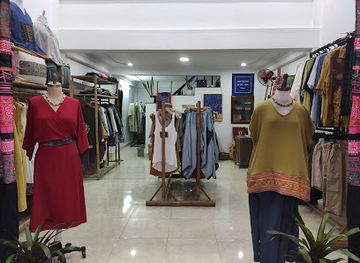
Shopping in An Bang is modest and connected to beach life rather than organised around a major market or established retail street. Small shops and stalls serve everyday needs, while beach-facing businesses offer clothing, accessories, souvenirs, drinks and practical items for visitors. The most interesting retail experience often comes from browsing independent cafés, craft-led interiors and small local businesses along the lanes rather than seeking a large concentration of boutiques. For traditional market shopping, fresh produce and a broader range of household goods, visitors should look towards markets elsewhere in Hoi An rather than expecting An Bang to function as the city’s main commercial centre. The neighbourhood’s changing mix of locally owned premises and tourism-oriented businesses reflects its transition from a primarily coastal settlement to a visitor district. Stock, opening patterns and the balance between resident and tourist commerce can vary by season.
-
Gift shop
ÊMTee - Áo Êm
Discover unique gifts and authentic Vietnamese craftsmanship at ÊMTee - Áo Êm in Hội An, a treasure trove for memorable souvenirs.
7 min drive · 2.4 km from neighbourhood centre
-
Clothing store
Ngoc Quyen - Make & Copy Bikinis
Explore custom bikinis at Ngoc Quyen, a unique clothing store in Hội An, where local craftsmanship meets personal style.
3 min walk · 0.3 km from neighbourhood centre
-
Store
Mini Mart Pink Laundry Coffee
Experience the perfect blend of local charm and delicious coffee at Mini Mart Pink Laundry Coffee near An Bang Beach, Quảng Nam.
4 min walk · 0.3 km from neighbourhood centre
-
Clothing store
Unique Hoi An Fashion
Explore Unique Hoi An Fashion for custom-tailored clothing and exquisite accessories in the heart of Vietnam's historical gem, Hoi An.
6 min walk · 0.5 km from neighbourhood centre


An Bang Beach essentials
Getting There
Getting Around
Safety
Emergency Situations
Do's and Don'ts
Local Tips

From Eve
Local phrases worth knowing
You don't need to get them perfect. A few words go a long way, and locals appreciate the effort.
Basics
| English | Local | Say it |
|---|---|---|
| Hello | Xin chào | [sin chow] |
| Goodbye | Tạm biệt | [tahm byet] |
| Yes | Có | [koh] |
| No | Không | [kohng] |
| Please/You're welcome | Làm ơn | [lam uhn] |
| Thank you | Cảm ơn | [kahm uhn] |
| Excuse me/Sorry | Xin lỗi | [sin loy] |
| How are you? | Bạn khỏe không? | [bahn kweh kohng] |
| Fine. And you? | Khỏe. Còn bạn? | [kweh. kohn bahn] |
| Do you speak English? | Bạn có nói tiếng Anh không? | [bahn koh noy ting ahn kohng] |
| I don't understand | Tôi không hiểu | [toy kohng hyew] |
Eating & Drinking
| English | Local | Say it |
|---|---|---|
| I'd like to see the menu, please | Tôi muốn xem menu, vui lòng | [toy mwohn sem menu, vwee long] |
| I don't eat meat | Tôi không ăn thịt | [toy kohng an tit] |
| Cheers! | Chúc sức khỏe! | [chook sook kweh] |
| I would like to pay, please | Tôi muốn thanh toán, vui lòng | [toy mwohn thanh toan, vwee long] |
Emergencies
| English | Local | Say it |
|---|---|---|
| Help! | Cứu! | [kyoo] |
| Go away! | Đi ra! | [dee rah] |
| Call the Police! | Gọi cảnh sát! | [goy kahng saht] |
| Call a doctor! | Gọi bác sĩ! | [goy bahk see] |
| I'm lost | Tôi lạc đường | [toy lahk doong] |
| I'm ill | Tôi bị ốm | [toy bee ohm] |
Shopping
| English | Local | Say it |
|---|---|---|
| I'd like to buy... | Tôi muốn mua... | [toy mwohn mwa] |
| I'm just looking | Tôi chỉ xem thôi | [toy chee sem toy] |
| How much is it? | Bao nhiêu tiền? | [bahng nyew tyen] |
| That's too expensive | Đắt quá | [daht kwah] |
| Can you lower the price? | Bạn có thể giảm giá được không? | [bahn koh thee zam zah duhk kohng] |
Time & Numbers
| English | Local | Say it |
|---|---|---|
| What time is it? | Bây giờ là mấy giờ? | [bay zoh lah may zoh] |
| It's one o'clock | Bây giờ là một giờ | [bay zoh lah moht zoh] |
| Half past (10) | Rưỡi (mười) | [rooi (mooee)] |
| Morning | Sáng | [sahng] |
| Afternoon | Chiều | [chee-oo] |
| Evening | Tối | [toe-ee] |
| Yesterday | Hôm qua | [hohm kwah] |
| Today | Hôm nay | [hohm nai] |
| Tomorrow | Ngày mai | [ngai my] |
| 1 | Một | [moht] |
| 2 | Hai | [hai] |
| 3 | Ba | [ba] |
| 4 | Bốn | [bon] |
| 5 | Năm | [nahm] |
| 6 | Sáu | [sow] |
| 7 | Bảy | [bahy] |
| 8 | Tám | [tam] |
| 9 | Chín | [cheen] |
| 10 | Mười | [mooee] |
Transport & Directions
| English | Local | Say it |
|---|---|---|
| Where's a/the...? | Chỗ...ở đâu? | [choh...uh dow?] |
| What's the address? | Địa chỉ là gì? | [dya chee lah zee?] |
| Can you show me (on the map)? | Bạn có thể chỉ cho tôi (trên bản đồ) được không? | [bahn koh thee chee choh toy (trern ban doh) duhk kohng?] |
| When's the next (bus)? | Khi nào là chuyến xe (buýt) tiếp theo? | [khi now la chuyeen se (boo-eet) tiep theo?] |
| A ticket (to ....) | Một vé (đến ....) | [moht vee (den ....)] |
History of An Bang Beach
A Rural Coast near Hoi An
An Bang developed as part of the rural coastal landscape north-east of Hoi An, whose historic importance grew around river trade, craft production and maritime commerce. The settlement’s traditional relationship with the sea was practical rather than recreational, involving fishing and other coastal livelihoods, while inland land was used for homes, gardens and cultivation. Unlike the Ancient Town, An Bang has no concentration of historic merchant houses or trading institutions; its local identity comes from the relationship between the shoreline and the village behind it. This distinction remains visible in the low-rise streets and modest residential plots that survive beyond the visitor-facing beach.
Roads, Bicycles and Coastal Access
As Hoi An became increasingly connected to regional roads and better known as a heritage destination, the coast around An Bang became easier to reach from the Ancient Town and neighbouring villages. Bicycles and motorbikes made the short overland journey especially accessible, linking the beach with Cam An, Tra Que and other parts of the former rural fringe. Improved access changed the local economy by bringing visitors who were looking for time beside the sea as well as walks through Hoi An’s historic centre. Small-scale food businesses and guest accommodation appeared gradually along the lanes rather than through a single planned resort development.
Tourism and a Changing Village Economy
During the 2010s, An Bang became established as one of Hoi An’s best-known beach areas, encouraging the growth of restaurants, cafés, beach services, homestays and boutique accommodation. This brought new employment and investment but also altered land use and the visual character of parts of the settlement, as family properties adapted to visitor demand. The neighbourhood’s contemporary appeal rests on a balance between tourism and its older coastal setting: the beach is internationally recognisable, yet the surrounding lanes remain largely low-rise and connected to everyday life in central Vietnam. Seasonal weather, coastal erosion and changing visitor patterns continue to influence the area.
An Bang Beach in Photos
Browse through our photo collection highlighting the charm and character of the destination.
Neighbourhoods near An Bang Beach
The closest neighbourhoods to An Bang Beach, if you have time for more than one stop.
-

-


Swipe for more neighbourhoods
Explore more

Explore more of Hoi An
Hoi An combines a UNESCO-listed old town, lantern-lit streets, riverside heritage, Vietnamese cuisine, tailor shops and cultural experiences near the coast.
Explore Hoi An