Oaxaca, Mexico, transforms into a vibrant tapestry of life and remembrance during Dia de los Muertos, a celebration that beautifully intertwines indigenous traditions with Spanish Catholic influences. From October 31st to November 2nd, the city comes alive with color, fragrance, and heartfelt tributes to honor departed loved ones.
The air is filled with the scent of copal incense, and the streets are adorned with vibrant marigolds, guiding spirits back to the world of the living. Families create elaborate altars, cemeteries become festive gathering places, and parades fill the streets with music and dance. This is Dia de los Muertos in Oaxaca, a unique and unforgettable cultural experience.

Oaxaca Beckons: Where Ancient Souls Dance
As Dia de los Muertos approaches, Oaxaca prepares to host one of the most authentic and deeply spiritual celebrations in Mexico. The holiday, a blend of ancient indigenous beliefs and Spanish Catholicism, is a time when the veil between the living and the dead thins, allowing spirits to return and visit their loved ones. The festivities officially span from October 31st to November 2nd, but in Oaxaca, the celebrations often begin a day or two earlier and extend a day or so after.
The city undergoes a stunning visual transformation. Marigolds, known as cempasúchil, are everywhere. Their vibrant orange petals and strong scent are believed to guide the spirits home. These ‘flowers of the dead’ adorn homes, businesses, and especially the elaborate altars that are central to the celebration. The scent of copal, a traditional incense, permeates the air, further beckoning the souls of the departed.
The roots of Dia de los Muertos in Oaxaca run deep, with influences from the Zapotec and Aztec civilizations. These pre-Hispanic cultures honored their ancestors through rituals and offerings, a tradition that continues to this day. The Spanish colonizers, upon their arrival, attempted to suppress these practices, but indigenous people cleverly merged their beliefs with Catholic traditions, resulting in the unique syncretism that defines Dia de los Muertos.
To truly understand the significance of this holiday, speaking with locals is essential. A local historian might explain how the ancient belief in the cyclical nature of life and death is reflected in the modern-day celebrations. They could share stories of Mictlantecuhtli, the Aztec god of the underworld, and how his influence is still felt during this time. They might also discuss the importance of community and family in maintaining these traditions.
Altars Ablaze: Home Shrines to Remembered Lives
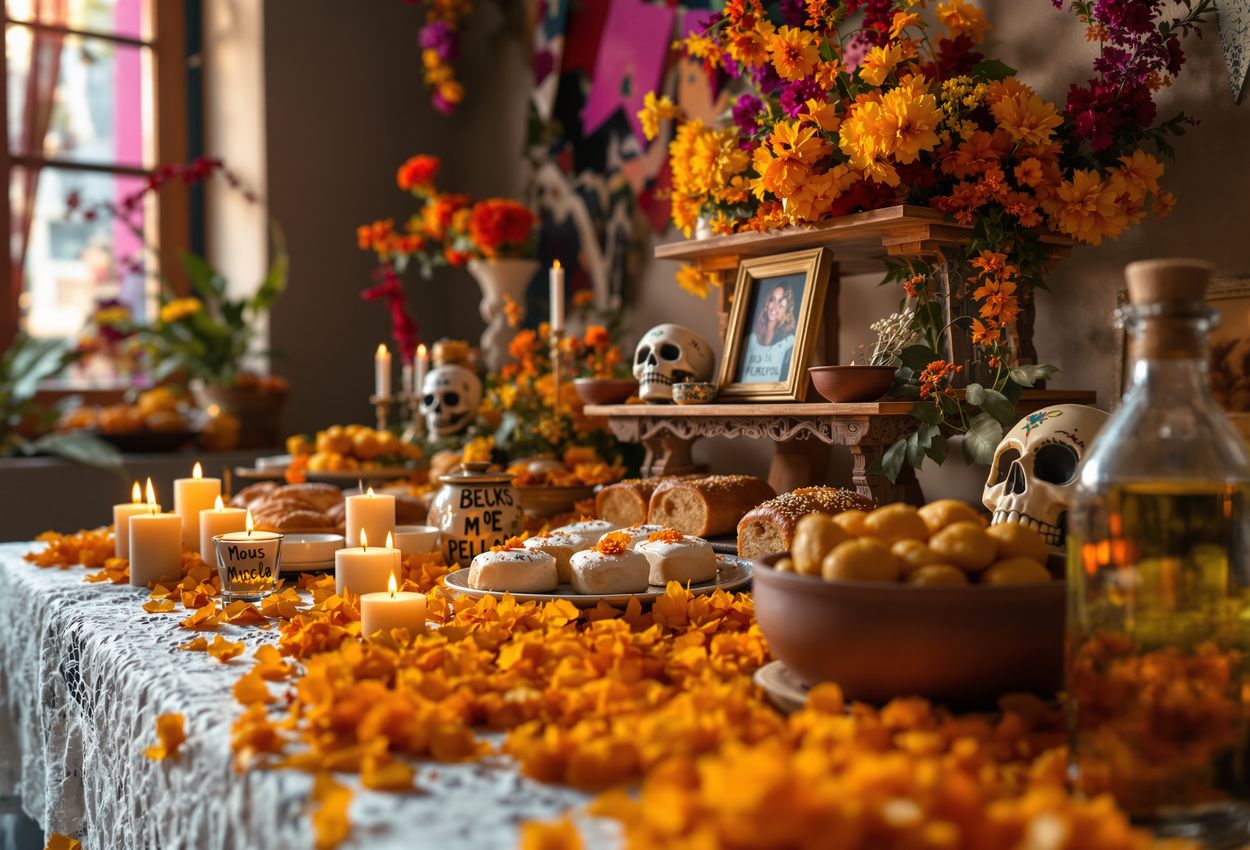
The heart of Dia de los Muertos lies in the elaborate altars, or ofrendas, created in homes and public spaces. These are not merely decorations but sacred spaces designed to welcome the returning spirits. Each altar is a labor of love, meticulously constructed and filled with symbolic offerings.
Altars are typically multi-tiered, each level representing a different aspect of the spiritual realm. The top tier often displays photos of the deceased, honoring their memory. Marigolds are abundant, their vibrant color and scent guiding the spirits. Candles flicker, illuminating the path for the returning souls and providing warmth and light. Papel picado, colorful paper cutouts, add a festive touch, their delicate designs representing the fragility of life.
Food and drinks are essential offerings, with families preparing the favorite dishes and beverages of their deceased loved ones. This might include mole, a rich and complex sauce, pan de muerto, a sweet bread adorned with bone-shaped decorations, and mezcal, a traditional alcoholic beverage. These offerings are not meant to be consumed by the living but rather to nourish the spirits during their visit. The four elements – earth, wind, water, and fire – are also represented on the altar, symbolizing the connection between the natural world and the spiritual realm.
Hidden Gem: For a truly authentic experience, venture into the Xochimilco neighborhood, known for its traditional celebrations. Here, you might be invited to visit a family altar, a deeply personal and intimate experience. Speaking with the family, you'll learn about the significance of each item on the altar and the stories behind the photos. This is a chance to connect with the true meaning of Dia de los Muertos and witness the love and remembrance that fuels this tradition.
Cemetery Vigils: A Night Among the Spirits
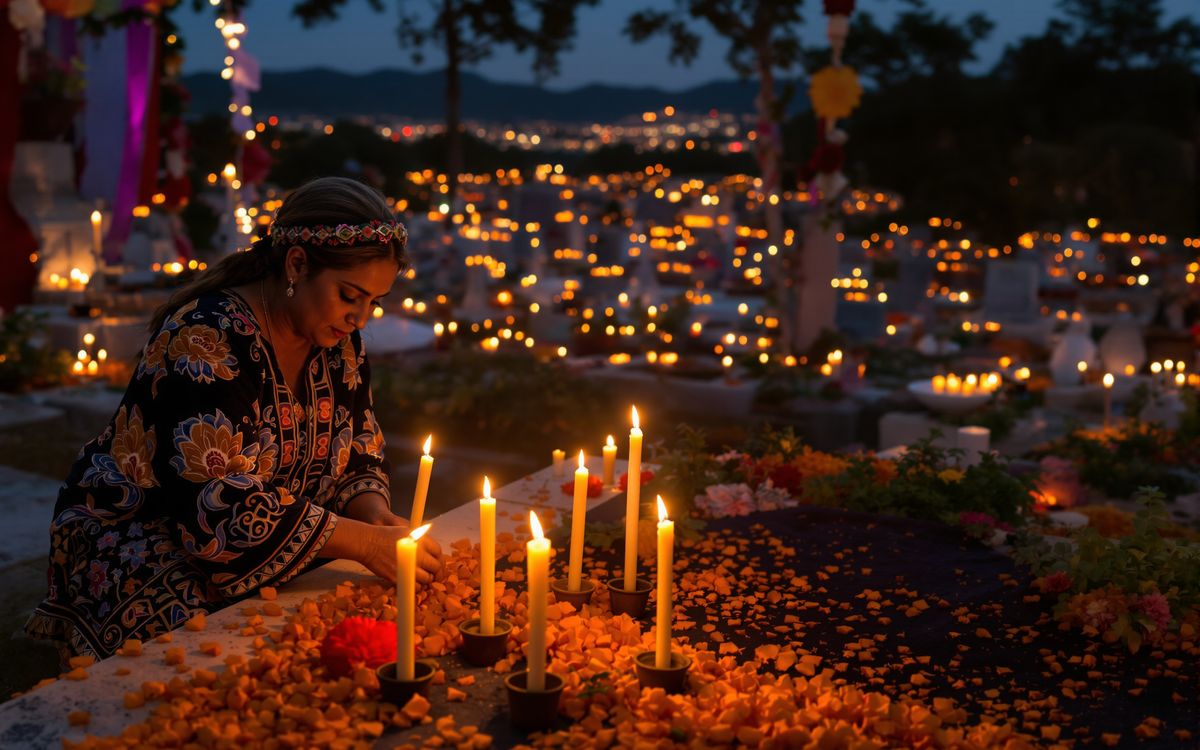
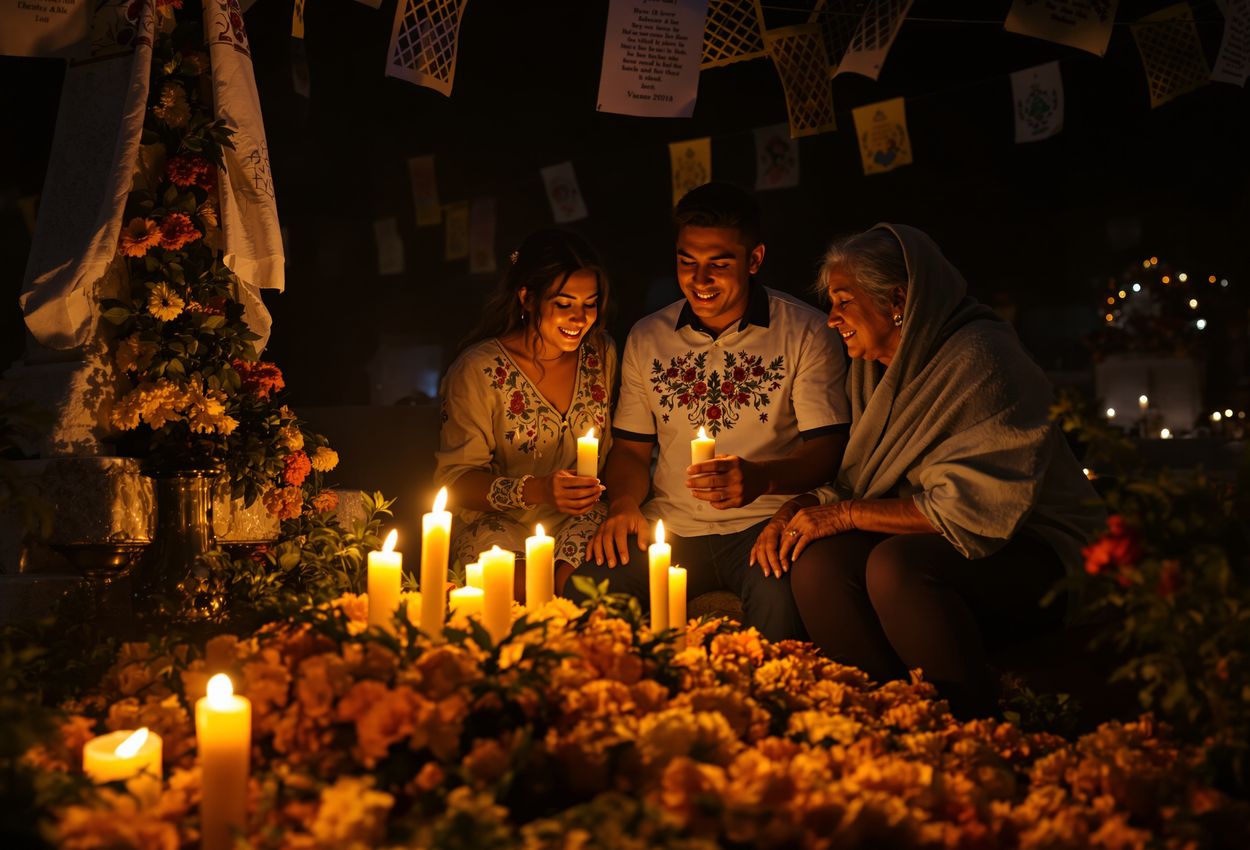
As night falls on Dia de los Muertos, Oaxacan cemeteries transform into vibrant gathering places. Families flock to cemeteries like Xoxocotlán and San Felipe, carrying flowers, candles, and food to decorate the graves of their loved ones. The atmosphere is far from somber; instead, it's a celebration of life and remembrance.
The flickering candlelight creates a magical ambiance, casting long shadows and illuminating the faces of those gathered. The air is filled with the murmur of prayers, the sound of music, and the sharing of stories. Families reminisce about the deceased, sharing fond memories and laughter. Some families even hire mariachi bands to play the favorite songs of their loved ones, filling the night with music and joy.
Food and drinks are shared amongst family and friends, creating a sense of community and togetherness. It's not uncommon to be invited to join a family's vigil, a gesture of warmth and hospitality. Accepting such an invitation offers a unique opportunity to learn about the lives of those being honored and to witness the deep connection between the living and the dead.
A community leader can provide valuable insights into the importance of cemetery vigils. They might explain how these gatherings reinforce community bonds, preserve cultural traditions, and offer solace to those grieving the loss of loved ones. They could also discuss the challenges of maintaining these traditions in the face of modernization and globalization.

Marching with the Dead: Comparsas and Muerteadas
The vibrant parades, known as comparsas and muerteadas, are an integral part of Dia de los Muertos celebrations in Oaxaca. These processions are a riot of color, music, and theatrical performances, bringing the spirit world to life. Participants don elaborate costumes, often depicting skeletons, spirits, and other fantastical creatures.
The music is infectious, with brass bands and traditional musicians filling the streets with lively tunes. Dancers twirl and sway, their movements echoing the rhythm of life and death. The parades often tell stories, playfully reenacting the journey of the deceased back to the land of the living.
Specific Location: The Magna Comparsa in downtown Oaxaca City is a major highlight, drawing crowds from all over the region. This grand parade features elaborate floats, intricate costumes, and hundreds of participants. The energy is palpable, as the parade winds its way through the city streets, culminating in a festive celebration at the town square.
Hidden Gem: For a more intimate experience, seek out the muerteadas in smaller towns like Santa Maria Atzompa. These local parades offer a glimpse into the unique traditions of each community, with costumes, music, and rituals that reflect their distinct cultural heritage.
Speaking with a parade participant reveals the months of preparation that go into these events. From designing and creating costumes to rehearsing dances and raising funds, the comparsas and muerteadas are a true community effort.
Artisans' Touch: Crafting Beauty from Remembrance
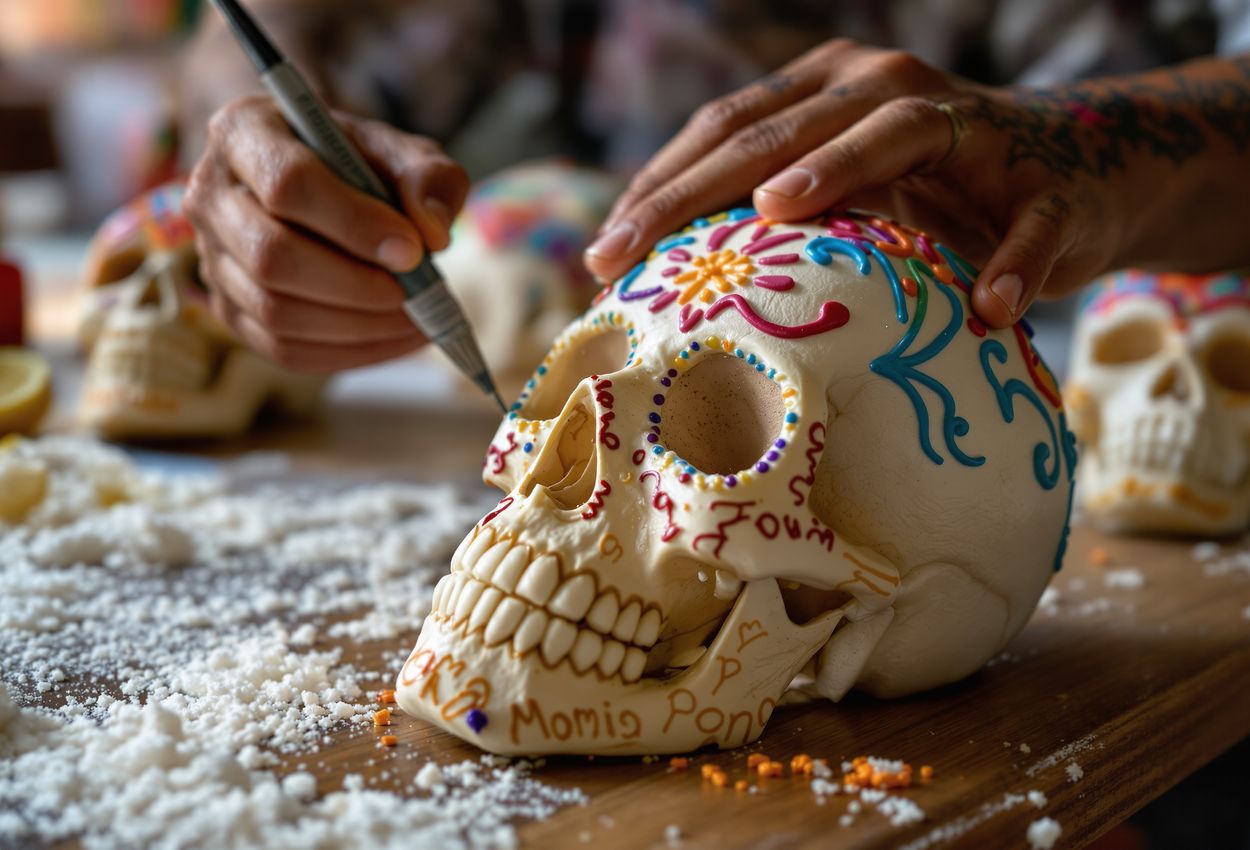
Dia de los Muertos in Oaxaca is a celebration of art as much as it is a celebration of life. Local artisans play a vital role in creating the decorations and offerings that adorn altars and cemeteries. Their crafts are not merely decorative but imbued with cultural significance and symbolism.
Sugar skulls, or calaveras de azúcar, are perhaps the most iconic of these crafts. These brightly decorated skulls represent the deceased and are placed on altars as a sweet offering. Alebrijes, fantastical creatures carved from wood and painted in vibrant colors, are another popular art form. These whimsical figures are believed to be spirit guides, protecting the souls on their journey.
Sand tapestries, or tapetes de arena, are intricate works of art created on the ground using colored sand. These ephemeral creations often depict religious scenes or portraits of the deceased, serving as a temporary tribute to their memory. Traditional textiles, woven with intricate designs and vibrant colors, are also used to decorate altars and homes.
Specific Locations: The artisan towns of San Martín Tilcajete and San Antonio Arrazola are renowned for their alebrijes. Visiting these towns offers a chance to witness the creation process firsthand and to purchase these unique works of art directly from the artisans.
Hands-on Experience: Participating in a mask-making workshop provides a deeper understanding of the cultural significance of these crafts. Learning to create your own mask allows you to connect with the traditions of Dia de los Muertos in a meaningful way.
An interview with an artisan reveals the deep connection between their craft and their cultural heritage. They might share stories passed down through generations, explaining the symbolism behind their designs and the importance of preserving these traditions.