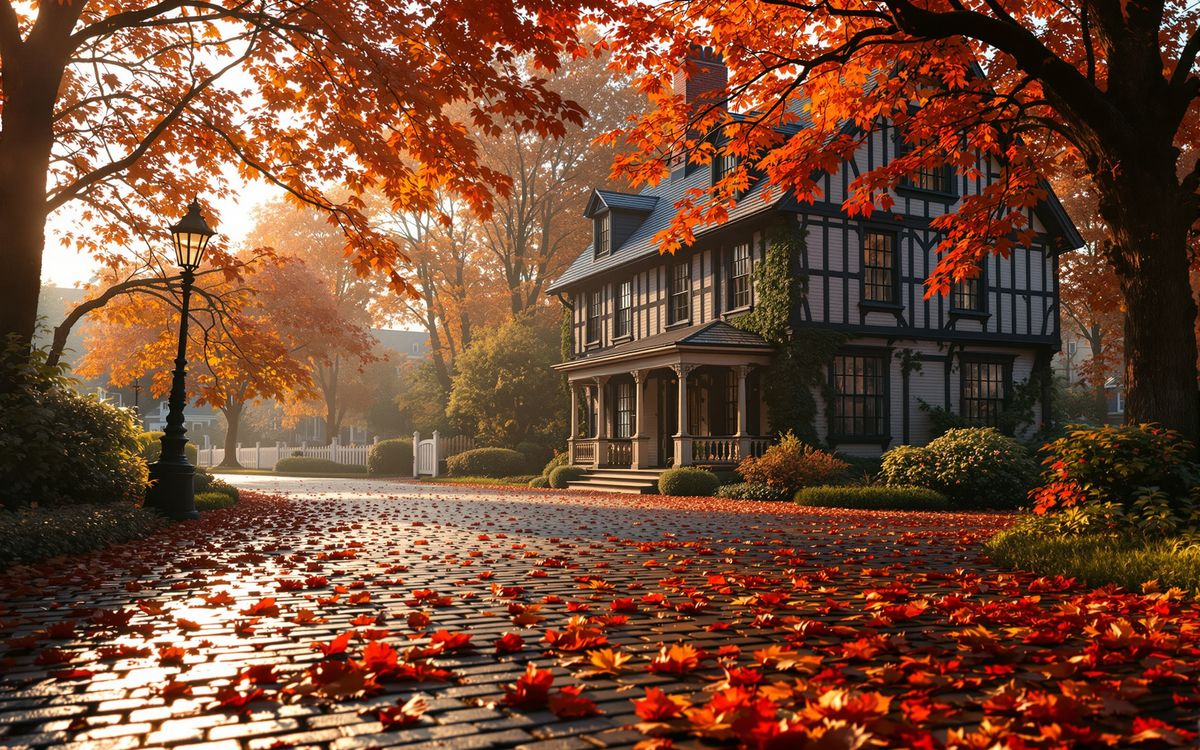
In the hauntingly historic town of Salem, Massachusetts, the echoes of 1692 linger, whispering tales of witchcraft, hysteria, and injustice. More than three centuries later, the Salem Witch Trials remain a chilling chapter in American history, a stark reminder of the dangers of fear, paranoia, and unchecked authority.
Today, Salem grapples with its past, transforming the dark legacy of the witch trials into a compelling, albeit somber, tourist destination. Visitors flock to explore the landmarks, museums, and memorials that commemorate the victims and examine the events that led to the infamous persecutions. This article delves into the heart of the Salem Witch Trials, separating fact from fiction and exploring the enduring impact on the town and its people.

A Crucible of Fear: Setting the Stage in 1692 Salem
To understand the Salem Witch Trials, one must first step back in time to 1692, when Salem Village (now Danvers) was a small, isolated community grappling with a multitude of anxieties. Social, political, and religious tensions simmered beneath the surface, creating a fertile ground for suspicion and fear.
The Massachusetts Bay Colony was embroiled in King William's War, a conflict with France and its Native American allies. This constant threat of attack instilled a sense of unease and vulnerability within the community. Adding to the turmoil, a recent smallpox outbreak had claimed lives and further strained resources, leaving the remaining villagers feeling even more exposed and at risk.
Within Salem Village, deep-seated rivalries and land disputes fueled animosity between families. The village was in constant conflict with the more prosperous Salem Town. These internal divisions created an atmosphere of distrust and resentment, making it easier for accusations to take root and spread.
At the heart of Salem's society lay strict Puritan beliefs, which emphasized piety, hard work, and adherence to religious doctrine. The Puritans believed in the constant presence of God and the Devil, viewing the world as a battleground between good and evil. They feared the Devil's influence and believed he could infiltrate their community through witches and sorcerers. This pervasive fear of the supernatural made the villagers susceptible to believing accusations of witchcraft.
In this environment of fear and uncertainty, the stage was set for the tragic events that would soon unfold, forever marking Salem as a place synonymous with witch hunts and mass hysteria.
The Afflicted Girls: Accusations and Hysteria Erupt
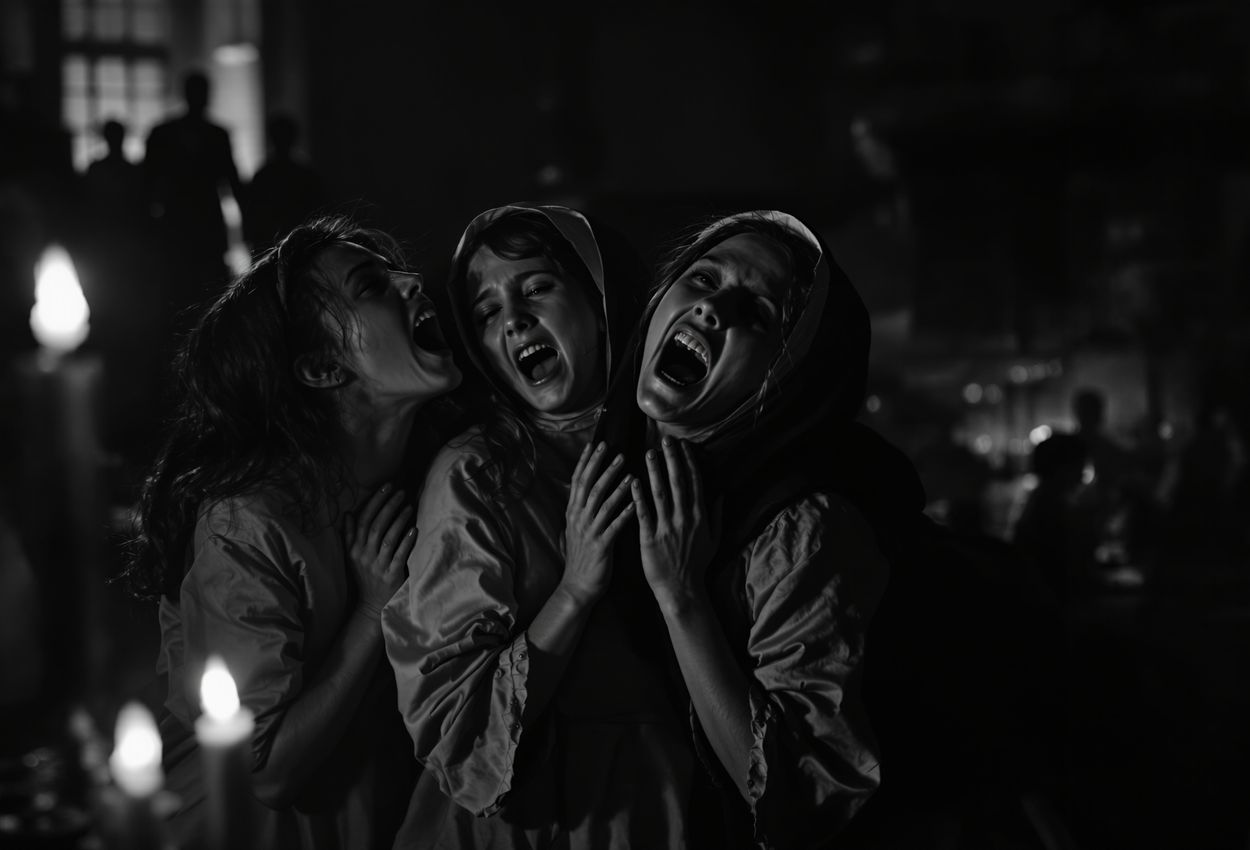
The spark that ignited the Salem Witch Trials was the strange behavior of several young girls in the village. In January 1692, Abigail Williams (age 11), Elizabeth Parris (age 9), and Ann Putnam Jr. (age 12) began exhibiting bizarre symptoms, including fits, convulsions, and uncontrollable screaming. They complained of being pinched, pricked with pins, and tormented by invisible forces.
The local doctor, unable to find a physical explanation for their ailments, diagnosed them as being bewitched. This diagnosis immediately cast suspicion upon the community, as the Puritans firmly believed in the reality of witchcraft and the Devil's power.
Under pressure from ministers and magistrates, the girls eventually began to accuse individuals of afflicting them. The first accused were Tituba, an Indigenous woman enslaved in the Parris household; Sarah Good, a homeless beggar; and Sarah Osborne, an elderly woman known for her unconventional behavior. These women were easy targets, as they were already social outcasts and vulnerable members of the community.
As the accusations spread, hysteria gripped Salem Village. More and more girls began to exhibit similar symptoms, and the list of accused grew exponentially. The girls became powerful figures in the community, their words carrying immense weight. Their accusations were often based on spectral evidence, meaning that they claimed to see the spirits of the accused tormenting them. This type of evidence was highly problematic, as it was based solely on the girls' claims and could not be verified.
The motivations behind the girls' accusations are complex and debated by historians. Some believe they were genuinely suffering from some form of psychological or physical ailment, while others suggest they were motivated by attention-seeking, social pressures, or even deliberate manipulation. Whatever the reasons, their accusations unleashed a wave of fear and paranoia that would consume Salem and lead to the tragic deaths of innocent people.
Salem Witch Museum: Immersing Yourself in the Dark History
For those seeking to understand the events of 1692, a visit to the Salem Witch Museum is an essential first stop. Located in the heart of Salem, the museum offers a comprehensive overview of the witch trials, providing historical context and exploring the various factors that contributed to the hysteria.
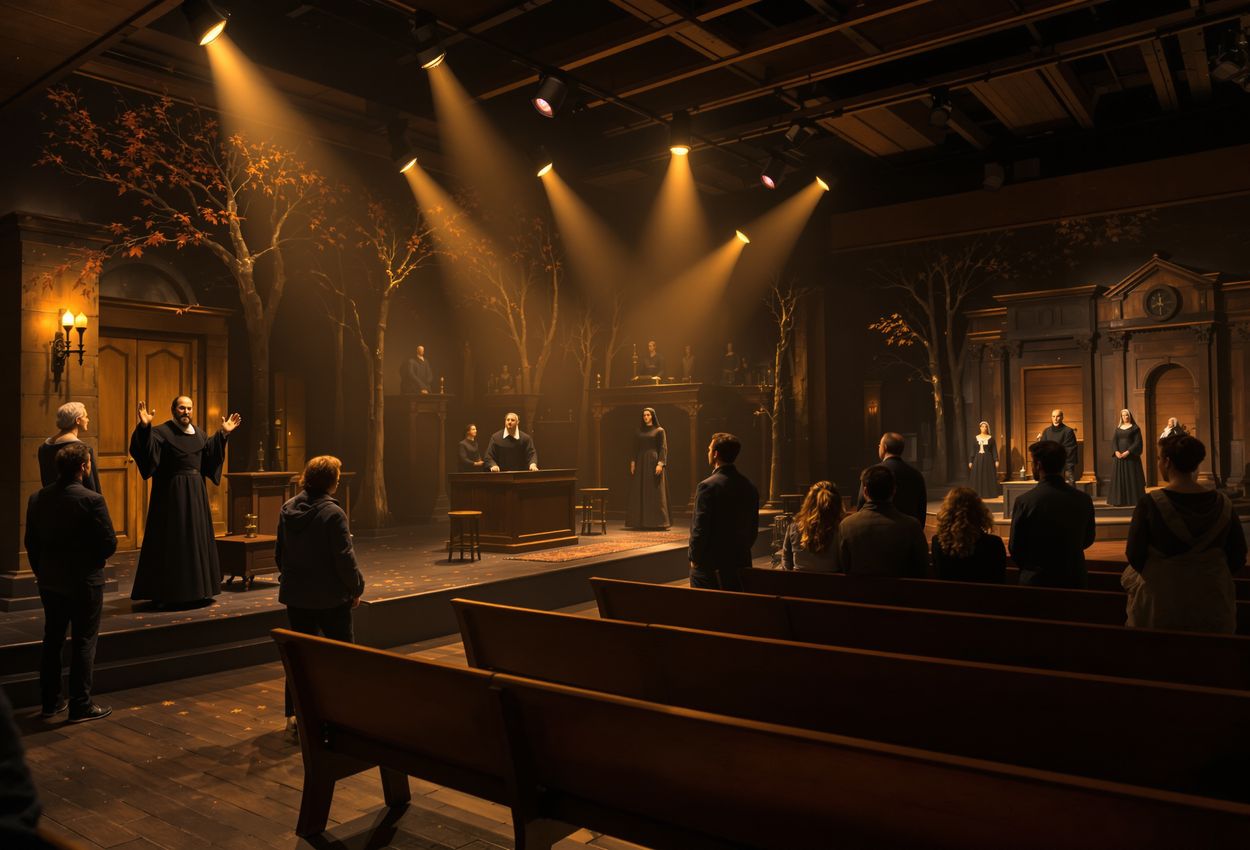
The museum's main presentation is an immersive experience that recounts the events of 1692 using life-size stage sets, narration, and dramatic lighting. Visitors are transported back in time to witness the accusations, trials, and executions that took place in Salem. The presentation is both informative and emotionally impactful, offering a visceral understanding of the fear and paranoia that gripped the community.
In addition to the main presentation, the Salem Witch Museum features the exhibit “Witches: Evolving Perceptions”, which explores the history of witchcraft from ancient times to the present day. The exhibit examines the witch archetype in various cultures and explores the reasons why societies have historically persecuted those accused of witchcraft. It also addresses modern-day misconceptions about witchcraft and promotes a more nuanced understanding of the subject.
The Salem Witch Museum plays a vital role in preserving the memory of the victims of the witch trials. The museum was instrumental in creating the Salem Witch Trials Memorial, a somber and moving tribute to those who were wrongly accused and executed. The museum also contributes to Salem's annual Haunted Happenings each October, a series of events that commemorate the witch trials and explore the themes of witchcraft and the supernatural.

The Witch House: Echoes of Judge Corwin's Judgments
A short walk from the Salem Witch Museum stands the Witch House (also known as the Jonathan Corwin House), the only remaining structure in Salem with direct ties to the witch trials. This historic house was the home of Jonathan Corwin, a prominent merchant and judge who played a significant role in the trials.
Jonathan Corwin was appointed as one of the judges to the Court of Oyer and Terminer, the court established to hear the witch trial cases. He presided over numerous trials and signed the warrants for the executions of many of the accused. His involvement in the trials makes the Witch House a tangible link to the events of 1692.
The Witch House itself is a well-preserved example of 17th-century New England architecture. The house was built in the 1670s and features a distinctive gable roof, leaded glass windows, and a central chimney. Visitors can tour the house and see the rooms where Corwin lived and worked, gaining a glimpse into the life of a prominent Salem resident during the witch trials era.
The Witch House has a rich and fascinating history. In the 1940s, the house was nearly demolished to make way for a gas station. However, concerned citizens rallied to save the house, and it was eventually moved to its current location and restored. Today, the Witch House serves as a museum and educational center, offering visitors a chance to learn about the Salem Witch Trials and the life of Jonathan Corwin.
As with any historic site, the Witch House is associated with stories and rumors of paranormal activity. Some visitors have reported feeling strange sensations or seeing unexplained phenomena within the house. Whether these stories are true or simply the product of imagination, they add to the mystique and intrigue of the Witch House.

Old Burying Point Cemetery: Where Accusers and Accused Rest
A short distance from the Witch House lies the Old Burying Point Cemetery, one of the oldest cemeteries in the United States. Established in 1637, the cemetery is the final resting place of many notable figures from Salem's history, including several individuals connected to the witch trials.
Among those buried in the Old Burying Point Cemetery are Judge John Hathorne, one of the presiding magistrates during the witch trials, and Bartholomew Gedney, a physician and magistrate who also played a role in the trials. Ironically, some of the accusers and those who condemned the accused are buried in the same cemetery as their victims.
The Old Burying Point Cemetery is a significant historical site, offering a glimpse into the lives and deaths of Salem's early settlers. The cemetery's layout is typical of early New England burial grounds, with simple headstones arranged in rows. Many of the headstones are adorned with carvings of skulls, crossbones, and other symbols of mortality.
One of the most notable headstones in the cemetery is that of Philip English, a wealthy merchant who was accused of witchcraft along with his wife, Mary. Although they managed to escape execution, they were forced to flee Salem and lost much of their fortune. Their story is a testament to the far-reaching consequences of the witch trials.
The Old Burying Point Cemetery serves as a poignant reminder of the human cost of the Salem Witch Trials. Walking among the graves, visitors can reflect on the lives of those who were caught up in the hysteria and the enduring legacy of this dark chapter in American history.
The Court of Oyer and Terminer: A Flawed Pursuit of Justice
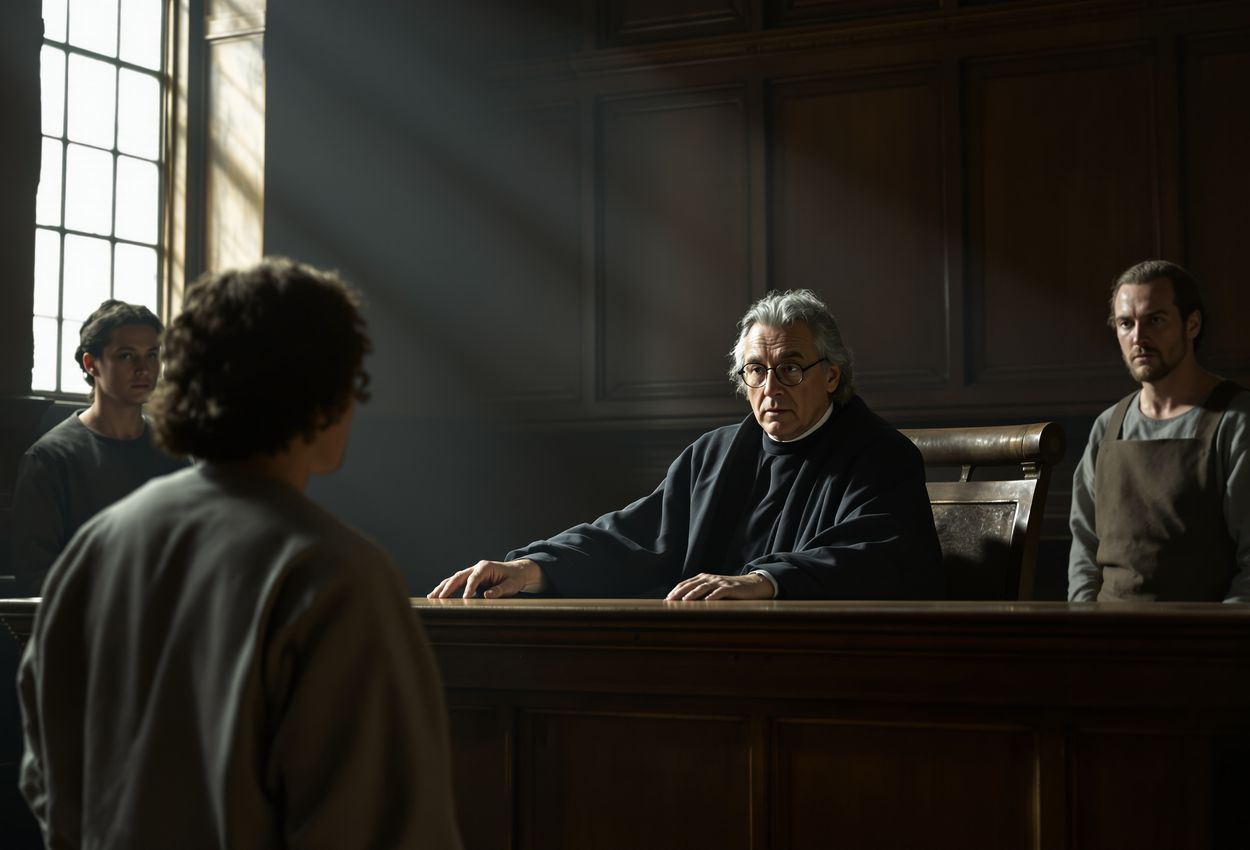
To address the growing number of witchcraft accusations, Governor William Phips established the Court of Oyer and Terminer in May 1692. This special court was tasked with hearing the cases of those accused of witchcraft in Suffolk, Essex, and Middlesex counties. The court's establishment marked a turning point in the witch trials, as it formalized the legal process and gave the accusations a veneer of legitimacy.
The procedures used by the Court of Oyer and Terminer were deeply flawed and often violated basic principles of justice. The court relied heavily on spectral evidence, which, as mentioned earlier, was based solely on the claims of the afflicted girls. The accused were often denied legal representation and were subjected to intense questioning and pressure to confess.
Key figures in the Court of Oyer and Terminer included William Stoughton, the chief magistrate, and several local ministers who served as advisors. Stoughton was a staunch believer in the reality of witchcraft and was determined to root out evil from the community. His unwavering conviction and the influence of the ministers contributed to the court's biased proceedings.
The decisions made by the Court of Oyer and Terminer had a devastating impact on the accused and their families. Many were convicted and sentenced to death, while others were imprisoned and subjected to harsh treatment. The court's actions fueled the hysteria and paranoia, leading to further accusations and perpetuating the cycle of fear.
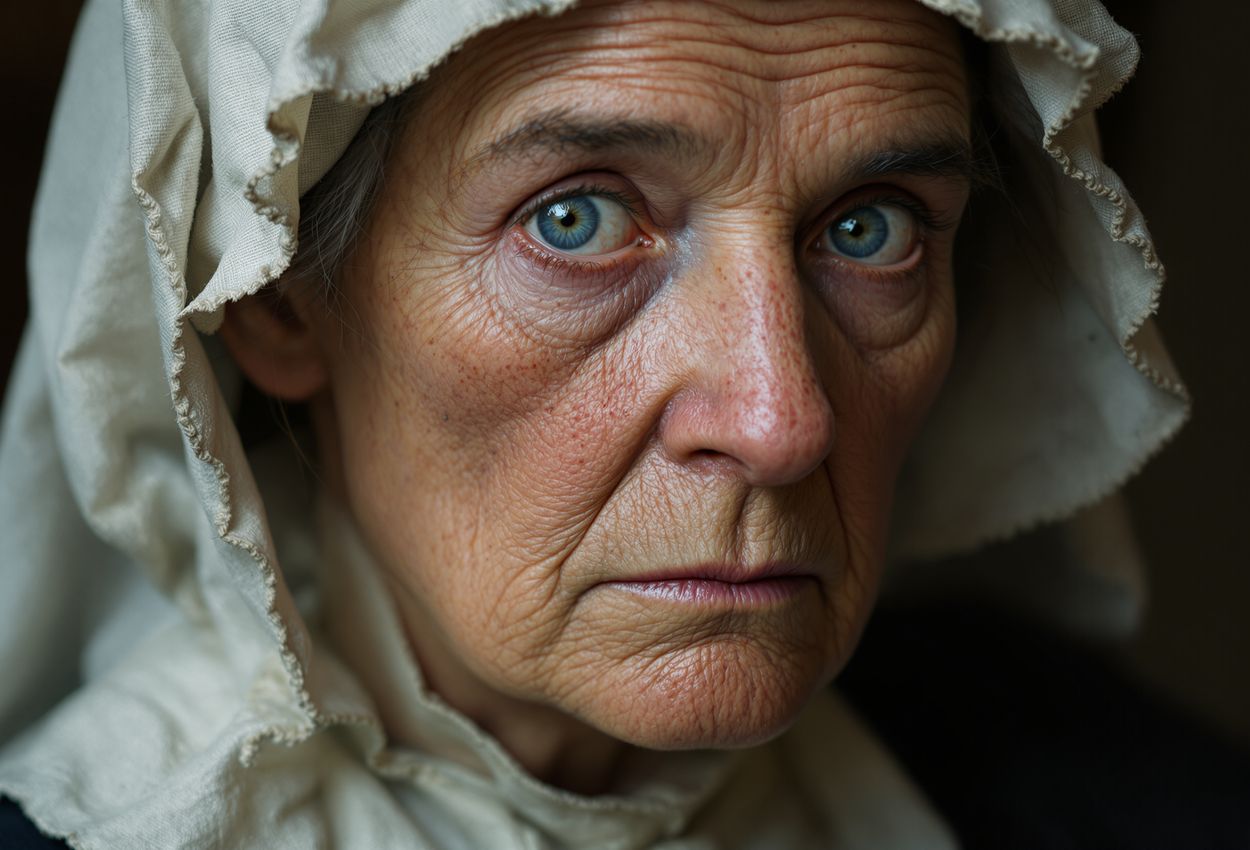
Voices of the Accused: Examining Key Cases
To truly understand the human cost of the Salem Witch Trials, it is essential to examine the stories of those who were accused. Historical documents and court records provide glimpses into their trials, testimonies, and the injustices they faced.
Bridget Bishop was the first person to be executed during the Salem Witch Trials. She was accused of witchcraft based on spectral evidence and her reputation for unconventional behavior. Despite proclaiming her innocence, she was convicted and hanged on June 10, 1692.
Sarah Good, a homeless woman, was another early victim of the witch trials. She was accused of afflicting the girls and was convicted based on their testimonies and her inability to recite the Lord's Prayer perfectly. She was hanged on July 19, 1692, after giving birth to a daughter in prison.
Rebecca Nurse was a respected member of the community and a devout churchgoer. Her accusation shocked many in Salem, as she was known for her piety and good character. Despite numerous neighbors testifying on her behalf, she was convicted and hanged on July 19, 1692.
These are just a few of the many individuals who were caught up in the Salem Witch Trials. Their stories serve as a reminder of the dangers of mass hysteria, the importance of due process, and the need to protect the rights of the accused. The trials exposed the lack of legal protections and the use of coerced confessions, highlighting the fragility of justice in the face of fear and prejudice.
In conclusion, Salem's shadows serve as a chilling reminder of a dark chapter in American history. By exploring the events, figures, and social context of the Witch Trials, and visiting its historic landmarks, we can learn from the past and strive to create a more just and equitable future.