

Private Tour of Communist Era Budapest
 Budapest, HU
 100% of travellers recommend this
Highlights
- Explore hidden gems of communist Budapest
- Visit important venues of the 1956 revolution
- Tour communist housing estates
- Discover architectural gems of the era
- Reflect on Hungary's turbulent past at Memento Park
-
Private Tour
-
Duration 7-10 hours
-
Expert English Guide
-
Air-conditioned vehicle
-
Includes snacks and beverages
-
Wheelchair accessible
Immerse yourselves in the captivating history of communist Budapest with a private tour like no other! Explore hidden gems of Hungary's past, visit important sites of the 1956 revolution, and discover the architectural wonders of the era. From the bustling city center to the thriving suburbs, delve into the heart of communism with visits to housing estates and the iconic Csepel Iron and Metal Works. The tour culminates at Memento Park, where historic communist statues stand as a powerful reminder of Hungary's tumultuous past. Tailored to the weather, this dynamic experience promises an unforgettable journey through the country's communist legacy. Don't miss out on this exclusive opportunity to uncover the secrets of communist Budapest!
At a Glance
-
 Free cancellation
-
 7 hours
-
 Instant Confirmation
-
 Available in English
-
 Wheelchair accessible
-
 Mobile voucher
-
 Private Tour
-
 Guided
-
 Family friendly

Featured Reviews

Explore Budapest's communist past on a private tour, visiting hidden gems and iconic sites, including Memento Park and the House of Terror.
Included
-
 Bottled water
 -
Snacks
-
In-vehicle air conditioning
-
Carbonated beverages
Excluded
-
 Admission fees
 -
Lunch
Pickup
Check if pick-up is available from your location, you will select during checkout (providers may allow other pickup locations)

What to expect
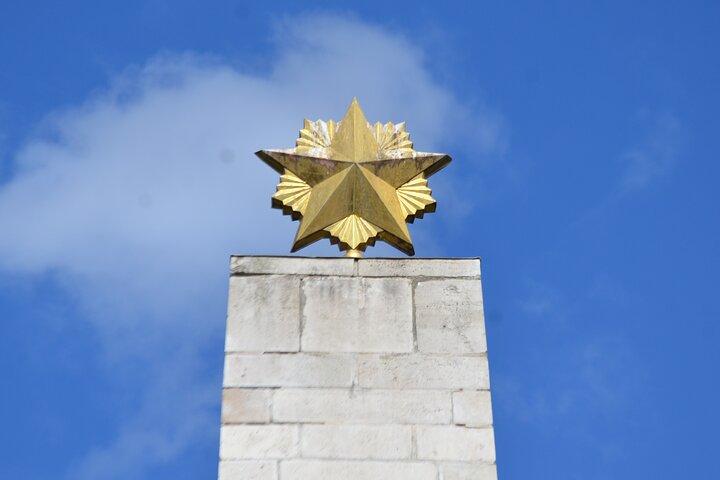
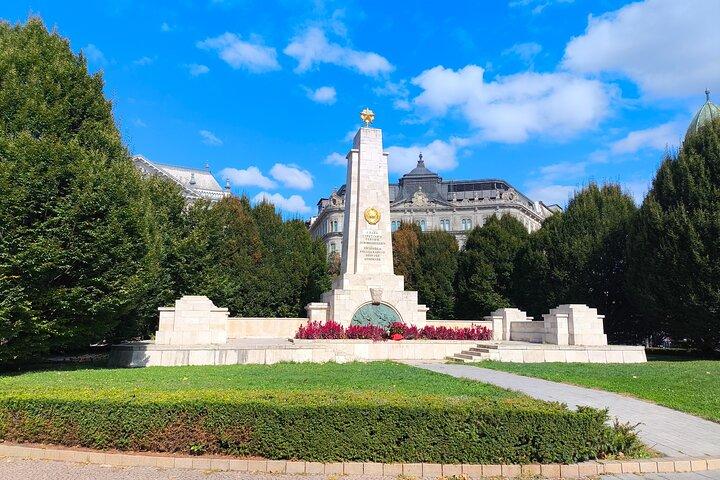
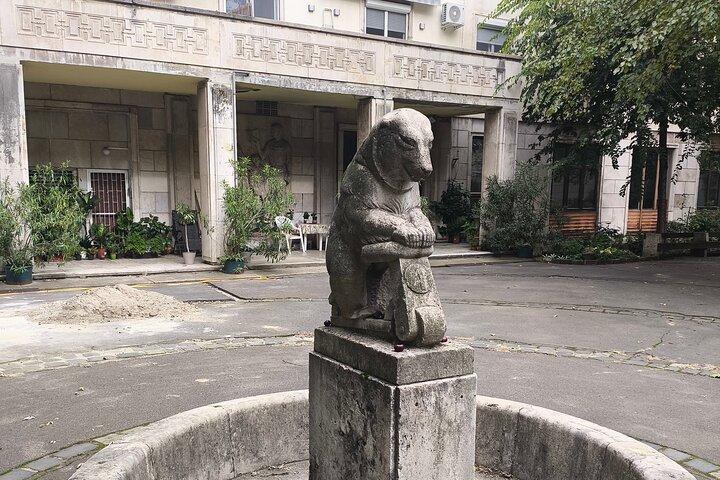
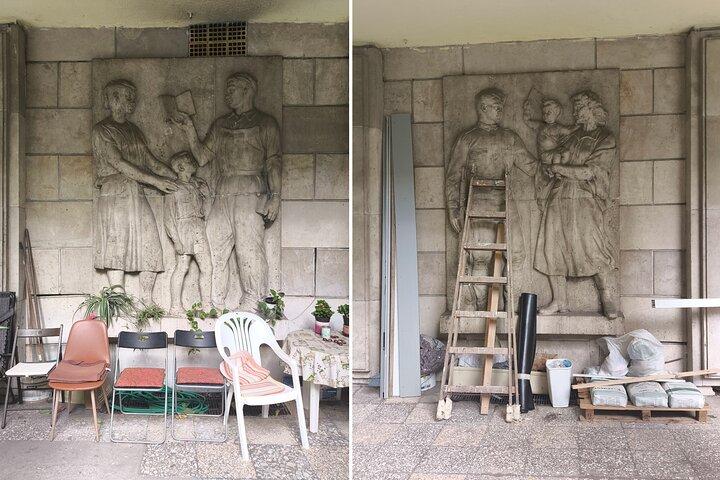
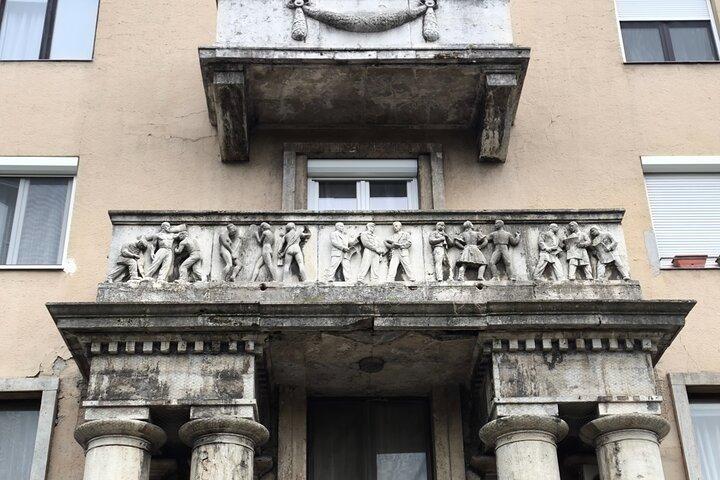
We will start our journey on beautiful Szabadság Square in downtown Budapest. At the Memorial for Victims of the German Occupation, I will give you a short overview of the history of Hungary and the events that led to the Communists assuming power here. At the memorial of the Soviet liberation of Hungary in World War II from Nazi German occupation, I will briefly tell you about the beginning of the communist era in Hungary and the Stalinist dictatorship of the late '40s and early '50s that marked one of the darkest eras of Hungarian history. From here, we will go to a nearby square which has some of the few remaining examples of Socialist Realism, also called Stalin Baroque - a huge residential complex which has some interesting reliefs in its inner courtyard - and even a statue of a bear riding a scooter (!)
40 minutes
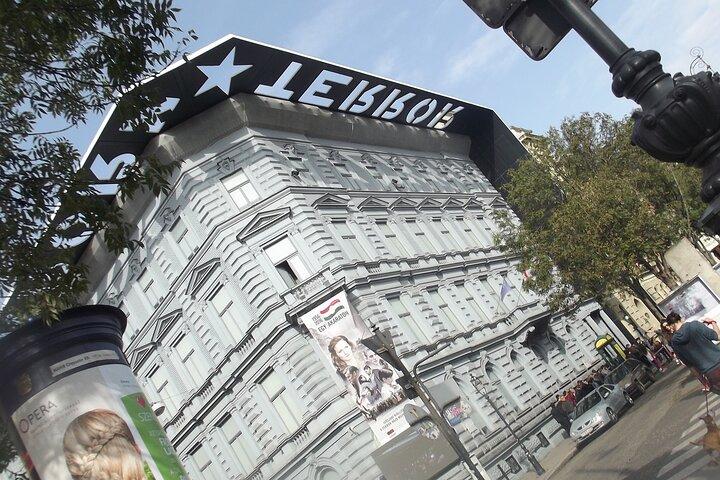
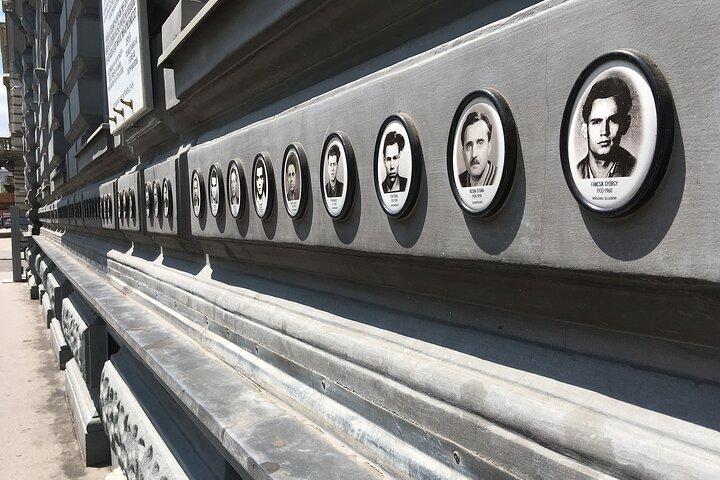
House of Terror Museum
We'll pause at the House of Terror Museum, located at 60 Andrássy Avenue. This iconic building was once the headquarters of the fascist Arrow Cross Party during World War II and later the central office of the communist secret police (ÁVH). While we won't enter this time, the building itself symbolizes the dark periods of 20th-century Hungarian history under totalitarian regimes. Travelers interested in a deeper exploration can visit the museum independently later.
Bem Jozsef Memorial
Our next stop will be Bem Square on the Buda side, where the Hungarian revolution of 1956 started. Here, I will tell you about the history of the revolution and the significance of this square in the protests, which then spread out from here all across the city.
15 minutes
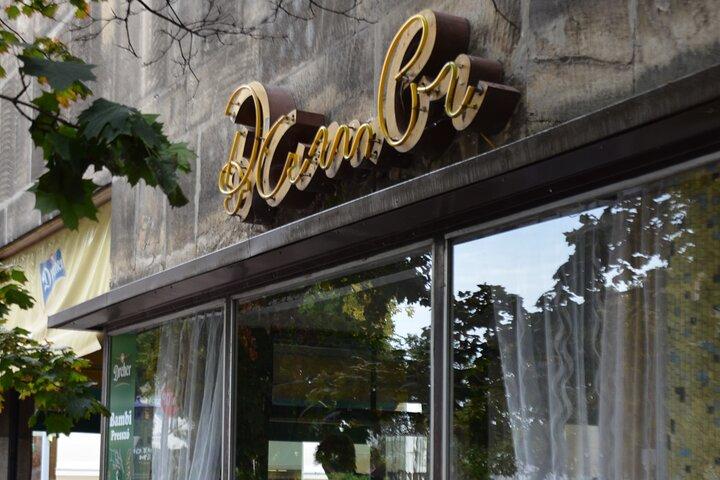
Bambi Café
Let me invite you for a drink at a real time capsule from the communist era! This coffee house/bar (presszó in Hungarian) from communist times has been preserved in its original form.
30 minutes
Marczibanyi Square Culture Centre - Marczibanyi Teri Muvelodesi Kozpont
Take a peek inside a cultural center from the communist era, built in 1972 with young people in mind. Its purpose was to offer meaningful—and carefully supervised—ways for youth to spend their free time, as an alternative to beat concerts and other 'questionable' gatherings. We'll stop in briefly to see the reception hall, a striking example of the architecture and atmosphere of the time.
10 minutes
Hotel Budapest
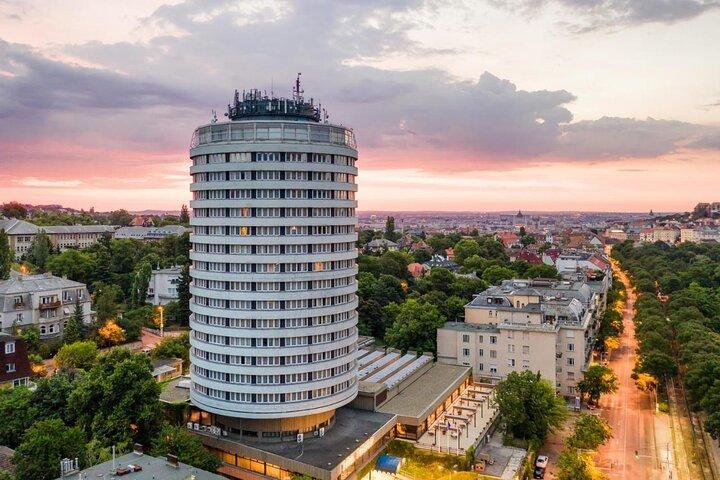
Our next stop will be an iconic building of Budapest which, despite its significance and uniqueness, is often missed by tourists: a circular-shaped hotel, officially named Hotel Budapest, which stands out as a skyscraper among the hills of Buda and is visible even from planes flying over the city. Completed in 1967, the communists sent sent a clear message with this development: socialist countries are also capable of building skyscrapers, and in this case, with a truly unique design. Here, besides some interesting stories related to the hotel, I will tell you about Hungary's communist history after the '56 revolution: an era called "Goulash Communism," when Hungary turned into the Communist Block's "happiest barrack".
10 minutes
Liberty Statue
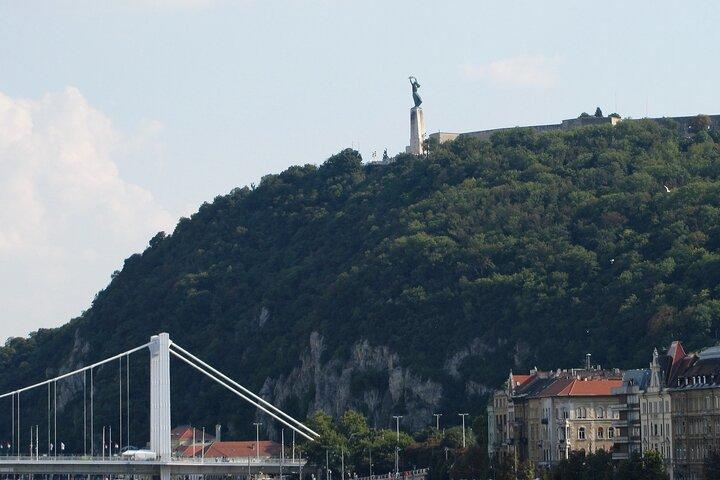
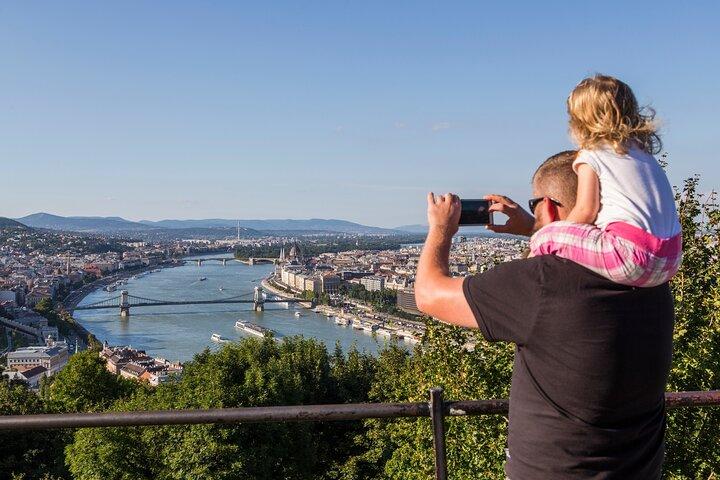
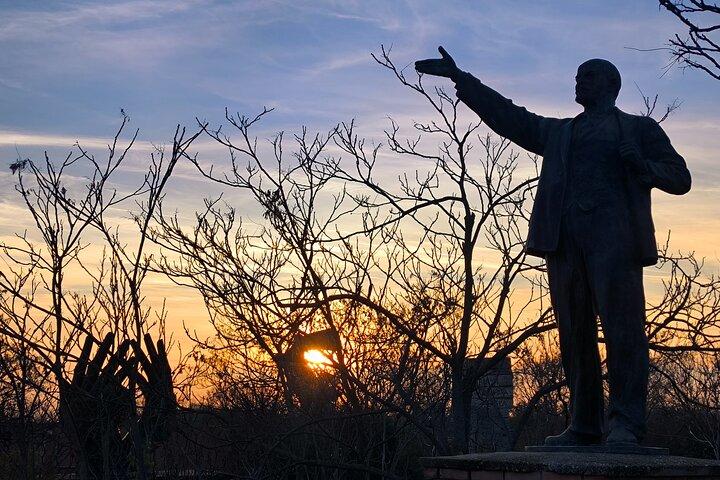
The Liberty Statue atop Gellért Hill—one of Budapest’s iconic landmarks—has stood proudly for 78 years. Unveiled on April 5, 1947, it was meant to symbolize victory and peace, though many came to associate it with the Soviet occupation. Originally named the Liberation Monument, its inscription once read: “In memory of the liberating Soviet heroes.” The statue, holding a palm branch, was modeled after a young nurse, Erzsébet Gaál—whose unexpected role as the “living Liberty Statue” became both a blessing and a curse. I’ll share more about the monument and her fascinating story during our tour. Although the statue and the Citadel are currently under renovation (expected to reopen in December 2025), we can still walk around the site and climb the steps up to the monument. The surrounding area offers several scenic lookout points with breathtaking views of the city—perfect for photos!
60 minutes
Budapest University of Technology and Economics
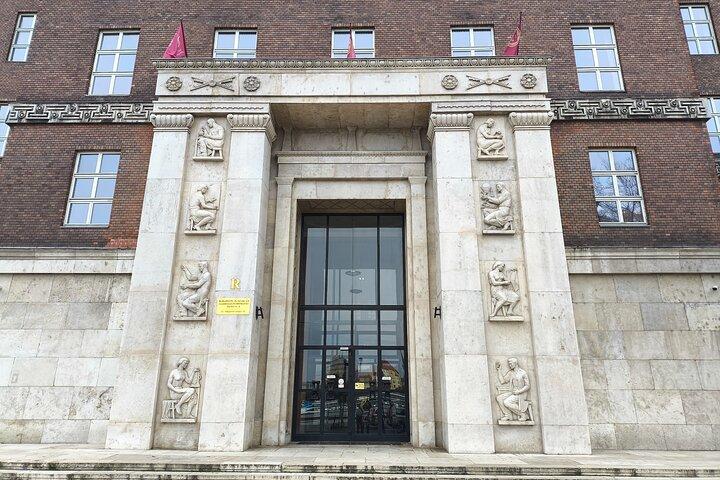
The Technical University's H, T and R buildings are probably the largest examples of the few remaining Socialist Realist buildings in Hungary - and are actually quite well-designed, especially the facade of the R building, our next stop. During weekdays, we can also enter the building, and inside, as somebody put it, Moscow awaits...
15 minutes
Hungarian Parliament Building

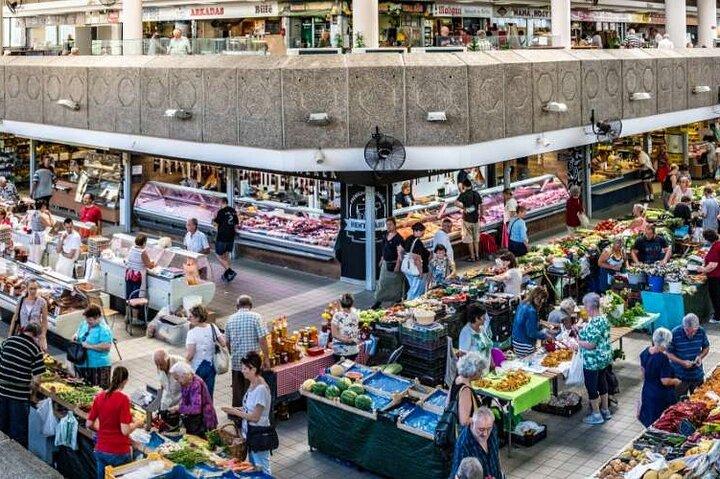
The market hall on Fehérvári Street is quite a special one - and not only because my father often took me on shopping trips here when I was a kid (I will also share a few personal stories from communist times during the tour). Originally a distinctive 1977 brutalist building, it was later covered with a bland white box-like exterior—a transformation that symbolizes Hungarian architecture's misunderstanding and rejecting the design principles of brutalism, an architectural style that the Soviet Union was especially fond of. While having a look at the characteristic concrete surfaces and innovative ramps inside the market hall, you will also have a chance to browse and shop some original Hungarian goods, should you wish. Opening hours: Nyitvatartás Mon: 06.30 – 17.00 Tue – Fri: 06.30 – 18.00 Wed: 06.30 – 15.00 Sun: 7.00 – 14.00
30 minutes
Restaurant Alba Regia
Enjoy lunch at a hidden gem, a local favorite far from the tourist crowds. The menu is only in Hungarian, but I'll help you choose something you'll love.
60 minutes
Budapest-Külső-Kelenföldi Református Egyházközség
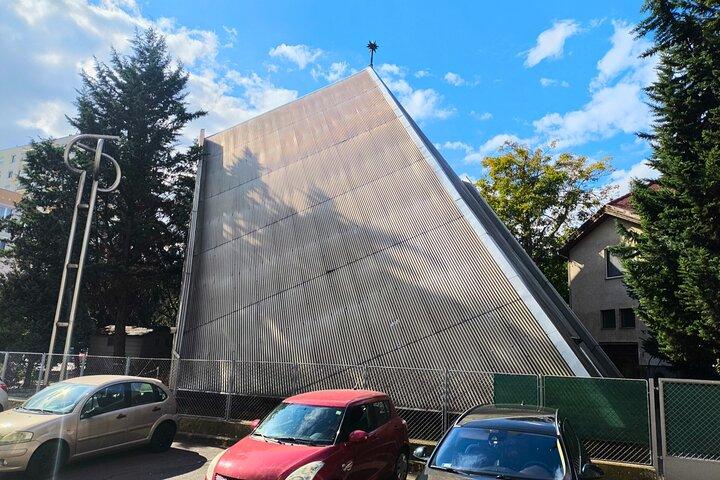
Surprisingly, churches were still built during the communist era—though they often don’t look like traditional places of worship. This hidden gem, tucked away at the base of stark communist-era residential towers, is a striking example. Built in the brutalist style and constructed mostly from metal, it’s the kind of place you’d never stumble upon unless you knew exactly where to look.
Bikas Park
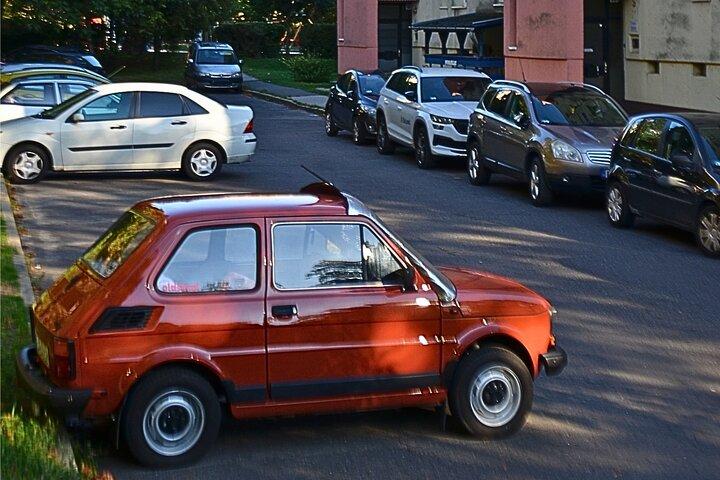
Here you will have the opportunity to visit a typical Hungarian communist tower block estate and its urban center, which also has characteristic architecture. I will briefly tell you about the construction and characteristics of communist housing estates, and what's it like to live in the prefabricated tower blocks. The statue of three bulls nearby offers a great photo opportunity.
Memento Park
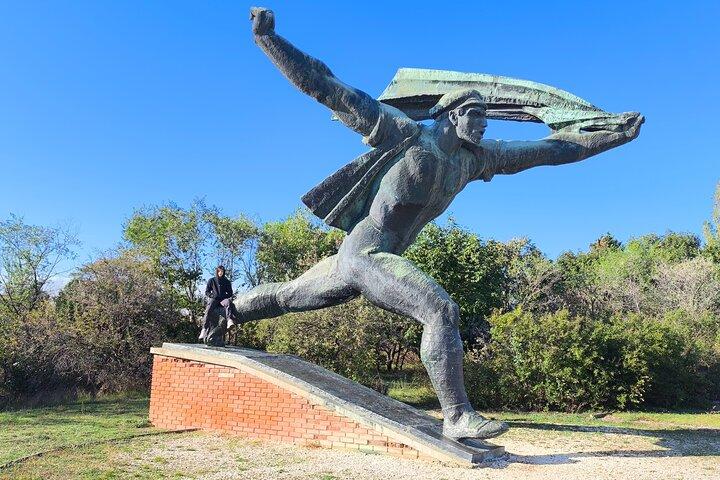
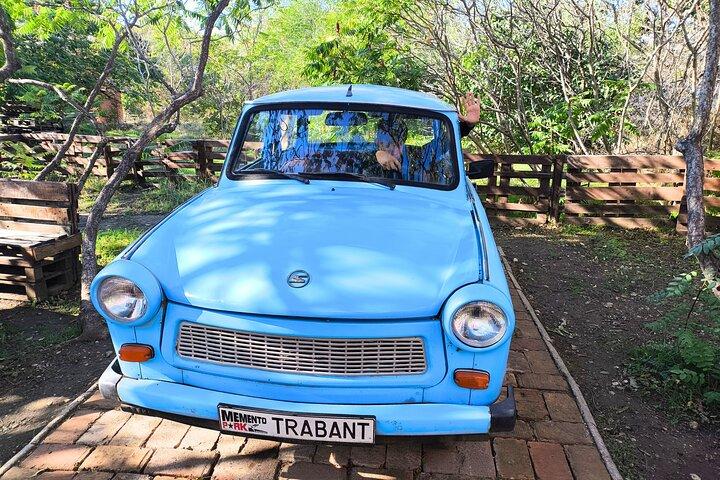
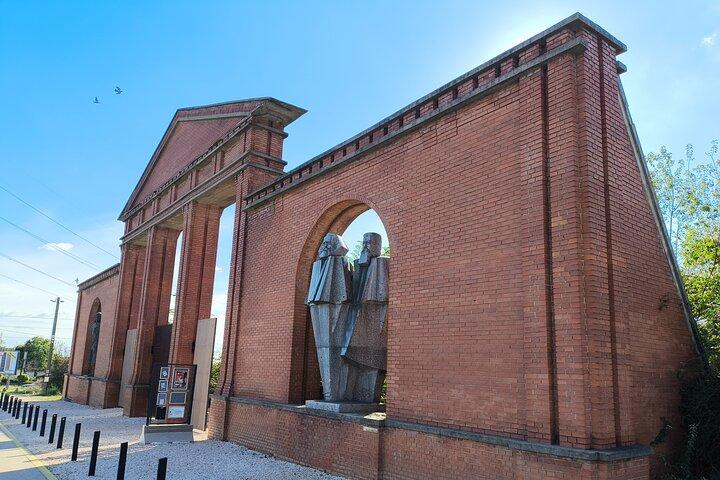
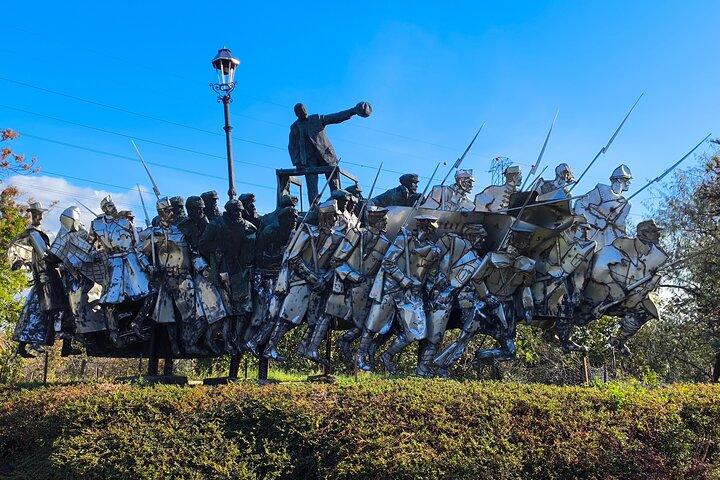
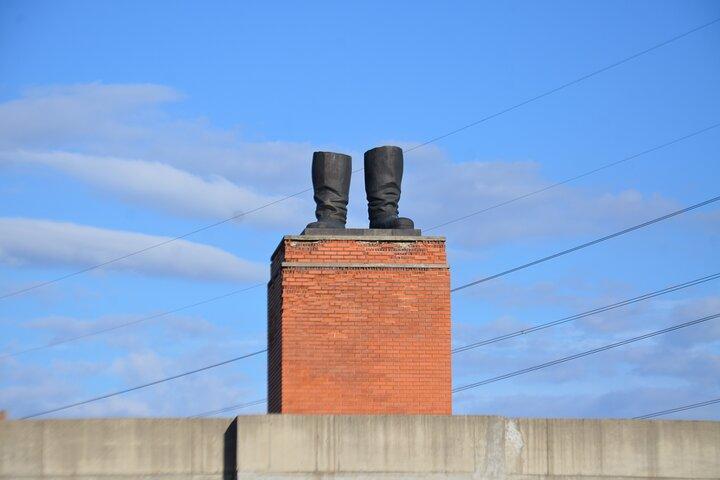
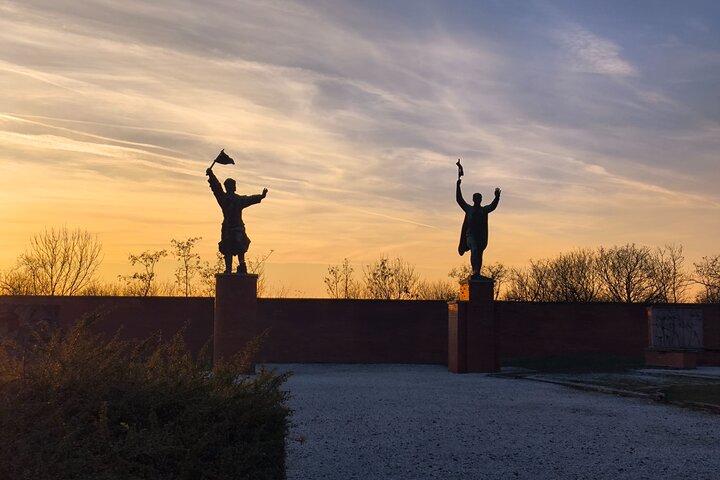
Stepping into Memento Park is like stepping back in time to the final moments of Hungary's communist dictatorship. This open-air museum serves as a powerful historical archive, preserving the imposing statues and monuments that once stood as symbols of the regime around Budapest. Here, you can get immersed in a thought-provoking, emotional journey - from the striking symbolism encoded within the artworks to the visceral sensation of seeing these colossal relics of a bygone era decaying under the elements. The park offers a unique opportunity to reflect on Hungary's turbulent past and the complex, bittersweet process of transition to democracy. Oh, and you can sit into a real East-German Trabant - probably the worst communist car ever made!
90 minutes
 Admission Not Included
Budafoki kísérleti lakótelep
We'll make a brief stop at the Experimental Housing Estate—one of the more successful examples of communist-era housing in Budapest, and where I lived until the age of six.
5 minutes
Weiss Manfréd Iron Works Ltd.
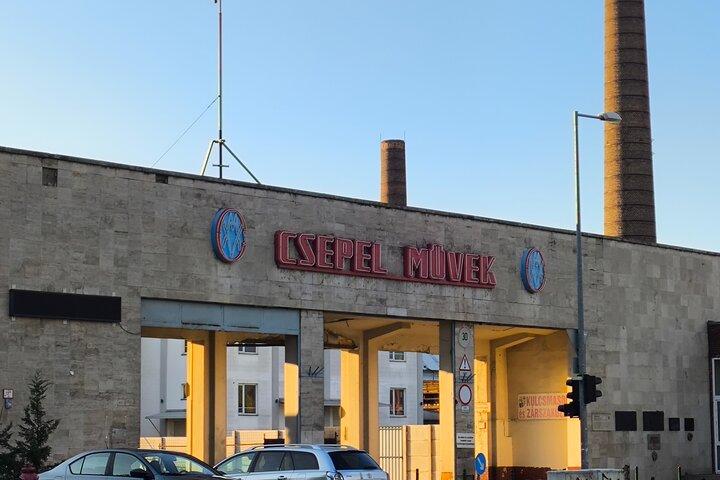
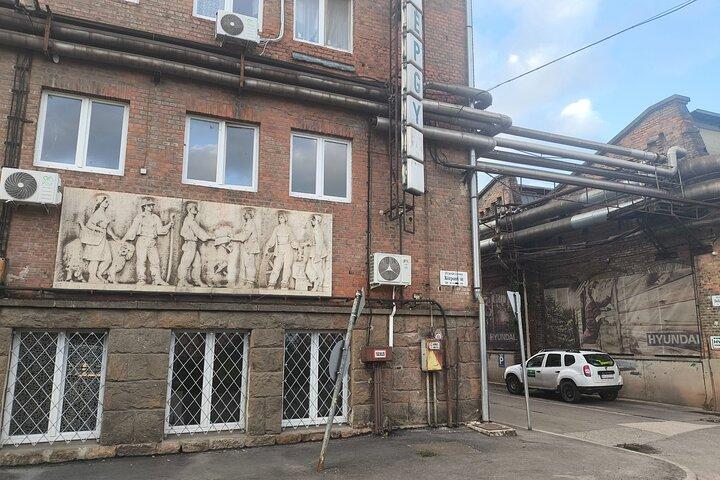
Our next stop is the Csepel Island in the Danube, which earned the nickname "Red Csepel" during the communist era due to its significant role as an industrial hub and a stronghold of the working class in Hungary. Here, we will visit the Csepel Iron Works, a massive industrial complex that was a symbol of Soviet-style industrialization in Hungary. The factory employed tens of thousands of workers and produced a wide range of products, including steel, machinery, and vehicles. Interestingly, the workers of Csepel played a crucial role in the 1956 Hungarian Revolution, and held out even when everything else had fallen. The factory is surrounded by one of Budapest's largest communist style tower block housing estates, where we will pass while looking at some other surviving examples of socialist realist art and architecture.
40 minutes
Gubacsi út
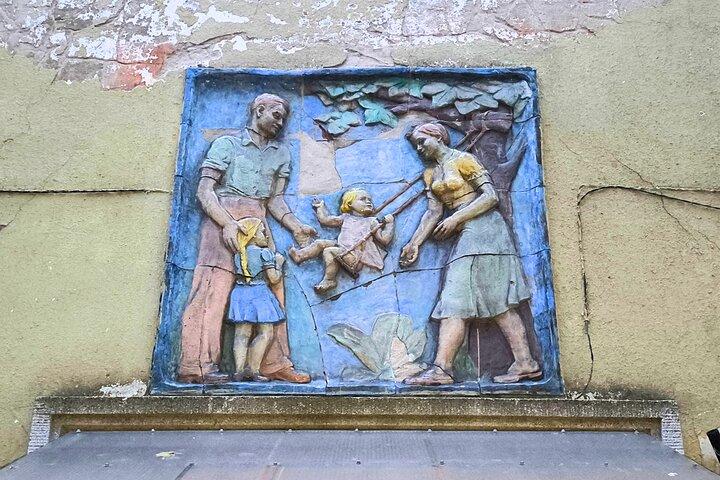
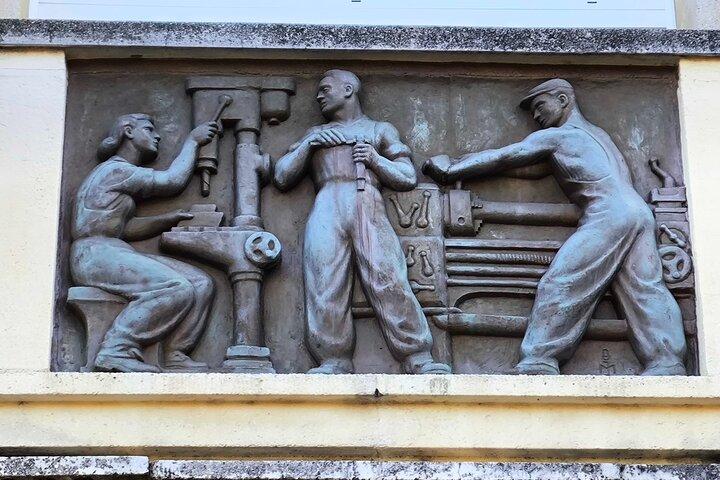
Gubacsi Road Housing Estate is an interesting hidden time capsule from Hungary's post-war era. Nestled along the tranquil Ráckevei-Danube riverfront, this residential community offers a rare glimpse into the architectural and social transition from socialist realism to modernism during the 1950s. Besides the buildings, here you will have a chance to see some rare, intricate and colorful ceramic reliefs that evoke the area's industrial and communist past.
15 minutes
Budapest Retro Interactive Museum
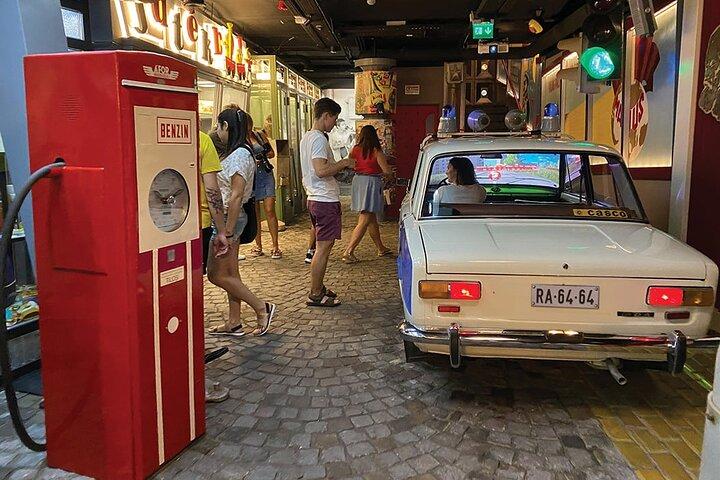
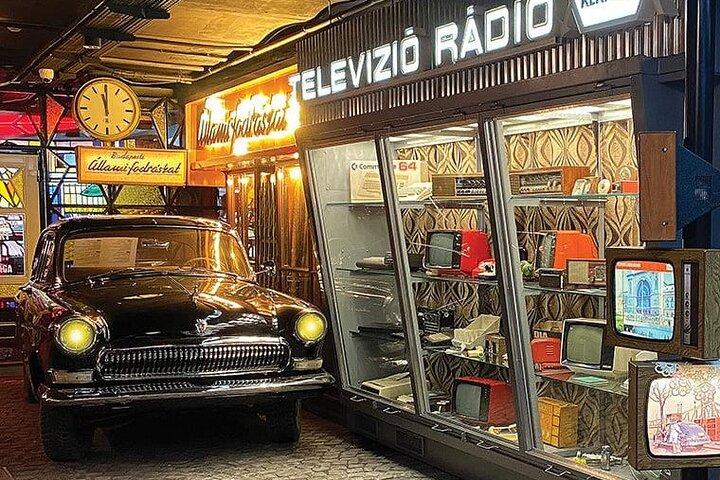
Always dreamed of being a broadcaster or driving a Communist Era police car? In the Budapest Retro Interactive Museum, it's all possible! Open daily, explore Hungary's rich history through interactive exhibits. Experience life during Communism and other eras, from wartime to everyday objects and even space adventures. This fun and engaging museum offers a warm journey through the past, complete with a Communist era bistro to enjoy after your nostalgic trip. Make unforgettable memories and take plenty of pictures!
80 minutes
Admission Not Included
The experience can be subject to change due to bad weather or unforseen circumstances. We always endeavour to give you the best possible experience.
Additional Information
-
 All areas and surfaces are wheelchair accessible
 -
Infants and small children can ride in a pram or stroller
-
Public transportation options are available nearby
-
Service animals allowed
-
Specialized infant seats are available
-
Suitable for all physical fitness levels
-
Transportation options are wheelchair accessible
-
Wheelchair accessible
What our experts say
-
 Visit nearby Retro Museum for fun!
 -
Try local snacks at the market hall.
-
Stop by a café at Bem Square.
-
Bring a camera for Memento Park!
-
Consider lunch at a communist-era café.

More About this Experience
Introduction
Explore the captivating history of Budapest through a private tour of its communist era. Delve into Hungary's past and discover the hidden gems of the capital city that are rarely explored by other tour operators.What to expect?
Embark on a journey through over 20 stops that unveil the secrets of Hungary's communist past. Witness the sites of the 1956 revolution and delve into the architectural wonders of the era. Visit the communist housing estates and explore the industrial stronghold of the Csepel Iron and Metal Works.Who is this for?
This private tour is perfect for history buffs, architecture enthusiasts, and anyone with a curiosity for Hungary's communist history. Whether you are a solo traveler, a couple, or a group of friends, this experience offers a unique perspective on Budapest's past.Why book this?
Immerse yourself in a one-of-a-kind exploration of Budapest's communist era, guided by a knowledgeable local expert. Discover hidden gems and lesser-known sites that provide a deeper understanding of Hungary's complex history. From architectural marvels to industrial landmarks, this tour offers a comprehensive look at a pivotal period in Budapest's past.Good to know
Throughout the tour, you will be provided with refreshments, snacks, and transportation in an air-conditioned vehicle. Please note that admission to Memento Park is not included in the tour price. Take advantage of this opportunity to see Budapest in a new light and gain insights into its communist legacy.Reviews
Travelers who have experienced this private tour of communist era Budapest have praised it for its in-depth exploration of the city's past. From the informative guide to the fascinating locations visited, customers have been impressed by the unique perspective offered by this tour. Don't miss your chance to uncover the secrets of Budapest's communist history on this immersive and enlightening journey.


This is a popular product and the date you are looking for just sold out. Next available date is
