

Shore Excursion from Saigon Port to Discover the Soul of Saigon
 Ho Chi Minh City, VN
Highlights
- Explore Cu Chi Tunnels system
- Visit War Remnants Museum
- Learn about Vietnam War history
- See General Westmoreland's house
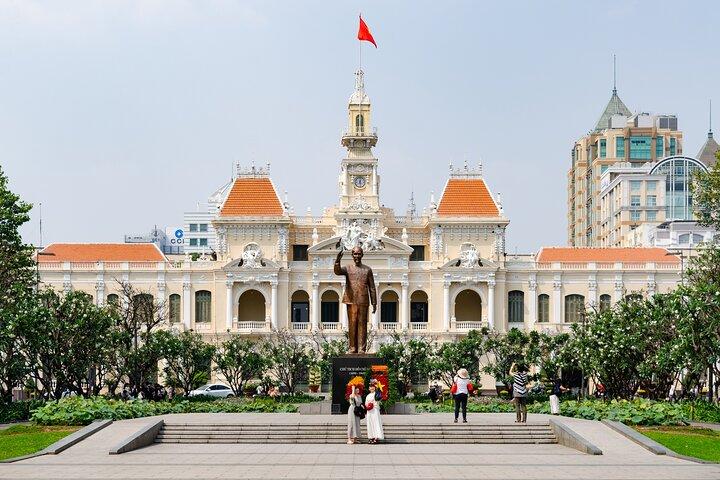
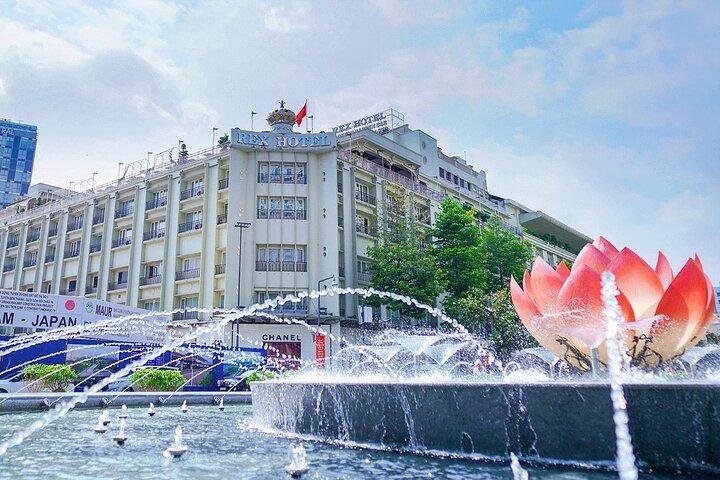
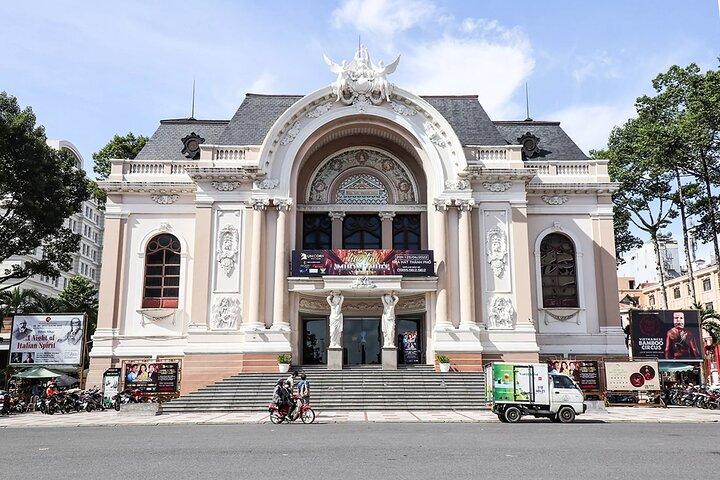
- Take photos at city hall & Rex Hotel
-
Private Tour Experience
-
Duration 4.5 hours
-
English Speaking Guide
-
All Entrance Fees Included
-
Air-Conditioned Vehicle
-
Pickup from Saigon Port
Embark on a journey to uncover the soul of Saigon with this thrilling shore excursion from Saigon Port. Explore the historic Cu Chi Tunnels and War Remnants Museum, delving into the rich history of the Vietnam War. Witness the stunning French colonial architecture of the city, with highlights including the iconic Central Post Office and former General Commander William Childs Westmoreland's house. Immerse yourself in the vibrant culture and flavors of Ho Chi Minh City, sampling exotic delicacies and discovering the resilience of the local handicrafts industry. With all entrance fees included and convenient pickup and drop-off at Saigon Port, this tour is the perfect way to experience the best of Saigon in a single day.
At a Glance
-
 Free cancellation
-
 4 hours 30 minutes
-
 Instant Confirmation
-
 Available in English, German
-
 Mobile voucher
-
 Small Group tour
-
 Guided
-
 Family friendly

Explore Ho Chi Minh City with a private shore excursion to Cu Chi Tunnels and War Remnants Museum, immersing in culture and history.
Included
-
 Air-conditioned car/ van
 -
All entrance fees & Bottled water
-
Picking up & dropping off at Saigon Port No.05 Nguyen Tat Thanh street, district 4
-
English speaking tour guide
Excluded
-
 Extra charge $30 usd/ each will be collected on tour for picking up at hiep phuoc jsc/ sptc terminal
 -
Tipping/ gratuities, personal expenses
-
30 usd extra charge for german langguage tour guide requirement
What to expect
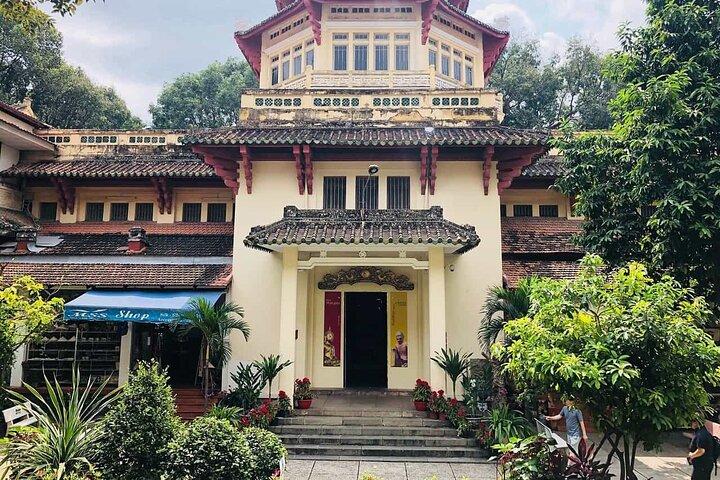
HCMC History Museum

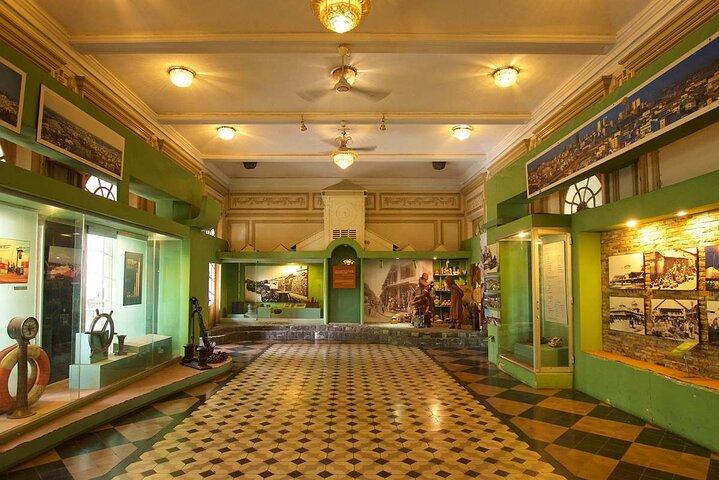
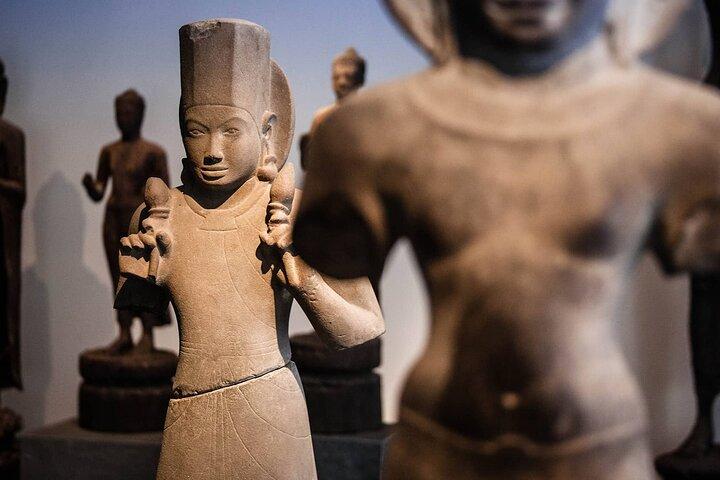
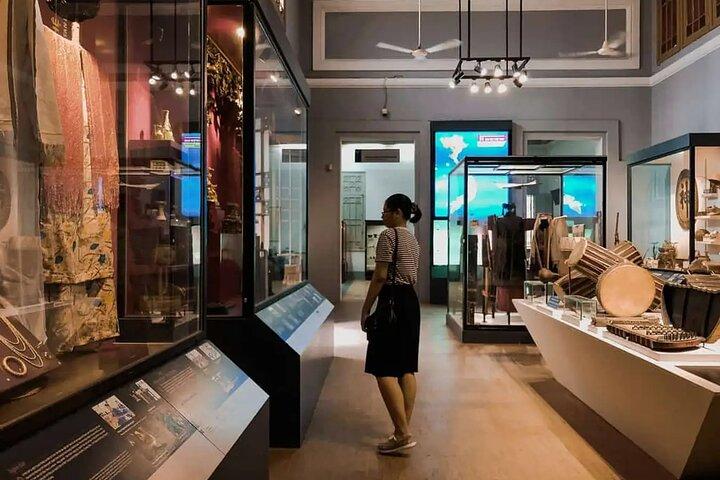
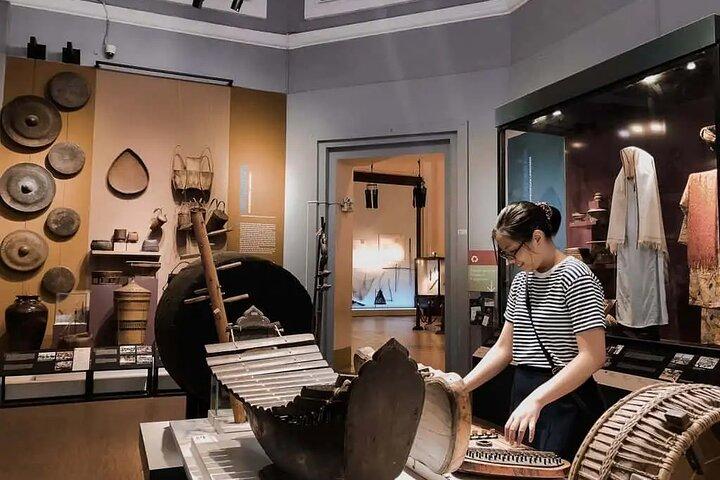
Built in 1929, this notable Sino-French museum houses a rewarding collection of artefacts illustrating the evolution of the cultures of Vietnam, from the Bronze Age Dong Son civilization (which emerged in 2000 BCE) and the Funan civilization (1st to 6th centuries CE) to the Cham, Khmer and Vietnamese. Highlights include valuable relics taken from Cambodia’s Angkor Wat and a fine collection of Buddha statues. There's good English information. Parts of the museum are being renovated. There's also a perfectly preserved mummy of a local woman who died in 1869, excavated from Xom Cai in District 5; and some exquisite stylised mother-of-pearl Chinese characters inlaid into panels. It's located beside the Botanical Gardens. The museum also encompasses the diverse cultures of ethnic groups in Southern Vietnam and other Asian countries. Explore their clothing, unique musical instruments, statues of deities, and tools related to agriculture, hunting and fishing.
45 minutes
 Admission Included
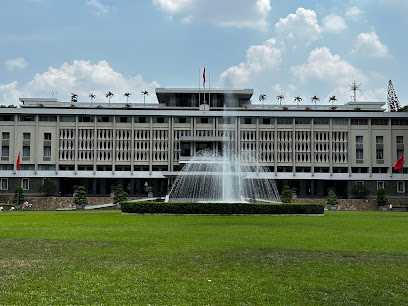
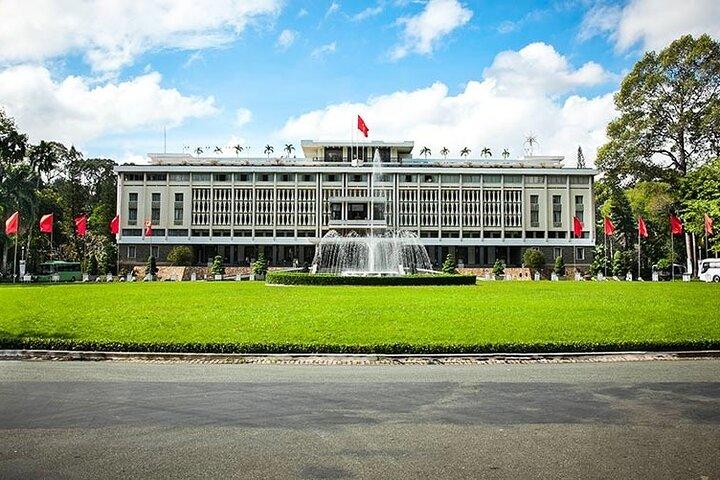
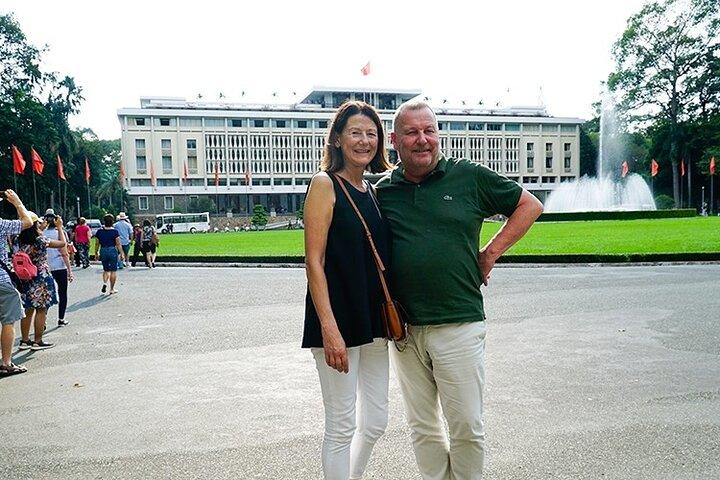
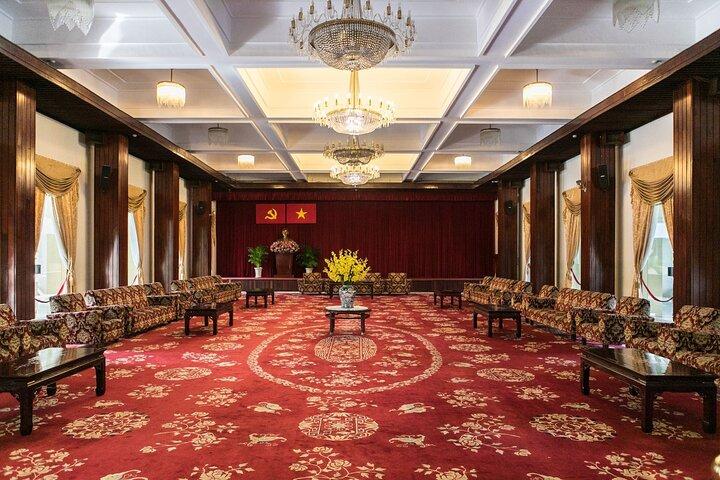
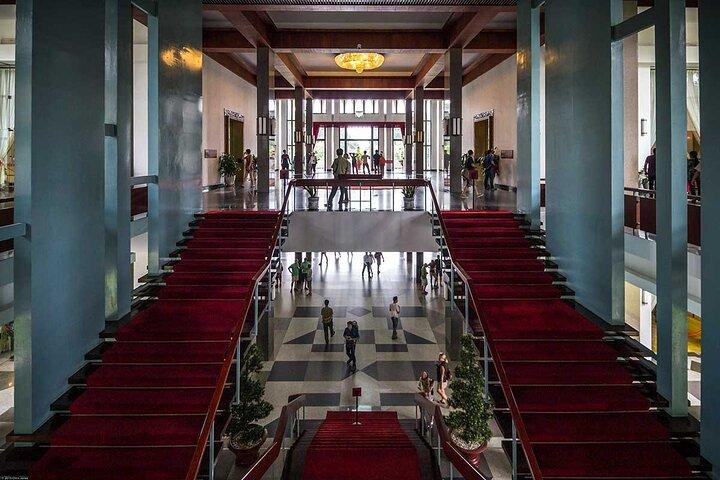
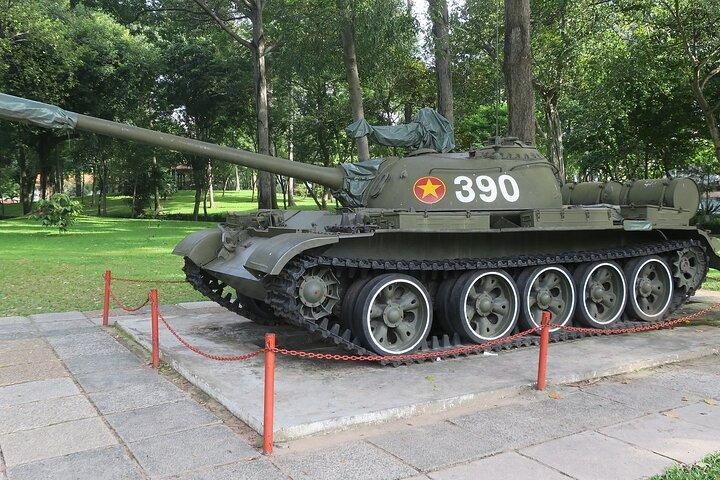
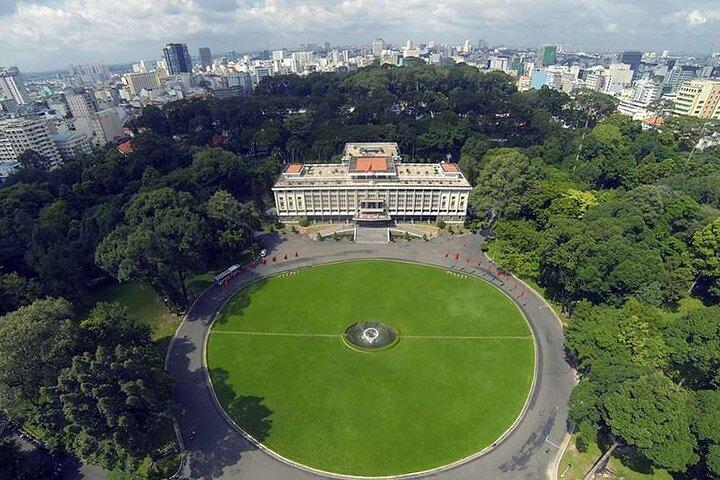
Surrounded by royal palm trees, the dissonant 1960s architecture of this landmark government building and the eerie ambience of its deserted halls make it an intriguing spectacle. The first Communist tanks to arrive in Saigon rumbled here on 30 April 1975 and it’s as if time has stood still since then. The building is deeply associated with the fall of the city in 1975, yet it's the kitsch detailing and period motifs that steal the show. It's also known as the Independence Palace. The building was named Independence Palace and was home to the succeeding South Vietnamese president, Nguyen Van Thieu, until his hasty departure in 1975. Designed by Paris-trained Vietnamese architect Ngo Viet Thu, it is an outstanding example of 1960s architecture, with an airy and open atmosphere. The Reunification Palace, also known as Independence Palace, is a landmark building located in the heart of Ho Chi Minh City. And it is known as a must see National Monument once you are in Ho Chi Minh City.
45 minutes
Admission Included
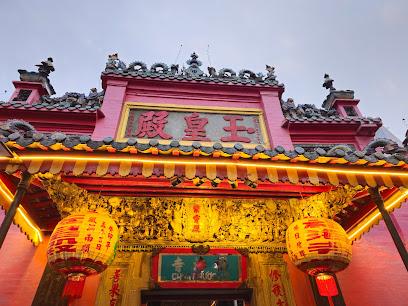
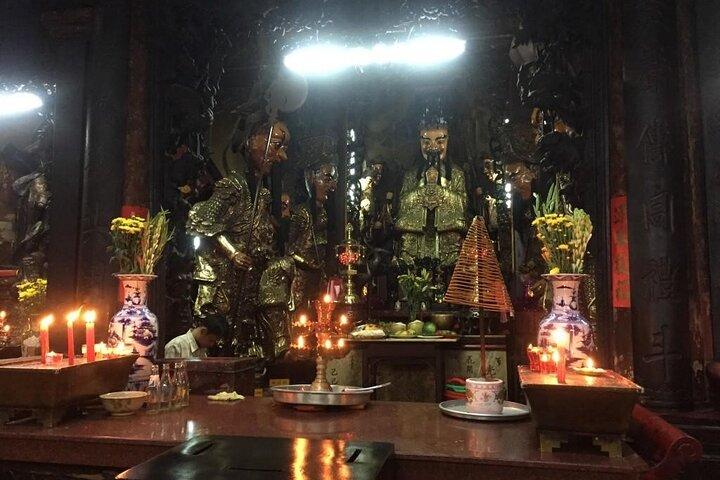
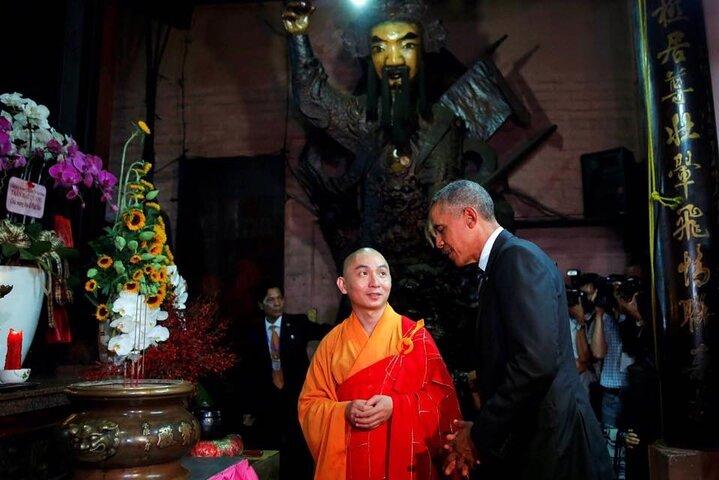
Built in 1909 in honour of the supreme Jade Emperor (King of Heaven), this is one of the most atmospheric temples in Ho Chi Minh City, stuffed with statues of phantasmal divinities and grotesque heroes. The pungent smoke of incense fills the air, obscuring the exquisite woodcarvings. Its roof is encrusted with elaborate tile work, and the temple's statues, depicting characters from both Buddhist and Taoist lore, are made from reinforced papier mâché. The multifaith nature of the temple is echoed in the shrine's alternative name Phuoc Hai Tu, whose message is clearly Buddhist. Similarly, the Chinese character in the main temple hall mean 'The light of Buddha shines on all. Over 100 years old went by with many changes, Jade Emperor Pagoda remains the timeless charm. Its beauty is a harmonious combination among 3 main religions in the Orient: Taoism, Buddha, and Confucianism. Thanks to the impressive & unique beauty with sacred legend, this is one of the most wonderful destinations.
20 minutes
Admission Included
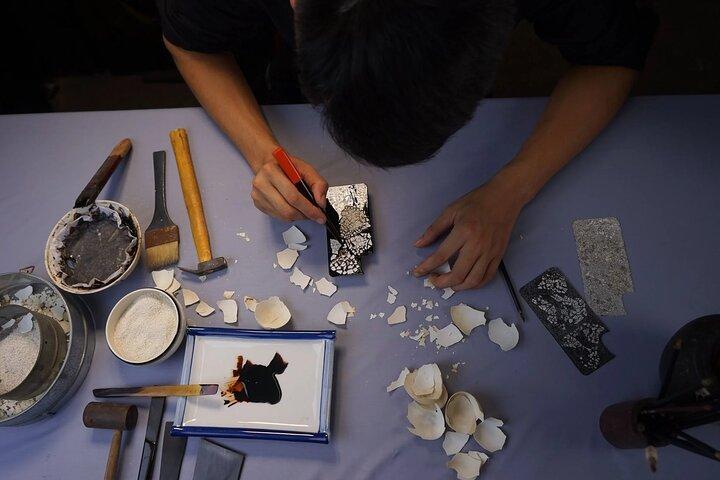
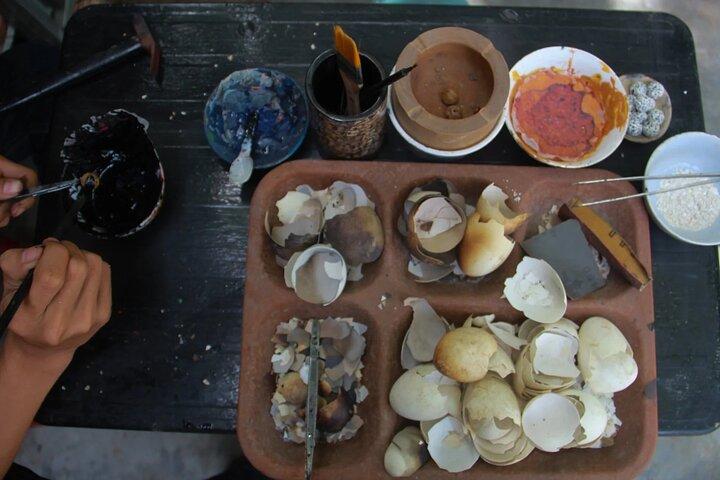
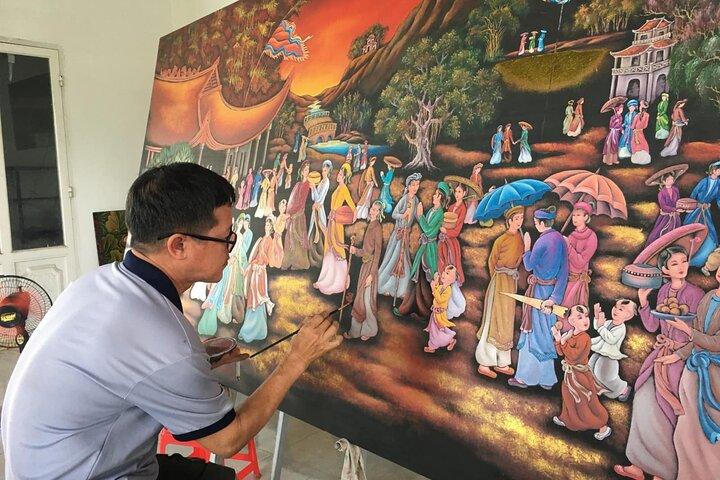
Sơn mài Đại Việt
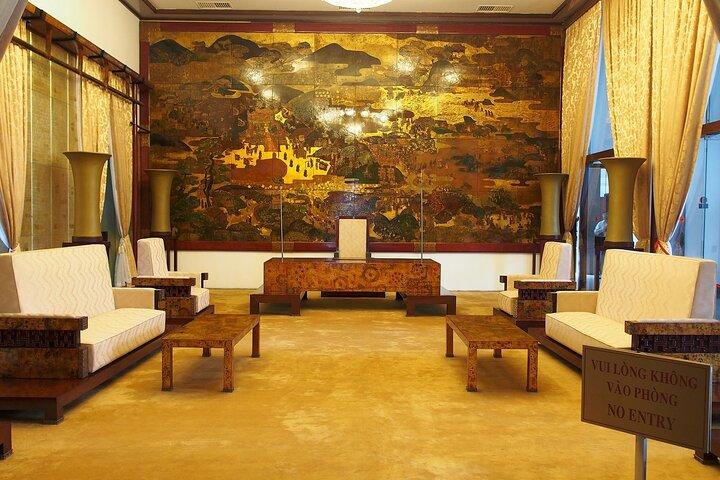
The lacquer itself is actually the resin of a tree which is mixed with coloured pigments and solvents and applied layer after layer to the object's surface, producing a shiny and durable finish. Eggshell and mother of pearl may be applied to the surface before the lacquer is applied, in which the finished product is sanded down to reveal the decoration beneath. The high quality of resin from Vietnamese lacquer trees, notably those of Phu Tho, was a crucial factor in the rapid development of this art form during the feudal period. Decorated lacquer statues, panels, boxes and trays (1428-1527), may still be seen at many temples and pagodas. In subsequent centuries the use of lacquerware was extended to larger items such as wooden chairs and tables. Since that time lacquerware has continued to develop into one of the mainstays of the Vietnamese handicraft industry, both at home and abroad. Today's most popular items include vases, jewel cases, desk sets, trays and vertical blinds.
30 minutes
Admission Included
Museum of Ho Chi Minh City
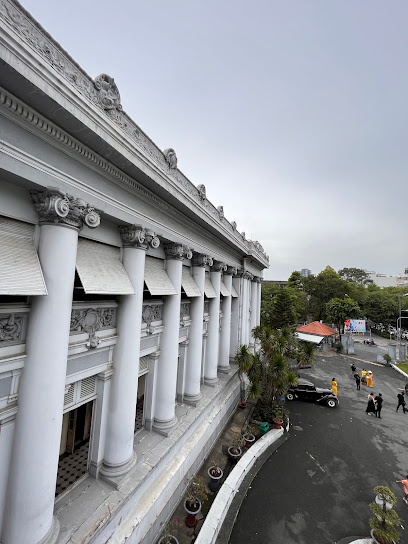
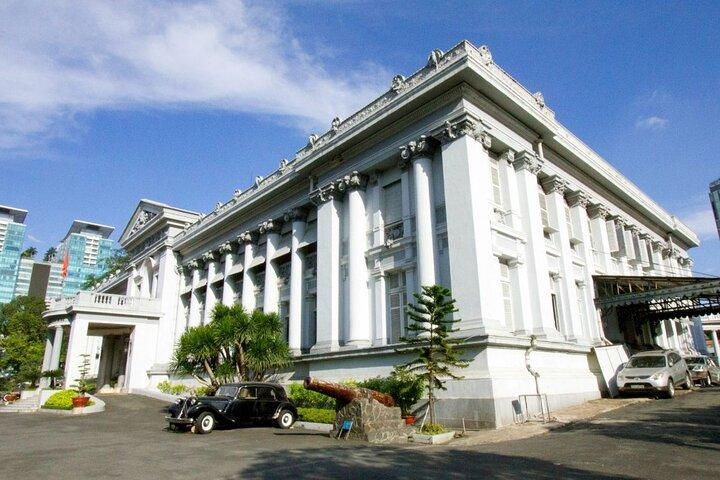
A grand neoclassical structure built in 1885 and once known as Gia Long Palace, HCMC’s city museum is a singularly beautiful and impressive building, telling the story of the city through archaeological artefacts, ceramics, old city maps and displays on the marriage traditions of its various ethnicities. The struggle for independence is extensively covered, with most of the upper floor devoted to it. Deep beneath the building is a network of reinforced concrete bunkers and fortified corridors. The system, branches of which stretch all the way to Reunification Palace, included living areas, a kitchen and a large meeting hall. In 1963 President Diem and his brother hid here before fleeing to Cha Tam Church. The network is not opened to the public because most of the tunnels are flooded. In the gardens are various pieces of military hardware, including the American-built F-5E jet used by a renegade South Vietnamese pilot to bomb the Reunification Palace on 8 April 1975.
20 minutes
Admission Included
Central Post Office
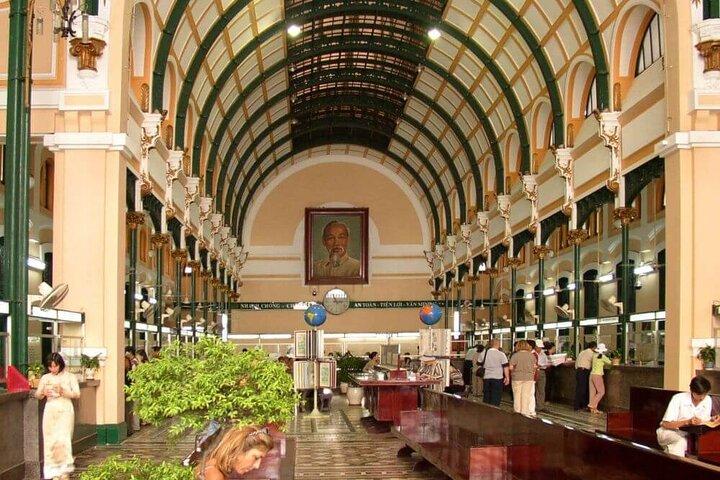
The city's landmark French-era post office is a period classic, designed by Marie-Alfred Foulhoux (though often credited to Gustave Eiffel) and built between 1886 and 1891. A mosaic of Ho Chi Minh takes pride of place at the end of its barrel-vaulted hall. The post office features a unique, bright yellow exterior framed with white trim. Curved windows are elegantly framed with green shutters and a large clock is featured prominently at the building’s main entrance. The stunning, spacious interior has tall, domed ceilings with metal arches and a gorgeous patterned tile floor. There are two painted maps inside the office – Lignes télégraphiques du Sud Vietnamet du Cambodge 1892 (Telegraphic lines of southern Vietnam and Cambodia 1892) depicts the postal route from southern Vietnam to Cambodia, and on the right side of the building is Saigon et ses environs, 1892 (Saigon and its surroundings), a local map.
15 minutes
Admission Included
The experience can be subject to change due to bad weather or unforseen circumstances. We always endeavour to give you the best possible experience.
Additional Information
-
 Everyone can join this tour
 -
Infants are required to sit on an adult’s lap
-
Suitable for all physical fitness levels
-
The remaining hours are allotted for the travel time
What our experts say
-
 Visit Ben Thanh Market for local snacks.
 -
Check out the nearby Jade Emperor Pagoda.
-
Take photos at the City Hall for great views.
-
Try Pho at a local eatery after the tour.
-
Bring cash for shopping at local markets.

More About this Experience
Introduction
Saigon, also known as Ho Chi Minh City, is a vibrant metropolis that seamlessly blends tradition with modernity. This shore excursion from Saigon Port offers a unique opportunity to delve into the soul of Saigon, exploring its rich history, culture, and landmarks.What to expect?
Embark on a journey of discovery as you visit the Cu Chi Tunnels, a remarkable underground network used during the Vietnam War. Learn about the local handicrafts made by war victims, explore the War Remnants Museum to gain insights into the country's tumultuous past, and marvel at the French colonial architecture that adorns the city. Immerse yourself in the sights, sounds, and flavors of Saigon, creating memories that will last a lifetime.Who is this for?
This tour is perfect for history buffs, culture enthusiasts, and anyone eager to explore the hidden gems of Saigon. Whether you're a seasoned traveler or a first-time visitor, this excursion promises a deep dive into the heart and soul of Vietnam's most bustling city. From war history aficionados to architecture admirers, there's something for everyone on this tour.Why book this?
Discover the allure of Saigon with a knowledgeable English-speaking tour guide who will bring the city's history to life. With all entrance fees included and comfortable transportation in an air-conditioned car, you can relax and soak in the sights without any hassle. From the poignant stories of the Cu Chi Tunnels to the elegance of the French-era post office, this excursion offers a comprehensive glimpse into Saigon's past and present.Good to know
Don't forget to carry some bottled water to stay hydrated during the tour. While tipping and personal expenses are not included, the convenience of being picked up and dropped off at Saigon Port ensures a seamless experience. Keep your camera ready to capture the iconic landmarks and picturesque scenes that await you at every turn.Reviews
Travelers who have embarked on this shore excursion rave about the insightful tour guide, the fascinating history lessons, and the seamless organization of the itinerary. Many visitors have been deeply moved by the stories shared at the War Remnants Museum and impressed by the intricate network of the Cu Chi Tunnels. Overall, this tour promises an unforgettable experience that leaves a lasting impression on all who partake in it.


This is a popular product and the date you are looking for just sold out. Next available date is
