

Zanzibar Slave Routes Tour: The Original Walking Tour
 Zanzibar, TZ
 66% of travellers recommend this

Highlights
- Explore the ancient slavery past in Stone Town
- Visit the Dhow Harbour in Malindi
- Discover Livingstone's House
- Explore Tippu Tip's House
- Visit the Old Slave Market/Anglican Cathedral
-
Private transportation included
-
Duration 3 hours 30 minutes
-
Admission ticket included
-
Air-conditioned vehicle
-
Bottled water provided
-
Wheelchair accessible
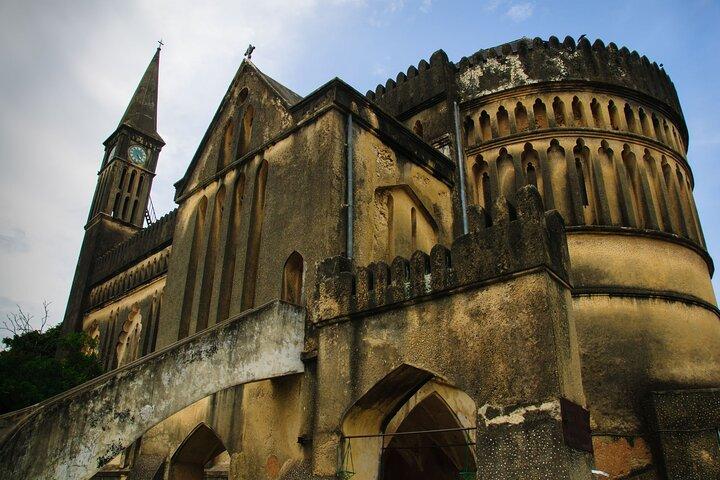
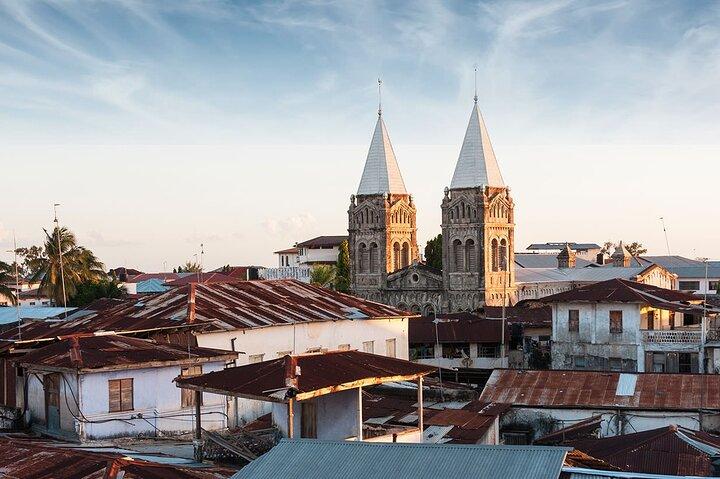
Discover the dark and fascinating history of Zanzibar's slave routes on The Original Walking Tour. Explore the remnants of the island's once thriving slave trade as you journey through Stone Town, the former hub of one of the world's last open slave markets. Begin at the Dhow Harbour in Malindi, where slave ships brought their human cargo from Bagamoyo to Zanzibar. Visit Livingstone's House and the House of Tippu Tip, infamous figures in the slave trade. Step into the Anglican Church, built on the site of the old slave market, and learn about the harsh conditions endured by enslaved people. Then, venture to the Mangapwani slave caves, where hundreds of slaves were kept before being shipped away. Immerse yourself in the haunting past of Zanzibar and gain a deeper understanding of the impact of slavery on this captivating island.
At a Glance
-
 Free cancellation
-
 3 hours 30 minutes
-
 Instant Confirmation
-
 Available in French, German, Spanish; Castilian, English, Italian
-
 Wheelchair accessible
-
 Mobile voucher
-
 Private Tour
-
 Guided
-
 Family friendly

Featured Reviews

Explore the poignant history of Zanzibar's slave trade on this immersive 3.5-hour walking tour through Stone Town's historic sites.
Included
-
 Private transportation
 -
On-board wifi
-
Bottled water
-
All Fees and Taxes
-
In-vehicle air conditioning
Excluded
-
 Lunch
Lunch
Pickup
Check if pick-up is available from your location, you will select during checkout (providers may allow other pickup locations)

What to expect
Zanzibar Harbour
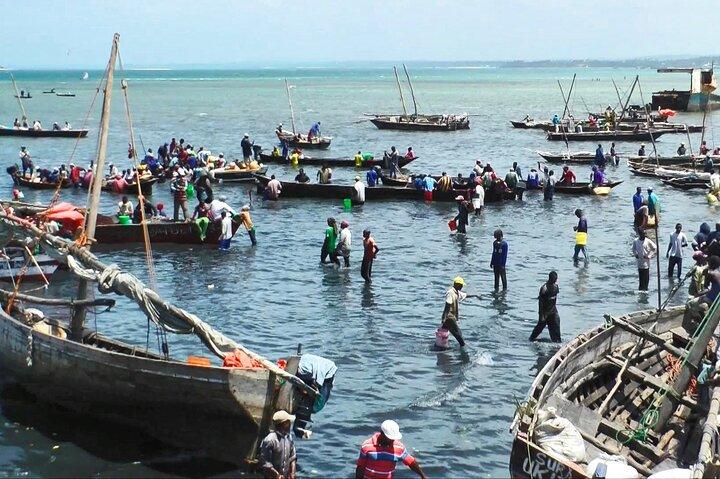
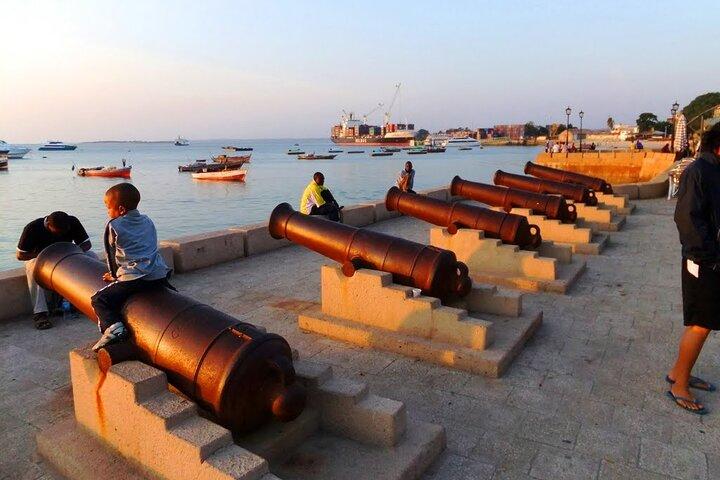
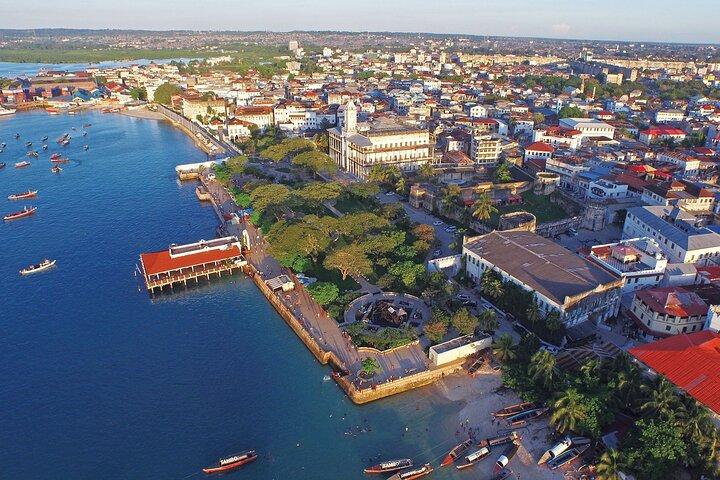
Visit Dhow Harbour in Malindi, where slave ships brought their human cargo from Bagamoyo to Zanzibar. The scent of cloves hangs heavy in the air as stevedores load and unload sacks of the region's most valuable crops. Every day you'll spot dhows arriving from the mainland with deliveries of flour and other goods not available on the islands. Fishermen deposit their catch here early in the morning.
30 minutes
 Admission Included
Livingstone Beach Restaurant
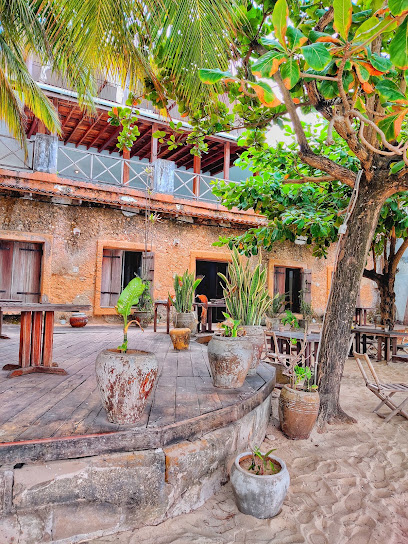
Explore Dr. Livingstone House!!! David Livingstone is probably the best-known of all the 19th century European explorers in Africa. Many of his journeys began and ended in Zanzibar, and he lived in this house before departing on his final journey to identify the source of the Nile. The house was built around 1860 by Sultan Majid and is located on the northeast side of Stone Town. It was used by Livingstone and other missionaries and explorers such as Burton, Speke, Cameron and Stanley as a starting point for expeditions into eastern and central Africa during the second half of the 19th century. In the early 20th century, the house was used by members of the island's Indian community for a variety of purposes. In 1947, it was bought by the colonial government and became a scientific laboratory for research into clove diseases. After independence and the revolution it became the Zanzibar headquarters of the Tanzania Friendship Tourist Bureau.
30 minutes
Admission Included
Tippu Tip's House
Tippu Tip's House is a historical building in Stone Town, Zanzibar, located in Suicide Alley in the Shangani ward near the Africa House Hotel and Serena Inn, about 3–5 minute walking time from the Old Fort and Forodhani Gardens. It is the house where the powerful merchant and slave trader Tippu Tip (1837–1905) lived. The building was a private residence until the Zanzibar Revolution and was later converted into a block of flats. The large decorated carved wooden door, as well as the black and white marble steps, still testify the great wealth of the historical owner of the house.
30 minutes
Admission Included
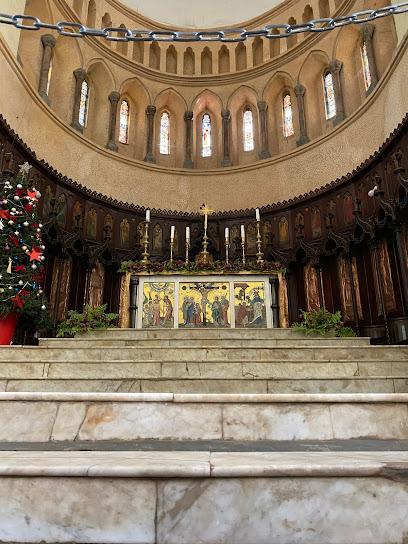
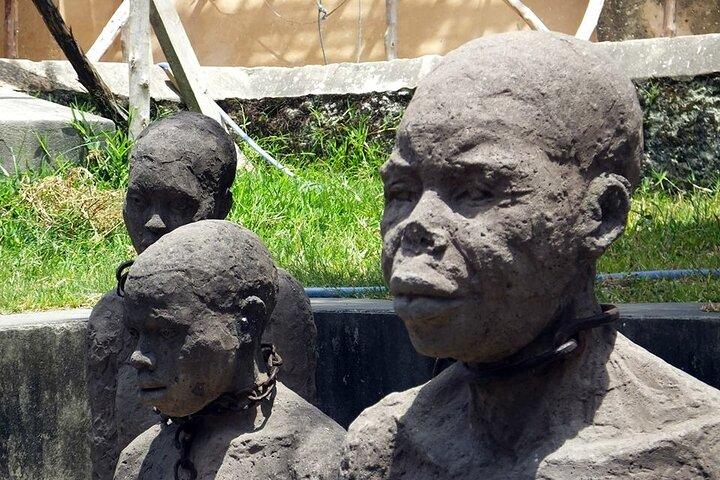
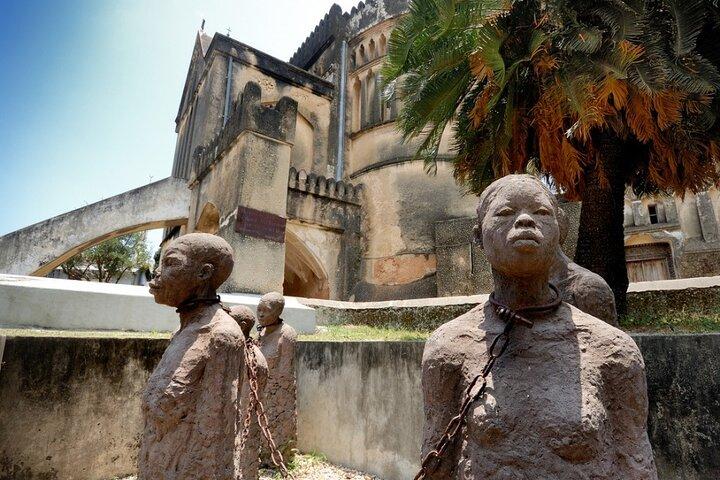
Visit Zanzibar Former Slave Market! Zanzibar was home to one of the largest slave markets in the world. Although the slave trade took place all over the island, three major markets saw the bulk of these inhumane transactions. The market in Stone Town was infamous for being the most brutal. The pit and the Slave Market Memorial is in the same location where enslaved people were gathered to be brought and sold. This memorial was created in 1998 by Clara Sornas of Scandinavia. On one side of the memorial is a mansion housing the slave cellar, one of fifteen low-ceiling chambers. Dim, suffocating, and with no toilets, these chambers were crammed with enslaved people, where they awaited the auction block. Captives were summoned to the yard and marched to the pit. There, they would be inspected by potential buyers.
60 minutes
Admission Included
Mangapwani Slave Chamber
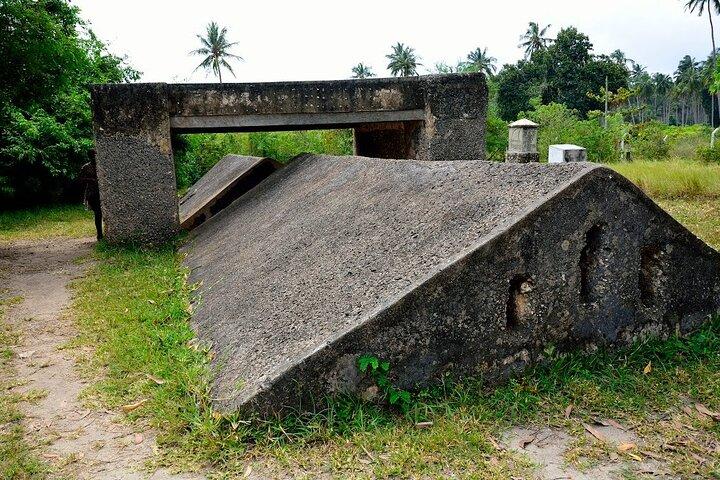
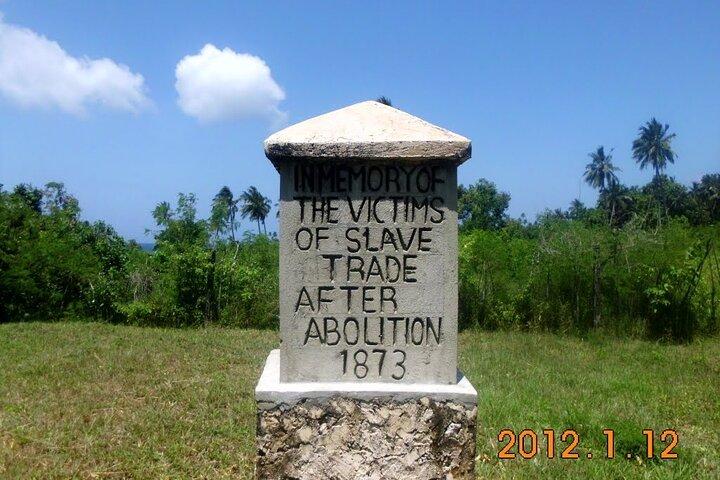
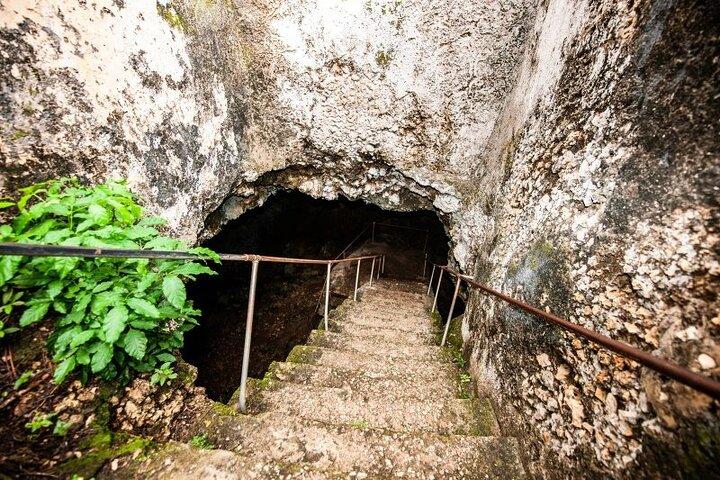
The Slave Chamber in Mangapwani is about 20 km north of Stone Town and 2 km north at the coast from the Mangapwani Coral Cavern. The chamber was originally built by Mohammed bin Nassor Al-Alwi, a prosperous slave trader, to store his slaves. The Chamber is a underground cell that was cut out of the coralline rock, with a roof on top. Boats from Tanzania would unload their human cargo on a secluded beach, separated from the main Mangapwani Beach by coral-rock outcrops. The slaves were kept here until it was time to take them into Zanzibar Town for sale at the Slave Market. Many historians believe that even after the slave trade was abolished in 1873 by a signed treaty, the coral cavern was still used as a place to hide slaves and the slave trade continued illegally for many years.
60 minutes
Admission Included
The experience can be subject to change due to bad weather or unforseen circumstances. We always endeavour to give you the best possible experience.
Additional Information
-
 All areas and surfaces are wheelchair accessible
 -
Infants and small children can ride in a pram or stroller
-
Public transportation options are available nearby
-
Service animals allowed
-
Specialized infant seats are available
-
Suitable for all physical fitness levels
-
Transportation options are wheelchair accessible
-
Wheelchair accessible
What our experts say
-
 Visit the nearby Forodhani Gardens for snacks.
 -
Try local dishes at the Old Fort area.
-
Consider a sunset stroll along the beach.
-
Bring a camera for beautiful architecture.
-
Wear comfortable shoes for walking.

More About this Experience
Introduction
Step back in time and uncover the hidden stories of Zanzibar's dark past on the Zanzibar Slave Routes Tour: The Original Walking Tour. Stone Town, once the hub of one of the world's last open slave markets, bears witness to the atrocities committed during the height of the slave trade. This captivating tour will take you on a journey through historical landmarks, revealing the untold tales of those who were forced into bondage.What to expect?
During this immersive 210-minute experience, you'll embark on an unforgettable exploration of Zanzibar's slave history. The tour begins at the Dhow Harbour in Malindi, where slave ships docked, unloading their human cargo from Bagamoyo to Zanzibar. You'll then visit Livingstone's House, the residence of renowned explorer David Livingstone, and gain insight into his expeditions to Africa. The tour continues to Tippu Tip's House, where you'll step into the world of the powerful merchant and slave trader. Finally, you'll visit the Old Slave Market and Anglican Church, witnessing the haunting remnants of this brutal institution. Don't miss the chance to explore the Mangapwani slave caves, where hundreds of enslaved individuals awaited their uncertain fate.Who is this for?
This tour is for anyone seeking to delve deep into the history and heritage of Zanzibar. History enthusiasts, culture seekers, and those yearning to understand the complexities of the human experience will find this tour enlightening and moving. It is a journey of empathy and remembrance, inviting visitors to confront the harrowing events of the past.Why book this?
Immerse yourself in the rich tapestry of Zanzibar's history with the Zanzibar Slave Routes Tour. This tour offers a unique opportunity to gain a comprehensive understanding of the island's past, shedding light on the dark chapters of the slave trade. Led by knowledgeable guides, you'll discover lesser-known sites and listen to captivating stories that bring history to life. By engaging in this tour, you contribute to preserving collective memory and honoring the victims of slavery. Gain a profound appreciation for the resilience and strength of those who endured unimaginable suffering.Good to know
While participating in this tour, it is important to acknowledge the sensitive nature of the subject matter. The tour involves walking and visiting historical sites, so wearing comfortable shoes is advised. Remember to bring sun protection, as some parts of the tour are exposed to the elements. As you delve into Zanzibar's slave history, approach the experience with an open heart and a willingness to learn.Reviews
Travelers who have embarked on the Zanzibar Slave Routes Tour were deeply moved by the experience. They praised the knowledgeable guides who provided insightful commentary and brought history to life. Visitors lauded the tour for its thought-provoking nature and its ability to shed light on a dark period of human history. Many expressed gratitude for the opportunity to learn from the past and gain a deeper understanding of Zanzibar's cultural heritage. This tour is not just an educational journey, but a chance to pay tribute to the resilience and strength of those who suffered during the slave trade.


This is a popular product and the date you are looking for just sold out. Next available date is
