In a world that constantly urges us to move faster, see more, and do everything at once, the concept of slow travel offers a refreshing alternative. It's about savoring each moment, connecting deeply with the places we visit, and leaving a positive impact on the communities we encounter. As a Ghanaian woman living in Germany, my journey towards embracing slow travel has been a transformative one, shaping my perspective on exploration and sustainability.
Embracing the Philosophy of Slow Travel
Slow travel, at its core, is a mindful approach to exploration. It's about prioritizing quality over quantity, depth over breadth. It means choosing to truly experience a destination rather than rushing through a checklist of tourist attractions. Unlike conventional tourism, which often focuses on speed and efficiency, slow travel encourages us to slow down, immerse ourselves in the local culture, and connect with the environment in a meaningful way.
My initial motivation for adopting slow travel stemmed from a desire to align my travels with my values. I wanted to travel in a way that was both enriching for me and respectful of the planet and its people. I was increasingly aware of the negative impacts of mass tourism – the environmental degradation, the cultural homogenization, and the exploitation of local communities. Slow travel offered a way to counteract these negative effects, allowing me to travel with intention and purpose.
Today, there's a growing movement towards conscious and responsible travel, with more and more people recognizing the importance of sustainable tourism practices. This shift reflects a growing awareness of the interconnectedness of our world and a desire to travel in a way that benefits both ourselves and the places we visit.
Planning a Slow Travel Itinerary: Intentional Choices
Planning a slow travel itinerary requires a shift in mindset. It's about making intentional choices that prioritize local experiences, minimize environmental impact, and maximize opportunities for cultural immersion. Here are a few practical tips to consider:
- Choose destinations that align with slow travel principles. Smaller towns and regions with strong cultural identities often offer a more authentic and immersive experience than major tourist hubs. For example, instead of rushing through the main cities in Italy, consider spending time in the smaller towns of Tuscany or Umbria, where you can savor the local cuisine, explore the countryside, and connect with the community.
- Prioritize local experiences over ticking off major tourist attractions. Instead of simply visiting famous landmarks, seek out opportunities to engage with the local culture. Take a cooking class, attend a local festival, or visit a farmers' market. These experiences will provide a deeper understanding of the destination and create lasting memories.
- Consider transportation options that minimize environmental impact and maximize opportunities for interaction. Trains and buses are often a more sustainable and scenic way to travel than flying. Cycling and walking are also great options for exploring a destination at a slower pace and discovering hidden gems.
- Seek out authentic accommodations, such as guesthouses, family-run hotels, or eco-lodges. These types of accommodations often offer a more personal and immersive experience than large, impersonal hotels. They also tend to support local economies and promote sustainable tourism practices.
Deeper Connections: Immersing Yourself in Local Culture
One of the greatest rewards of slow travel is the opportunity to forge deeper connections with the local culture. This involves actively engaging with the community, learning about their traditions and customs, and showing respect for their way of life. Here are a few ways to immerse yourself in local culture:
- Learn basic phrases in the local language. Even a few simple words can go a long way in building rapport with locals and demonstrating your respect for their culture.
- Engage with local communities through volunteer work, workshops, or cultural exchanges. These experiences provide opportunities to connect with locals on a deeper level and learn about their lives and perspectives.
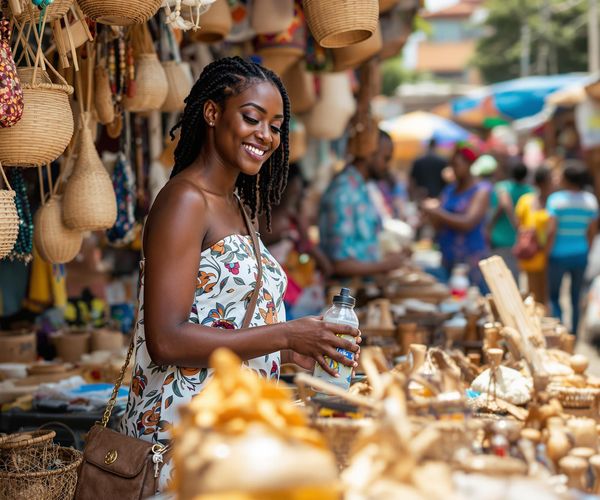
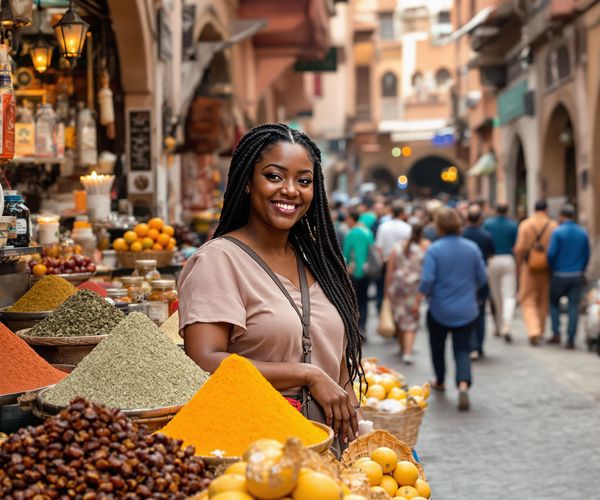
- Explore local cuisine by visiting markets, taking cooking classes, or dining at family-owned restaurants. Food is an integral part of any culture, and exploring the local cuisine is a great way to learn about the history, traditions, and values of a place.
- Attend local festivals and events to experience the unique traditions and customs of the region. These events offer a vibrant and immersive glimpse into the local culture and provide opportunities to connect with locals in a festive atmosphere.
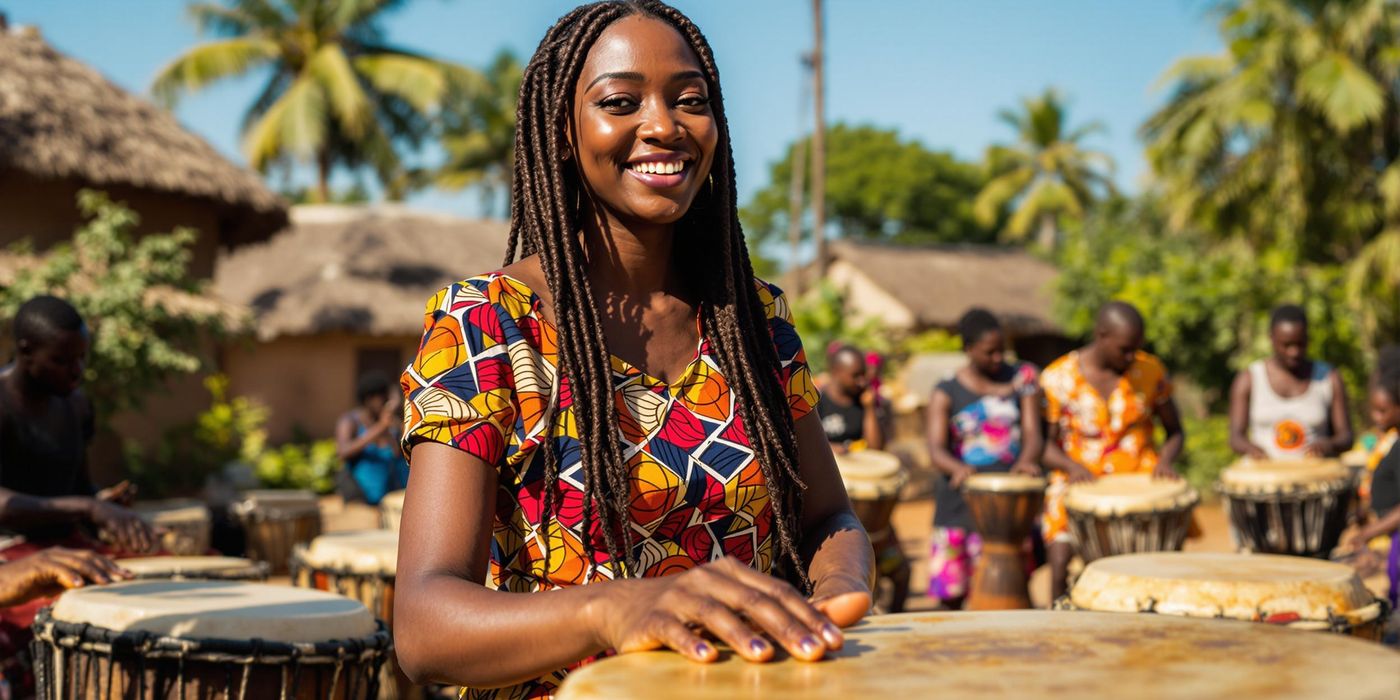
I remember once, while traveling through a small village in Ghana, I had the opportunity to participate in a traditional drumming circle. Despite not knowing the language, I was able to connect with the other participants through the shared rhythm and energy of the music. It was a powerful and unforgettable experience that deepened my appreciation for Ghanaian culture.
Sustainability in Motion: Minimizing Your Environmental Footprint
Conventional tourism can have a significant environmental impact, contributing to carbon emissions, waste generation, and resource depletion. Slow travel, on the other hand, offers a more sustainable way to explore the world.
By choosing to travel at a slower pace, we can reduce our carbon footprint by opting for eco-friendly transportation options, such as trains, buses, or bicycles. We can also support local businesses that prioritize sustainability, such as eco-lodges and organic farms. Additionally, we can practice responsible waste management by reducing our consumption, reusing materials, and recycling whenever possible.
During my travels, I've encountered numerous sustainable initiatives that have inspired me. For example, in Costa Rica, I visited a community-run eco-lodge that was powered by solar energy and committed to preserving the surrounding rainforest. In Germany, I've seen a growing number of restaurants and cafes that source their ingredients locally and prioritize organic and sustainable farming practices.
It's important to remember that even small changes in our travel habits can make a big difference. By making conscious choices to minimize our environmental footprint, we can help protect the planet for future generations.
Personal Enrichment: The Transformative Power of Slow Travel
Beyond its environmental and cultural benefits, slow travel offers a unique opportunity for personal enrichment. By slowing down and immersing ourselves in new environments, we can reduce stress, increase mindfulness, and foster personal growth.
The slower pace of travel allows us to disconnect from the demands of our daily lives and connect with ourselves on a deeper level. It provides opportunities for self-reflection, contemplation, and personal discovery. Exposure to new cultures and environments can also spark creativity and inspiration, leading to new perspectives and insights.
I've found that slow travel has significantly improved my mental and physical well-being. The reduced stress and increased mindfulness have helped me to feel more grounded and present in my life. The new experiences and connections I've made have broadened my horizons and deepened my appreciation for the world around me.
Ultimately, slow travel is more than just a way to see the world; it's a way to connect with ourselves, with others, and with the planet. It's a transformative journey that can enrich our lives in countless ways.
Discover the advantages of slow travel: deeper connections, less stress, and more sustainable tourism.