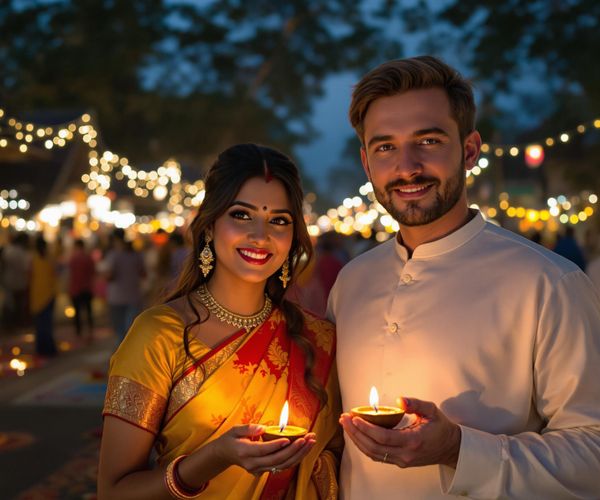
As a software developer originally from Kazakhstan, now living in Bristol, I've learned firsthand the joys and challenges of navigating different cultures. My husband, Daniel, and I love to travel, and over the years, we've picked up a few tricks for communicating effectively, even when we don't speak the local language. Here are some tips to help you connect with people around the world, making your travel experiences richer and more meaningful.
The Modern Traveler's Toolkit: Translation Apps
In today's digital age, translation apps are a traveler's best friend. Apps like Google Translate, Microsoft Translator, and iTranslate have become indispensable tools for bridging language gaps. These apps offer a range of features, from real-time voice translation to camera translation, which allows you to translate text from images. The offline capabilities are particularly useful when you're in a remote area with limited internet access.
I've also been experimenting with TransGull, a newer translation app that seems promising. What’s great about these apps is that they are continuously updated with improved algorithms and expanded language support, enhancing their accuracy and reliability over time.
Essential Phrases: Your Linguistic Survival Kit
While technology is incredibly helpful, there's something special about making an effort to speak the local language. Learning a few basic phrases like "hello," "thank you," and "excuse me" can go a long way. It shows respect and a willingness to engage with the local culture. Before any trip, Daniel and I always try to learn some common greetings and polite phrases. Even if your pronunciation isn't perfect, the locals will appreciate the effort.
Beyond Words: The Power of Non-Verbal Communication
Communication isn't just about words; it's also about body language, gestures, and facial expressions. Non-verbal cues can convey a lot, but it's important to be aware that these cues can vary significantly across cultures. A gesture that's perfectly acceptable in one country might be offensive in another.
For example, the "thumbs-up" sign, which is generally positive in Western cultures, can be offensive in some parts of the Middle East. Similarly, the "okay" sign can be considered rude in Brazil. Observing local customs and being mindful of personal space are crucial. And never underestimate the power of a smile – it's a universal sign of friendliness that transcends language barriers!
Cultural Sensitivity: The Key to Meaningful Interactions
Before traveling to a new country, take the time to research local customs, traditions, and etiquette. Understanding cultural nuances can help you avoid misunderstandings and build more meaningful connections with locals. Dressing appropriately, respecting sacred places, and being mindful of local customs are all essential aspects of cultural sensitivity.
It's also important to avoid stereotypes and approach each interaction with an open mind. Engage with locals, participate in local activities, and be willing to learn from others. These experiences can be incredibly enriching and rewarding.
Tech to the Rescue: Offline Resources and Visual Aids
Even with the best preparation, there might be times when you struggle to communicate. That's where offline resources and visual aids come in handy. Before you leave for your trip, download offline maps, translation dictionaries, and phrasebooks onto your phone or tablet. These resources can be a lifesaver when you don't have internet access.
Visual aids can also be incredibly helpful. Pointing at objects or drawing pictures can often convey your meaning when words fail you. I always carry a small notepad and pen with me for this purpose. It's amazing how much you can communicate through simple drawings!
Overcome language barriers and enhance your travel experiences with these communication tips.