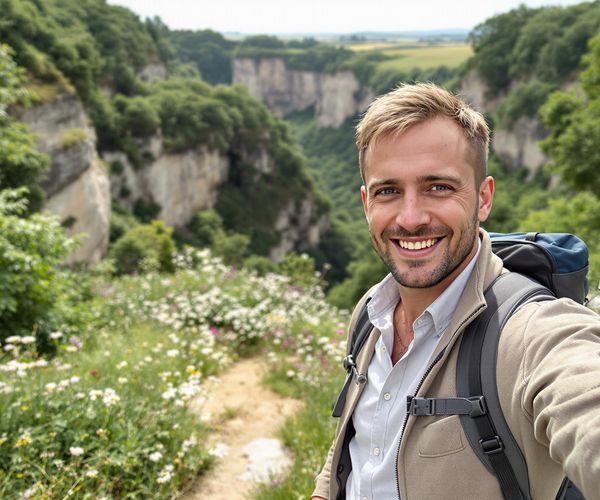
Hello, fellow adventurers! Aigerim here, ready to share some essential safety tips for your next hiking or outdoor exploration trip. As much as I love immersing myself in nature's beauty, whether it's the rolling hills of the Mendip Hills or exploring new trails abroad, safety always comes first. Over the years, Daniel and I have learned valuable lessons, sometimes the hard way, about how to stay safe while enjoying the great outdoors. So, grab your favorite cup of chai, and let's dive into some crucial tips to ensure your adventures are memorable for all the right reasons!
Planning and Preparation: Laying the Groundwork for a Safe Hike
Before you even lace up your hiking boots, a little planning can go a long way. Researching your trail is absolutely crucial. I always start by checking out recent trail reviews and maps. Websites and apps like AllTrails can provide valuable insights into trail conditions, difficulty levels, and recent wildlife sightings.
Weather can change in an instant, especially in mountainous regions. Always check the forecast a few days before your hike and again on the morning of your adventure. Understanding potential hazards specific to your location is also key. Are there flash flood risks? Are there certain times of the year when wildlife is more active? Knowing these things can help you prepare accordingly.
One of the most important things you can do is inform someone about your hiking plans. Share your detailed itinerary, including your route and expected return time, with a trusted friend or family member. There are also apps that allow you to share your location in real-time with emergency contacts.
I remember one time in the Lake District when we were caught in an unexpected downpour. Luckily, we had thoroughly researched the trail and knew of a nearby shelter where we could wait out the storm. Without that prior planning, we could have been in a much more precarious situation.
Essential Gear: Packing Smart for a Secure Trek
Packing the right gear can make or break your hiking experience. A well-stocked first-aid kit is non-negotiable. Make sure it includes essentials like bandages, antiseptic wipes, pain relievers, blister treatment, and any personal medications you may need.
Navigation tools are also crucial. While GPS devices and smartphone apps can be helpful, always carry a physical map and compass as a backup. Learn how to use them before you hit the trail, as technology can fail.
Proper footwear is essential for comfort and safety. Invest in a good pair of hiking boots that provide ankle support and traction. Layering clothing is also key, as weather conditions can change quickly. Bring moisture-wicking base layers, an insulating mid-layer, and a waterproof outer layer.
Don't forget to carry sufficient water and high-energy snacks. Dehydration and low blood sugar can lead to fatigue and poor decision-making. Pack snacks like trail mix, energy bars, or dried fruit to keep your energy levels up.
A headlamp or flashlight with extra batteries is a must-have, even if you don't plan on hiking at night. Unexpected delays can happen, and you don't want to be caught in the dark without a light source.
I recall a time when we underestimated the length of a trail in Snowdonia. By the time we were heading back, the sun had already set. Thankfully, we had our headlamps with us, which allowed us to navigate the rocky terrain safely.
Navigation Skills: Staying on Course and Avoiding Getting Lost
Knowing how to read a map and use a compass is a fundamental skill for any hiker. Practice using these tools in a familiar environment before relying on them in the wilderness. Familiarize yourself with common map symbols and compass bearings.
GPS devices and smartphone apps can be useful for navigation, but they are not foolproof. Batteries can die, and signals can be unreliable, especially in remote areas. Always carry a backup power source for your devices.
Pay attention to trail markers and stay aware of your surroundings. Regularly check your map and compass to ensure you're on the right track. If you're hiking with a group, designate someone to be the navigator.
If you do get lost, the most important thing is to stay calm. Panic can lead to poor decision-making. Retrace your steps if possible, and try to identify any landmarks you recognize. If you can't find your way back, stay put and signal for help using a whistle, mirror, or bright clothing.
I once took a wrong turn on a trail in the Brecon Beacons and quickly realized I was off course. I retraced my steps to the last known trail marker and was able to get back on track. It was a good reminder that even experienced hikers can make mistakes.
Wildlife Awareness: Respecting Nature and Avoiding Encounters
Before you head out on your hike, research the local wildlife and understand potential dangers. Are there bears, snakes, or other animals that could pose a threat? Knowing what to expect can help you avoid encounters.
Make noise while you hike to alert animals to your presence. Store food properly in airtight containers to avoid attracting wildlife. Keep a safe distance from animals, and never approach or feed them.
If you encounter a dangerous animal, stay calm and avoid making sudden movements. Back away slowly, and never turn your back on the animal. If you're attacked, fight back using whatever means necessary.
Respect wildlife habitats and minimize your impact on the environment. Stay on designated trails, pack out all your trash, and avoid disturbing vegetation or wildlife.
I'll never forget the time we saw a family of deer grazing in a meadow in the Scottish Highlands. We kept a respectful distance and observed them quietly, appreciating the beauty of nature without disturbing their peace.
Emergency Procedures: Being Prepared for the Unexpected
Basic first-aid knowledge is essential for any hiker. Learn how to treat common hiking injuries like cuts, blisters, and sprains. Consider taking a wilderness first-aid course to gain more in-depth knowledge.
Know how to signal for help in an emergency. A whistle can be heard over long distances, and a mirror can be used to reflect sunlight. Bright clothing can also help you be seen by rescuers.
Understand the symptoms of hypothermia and heatstroke and how to prevent them. Dress in layers, stay hydrated, and avoid overexertion. If someone in your group shows signs of hypothermia or heatstroke, take immediate action.
Knowing how to build a temporary shelter can provide protection from the elements in an emergency. Use natural materials like branches and leaves to create a makeshift shelter.
During a hike in the Peak District, one of our friends twisted her ankle badly. Thankfully, we knew how to splint her ankle and help her hobble back to the trailhead. It was a reminder that even with careful planning, accidents can happen.
By following these safety tips, you can minimize risks and maximize your enjoyment of the great outdoors. Remember, preparation, awareness, and respect for nature are key to a safe and memorable hiking experience. Happy trails, everyone!
Essential safety tips for hikers and outdoor explorers: planning, gear, navigation, wildlife awareness, and emergency procedures for memorable adventures.