As a software developer with a passion for travel, I've learned that some of the most cherished souvenirs aren't physical objects, but the memories captured through my camera lens. Whether I'm wandering through the bustling streets of Bristol or exploring the serene landscapes of Kazakhstan, photography allows me to preserve the essence of my journeys. Here are some tips I've picked up along the way, perfect for anyone looking to elevate their travel snapshots.
The Art of Storytelling Through Images
For me, a photograph is more than just a visual; it's a story waiting to be told. I remember once, while visiting a small village in Kazakhstan, I captured a photo of an elderly woman weaving a traditional rug. Her wrinkled hands, the vibrant colors of the yarn, and the focused expression on her face spoke volumes about her life and heritage. It wasn't just a picture; it was a window into a world I was privileged to witness. When you travel, aim to capture those kinds of moments – the ones that resonate with emotion and tell a story beyond the surface. Look for cultural nuances, candid interactions, and details that reveal the heart of a place.
Mastering Composition: Framing Your Travel Experiences
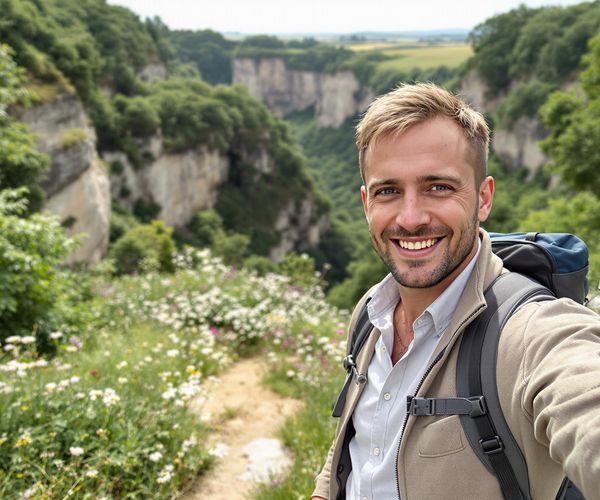
Composition is key to creating visually appealing photographs. One technique I often use is the rule of thirds. Imagine dividing your frame into nine equal parts with two horizontal and two vertical lines. Placing key elements along these lines or at their intersections can create a more balanced and engaging image. For example, when photographing a landscape, position the horizon line along the top or bottom third of the frame, depending on whether you want to emphasize the sky or the foreground. Leading lines, like a winding road or a row of trees, can draw the viewer's eye into the scene. Symmetry can create a sense of order and harmony. Don't be afraid to experiment with different angles and perspectives to find the most compelling composition. Adding foreground elements, like flowers or rocks, can add depth and interest to your landscapes.
Light and Shadow: Harnessing Natural Light for Stunning Photos
Natural light is a photographer's best friend. The golden hour, the period shortly after sunrise and before sunset, offers warm, soft light that can transform an ordinary scene into something magical. The blue hour, the period just before sunrise and after sunset, provides cool, ethereal light that's perfect for capturing cityscapes and landscapes. When shooting in bright sunlight, try to find shade or use a diffuser to soften the light and avoid harsh shadows. In low-light situations, use a tripod or stabilize your camera to prevent blur. Pay attention to how shadows fall across your subject, and use them to add drama and mood to your photos.
Capturing Cultural Nuances: Respectful and Authentic Photography
When traveling, it's essential to be respectful of the local people and their culture. Before photographing someone, always ask for permission. A simple smile and a gesture can go a long way. Be mindful of cultural sensitivities and avoid photographing religious ceremonies or private moments without consent. Instead of staging photos, try to capture authentic moments and interactions. Observe how people interact with each other, and look for opportunities to capture genuine emotions. Remember, you're a guest in their home, so treat them with the same respect and courtesy you would expect in your own home. Ethical considerations are paramount; ensure your photography doesn't exploit or misrepresent the people and cultures you encounter.
Gear on the Go: Smartphone vs. DSLR – What's Right for You?
The best camera is the one you have with you. While a DSLR offers more control and versatility, a smartphone can be a convenient and capable tool for travel photography. Smartphones are lightweight, easy to carry, and offer a range of features, like panorama mode, HDR, and portrait mode. DSLRs, on the other hand, offer better image quality, more lens options, and greater control over settings like aperture, shutter speed, and ISO. If you're serious about photography and want to capture the highest quality images, a DSLR is the way to go. However, if you're just looking to capture memories and share them on social media, a smartphone may be all you need. For smartphones, consider a portable charger and a lens attachment kit. For DSLRs, extra batteries, a versatile zoom lens, and a sturdy tripod are essential. Understanding the limitations and strengths of your equipment is crucial to getting the best results.
Editing Essentials: Enhancing Your Travel Photos
Photo editing can enhance your travel photos and bring out their full potential. Basic editing techniques include cropping, adjusting exposure, color correction, and sharpening. Cropping can help you improve the composition of your image by removing distractions and focusing on the main subject. Exposure adjustments can brighten or darken your image, while color correction can fix color casts and make your colors more vibrant. Sharpening can add detail and clarity to your image. There are many user-friendly editing apps available for both smartphones and computers, such as Snapseed, Lightroom Mobile, and VSCO. The key is to make subtle edits that enhance, not distort, the original image. Develop a consistent editing style to create a cohesive look across your photos.
Backing Up Your Memories: Protecting Your Photos on the Road
Losing your travel photos can be devastating, so it's essential to back them up regularly. Cloud storage services like Google Photos, Dropbox, and iCloud offer a convenient way to back up your photos automatically. External hard drives are another option, providing a physical backup of your files. Memory cards are useful for storing photos while you're on the go, but they're not a reliable long-term storage solution. Organize your photos into folders by date and location to make them easier to find. Labeling and tagging your photos with relevant keywords can also help you search for them later. Data loss can occur due to various reasons, such as theft, damage, or technical failure. By having multiple backups in different locations, you can minimize the risk of losing your precious memories.
Capture stunning travel memories with these easy photography tips. Learn how to tell stories through images, master composition, and harness natural light.