Hey everyone, Anthony here! I've always believed that travel is about more than just seeing the sights; it's about immersing yourself in the local culture. And what better way to do that than through food? Over the years, my travels have become less about ticking off landmarks and more about savoring the flavors of the world. Let's dive into how you can make food the heart of your next adventure.
The Allure of Culinary Travel
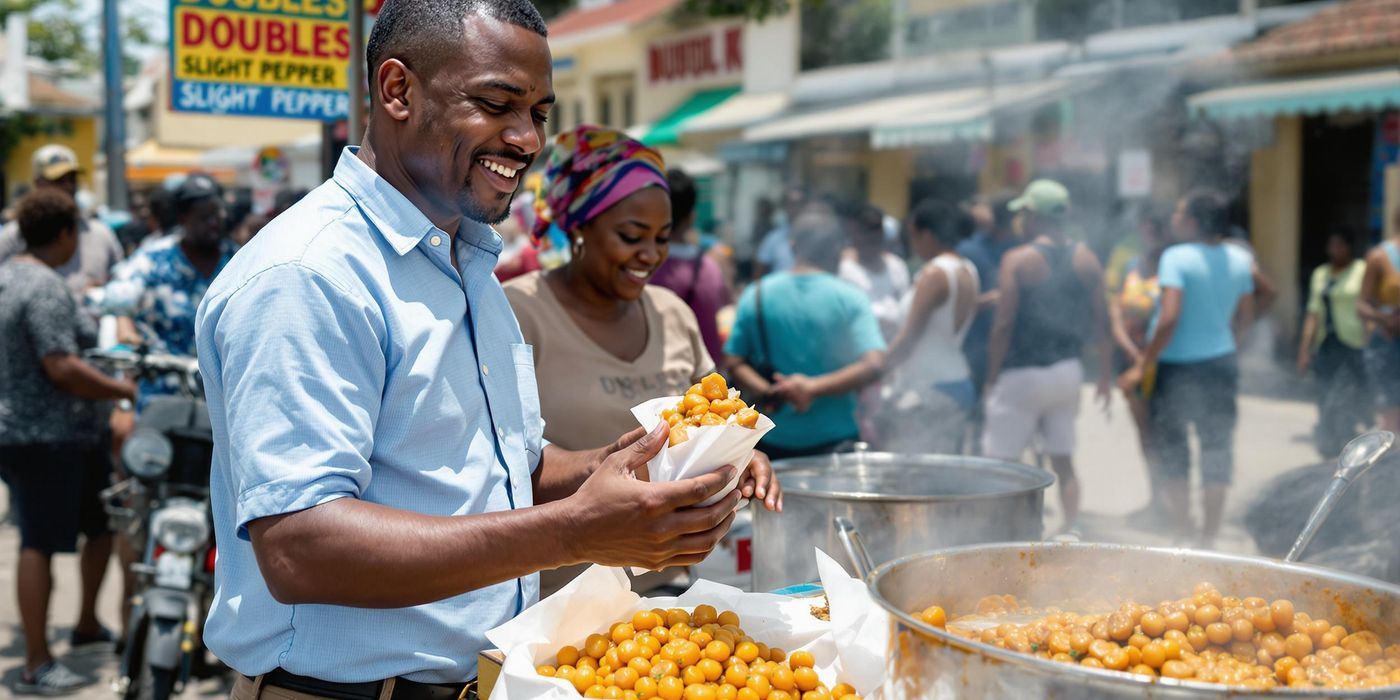
Culinary tourism is booming, and for good reason. It's not just about eating; it's about experiencing a destination on a deeper level. Food connects us to the history, the people, and the traditions of a place. Think about it: every dish tells a story. I remember being in Trinidad, my homeland, and sharing a doubles with a local vendor. The spices, the warmth of the bread, the friendly banter – it was more than just a snack; it was a cultural exchange. These are the moments that stick with you.
Finding Authentic Dining Experiences
Forget the tourist traps! The real magic happens when you venture off the beaten path. How do you do it? Start by asking locals. Hotel concierges are okay, but try chatting with shopkeepers, taxi drivers, or even people you meet in a park. They'll point you to the hidden gems – the family-run restaurants, the hole-in-the-wall eateries, and the food stalls where the locals actually eat. Don't be afraid to try something new, even if you can't pronounce it!
Participating in Cooking Classes: A Hands-On Approach
Want to take your culinary journey to the next level? Sign up for a local cooking class. It's an incredible way to learn about regional cuisine firsthand. I once took a roti-making class in Trinidad, and it was an absolute blast. I learned about the different types of flour, the spices, and the techniques for getting that perfect, flaky texture. Plus, I got to eat my creations afterward! Look for reputable cooking schools or culinary workshops online, or ask your hotel for recommendations.
Connecting with Locals Through Food Markets
Food markets are a feast for the senses. The vibrant colors, the exotic aromas, the bustling energy – it's an experience like no other. I love wandering through markets, chatting with vendors, and sampling local produce. You'll discover unique ingredients and flavors that you won't find anywhere else. Don't be shy; ask questions, try new things, and immerse yourself in the local culture. It’s a fantastic way to connect with the community and support local farmers and artisans.
Navigating Street Food Scenes
Street food is a staple in many countries, offering a quick, affordable, and delicious way to experience local cuisine. But how do you enjoy it safely and responsibly? First, look for stalls that are busy with locals – that's usually a good sign. Make sure the food is cooked fresh and served hot. And don't be afraid to ask questions about the ingredients and preparation methods. I’ll never forget trying jerk chicken from a roadside vendor in Jamaica; the smoky flavor and spicy kick were unforgettable!
Embracing Food Festivals and Events
Food festivals are a celebration of local cuisine, bringing together chefs, vendors, and food lovers from all over. The atmosphere is always electric, with live music, cooking demonstrations, and of course, plenty of delicious food to sample. Check local event listings or tourism websites to find out about food festivals happening during your travels. Be prepared to try new things and embrace the vibrant culinary scene.
Understanding the Cultural Significance of Food
Food is more than just sustenance; it's a reflection of a community's history, values, and social structure. Think about how food plays a central role in cultural celebrations and rituals. In Trinidad, for example, we have curry duck at almost every major celebration. By understanding the cultural significance of food, you can gain a deeper appreciation for the places you visit. Be respectful of local customs and traditions surrounding food, and always be open to learning new things.
Explore how food connects travelers to local culture and heritage with tips on finding authentic dining, cooking classes, markets, street food, and food festivals.