Hey everyone, Anthony here! As a Trini living in Toronto, I've had my fair share of experiences navigating different cultures. Traveling is one of my greatest passions, and over the years, I've learned that understanding and respecting local customs can make or break a trip. It's not just about seeing the sights, it's about connecting with people and truly experiencing a place. Join me as I share some tips on cultural etiquette to help you travel more responsibly and enrich your adventures!
The Importance of Cultural Sensitivity in Travel
So, what exactly is cultural etiquette? Simply put, it's about being aware of and respecting the social norms of a particular culture. Cultural sensitivity means recognizing and appreciating the differences in customs, traditions, and values across different societies. When you travel, you're not just a tourist; you're an ambassador for your own culture. Respecting local customs shows that you value the people and their way of life.
Why is this so important? Well, for starters, it enhances your travel experience. Imagine trying to communicate without knowing basic phrases or accidentally offending someone with a gesture you didn't realize was inappropriate. By being culturally aware, you can avoid awkward situations and create more meaningful interactions. Furthermore, cultural sensitivity benefits both travelers and local communities. It fosters mutual understanding, promotes tolerance, and supports sustainable tourism practices.
Researching Cultural Norms Before You Go
Before you even pack your bags, take some time to research the local customs of your destination. This pre-trip research is crucial for understanding what's considered acceptable behavior and avoiding potential faux pas. There are tons of resources available to help you learn about cultural norms. Guidebooks, travel websites, and cultural orientation resources are great places to start. Don't forget to check out travel forums and blogs for firsthand accounts from other travelers.
What should you research? Focus on key areas like greetings, gestures, dress codes, dining etiquette, and social behaviors. For example, in some cultures, direct eye contact is considered disrespectful, while in others, it's a sign of sincerity. Knowing these nuances can make a big difference in how you're perceived and how well you connect with locals.
Greetings and Non-Verbal Communication
Greetings vary widely around the world. While a handshake is common in many Western countries, other cultures have their own unique ways of greeting each other. In Japan, bowing is the norm, with the depth of the bow indicating the level of respect. In India, you might encounter the namaste, a slight bow with hands pressed together. In Thailand, the wai is used, which is similar to the namaste. And in some European countries, cheek kisses are customary, but the number of kisses can vary from one to four depending on the region!
Non-verbal cues and body language also play a significant role in communication. A thumbs-up, which is a positive sign in many Western countries, is considered offensive in parts of the Middle East and Latin America. Similarly, the "OK" sign, where you form a circle with your thumb and index finger, is seen as vulgar in Brazil and Germany. Always be mindful of your body language and avoid gestures that could be misinterpreted.
Dress Codes and Public Behavior
Dressing appropriately is another important aspect of cultural etiquette. In many countries, particularly those with strong religious traditions, dressing modestly is essential. When visiting religious sites like temples, mosques, or churches, it's often required to cover your shoulders and knees. Some places may even require women to cover their heads. It's always a good idea to research dress code expectations before you go.
Public behavior is equally important. What's considered acceptable in one culture might be frowned upon in another. For example, public displays of affection, such as kissing or hugging, are generally discouraged in conservative societies. Similarly, loud talking or boisterous behavior can be seen as disrespectful in quieter, more reserved cultures.
Dining Etiquette Around the World
Dining etiquette is a fascinating area of cultural variation. In Japan, slurping noodles is not only acceptable but also considered a sign that you're enjoying your meal. In Thailand, forks are used to push food onto spoons, which are then used to bring the food to your mouth. Knives are not traditionally used at the table. And in some parts of China, it's customary to leave a little food on your plate to show that you've been adequately fed.
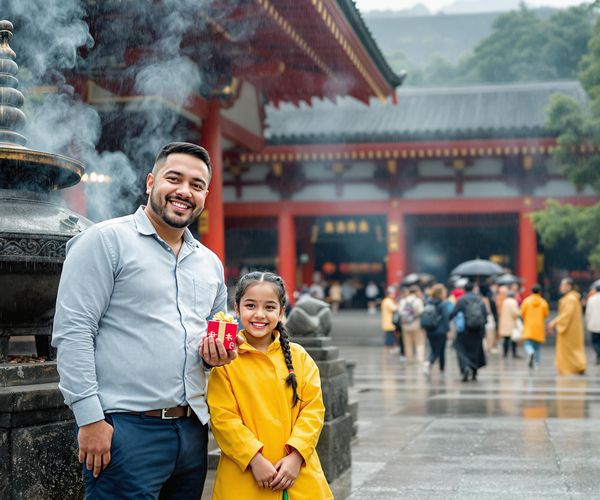
Tipping customs also vary. In some countries, tipping is expected, while in others, it's considered unnecessary or even insulting. Offering gifts to your host is a common practice in many cultures, but it's important to know what types of gifts are appropriate. In Japan, for example, it's customary to present gifts with both hands and to avoid giving gifts in sets of four, as the number four is associated with death. Always express gratitude for meals and hospitality, but be mindful of the local customs for doing so.
Respecting Religious and Cultural Sites
When visiting religious and cultural sites, it's essential to follow guidelines and show respect. This means adhering to dress codes, removing your shoes when required, and refraining from loud or disruptive behavior. Photography rules also vary. Some sites prohibit photography altogether, while others may allow it only in certain areas or with specific equipment. Always seek permission before taking photos of people or religious sites, and be respectful of their wishes.
Language and Communication Tips
Learning a few basic phrases in the local language can go a long way in enhancing communication and showing respect. Even simple greetings like "hello," "thank you," and "please" can make a positive impression. Language skills can help you navigate unfamiliar situations, ask for directions, and connect with locals on a deeper level. If you're not fluent in the local language, don't worry. There are many ways to overcome language barriers. Use translation apps, carry a phrasebook, and don't be afraid to use gestures and visual aids to communicate effectively.
Gift-Giving Customs
Gift-giving customs vary significantly across cultures, so it's important to understand the local etiquette before offering a present. In some cultures, the way a gift is wrapped is just as important as the gift itself. For example, in Japan, gifts should be wrapped in muted colors and presented with both hands. In China, red is considered a lucky color and is often used for gift wrapping. However, avoid wrapping gifts in white or black, as these colors are associated with mourning.
There can also be taboos related to the types of gifts you should avoid. In some cultures, giving knives or sharp objects is considered bad luck, as it symbolizes cutting ties. In others, giving clocks is a no-no, as it implies that time is running out. Always research the local customs to ensure that your gift is well-received.
Navigating Social Norms and Potential Faux Pas
Every culture has its own set of social norms and taboos. In some countries, it's considered rude to point with your finger, while in others, it's impolite to eat with your left hand. Being aware of these nuances can help you avoid unintentional offenses. If you do happen to commit a cultural faux pas, don't panic. The best thing to do is to apologize sincerely and try to learn from your mistake. Most people are understanding and appreciate the effort to learn about their culture.
Responsible Tourism and Cultural Preservation
As travelers, we have a responsibility to promote responsible tourism practices. This means supporting local businesses, respecting the environment, and contributing to cultural preservation. When you buy souvenirs, choose items that are made locally and support traditional crafts. When you visit natural sites, follow the guidelines for responsible behavior and avoid damaging the environment. By being mindful of our impact, we can help ensure that future generations can enjoy the same cultural and natural treasures that we do. Tourism can play a vital role in empowering local communities, providing economic opportunities, and preserving cultural heritage.
So, there you have it – a crash course in cultural etiquette for travelers. Remember, the key is to be open-minded, respectful, and willing to learn. Happy travels, and may your adventures be filled with meaningful connections and unforgettable experiences!
Anthony shares tips on cultural etiquette to help you travel responsibly and enrich your adventures! Learn the importance of cultural sensitivity, researching norms, greetings, dress codes, dining etiquette, and more.