As an ESL teacher living in Berlin, I've learned firsthand that language can be both a bridge and a barrier. My travels, often with my family in tow, have reinforced this lesson time and again. The initial feeling of being overwhelmed in a place where you don't speak the language is something I know well. But over the years, I've discovered that navigating these linguistic challenges can actually enrich your travel experiences in profound ways. It's not just about surviving; it's about thriving and connecting.
Embracing the Challenge: Why Language Barriers Can Enrich Your Trip
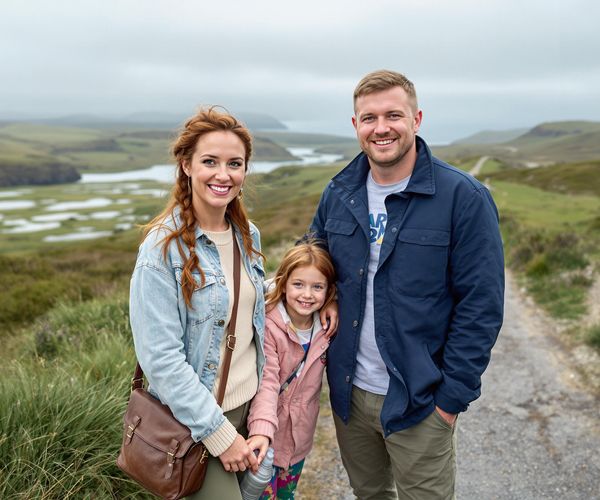
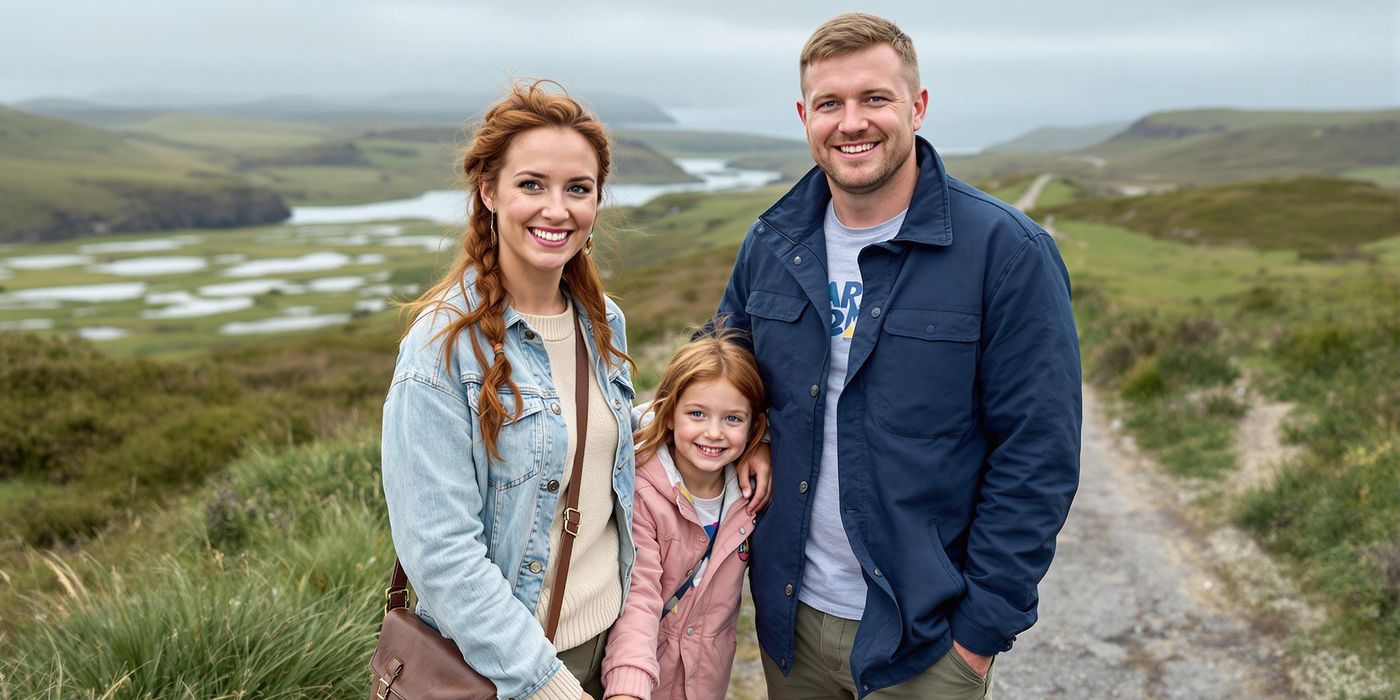
I remember a trip to a small village in the Connemara region of Ireland. My German husband, Hans, and our daughter, Saoirse, were with me. While I'm a native English speaker, the locals often spoke Gaelic amongst themselves, and sometimes their brogue was so thick, even I struggled! Hans, of course, understood even less. One afternoon, we were hopelessly lost, trying to find a specific stone circle. We asked for directions, but the rapid-fire Gaelic left us completely bewildered. We ended up taking a wrong turn that led us down a winding path to the most breathtaking view of the Atlantic coastline. We never found the stone circle that day, but we discovered a hidden gem we never would have seen otherwise. That's the magic of language barriers; they force you to slow down, pay attention, and be open to unexpected detours. Stepping outside your comfort zone and embracing the unknown is where the real adventure begins. These challenges open doors to unexpected discoveries and forge deeper connections with the people you meet along the way.
Essential Phrases: Your Starter Pack for Basic Communication
Before any trip, I always try to learn a few basic phrases in the local language. It shows respect and a willingness to connect. A little effort goes a long way. Think of it as your linguistic starter pack. Here are some essentials:
- Hello
- Thank you
- Please
- Excuse me
- Yes
- No
- How much does this cost?
Even butchering the pronunciation is better than not trying at all. Locals genuinely appreciate the effort. When in doubt, YouTube is your friend! There are countless videos that can help you nail the pronunciation of basic phrases. Even a simple grazie in Italy or merci in France will be met with smiles and appreciation.
Tech to the Rescue: Language Apps and Translation Tools
We live in an age where technology can be a lifesaver when facing language barriers. Language translation apps have become indispensable travel companions. Google Translate is probably the most well-known, but there are others like iTranslate and DeepL that offer excellent features. Each has its pros and cons. Google Translate is incredibly versatile and widely used. iTranslate boasts a user-friendly interface and offline translation capabilities. DeepL is known for its accuracy and nuanced translations, making it ideal for more complex conversations.
One of my favorite features is the camera translation. Simply point your phone's camera at a menu or sign, and the app will translate the text in real-time. It's like having a personal translator in your pocket! And don't forget to download languages for offline use. You never know when you'll find yourself in an area with limited or no internet access.
The Art of Non-Verbal Communication: Gestures, Body Language, and Visual Aids
Sometimes, words just aren't enough. That's when non-verbal communication comes into play. Gestures, facial expressions, and body language can bridge the gaps when spoken language fails. Need to ask for food or water? Pointing to your mouth or miming drinking can be universally understood. Looking for a place to sleep? Pretend to rest your head on your hands. However, be mindful that some gestures can be offensive in certain cultures. A thumbs-up, for example, is considered rude in some parts of the Middle East. Before you go, do a little research on local customs to avoid unintentional offense.
Visual aids can also be incredibly helpful. I once used a simple drawing of a train to ask for directions to the train station in rural China. Showing photos on your phone can also convey complex ideas, whether it's a picture of your hotel or a specific landmark.
Phrasebooks and Pocket Dictionaries: Your Offline Companions
In this digital age, it's easy to overlook the charm and practicality of a good old-fashioned phrasebook or pocket dictionary. These offline companions are invaluable, especially when you're venturing off the beaten path. There are countless phrasebooks available for various languages and regions. Lonely Planet and Berlitz offer comprehensive guides for almost every destination imaginable. Look for phrasebooks that include basic grammar and cultural information, as well as essential vocabulary. The dictionary section can be a lifesaver when you need to quickly learn a specific word. I always keep a phrasebook in my backpack, even if I'm relying heavily on translation apps.
Embracing Mistakes and Learning from Locals
Don't be afraid to make mistakes! It's part of the learning process. I once accidentally ordered a plate of snails in France because I mispronounced the word for mushrooms. It was a humorous mishap, and the waiter was kind enough to explain the difference. In fact, it sparked a conversation, and I ended up trying something new! Engage with locals and ask for help with pronunciation or grammar. Most people appreciate the effort and are more than willing to assist. They might even teach you a few slang words or local expressions.
The Power of a Smile and Positive Attitude
A smile is a universal language. Maintaining a positive attitude, even when facing communication challenges, can make all the difference. Friendliness and respect go a long way in bridging language gaps. Showing genuine interest in the local culture can open doors and create connections. Learn a few basic etiquette rules, such as greeting people properly or respecting their personal space. A genuine effort to connect with people is often more important than perfect fluency.
Real-Life Examples: How I've Navigated Language Barriers
I remember trying to order vegetarian food in a small Italian restaurant where no one spoke English. I didn't know the Italian word for vegetarian, so I mimed eating vegetables and made a no meat gesture. The waiter understood immediately and brought me a delicious plate of pasta primavera. Another time, in Japan, I got completely lost in the Tokyo subway. I couldn't read the signs, and no one seemed to understand my English. I showed a picture of my hotel on my phone to a young woman, and she kindly guided me to the correct platform. These experiences taught me the importance of resourcefulness, adaptability, and a willingness to ask for help.
Beyond Words: Immersing Yourself in the Culture
Even without full language proficiency, you can still immerse yourself in the local culture. Attend local music sessions, visit farmers' markets, try local cuisine, and explore hidden neighborhoods. These experiences can provide valuable insights into the local way of life. In Berlin, I love attending Turkish markets, even though my Turkish is limited. The sights, sounds, and smells transport me to another world, and I always discover something new. Don't be afraid to embrace the unknown and be open to new experiences. The world is full of wonders waiting to be discovered, and language barriers shouldn't hold you back.
Overcome language challenges with ease and confidence by using practical tips and tools for communication.