Traveling with children can feel like a Herculean task, but it doesn't have to be! As an ESL teacher and a mother to a curious 12-year-old named Saoirse, I've learned that the key to successful family travel is blending fun with education. It’s about creating experiences that spark curiosity, foster a love for learning, and create lasting memories. Join me as I share some tips and tricks I’ve picked up along the way, ensuring your next family adventure is both enjoyable and enriching.
Involving Children in the Planning Process
One of the most effective ways to ensure a smooth and engaging trip is to involve your children in the planning process. This not only builds excitement but also instills a sense of responsibility. From choosing the destination to selecting activities, their input matters.
I remember when Saoirse was eight, we were planning a trip to Italy. Initially, Hans and I were leaning towards Rome, but Saoirse was fascinated by the canals of Venice. We showed her pictures, read stories about gondolas, and watched videos about glassblowing. Her enthusiasm was infectious! We decided to include Venice in our itinerary, and it turned out to be one of the highlights of our trip. She even learned a few basic Italian phrases!
For younger children, you can offer a choice between two destinations or activities. For older kids, involve them in researching attractions, transportation options, and even budgeting. Saoirse now helps me compare flight prices and find family-friendly accommodations. Involving children in the planning makes them feel valued and builds their confidence. It also transforms them from passive tourists into active participants.
Choosing Destinations That Offer Both Fun and Learning
Europe is a treasure trove of destinations that seamlessly blend fun and learning. Think beyond the typical tourist traps and seek out experiences that will engage your children’s minds and imaginations.
Museums don't have to be stuffy and boring. Many European museums offer interactive exhibits and kid-friendly tours. The Deutsches Museum in Munich, for example, is a science and technology museum with hands-on displays that Saoirse absolutely loved. Historical landmarks can also come alive through storytelling and guided tours designed for children.
Natural parks offer incredible opportunities for outdoor learning. Hiking through the Black Forest in Germany, we discovered hidden waterfalls, learned about local flora and fauna, and even practiced our map-reading skills. The key is to find destinations that tie into your children’s passions. If they love history, explore ancient ruins or medieval castles. If they're fascinated by animals, visit a zoo or wildlife sanctuary.
Balancing structured learning with free exploration and play is crucial. Schedule time for museum visits and guided tours, but also allow for spontaneous adventures and unstructured playtime. Let your children lead the way and discover hidden gems on their own. You might be surprised by what they find!
Making Travel Itself a Learning Experience
Travel is more than just ticking off landmarks on a list. It's an opportunity to learn about different cultures, languages, and ways of life. Embrace the chance to immerse yourselves in local communities and broaden your horizons.
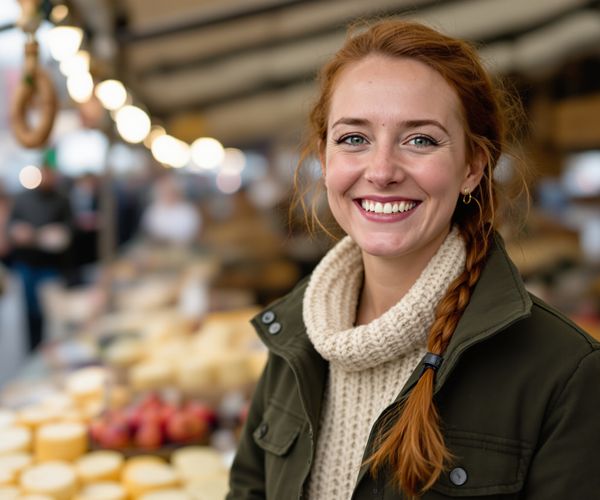
One of our favorite travel activities is visiting local markets. It's a feast for the senses! We love sampling new foods, haggling with vendors, and observing the hustle and bustle of daily life. We also make an effort to learn a few basic phrases in the local language. Even a simple hello or thank you can go a long way in building connections with locals.
During a trip to Spain, we took a cooking class and learned how to make paella from scratch. It was a fun and interactive way to learn about Spanish cuisine and culture. We even invited some local friends to join us for a paella party afterwards! Remember to respect local customs and traditions. Dress modestly when visiting religious sites, be mindful of noise levels in residential areas, and be open to trying new things, even if they seem strange or unfamiliar.
Incorporating Sustainable Practices into Family Travel
Sustainable travel is not just a trend; it's a responsibility. As travelers, we have a duty to minimize our environmental impact and support local communities. Fortunately, there are many simple ways to incorporate sustainable practices into family travel.
Choosing eco-friendly accommodations is a great start. Look for hotels or guesthouses that prioritize energy efficiency, water conservation, and waste reduction. Using public transportation is another easy way to reduce your carbon footprint. Explore cities on foot, by bike, or by train. Not only is it more environmentally friendly, but it also allows you to experience the destination more intimately.
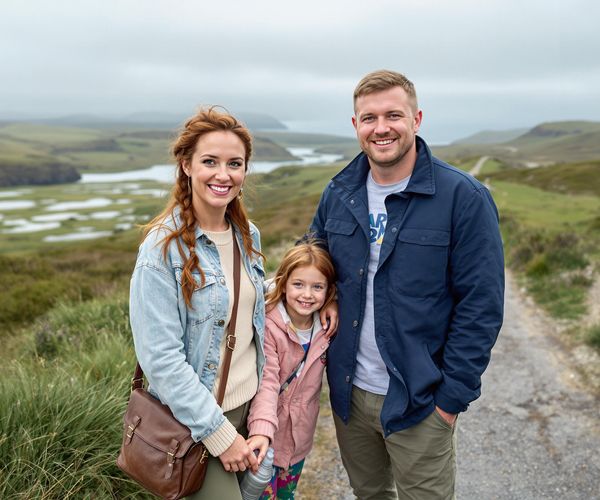
We always pack reusable water bottles, shopping bags, and food containers to minimize waste. We also try to support local businesses and buy souvenirs that are made locally and ethically. During a trip to the Irish countryside, we visited a local farm and learned about sustainable agriculture. Saoirse was fascinated by the process of growing organic vegetables and raising livestock in a responsible way. It was a valuable learning experience for all of us.
Keeping Kids Entertained and Engaged on the Go
Long flights, train rides, or car journeys can be challenging for children (and parents!). The key is to be prepared with a variety of activities to keep them entertained and engaged. A mix of screen-free activities is essential. Pack travel games, books, art supplies, and small toys. Audiobooks are also a great option for long journeys.
Incorporate educational elements into travel entertainment. Travel journals are a fun way for children to document their experiences and reflect on what they've learned. Language learning apps can help them pick up a few basic phrases in the local language. We often play travel games like I Spy or trivia about our destination. Saoirse loves creating her own travel quizzes and testing our knowledge of different countries.
Balancing structured activities with downtime and flexibility is important. Don't over-schedule your days. Allow for spontaneous adventures and unstructured playtime. Remember that travel is not just about seeing sights; it's about creating memories and bonding as a family.
Traveling with children can be an enriching experience if you blend fun with education. Learn how to create lasting memories and foster a love for learning in your kids while on the go.