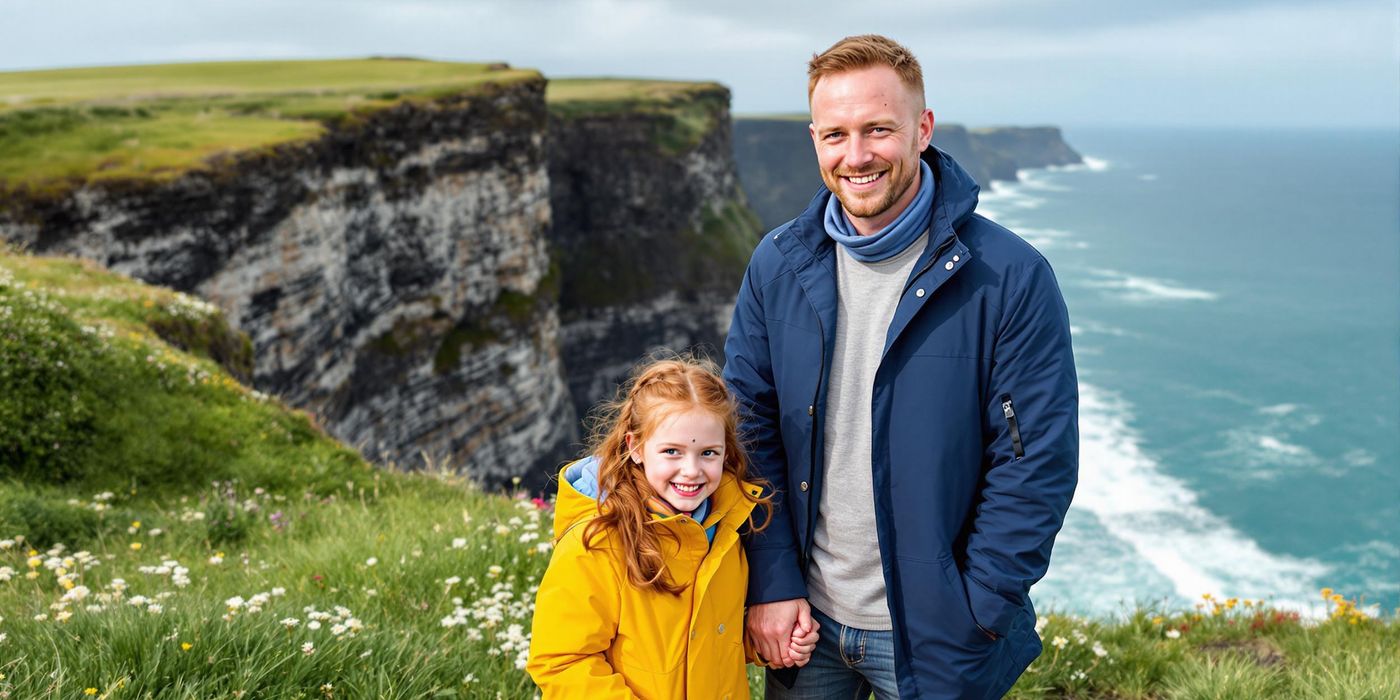
Berlin in November. Rome in February. Ireland in April. These aren't the typical times you'd hear people raving about for travel, but for my family and me, they hold some of our most cherished memories. There's a certain magic in sidestepping the throngs of tourists and experiencing a place on its own terms. But is off-peak travel always the best choice? Let's delve into the pros and cons.
Introduction: Embracing the Road Less Traveled
Off-peak travel, simply put, means venturing out during the shoulder seasons or the less popular times of the year. I remember one particular trip to the Black Forest with Hans and Saoirse in early spring. The forest floor was carpeted in wildflowers, a sight we wouldn't have witnessed in the summer crowds. The air was crisp, the trails were ours alone, and the local cafes welcomed us with open arms. It was this experience that truly cemented our love for escaping the beaten path. The allure lies in the promise of a quieter, more authentic encounter with a destination, where you're not just a tourist, but a temporary resident.
The Allure of Off-Peak: Unveiling the Advantages
The most obvious advantage? The cost. Traveling during the off-season can significantly reduce expenses. Flights are cheaper, accommodations offer lower rates, and even activities often come with discounts. We've saved hundreds on flights to Ireland just by traveling in the spring or fall.
Beyond the budget, off-peak travel offers a more immersive cultural experience. With fewer tourists, you have more opportunities to interact with locals, learn about their traditions, and experience their daily lives. In a small village in Bavaria during the autumn, we stumbled upon a local harvest festival that felt incredibly authentic, something we likely would have missed during the summer rush.
And then there are the crowds, or rather, the lack thereof. Imagine exploring the Colosseum without jostling for space, or wandering through the Louvre without being swept along by the masses. The reduced crowds allow for a more relaxed and enjoyable exploration of popular attractions. You can take your time, soak in the atmosphere, and truly appreciate the beauty around you.
Let's not forget the weather. Shoulder seasons often boast pleasant conditions, avoiding the extreme heat of summer or the biting cold of winter. Think mild temperatures in the Mediterranean in spring or crisp, sunny days in the Scottish Highlands in autumn. It's often the sweet spot for comfortable exploration.
Navigating the Nuances: Acknowledging the Challenges
Of course, off-peak travel isn't without its potential drawbacks. One of the biggest challenges is the possibility of limited operating hours or closures of certain attractions. Some museums, restaurants, or even entire resorts might scale back their services or close down completely during the low season. We once arrived in a charming coastal town in Portugal in late October only to find that many of the restaurants were closed for the season.
Weather can also be less predictable. While shoulder seasons often offer pleasant temperatures, they can also bring unexpected rain, wind, or even snow. Flexibility is key. You might need to adjust your plans on the fly, be prepared for indoor activities, or simply embrace the unpredictable nature of the weather.
Another consideration is the potential for fewer social events or festivals compared to peak season. While you might stumble upon authentic local gatherings, you might also miss out on larger, more publicized events.
The key is research and preparation. Before booking an off-peak trip, investigate the operating hours of attractions, check the average weather conditions, and be aware of any potential closures or limitations. A little planning can go a long way in mitigating these challenges.
Our Family's Off-Peak Adventures: Stories from the Road
One of our most memorable off-peak adventures was a trip to Ireland in April. The rolling green hills were vibrant with wildflowers, the sheep were grazing peacefully in the fields, and the pubs were cozy and inviting. We visited the Cliffs of Moher without battling hordes of tourists, explored the charming streets of Galway at our own pace, and even had a private tour of a local distillery. It was a far cry from the crowded, bustling experience we'd heard about during the summer months.
Another highlight was our trip to Rome in February. While the weather was a bit chilly, the city was ours to explore. We wandered through the Vatican Museums without feeling rushed, tossed a coin in the Trevi Fountain without fighting for space, and enjoyed delicious pasta in Trastevere without waiting in line for hours. It felt like we had unlocked a secret, experiencing the Eternal City in a way that few tourists ever do.
I also believe that travelling during the off-season can be beneficial to sustainable tourism. By spreading out tourist visits, we can help reduce the strain on popular destinations and support local economies year-round.
Of course, there were also unexpected discoveries along the way. A hidden gem of a restaurant in a quiet alleyway, a spontaneous traditional music session in a local pub, a breathtaking sunset over the Aegean Sea – these are the moments that make off-peak travel so special.
Tips and Tricks for Planning Your Off-Peak Getaway
So, how do you plan your own off-peak adventure? Start by researching your destination and identifying the optimal shoulder seasons. Websites like TripAdvisor and Lonely Planet can provide valuable insights into the best times to visit.
Next, look for deals on flights and accommodations. Many airlines and hotels offer discounts during the off-season. Sign up for email alerts, use comparison websites, and be flexible with your travel dates to find the best prices.
Remember the importance of flexible planning. Be prepared to adjust your itinerary based on weather conditions, closures, or unexpected opportunities. Embrace spontaneity and be open to new experiences.
Pack appropriately for varying weather conditions. Layers are your best friend. Bring waterproof gear, comfortable shoes, and anything else you might need to stay warm, dry, and comfortable.
Finally, embrace the unique opportunities that off-peak travel can offer. Strike up conversations with locals, explore hidden corners, and be open to unexpected adventures. You might be surprised at what you discover.
Explore the benefits and drawbacks of avoiding peak tourist seasons, focusing on cost savings and unique experiences. I share my family's experiences with off-peak travel.