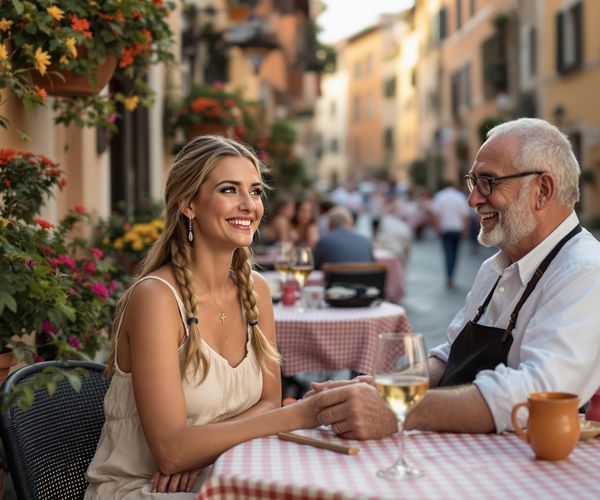
As a librarian with a passion for history and folklore, I’ve always believed that travel is more than just seeing the sights; it's about connecting with the heart and soul of a place. It's about understanding its stories, its traditions, and its people. Join me as I share my insights on how to truly immerse yourself in local cultures, creating unforgettable experiences and fostering meaningful connections.
Understanding Cultural Immersion
Cultural immersion goes beyond the typical tourist experience. It's not just about visiting famous landmarks or taking guided tours. It's about actively engaging with the local community, participating in their customs, and learning about their history and traditions. It’s about stepping outside your comfort zone and embracing the unfamiliar.
My background in Scandinavian folklore and European history deeply influences my approach to cultural immersion. Growing up in Sweden, I was surrounded by tales of Vikings, mythical creatures, and ancient traditions. This sparked a lifelong curiosity about different cultures and a desire to understand the stories that shape them. Now living in Germany, I am constantly finding new ways to explore the culture around me.
Engaging with Local History and Folklore
Before embarking on any trip, I always make it a point to delve into the local history. Understanding the historical context of a place can significantly enrich your travel experience. Researching historical sites, museums, and cultural centers can provide valuable insights into the events and people that have shaped the region. For example, before visiting Scotland, I spent weeks reading about the Jacobite rebellions and the history of the clans. This knowledge made my visit to Culloden Battlefield all the more meaningful.
Don't underestimate the power of folklore! Local legends and myths often reveal deeper truths about a culture's values and beliefs. Seek out storytellers, attend local festivals, and read traditional tales to gain a richer understanding of the local culture. In Ireland, exploring the myths surrounding fairies and ancient Celtic gods added a magical dimension to my travels.
In Heidelberg, I often visit the Kurpfälzisches Museum to learn more about the Palatinate region's history, and I love exploring the local legends surrounding the Heidelberg Castle. These activities help me feel more connected to my adopted home.
Learning Basic Phrases and Customs
One of the most effective ways to connect with locals is by learning a few basic phrases in their language. Even simple greetings like “hello,” “thank you,” and “excuse me” can go a long way in showing respect and willingness to engage. It signals that you are making an effort to understand their culture, which can open doors to deeper conversations and experiences.
Here are a few useful phrases for travelers:
- Hello: Hej (Swedish), Hallo (German), Hola (Spanish), Bonjour (French)
- Thank you: Tack (Swedish), Danke (German), Gracias (Spanish), Merci (French)
- Excuse me: Ursäkta (Swedish), Entschuldigung (German), Perdón (Spanish), Excusez-moi (French)
- Please: Snälla (Swedish), Bitte (German), Por favor (Spanish), S'il vous plaît (French)
- Do you speak English?: Talar du engelska? (Swedish), Sprechen Sie Englisch? (German), ¿Habla inglés? (Spanish), Parlez-vous anglais? (French)
Understanding local customs and etiquette is equally important. What might be considered polite in one culture could be offensive in another. For example, in some Asian countries, it’s customary to remove your shoes before entering someone’s home. In Japan, it's considered rude to blow your nose in public. Being aware of these nuances can help you avoid unintentional cultural faux pas.
Participating in Local Activities and Traditions
One of the best ways to experience a culture firsthand is by participating in local activities and traditions. Attending local festivals, markets, and cultural events can provide a unique glimpse into the community's values and way of life. I remember attending the Christmas markets in Nuremberg and being captivated by the festive atmosphere, the traditional crafts, and the delicious food. It was an experience that truly immersed me in the local culture.
Taking cooking classes or craft workshops is another fantastic way to engage with local traditions. Learning how to prepare traditional dishes or create local crafts not only provides a fun and memorable experience but also offers insights into the cultural significance of these practices. In Italy, I took a pasta-making class and learned about the history and regional variations of this beloved dish. It was a delicious and educational experience!
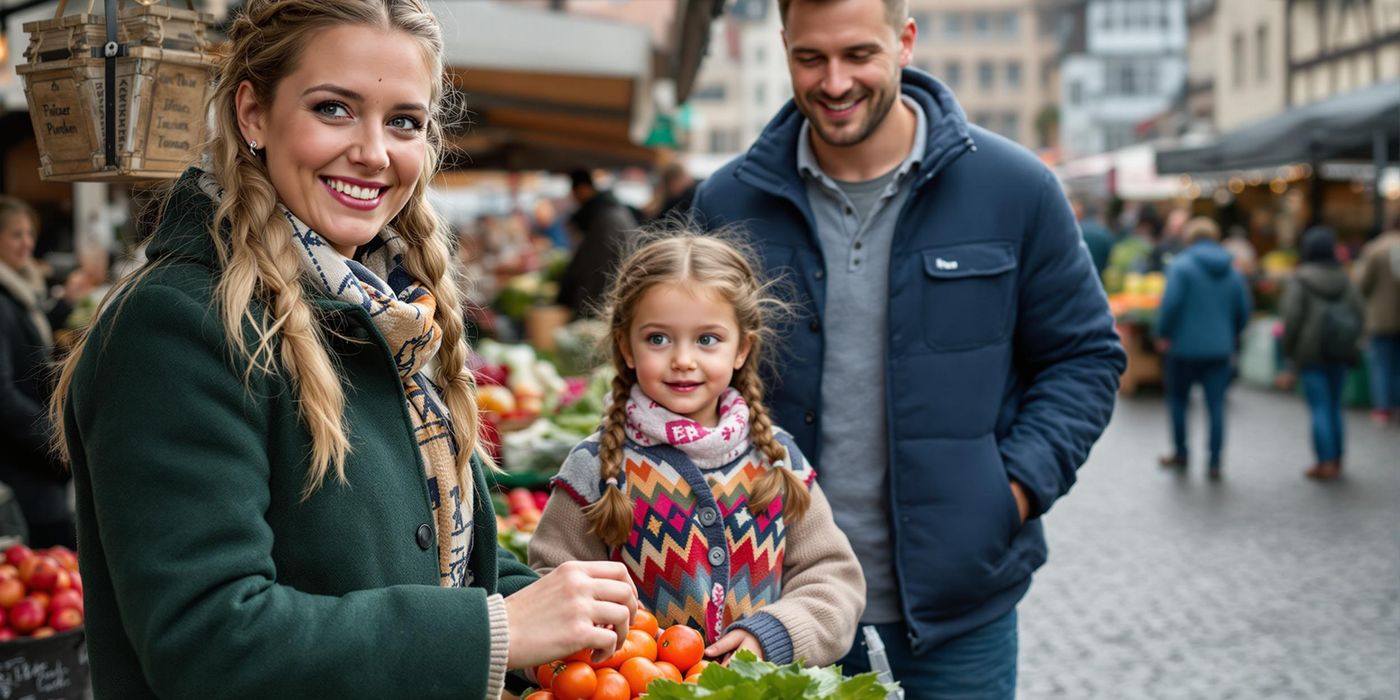
I love visiting the local farmers markets in Heidelberg to buy fresh produce and chat with the vendors. It's a great way to support local businesses and learn about regional specialties.
Respectful Interactions and Authentic Connections
Respectful interactions are the foundation of cultural immersion. Approach every interaction with an open mind, empathy, and a genuine interest in learning about the other person's perspective. Engage in meaningful conversations, listen attentively, and ask thoughtful questions. Remember that everyone has a story to tell, and by listening to these stories, you can gain a deeper understanding of the culture and the people who call it home.
I always try to find opportunities to connect with locals on a personal level. Whether it's sharing a meal with a family, volunteering at a local organization, or simply striking up a conversation with a shopkeeper, these interactions can lead to lasting memories and meaningful relationships. During my travels in South America, I spent several weeks volunteering at a local school in a small village. It was an incredibly rewarding experience that allowed me to connect with the community and make a positive impact.
Building relationships and creating lasting memories is what travel is all about. Be open to new experiences, embrace the unexpected, and allow yourself to be transformed by the cultures you encounter.
Embracing Sustainable and Ethical Travel
Sustainable and ethical travel practices are essential for preserving local cultures and protecting the environment. Support local businesses and communities by buying locally made products, eating at family-owned restaurants, and staying at guesthouses or small hotels. This helps to ensure that your money stays within the local economy and benefits the people who live there.
Choose eco-friendly accommodations and transportation options whenever possible. Look for hotels that have implemented sustainable practices, such as reducing water and energy consumption, recycling, and using locally sourced products. Consider traveling by train or bus instead of flying, and opt for walking or cycling whenever feasible. Responsible tourism can help minimize your impact on the environment and contribute to the preservation of local cultures.
I always try to incorporate sustainable practices into my travel style. I bring my own reusable water bottle and shopping bags, and I make an effort to reduce my waste and conserve resources. I also try to support local artisans and businesses by buying handmade crafts and souvenirs.
By embracing cultural immersion and practicing responsible travel, we can create meaningful experiences, foster authentic connections, and make a positive impact on the world.
Learn how to immerse yourself in local cultures during travels, fostering connections and understanding with communities. Discover practical tips for respectful and authentic interactions.